Testing the way we've always done it
K-State’s TAPS program helps producers test new approaches to water and farm management
Testing Ag Performance Solutions program is helping producers rethink irrigation, measure results and apply lessons about water conservation back on the farm.

By Kelsey Stremel
College of Agriculture
Friday, Sept. 18, 2026
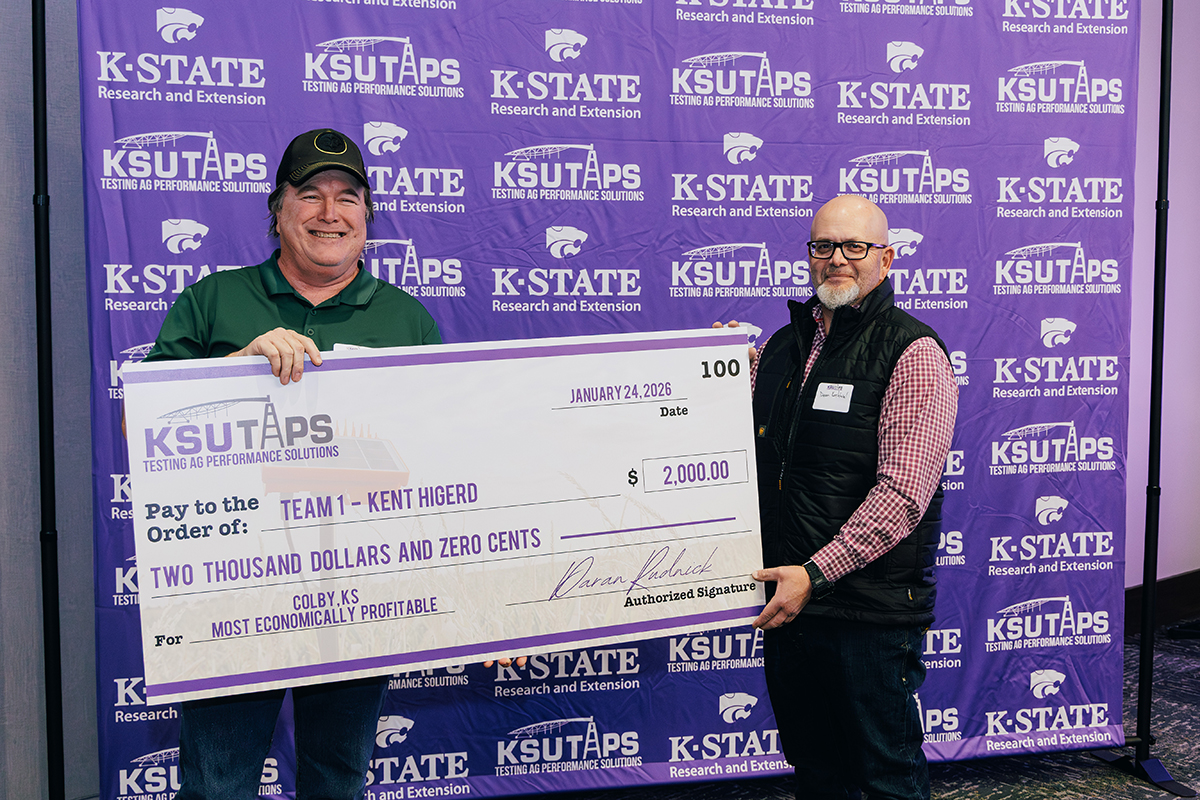
Kent Higerd is running an irrigation experiment on his farm that grew out of what he learned through Testing Ag Performance Solutions, better known as TAPS.
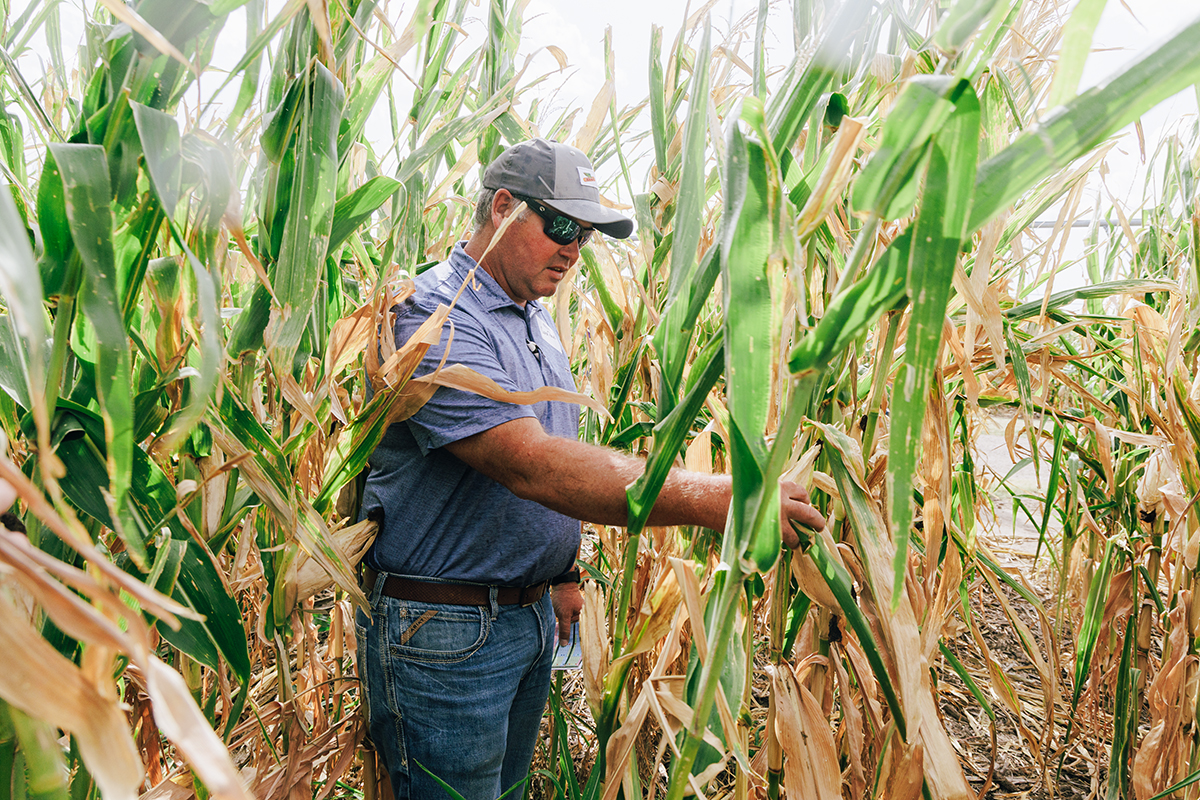
This season, Higerd divided a center-pivot irrigated field into different water treatments to see how much irrigation he could reduce without sacrificing the crop. The combine will provide the final comparison, but late in the growing season, he said his agronomist was already having difficulty seeing much difference in the corn.
In western Kansas, irrigation decisions are a constant balance between farm economics and groundwater conservation, making the results of that test especially meaningful.
For Higerd, that balance is also about the future of the farm — including whether the next generation, like his son Aaron, will have the water resources to keep farming.
"As far as saving groundwater, the TAPS program is to be commended," Higerd said. "When I first started, I was thinking, 'Are you crazy?' You're going to make us water less?' We didn't know any different. The seven most expensive words on a farm are, 'Because we've always done it that way.'
"The TAPS program has taught us we can do as much with less," he continued. "We're going to find out: Can we actually do more with less — or the same amount, at least? But that's part of what comes from TAPS for me."
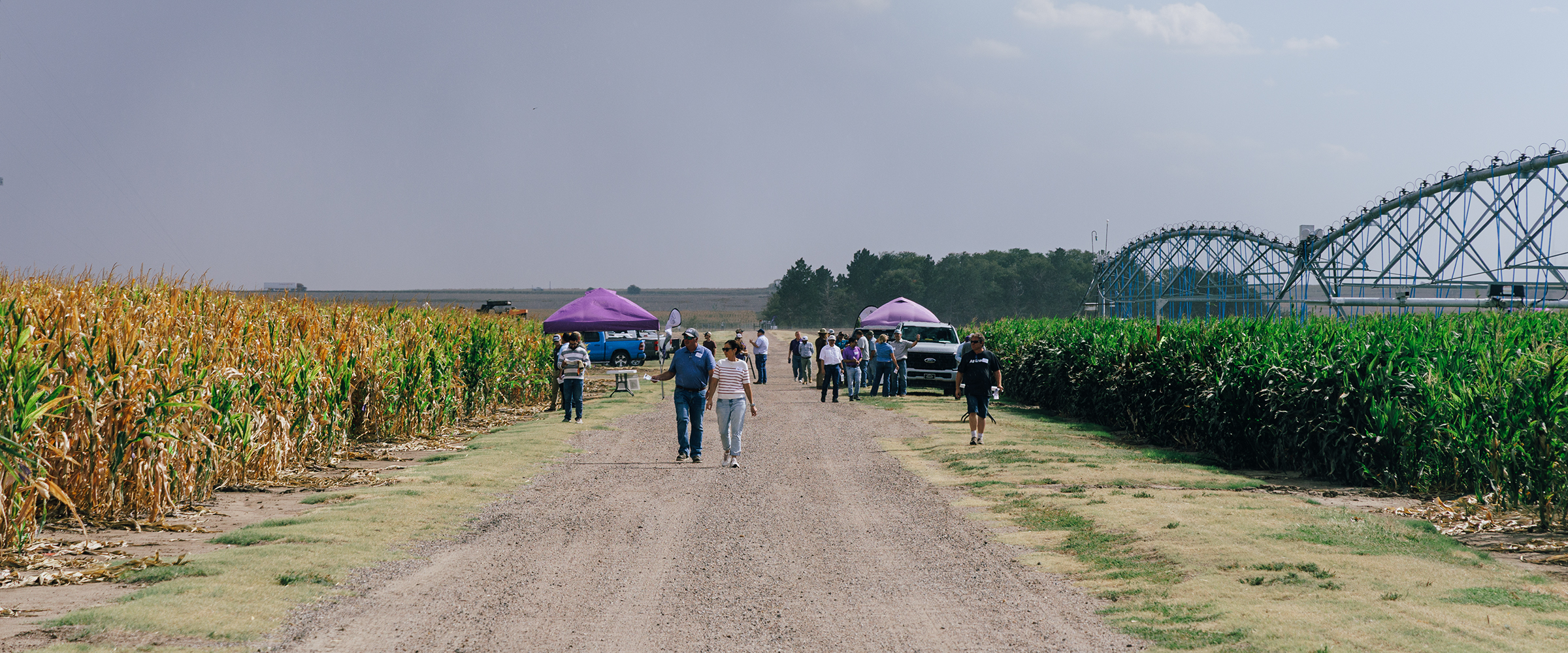
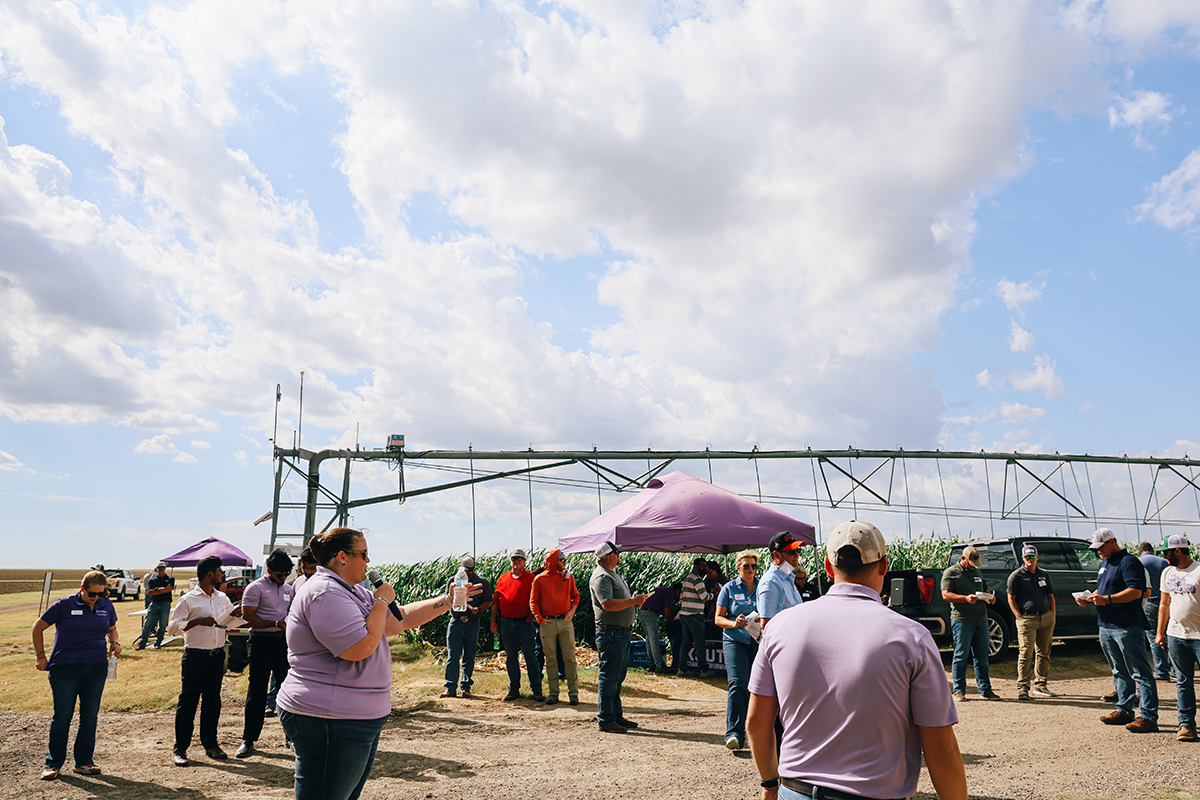
That cycle of decisions, measurement, comparison and learning sits at the center of TAPS, with what is learned put back to work in the next decision. It was visible in northwest Kansas in September, when Kansas State University's TAPS team hosted producers, researchers, students, agricultural businesses and university teams from across the network for the National Fly-In and Field Experience in Colby.
One field, different realities
The TAPS network spans production regions from humid and subtropical systems to the semi-arid High Plains, bringing very different experiences with water, risk and management into the same conversation.
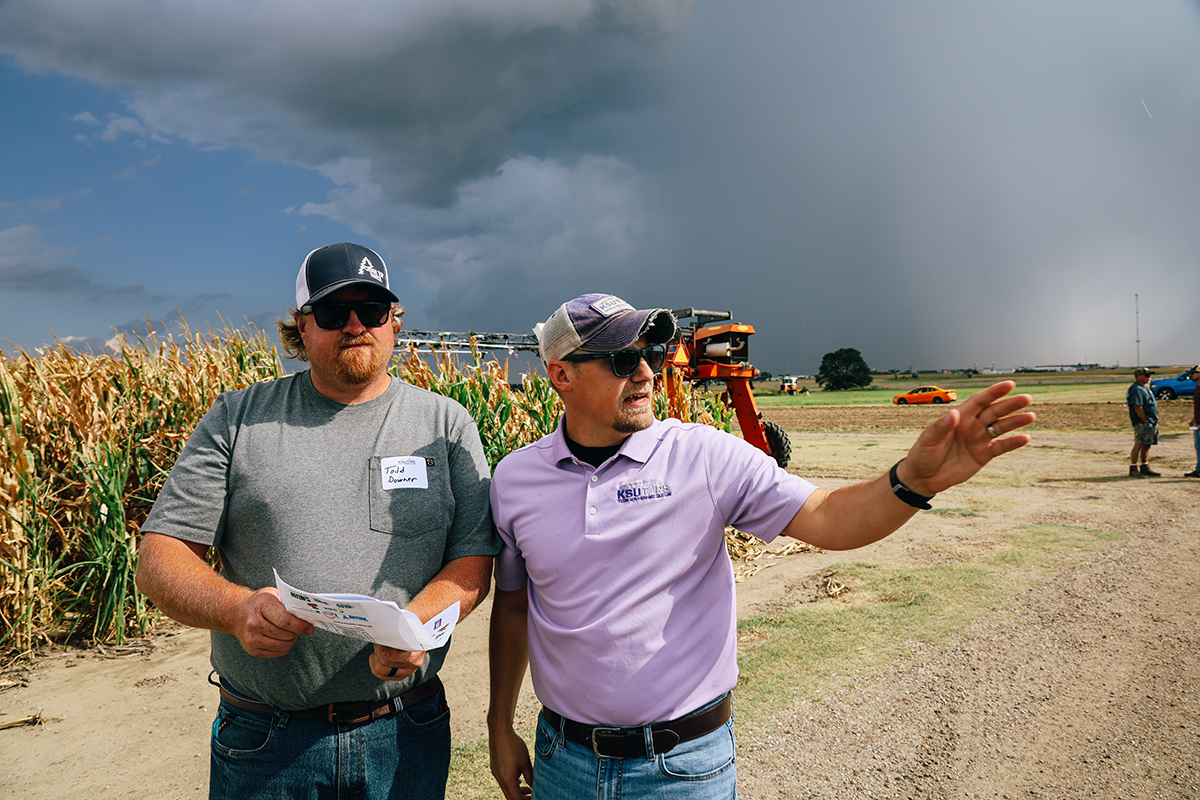
"Bringing the network to western Kansas gives participants a chance to see what managing a limited water resource looks like in practice," said Daran Rudnick, K-State director of sustainable irrigation and co-founder of TAPS. "But it also gives us the opportunity to learn from producers coming from very different production environments. That exchange is really important to what TAPS is trying to accomplish."
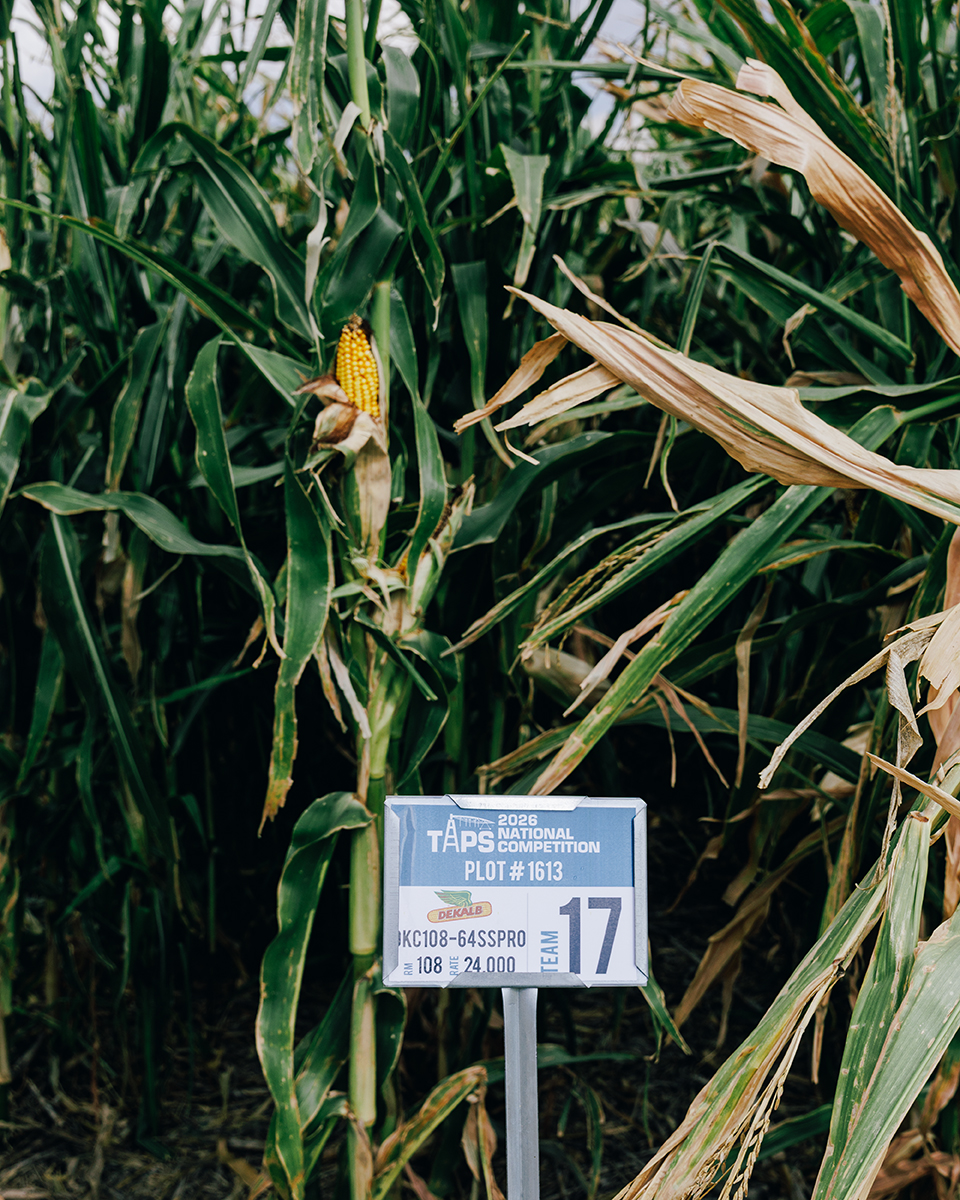
In 2026, competitors are managing corn in the same field at K-State's Northwest Research-Extension Center in Colby. Teams make their own decisions about crop insurance, technology, hybrid, seeding rate, irrigation, nitrogen and grain marketing under the same Kansas seasonal 10-inch irrigation limit tied to the Q-Stable groundwater management concept. Awards recognize economic profitability and input-use efficiency, putting production, cost and resource use into the same calculation.
The common field makes those differences visible. A producer accustomed to more rainfall still has to manage a limited irrigation allocation in Colby, while a High Plains producer may recognize the water constraint but encounter a different approach to technology, risk or marketing.
Putting those decisions side by side gives participants a chance to ask why others made different choices — and what they might learn from them.
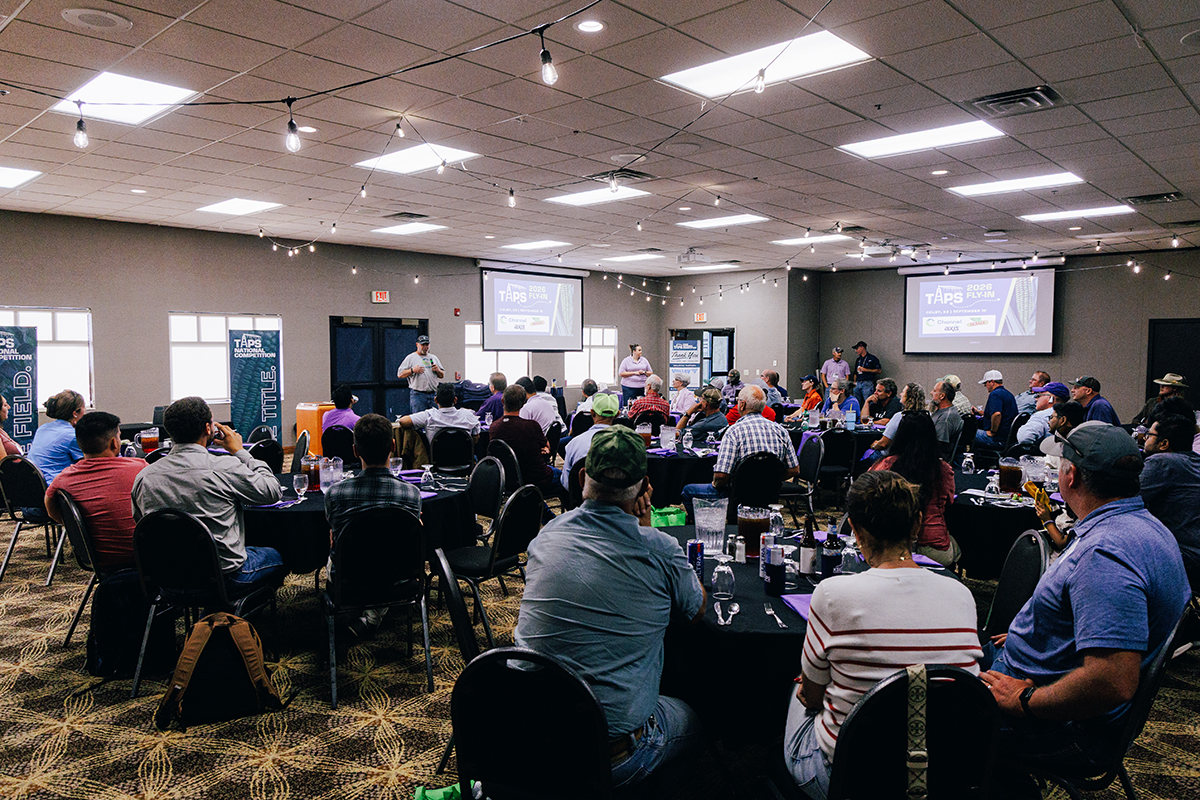
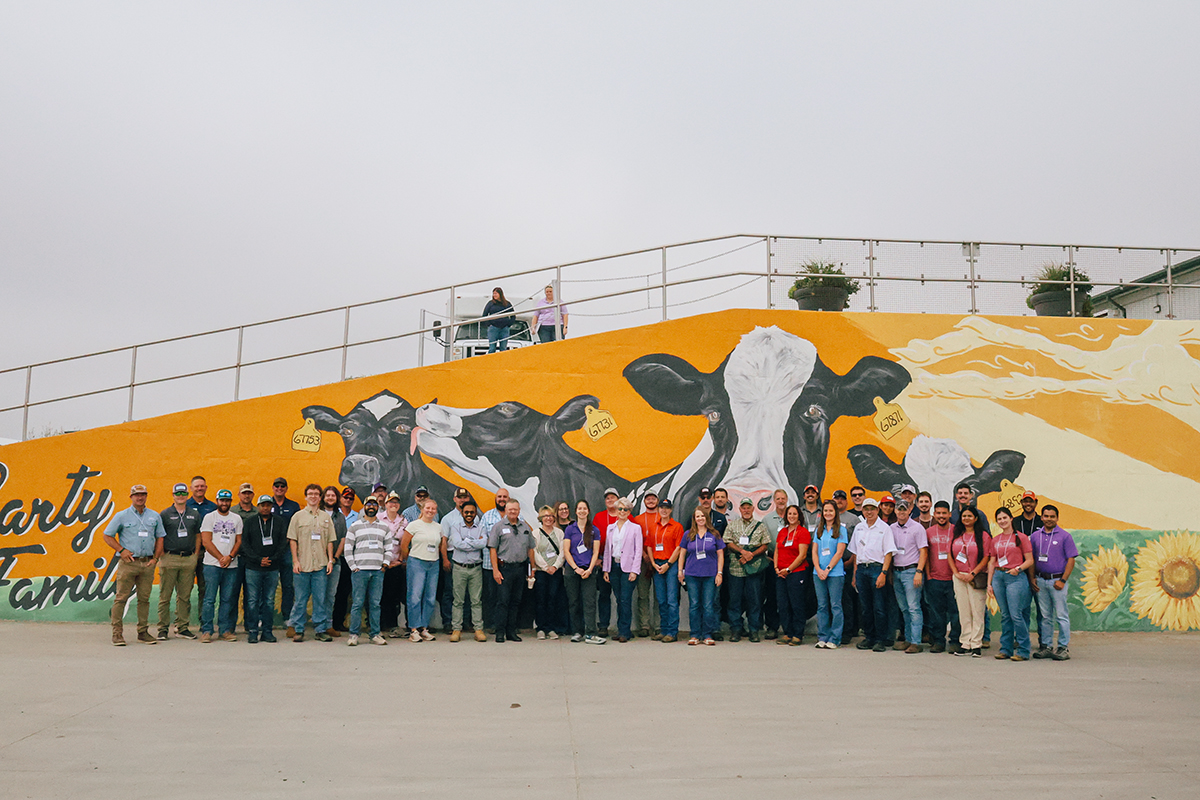
The Fly-In carried that exchange beyond the competition field. Participants visited McCarty Family Farms and SurePoint Ag Systems, returned to Colby for the TAPS Twilight Tour and compared management approaches through conversations, student research, technology demonstrations and the interactive TAPS Farm Duel.
The TAPS Farm Duel made those differences interactive, asking participants to work through farm-management scenarios and defend their responses. Different production goals, regional experience, and tolerance for risk quickly became part of the discussion and learning.
When information changes management
The TAPS Fly-In closed with a panel discussion on water management in western Kansas, moderated by Kansas Water Office assistant director Matt Unruh and featuring producer Pat Janssen, irrigation engineer Lee Wheeler, Northwest Kansas Groundwater Management District No. 4, or GMD4, manager Shannon Kenyon and irrigation specialist Jack Polifka. For TAPS partners from across the country, the discussion offered a closer look at the challenges facing the Ogallala/High Plains Aquifer and the producers, communities and agricultural systems that depend on it.
Unruh framed the challenge plainly: "How do we balance protecting water resources with protecting agricultural productivity, the rural economy and the rural way of life?"
Janssen has spent years working with irrigation system evaluations and water-management technology, but he said equipment accounts for only part of what determines whether producers actually conserve water.
"Water efficiency in terms of irrigation is about 40% mechanical or technical and about 60% cultural," Janssen said. "You can hang things on a pivot and stick them in the field until you can see it from outer space. But if you don't have that producer engagement, you're not going to move the needle at all."
Agriculture now has access to increasingly detailed information from soil moisture sensors, satellite imagery, weather data, irrigation controllers and other tools. The challenge is turning that information into something producers trust enough to act on.
"If we can build datasets that give producers guidance — or at least a reference point when they're thinking about trying something new — the cost and risk of entry become a lot lower. Useful data helps steer decisions," said Janssen.
That engagement often begins with understanding what is happening in the field. Irrigation engineer Lee Wheeler urged producers to view the well, pumping plant, sprinkler package and management decisions as one connected system, while GMD 4 irrigation specialist Jack Polifka distilled the idea even further: "You can't manage what you can't measure."
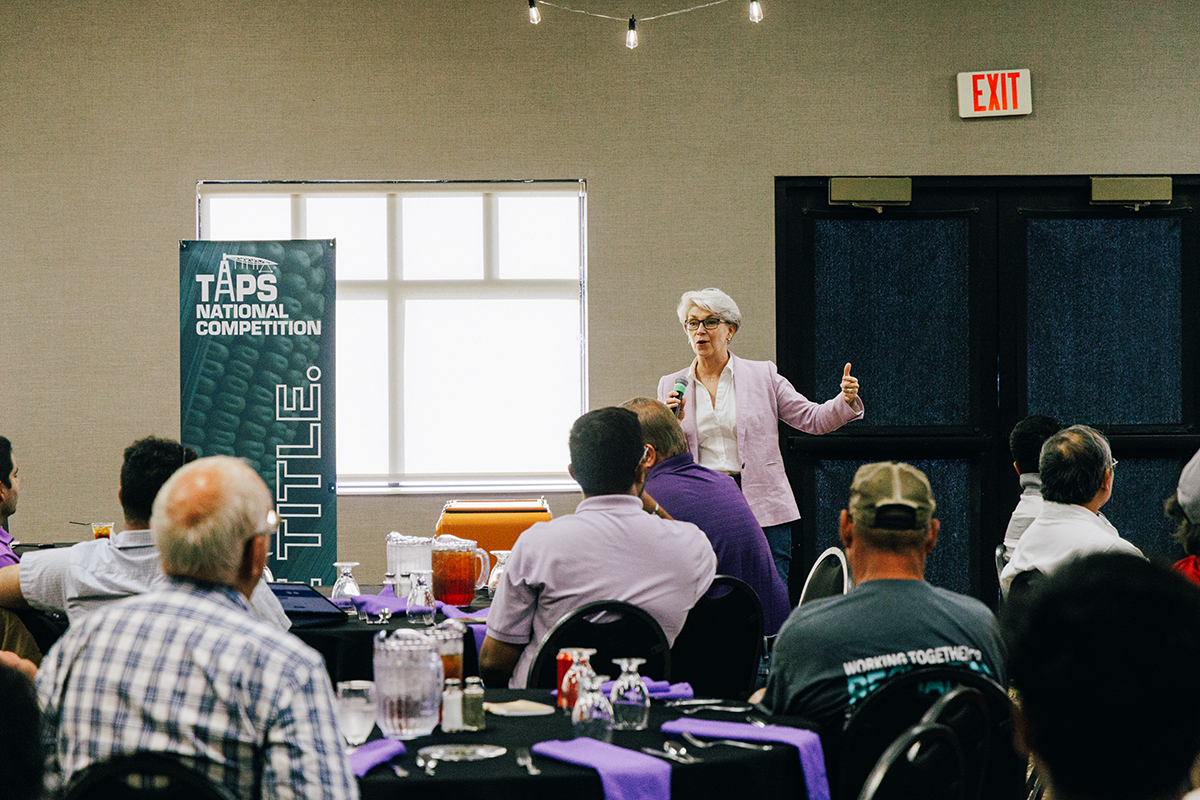
For GMD 4 manager Shannon Kenyon, those measurements and services are part of making conservation workable. Asking producers to pump less water, she said, also means helping them understand how to adapt while maintaining productive farms.
"In order to make that regulation successful, we also have to become a service agency," Kenyon said.
When the conversation turned toward universities, the message stayed close to the farm: provide useful regional data, keep research applied and listen to the questions producers are trying to answer.
That exchange reflects the TAPS cycle itself — producer experience shapes the questions, research helps interpret what happens, and the lessons move back to the farm.
Back to the farm
Higerd's irrigation test is one example of that movement back to the farm.
The combine may show little difference among the treatments, or it may reveal a production response that was difficult to see during the growing season. Either result will give Higerd information he can use when making the next irrigation decision, with both the economics of the farm and the future of its groundwater in mind.
"The seven most expensive words on a farm are, 'Because we've always done it that way,'" he said.
TAPS will eventually name winners based on profitability and input-use efficiency, and researchers will continue analyzing the season's decisions. The larger effect will be spread across individual farms: a different irrigation schedule, a technology tested, a nitrogen rate adjusted, a sensor questioned or a producer deciding to test the way they've always done it.
Then the cycle starts again — with a better question.
Related Stories
Making plant stress visible
Not everything that’s green is thriving. Kelechi Igwe, a doctoral student in biological and agricultural engineering, is developing technology that can leverage...
K-State conducts regenerative agriculture research alongside Kansas farmers
As K-State works to advance agriculture, it leverages a network of Kansas farmers, known as the Kansas Soil Health Network, to conduct soil research at seven...
Practical research to help producers
K-State graduate student Zach Carson is exploring ways western Kansas producers can intensify cropping systems while improving profitability and protecting...