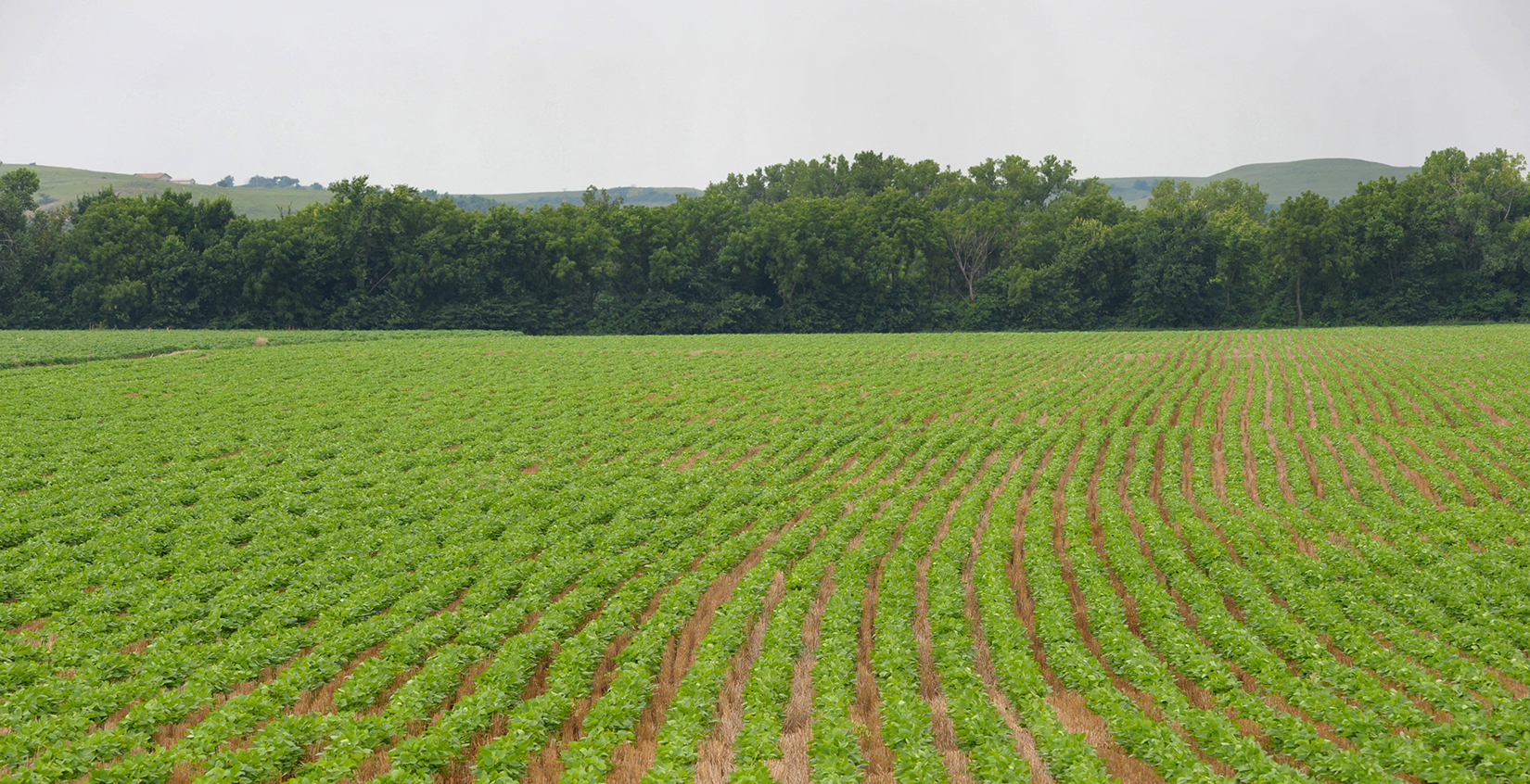
K-State expands regenerative agriculture impact
Through partnership with King Arthur Baking Co., university also joins 1% for the Planet network

By Jennifer Tidball
Division of Communications and Marketing
Tuesday, Oct. 6, 2026
A next-generation partnership at Kansas State University shows that when a land-grant university, farmers and a food company work together, good things happen.
One of those good things: Through its partnership with King Arthur Baking Co., an interdisciplinary K-State team is helping farmers across Kansas and beyond to learn and adopt regenerative agriculture practices that transform agriculture to be more efficient, resilient and profitable.
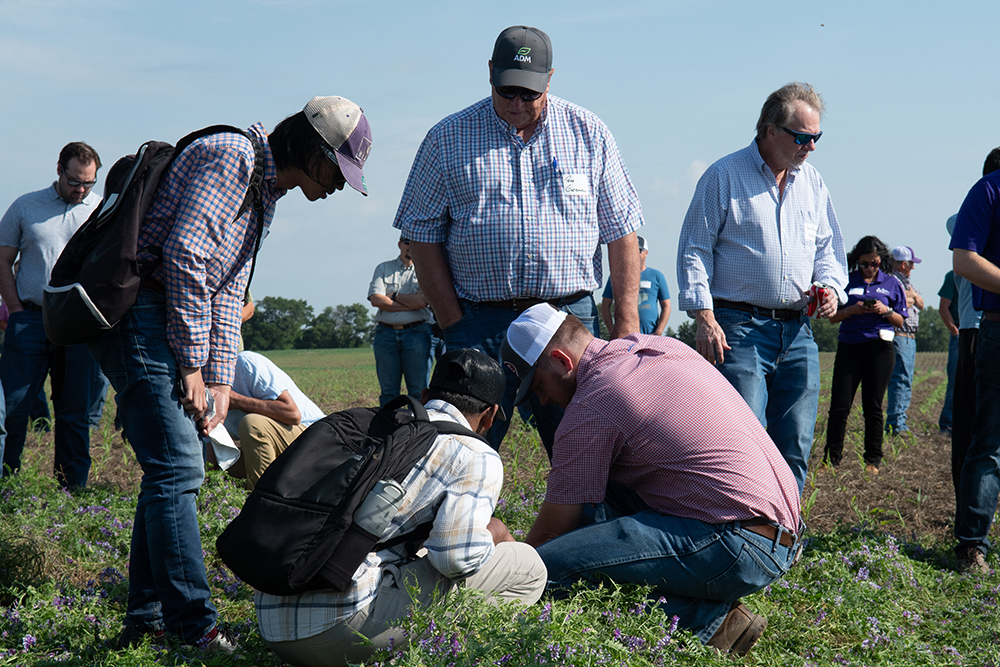
"With our regenerative agriculture effort at K-State, we are taking a systems approach to transform agriculture," said Charles Rice, university distinguished professor of agronomy. "A major effort of our program is conducting on-farm research with practical on-farm decision-making. These public-private partnerships can strengthen the future of agriculture."
Now, through the partnership with King Arthur, K-State has been named a 1% for the Planet environmental partner. The university joins a network of businesses and organizations that are taking the lead on sustainability.
K-State recognized for sustainability work through regenerative agriculture research, partnerships
The partnership and recognition are a natural fit for a next-generation land-grant university like K-State, which values sustainability and innovative farming practices like regenerative agriculture. Regenerative agriculture prioritizes the restoration and enhancement of soil health, biodiversity and ecosystem function. This holistic system works with nature rather than against it, creating healthy and resilient farming systems.
That's good news for farmers and food companies. Together, K-State and King Arthur are helping to move regenerative practices from research into farm adoption.
"A significant amount of the wheat for our flour comes from Kansas farmers," said Annie Rowell, sustainability impact manager at King Arthur. "Our partnership with K-State allows King Arthur to be connected to and support the leading soil health research in Kansas and the Central Plains. This, in turn, supports farmers to receive the most regionally relevant information to make the best soil health management decisions on their farms."
K-State regenerative agriculture research and partnerships start with soil
Rice has spent decades studying regenerative agriculture and is globally renowned for his work in the field. More than 25 researchers at K-State are involved in interdisciplinary regenerative agriculture work.
K-State’s soil health partnership with King Arthur began in 2024. After meeting at the Regenerative Agriculture Summit in Chicago, Rowell and Rice kept in touch to explore leading soil health best management practices in Kansas and to learn how a company like King Arthur could help scale practice adoption among Kansas farmers.
Now, the partnership between K-State and King Arthur combines university research, farmer outreach and supply-chain sustainability efforts to advance regenerative agriculture in wheat production. The partnership combines applied research, producer education, on-farm demonstrations, industry engagement and supply chain sustainability initiatives.
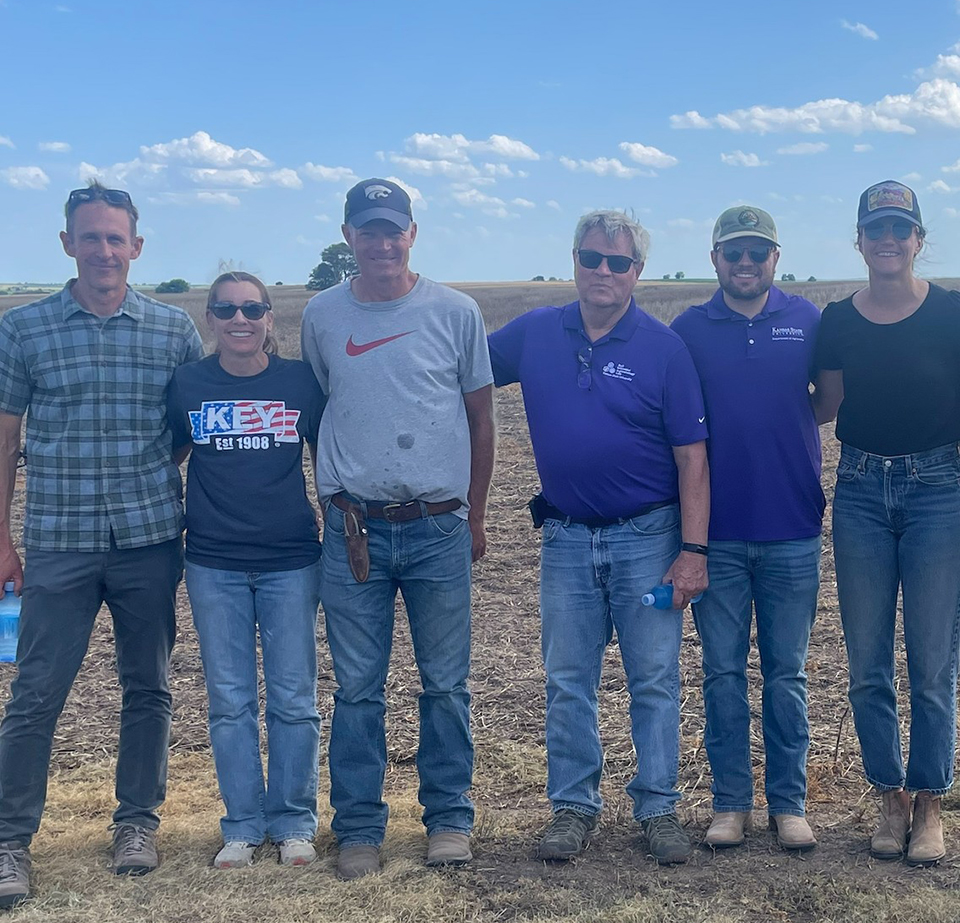
Since April 2025, King Arthur has provided funding for the first regenerative agriculture extension assistant position at K-State. With that support, Nick Detter, regenerative agriculture extension assistant, and the regenerative agriculture team have successfully implemented multiple initiatives, including:
- Farmer-facing extension activities.
- Producer education programs in communities such as Downs, Oakley, Salina and Montezuma.
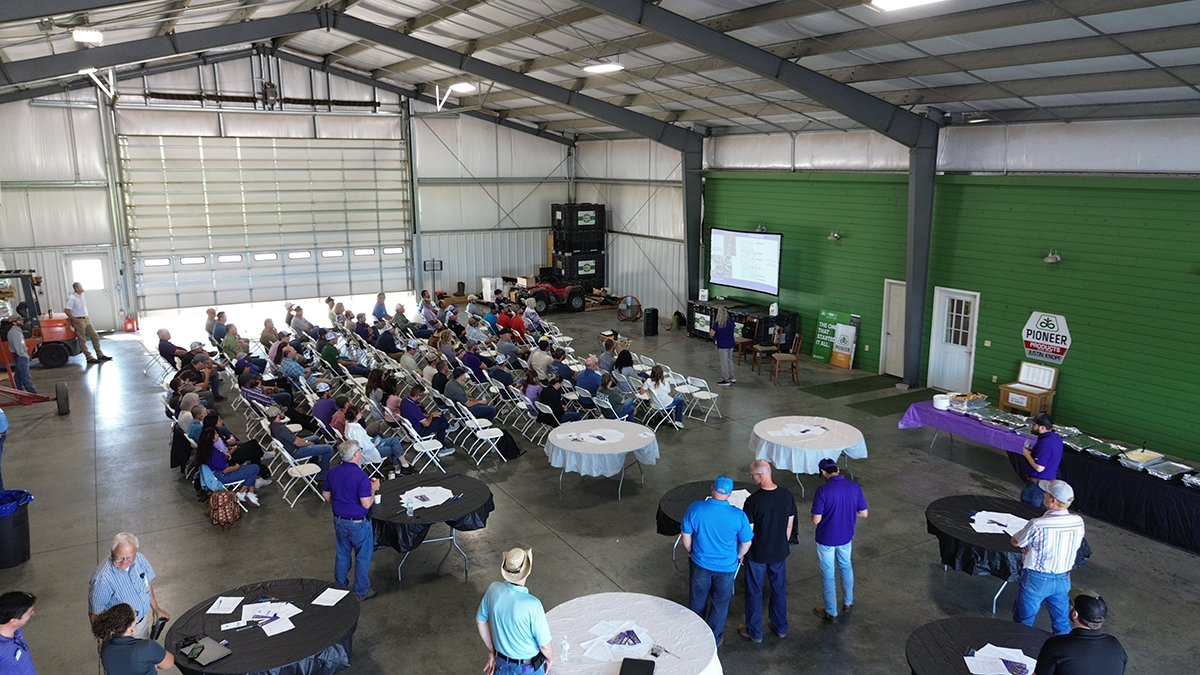
- Field days and outreach events across Kansas, including two soil-health field days with the Kansas Soil Health Network that have drawn more than 110 attendees each.
- The K-State Regenerative Agriculture Podcast.
"We've built a lot of momentum in this first year and a half with our events reaching over 400 attendees in total, our podcast now has nearly 30 episodes that average about 200 listeners, and we've created and deepened partnerships with farmers and companies up and down the food and agricultural supply chain," Detter said.

For King Arthur, the K-State partnership builds on the company's Grains for Good commitment to source 100% of its flour from regeneratively grown wheat.
"At King Arthur, we're bakers, not farmers, which is exactly why partnerships like this matter. Achieving our Grains for Good commitment depends on learning from trusted experts in the regions where our wheat is grown," said Suzanne McDowell, vice president of impact at King Arthur. "K-State's research, practical knowledge and strong relationships with growers help bridge the gap between research and on-farm implementation, advancing soil health, farm resilience and the future of baking."
Sustainable agriculture research benefits Kansas and beyond
Through 1% for the Planet, King Arthur and K-State's partnership is part of a global movement of businesses and environmental organizations working together to advance sustainability.
1% for the Planet members — like King Arthur — commit to supporting vetted environmental organizations, like K-State, through annual giving. That support from King Arthur will take K-State’s regenerative agriculture efforts to new levels, ensuring that research-backed soil health practices reach farms in Kansas and beyond.
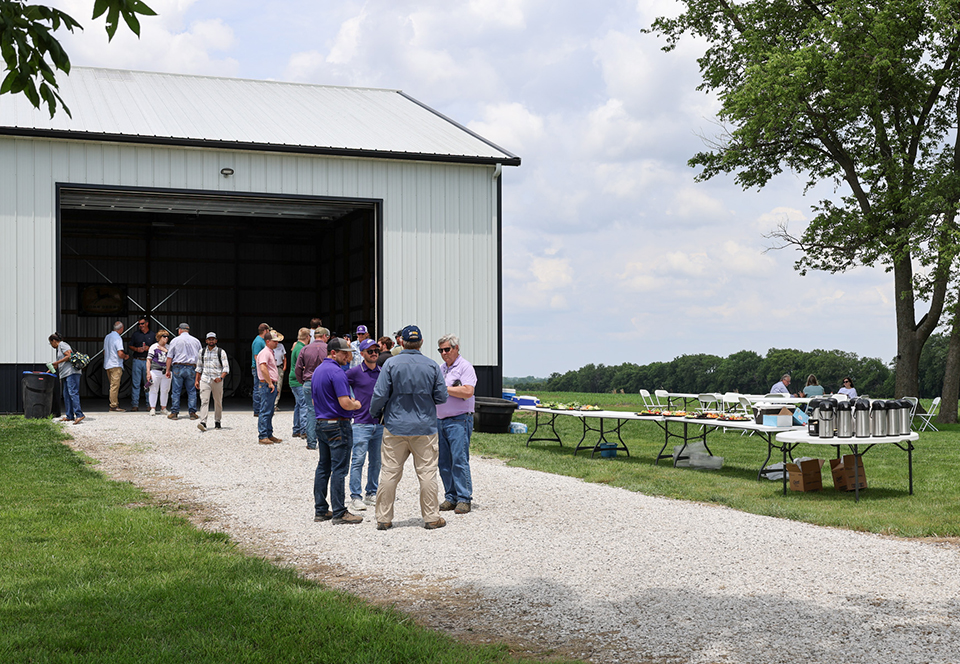
“A major effort of our program is conducting on-farm research with practical on-farm decision-making. These public-private partnerships can strengthen the future of agriculture.”
Chuck Rice
"1% for the Planet is rooted in the belief that every business, everywhere, has a responsibility to invest in solutions so our planet and future generations thrive," said Kate Williams, CEO of 1% for the Planet. "Our core work is to grow corporate support for the organizations delivering these critical environmental solutions so they can create even greater impact. We welcome Kansas State University into our global network of members and impact partners working together to create a thriving future."
1% for the Planet accelerates smart environmental impact so that the planet and future generations can thrive. Founded in 2002, the 1% for the Planet certification is one of the most trusted global frameworks for corporate philanthropy, having certified more than $870 million in contributions to vetted environmental solutions to date. By holding business members accountable to give at least 1% of revenue — not profits — each year, 1% for the Planet ensures that environmental commitments are real, verified and impactful. Look for the logo to purchase for the planet, and learn more or join at onepercentfortheplanet.org.
Related Stories
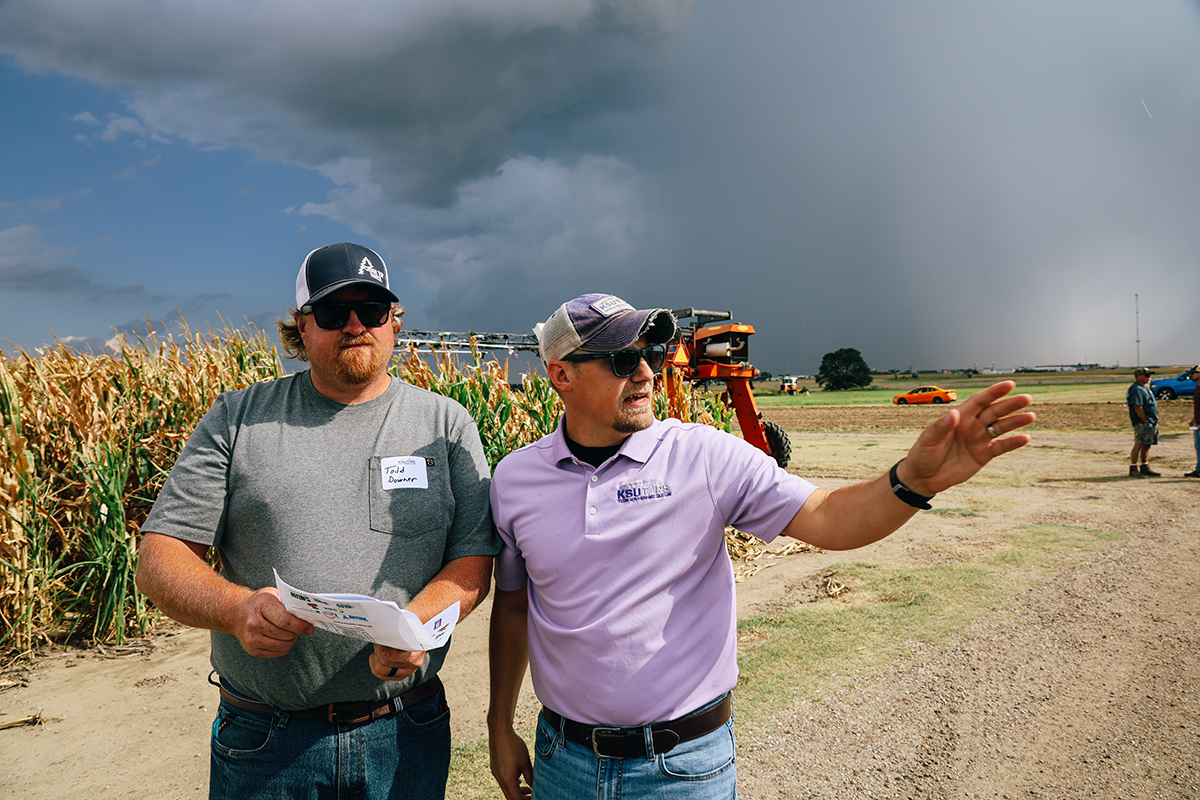
Testing the way we've always done it
Testing Ag Performance Solutions program is helping producers rethink irrigation, measure results and apply lessons about water conservation back on the farm.
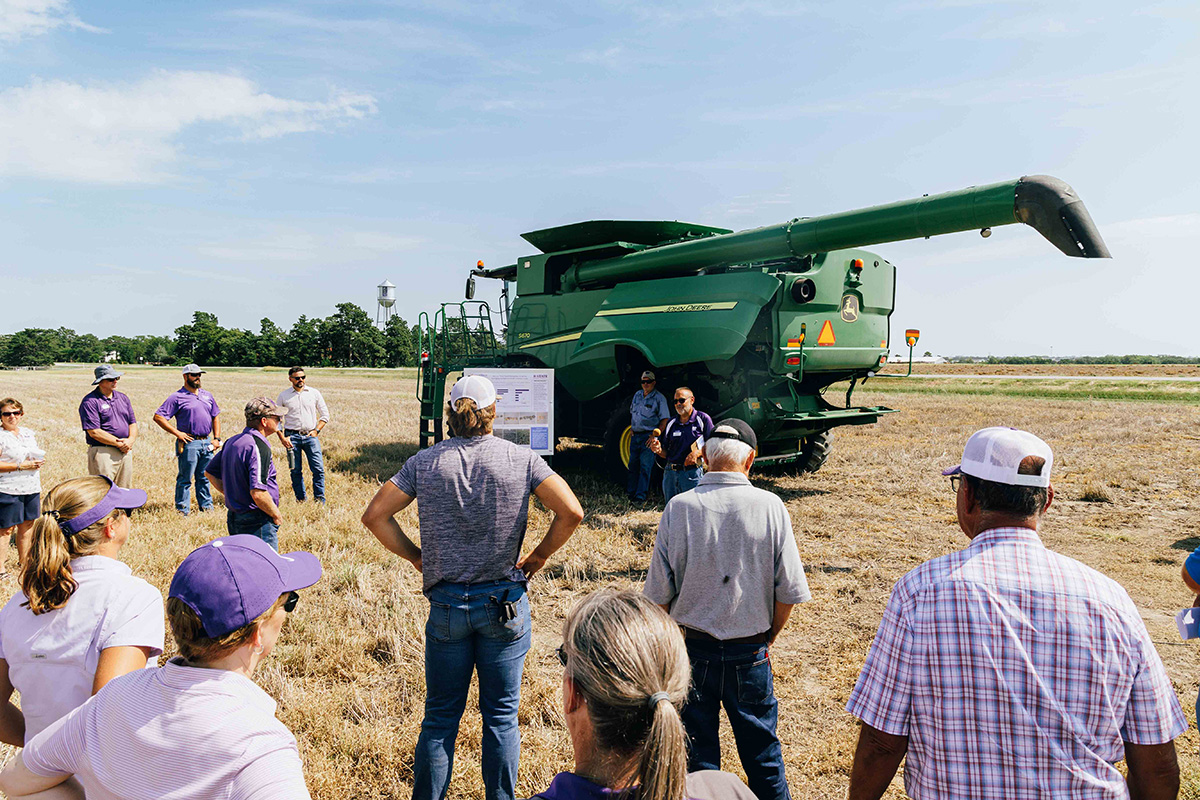
K-State field days connect deep roots of western Kansas research to modern solutions for producers
Upcoming field days in Garden City, Hays and Tribune will bring local community members, producers and agricultural industry partners together with K-State...
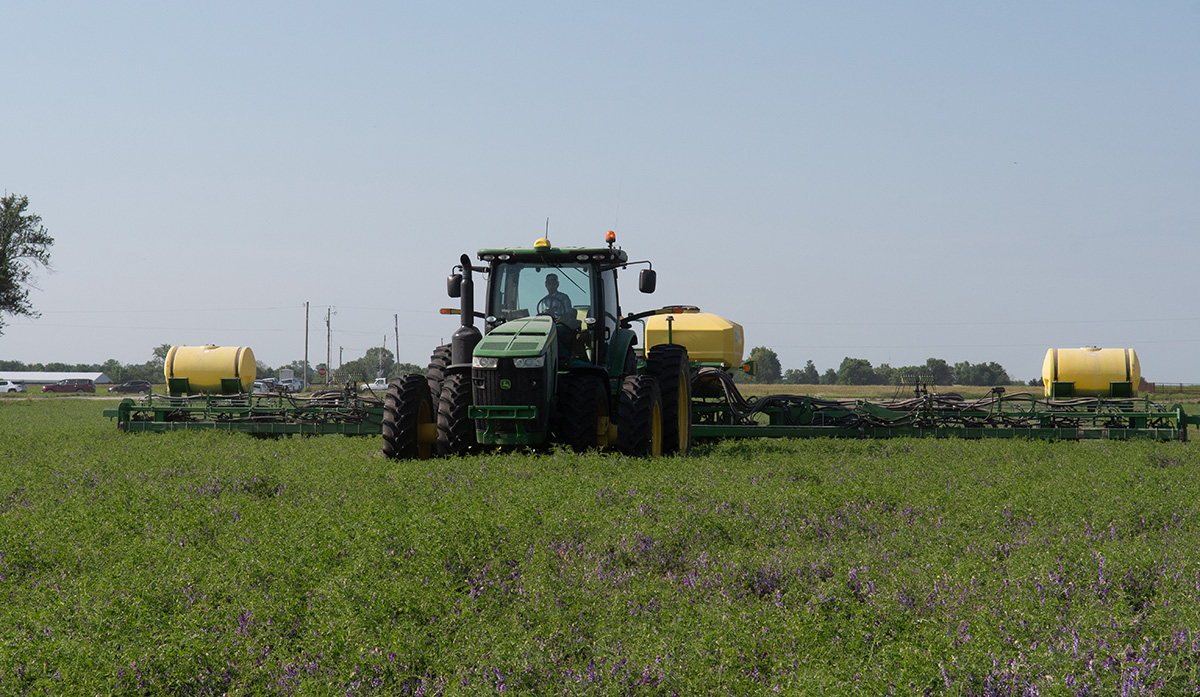
K-State conducts regenerative agriculture research alongside Kansas farmers
As K-State works to advance agriculture, it leverages a network of Kansas farmers, known as the Kansas Soil Health Network, to conduct soil research at seven...