Leading from day one
How K-State’s E-LEAD program is providing engineers with real-world leadership experience
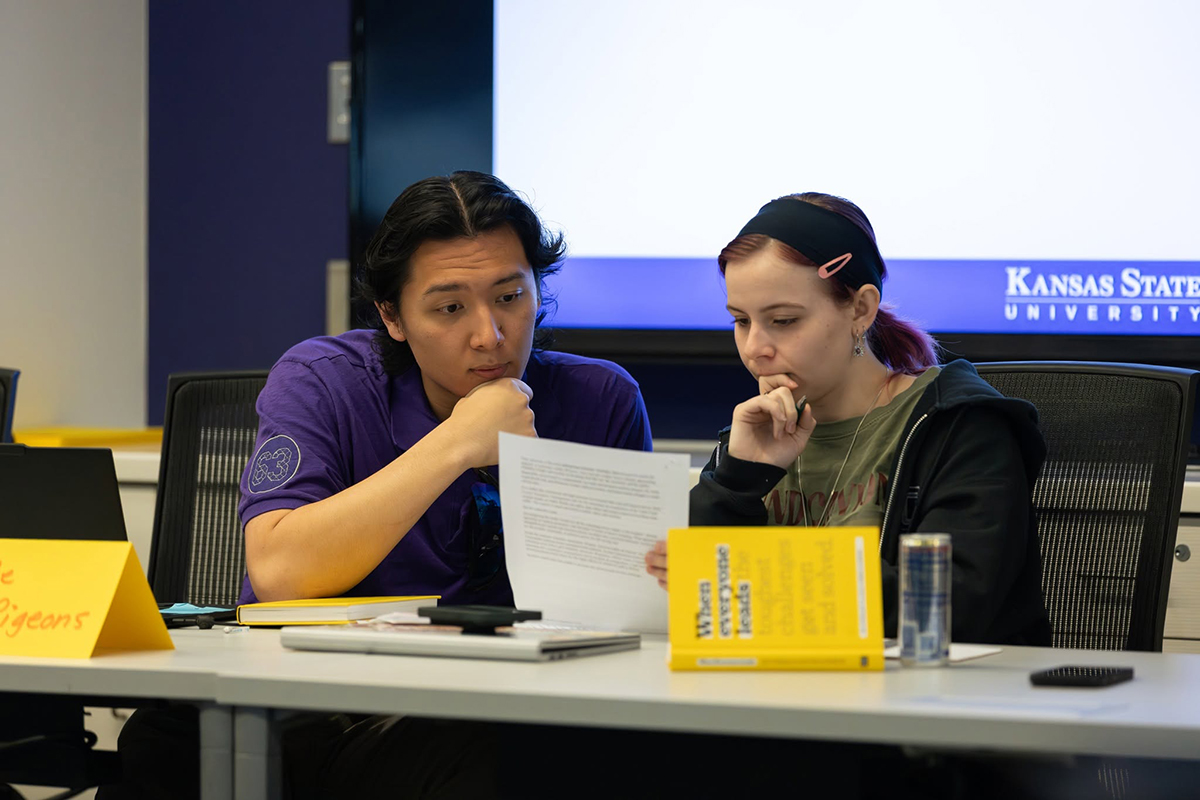
As a partnership with K‑State's Staley School of Leadership and Carl R. Ice College of Engineering, the E-LEAD program gives engineering students hands-on leadership experience through industry challenges, teamwork and peer coaching.

By Grant Guggisberg
Carl R. Ice College of Engineering
Wednesday, Aug. 19, 2026
In the world of engineering, technical expertise is non-negotiable. Being able to solve complex equations, design resilient infrastructure or write pristine code forms the foundation of the profession.
But as engineering graduates enter the workforce, they often encounter a subtle, pervasive challenge: being asked to lead, collaborate and navigate human dynamics effectively under real-world pressure.
To bridge this crucial gap, Kansas State University’s Staley School of Leadership and the Carl R. Ice College of Engineering have partnered to reimagine engineering education through the E-LEAD program, which aims to provide the essential leadership skills needed to be an effective leader in the corporate environment.
A modern approach to leadership
E-LEAD isn't a leadership course centered on titles, authority or rigid organizational charts. Instead, it frames leadership as an active, daily practice rooted in real-world human interaction.
"In the past, people thought of leadership as roles and positions in companies," said Keyhan Shams, research assistant professor at K-State and instructor of the course. "This is more about how to exercise leadership on a daily basis as an activity, even when you don’t necessarily have high levels of formal authority."
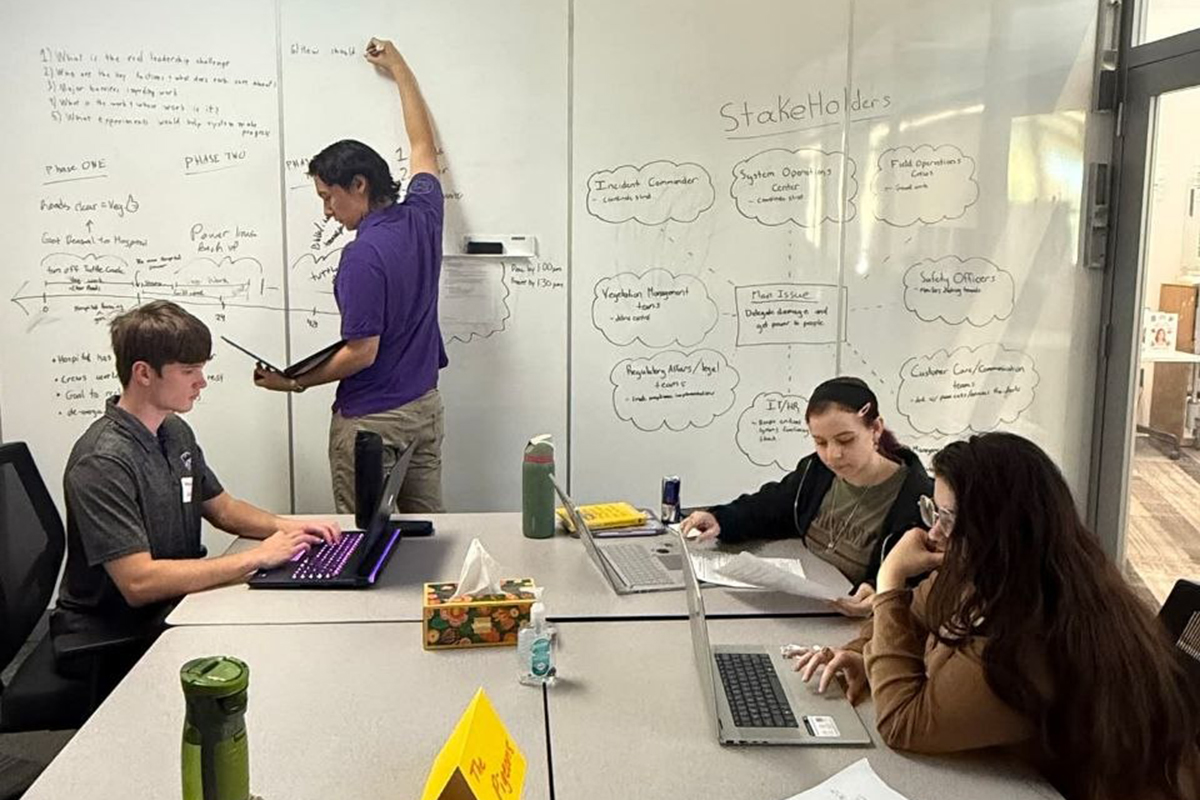
Designed to be a hands-on experience with team projects, peer coaching and a case competition, E-LEAD isn’t structured like a traditional course. Offered as a noncredit course with a microcredential option, the course features five class-wide workshops held throughout the semester, plus additional meetings for each group and a pair of case challenge event days. Throughout each session, E-LEAD aims to build five core mindsets: leadership, experimentation, systems thinking, reflection and collaboration.
While the course integrates leadership principles taught across many courses offered through the Staley School of Leadership, much of the curriculum was built around a needs assessment conducted directly with corporate partners. Industry leaders highlighted a distinct skills gap in traditional engineering preparation, noting that graduates often lack training in navigating interpersonal workplace complexities.
Industry immersion and practical experience
What sets E-LEAD apart is its hands-on collaboration with major corporate partners. Past programs recruited corporate partners to sponsor the curriculum while offering opportunities for students and employers to connect. E-LEAD asks its corporate partners to actively co-facilitate sessions and bring genuine organizational cases directly into the classroom.
These real-world industry challenges are brought to the forefront in the course’s capstone case challenge event. In spring 2026, energy provider Evergy presented participating teams with a complex ice-storm emergency-response scenario that required swift, high-pressure problem-solving, strategic communication and effective teamwork far beyond technical calculations.
Ethan Henry, project manager for Evergy and corporate participant, said the experience was incredibly rewarding.
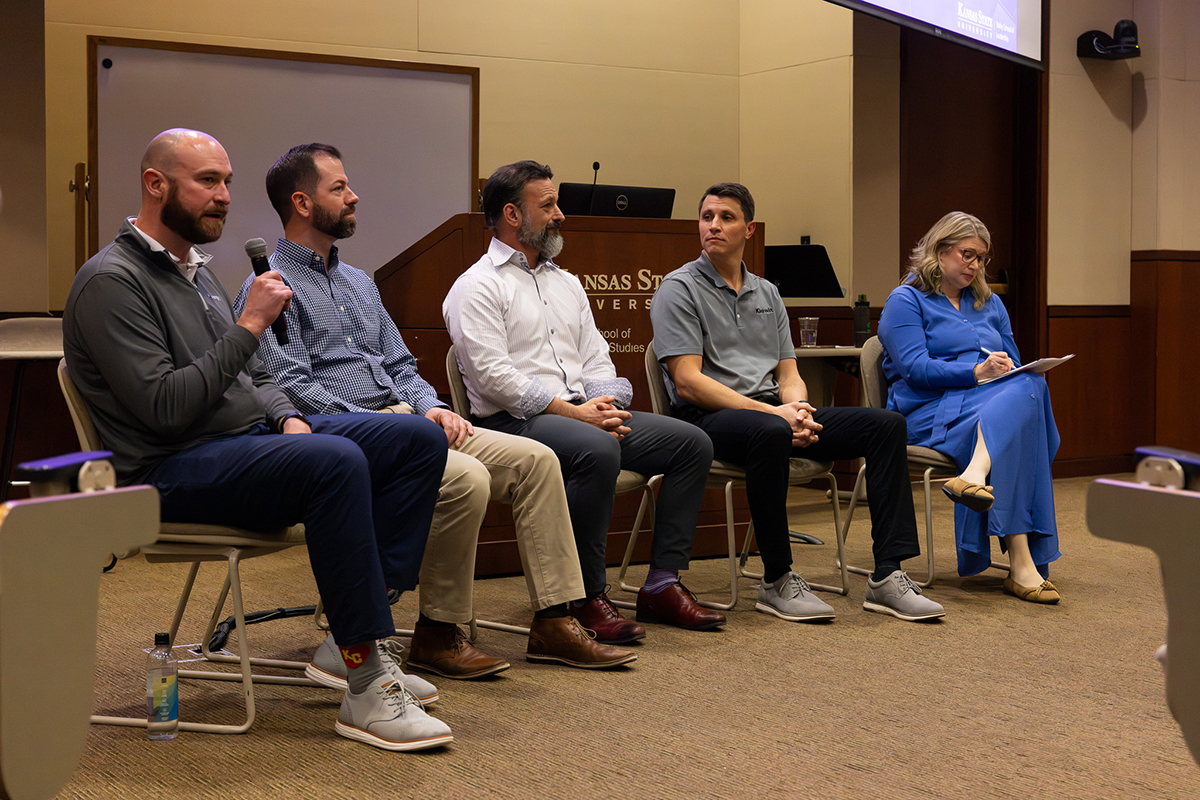
“I had the opportunity to introduce a real-world Evergy case challenge, mentor students through the process and ultimately serve as a judge,” he said. “What impressed me most was watching the students grow in their ability to identify stakeholders, navigate competing priorities and develop solutions to complex leadership challenges. Those skills are essential in our utility industry, where success often depends on bringing people together to solve complex problems that don't have simple answers.”
To support students through this intensive experience, the program integrates peer mentorship. Student teams are paired with undergraduate engineering leadership coaches enrolled in the Staley School’s leadership certificate program. These coaches facilitate team prep, receive specialized capacity-development training and guide their groups through the competition experience.
Mutual benefits for students and employers
For engineering students, E-LEAD can make an impact on their value in the marketplace. Having these essential skills enables students to articulate their strengths, demonstrate how they collaborate within multi-disciplinary teams and advocate for themselves in job interviews while differentiating themselves from candidates with similar expertise. They learn not only how to solve technical problems, but how to work alongside the people behind those problems.
For Robbie Brehmer, senior in mechanical engineering and nuclear engineering, Junction City, the biggest lesson learned from the course was the idea that everyone can lead.
“Leadership doesn’t always have to come from one person at the top,” he said. “When everyone recognizes that they have something to contribute and takes responsibility for leading where they can, a group can overcome challenges that might seem impossible for one person alone. That idea really changed how I think about leadership.”
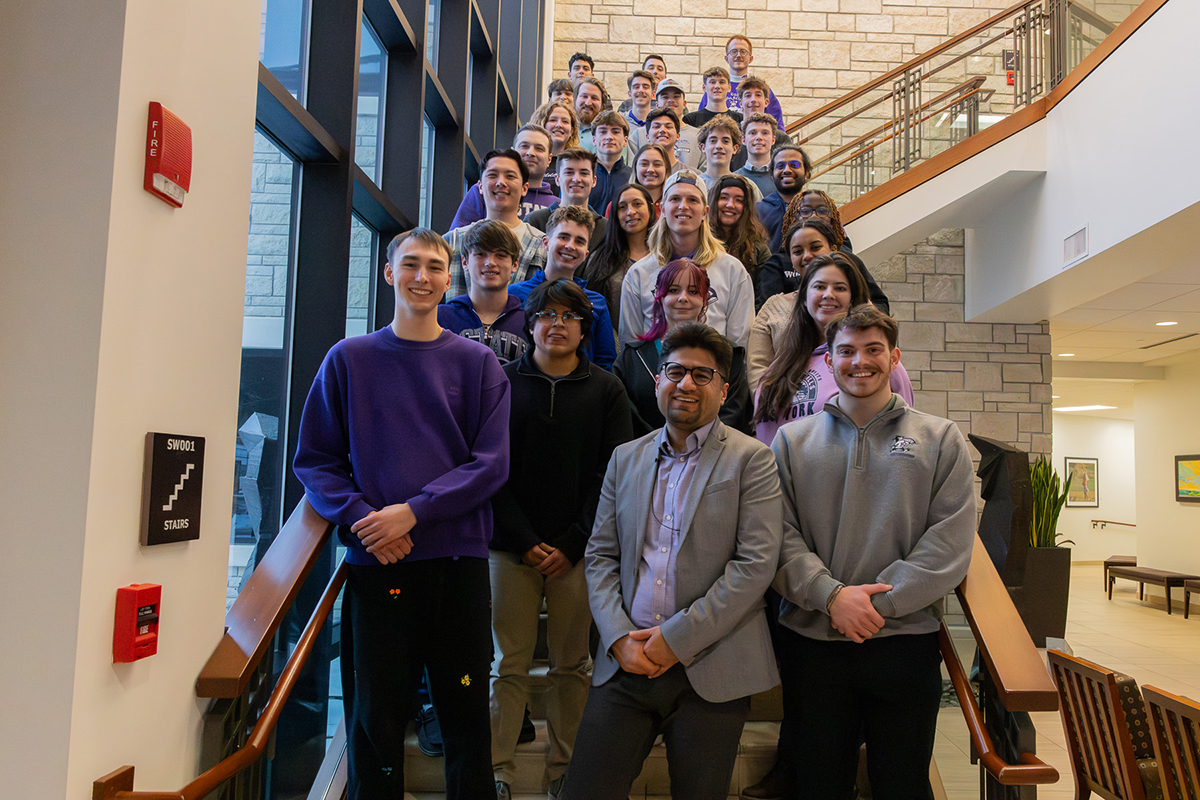
In the case of Amy Styles, senior in biomedical engineering, Komani, South Africa, E-LEAD was her first introduction to a formal leadership course.
“My biggest takeaway was learning how to work within a team and communicate effectively,” she said. “We were taught how to react during stressful situations, and I believe these skills will continue to help me in future group projects.”
While the benefits to students are clear, for corporate partners and employers, the program delivers day-one-ready talent. Companies gain direct access to ambitious engineering students while actively shaping a talent pipeline trained with case studies from real-world operational environments. Employers receive engineers who can navigate conflict, build consensus and lead project teams without requiring investment in additional leadership trainings.
Looking ahead to 2027
Building on the success of its initial pilot cohort in spring 2026, which hosted 32 participants, E-LEAD is scaling up for 2027.
To accommodate more students, the program is transitioning to five structured, multi-hour modules spread throughout the semester.
With a goal of recruiting 75 students for the upcoming cycle, E-LEAD continues to expand its reach across the Carl R. Ice College of Engineering, equipping the next generation of engineers to build not just better technical systems but better team-dynamic cultures.
Related Stories
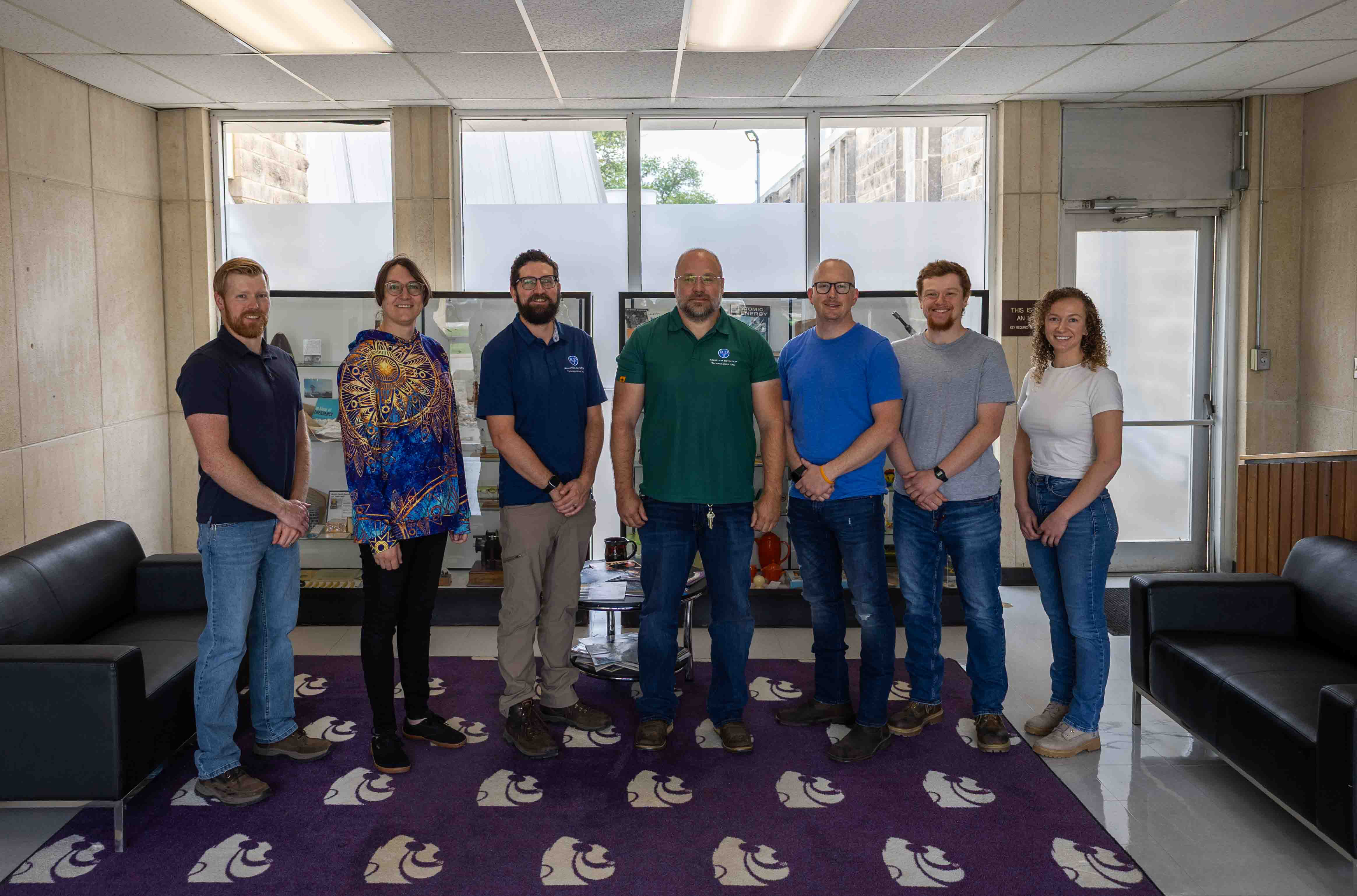
Homegrown
Homegrown, in every sense. Steve Bellinger's path from the family farm to a K-State lab to founding his own company is proof that big ideas, and K-State grads,...
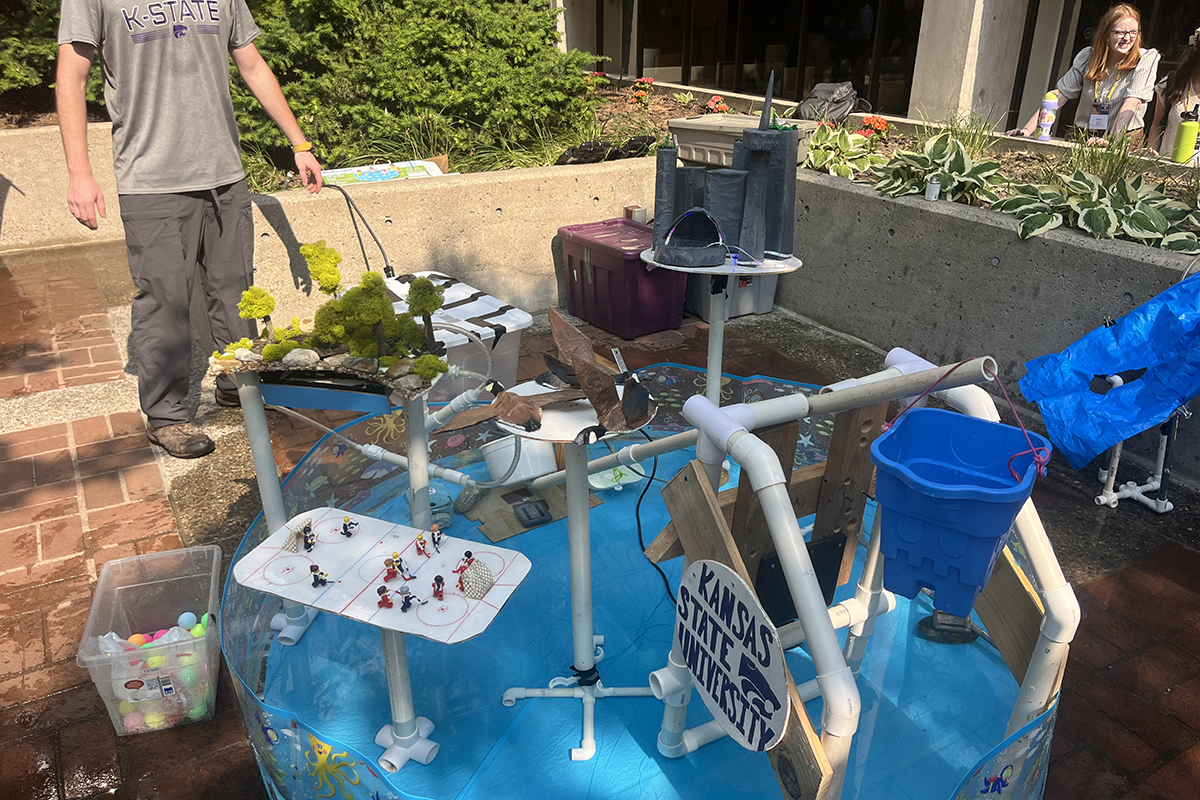
High-stakes engineering in a kiddie pool
Mixing high-stakes engineering with an Indy 500-themed backyard kiddie pool, a team of K-State students is hoping to return as champions again from the hands-on,...
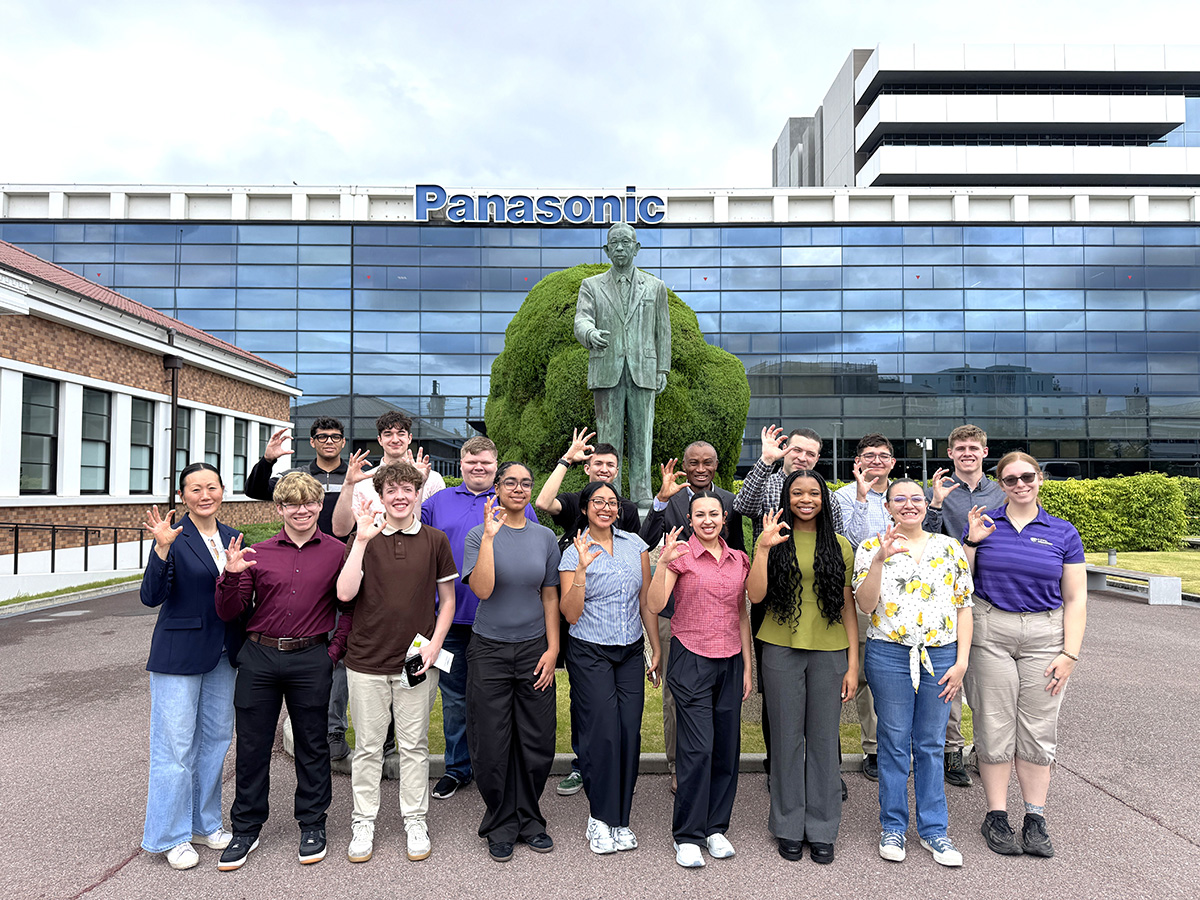
Engineering a global perspective
A two-week study abroad course challenged students to connect engineering, sustainability and cultural perspectives while building confidence as future professi...