Engineering a global perspective
K-State students experience applied learning in Japan
By Loren Miller
Applied Learning Experiences
Monday, July 6, 2026
How do you turn an entire country into a classroom? For 15 Kansas State University students, the answer began with a train card.
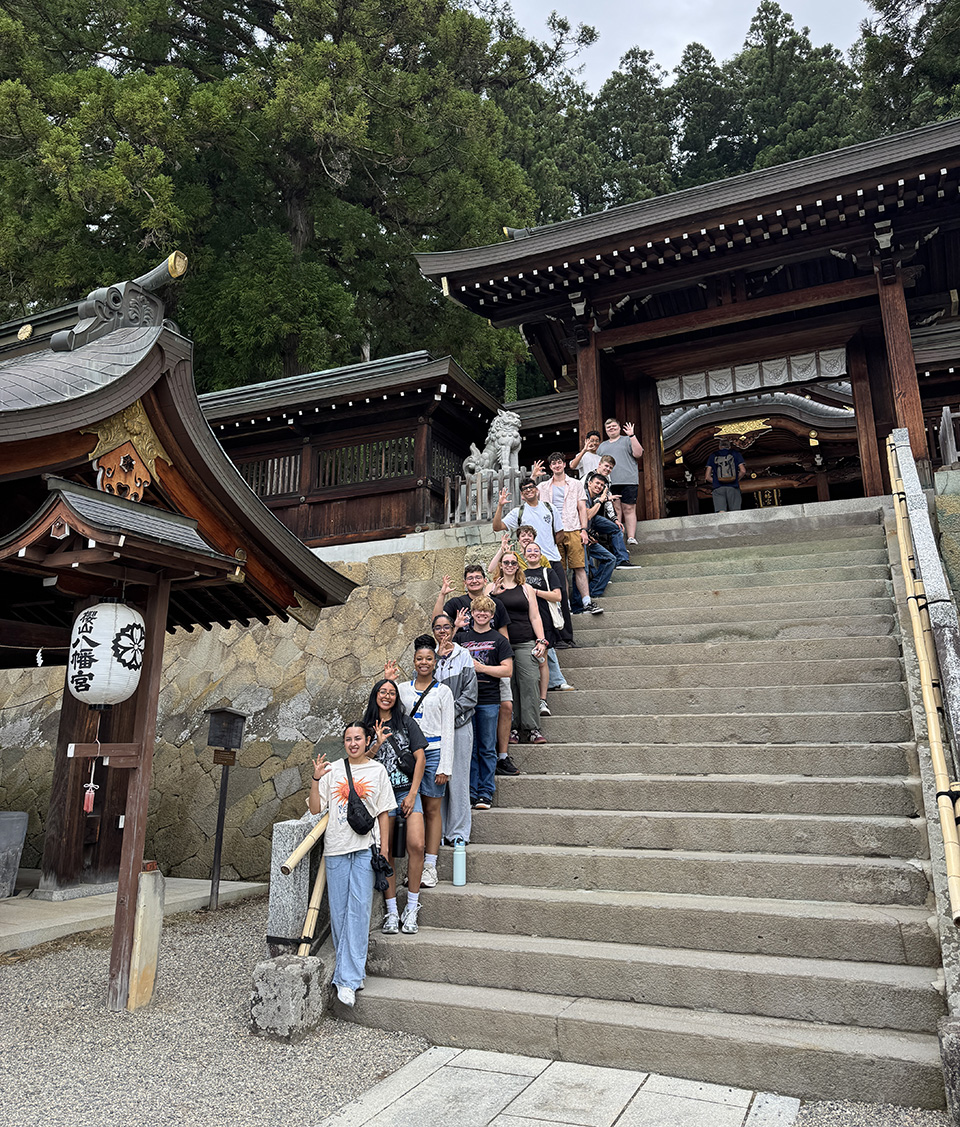
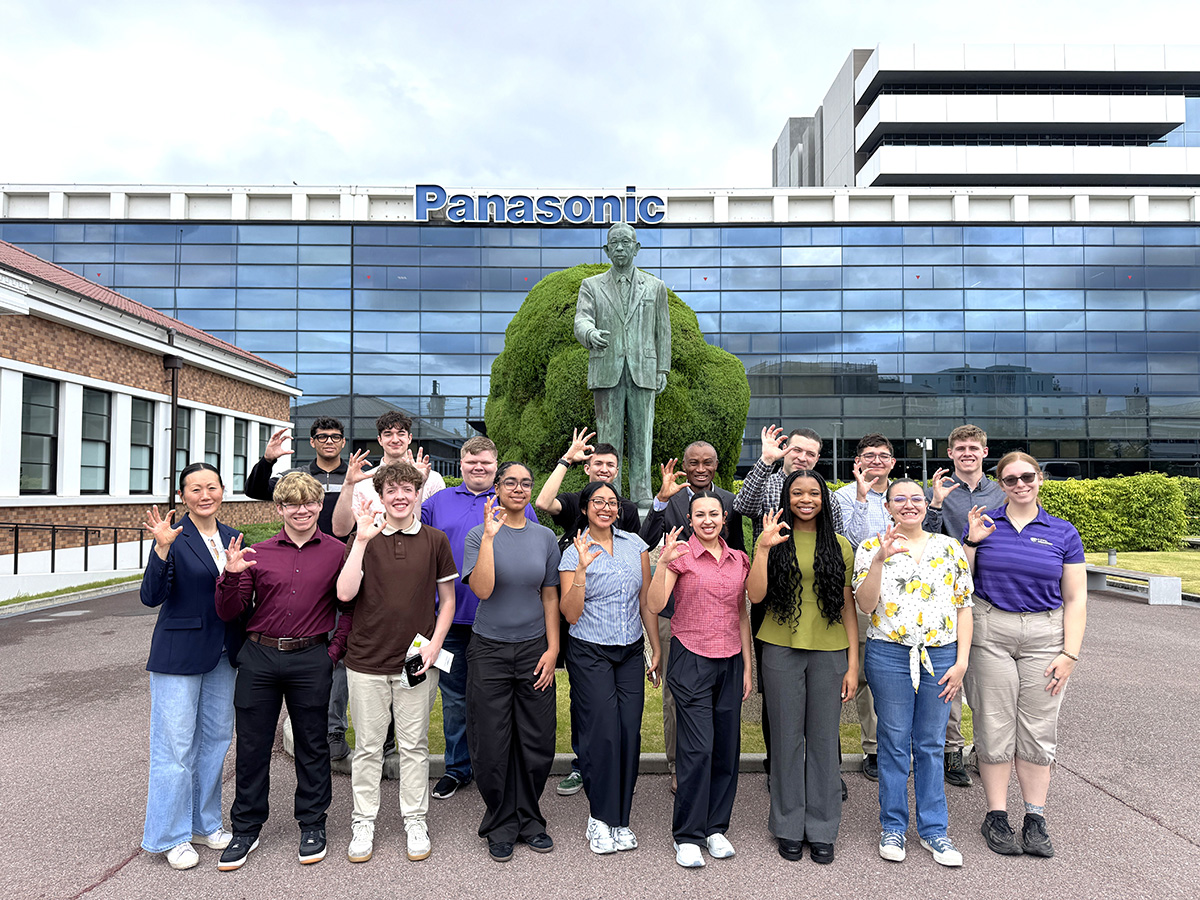
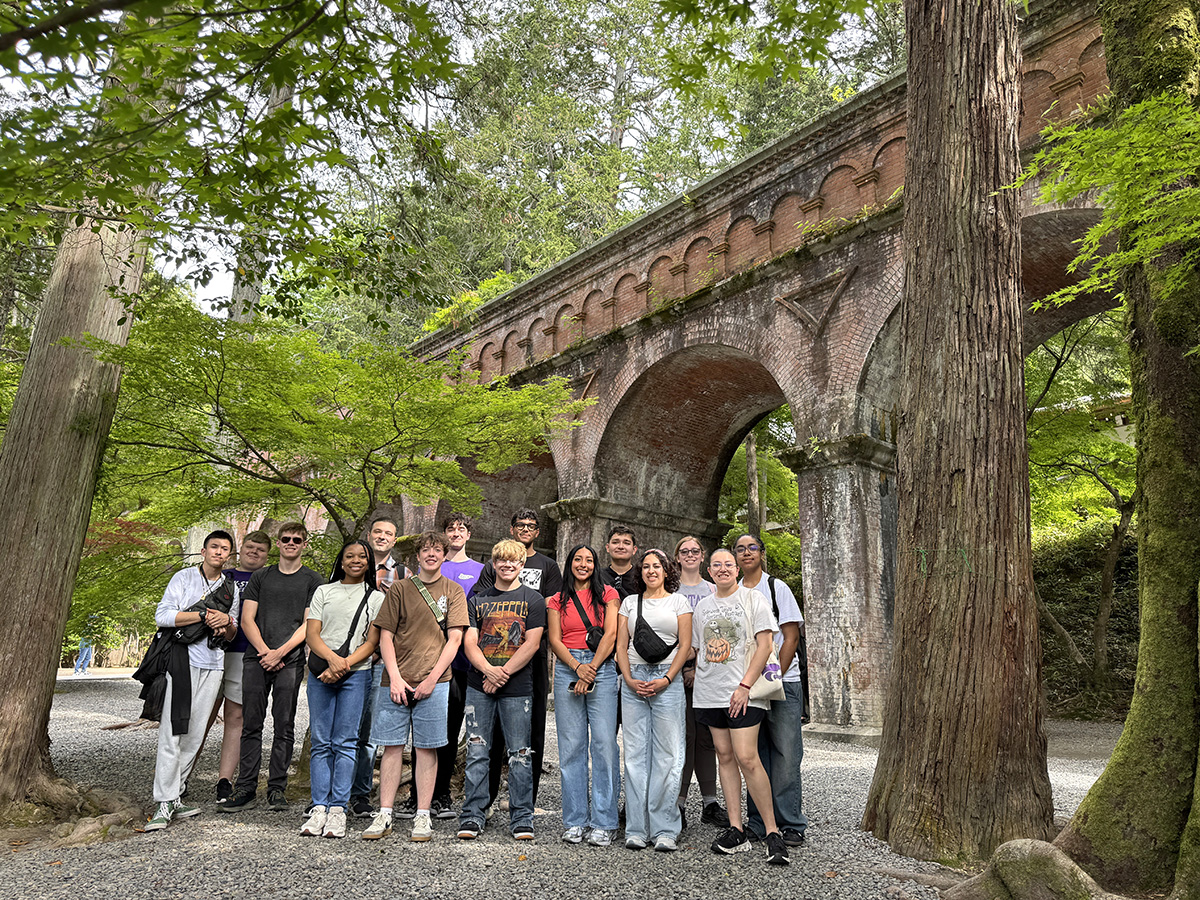
From May 18 to June 4, K-State students turned Japan's rail network into a pathway for discovery as part of the DEN 398: Global Engineering in Japan study abroad course, exploring engineering sites and architecture ranging from ancient temples to cutting-edge facilities while interacting with locals and using public transportation.
Each day ended the same way: students paused to reflect on what they experienced, what they learned and why it mattered.
Led by Ayumi Amama, Dow director and instructor in the Carl R. Ice College of Engineering, the course followed the university's Applied Learning Experiences, or ALE, framework —emphasizing intentional reflection, mentorship and the connection of academic goals to lived experiences — which Amama adopted after attending an ALE Faculty Workshop Series session.
Bridging life and learning
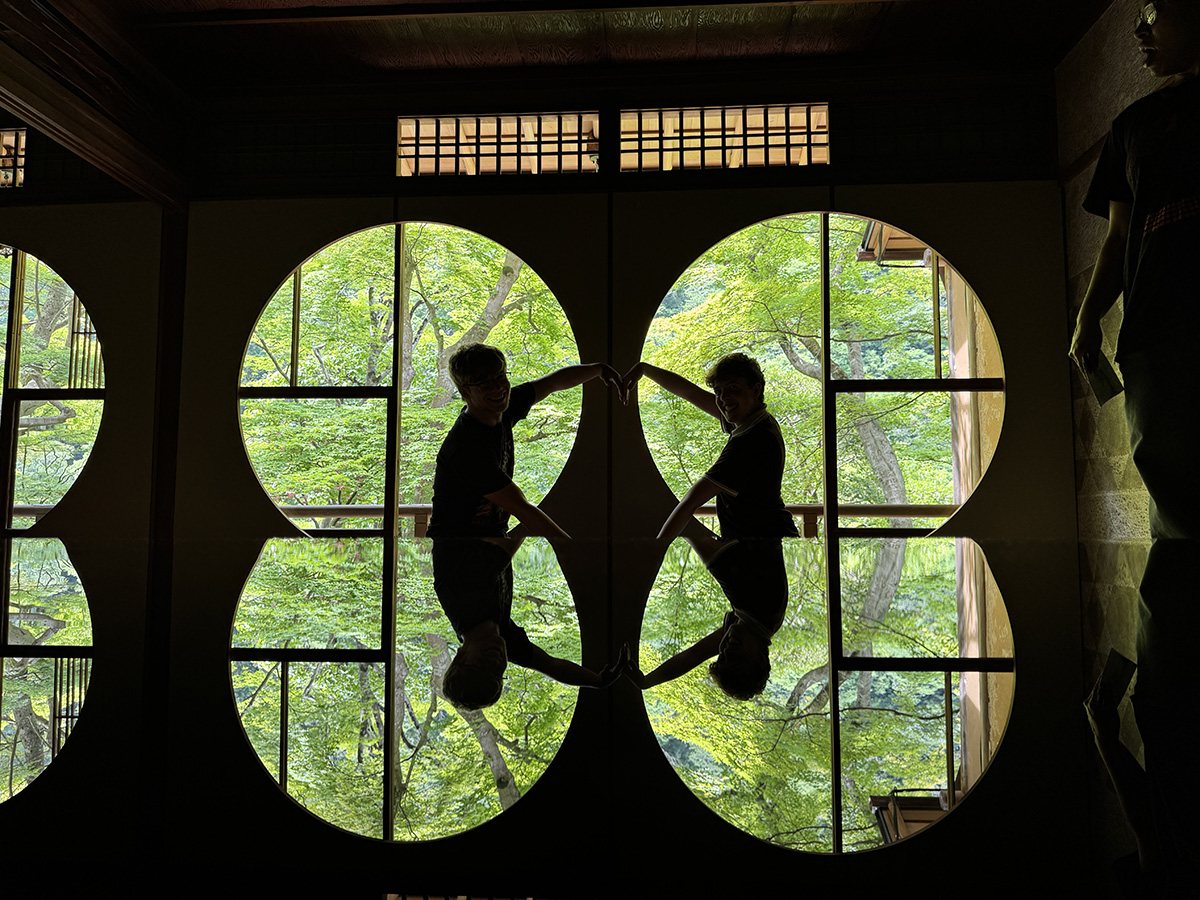
Students traveled across Osaka, Nara, Kobe, Kyoto, Takayama, Nagoya and Tokyo, with each stop aligned to course themes including sustainability, engineering design and cultural context.
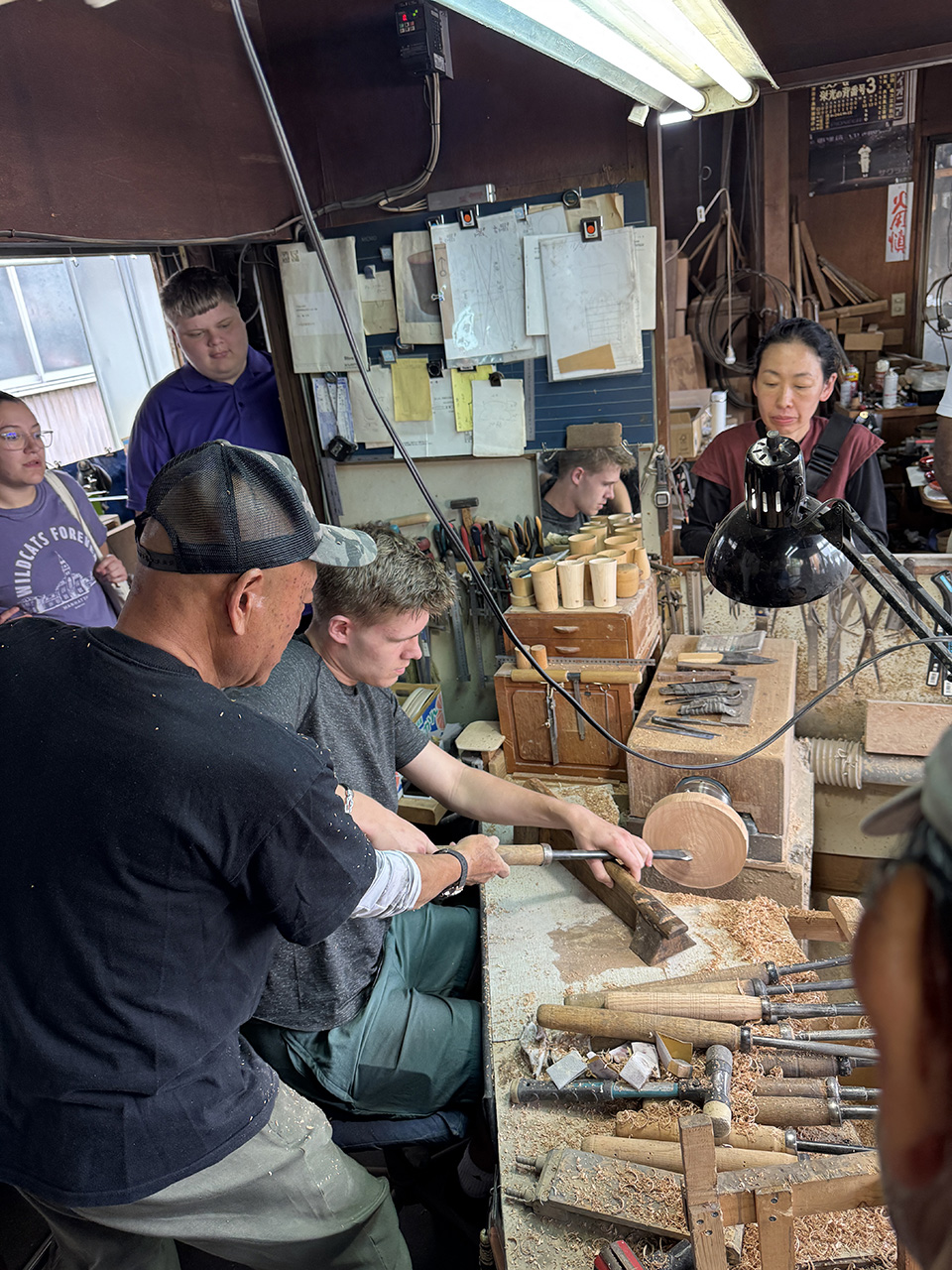
Throughout the experience, students broadened their perspectives on problem-solving, engineering design and affordance design while discussing their ethical and professional responsibilities as global citizens.
At the end of each day, students documented their experiences through written, voice or video reflections before participating in structured one-to-one mentorship meetings with Amama.
Amama, who has long emphasized immersive, experience-based instruction, said the ALE framework strengthened the course by giving students dedicated opportunities to connect each day's experiences to the course's learning outcomes.
"The journaling part of the curriculum was very effective," Amama said. "Connecting what they were experiencing with the learning outcomes really helped them to be intentional."
Engineering in practice
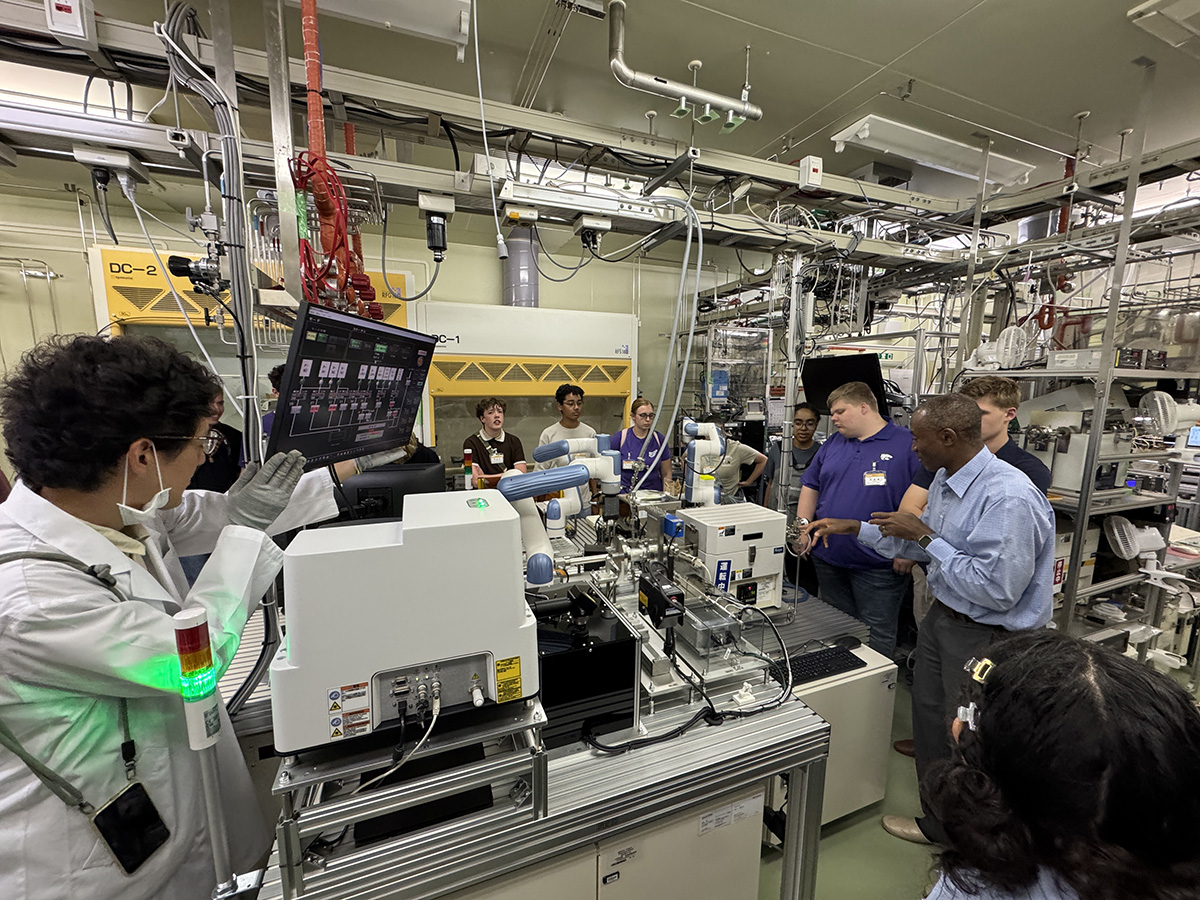
Beyond the classroom, students engaged directly with engineering through visits to industry and research sites, including Panasonic Energy, the National Institute of Advanced Industrial Science and Technology, the Tokyo Sky Tree, and Toyota. These experiences helped connect technical learning to real-world systems and decision-making.
For Tianna Andrade, a junior in mechanical engineering, the visits reinforced her understanding of how engineering functions outside the classroom.
"I learned how engineering choices directly impact community resilience," Andrade said. "These experiences made it easier for me to see that I want to be the kind of engineer who creates sustainable, human-centered systems."
One of the students' most defining experiences followed in Kobe, where they saw firsthand how engineering and human experience intersect in practice.
At the Great Hanshin-Awaji Earthquake Memorial, students examined the lasting impact of the 1995 earthquake that devastated the city and reshaped its future development. Amama, who experienced the earthquake firsthand, described how recovery extended beyond infrastructure to include community rebuilding.
"The city came back not just with engineering and rebuilding, but also people supporting each other," she said. "So many lives were lost, but those who remained came together to revive the city they loved."
For students, the visit reframed engineering as something embedded in lived experience, showing how human resilience connects to long-term community recovery.
Learning across cultures
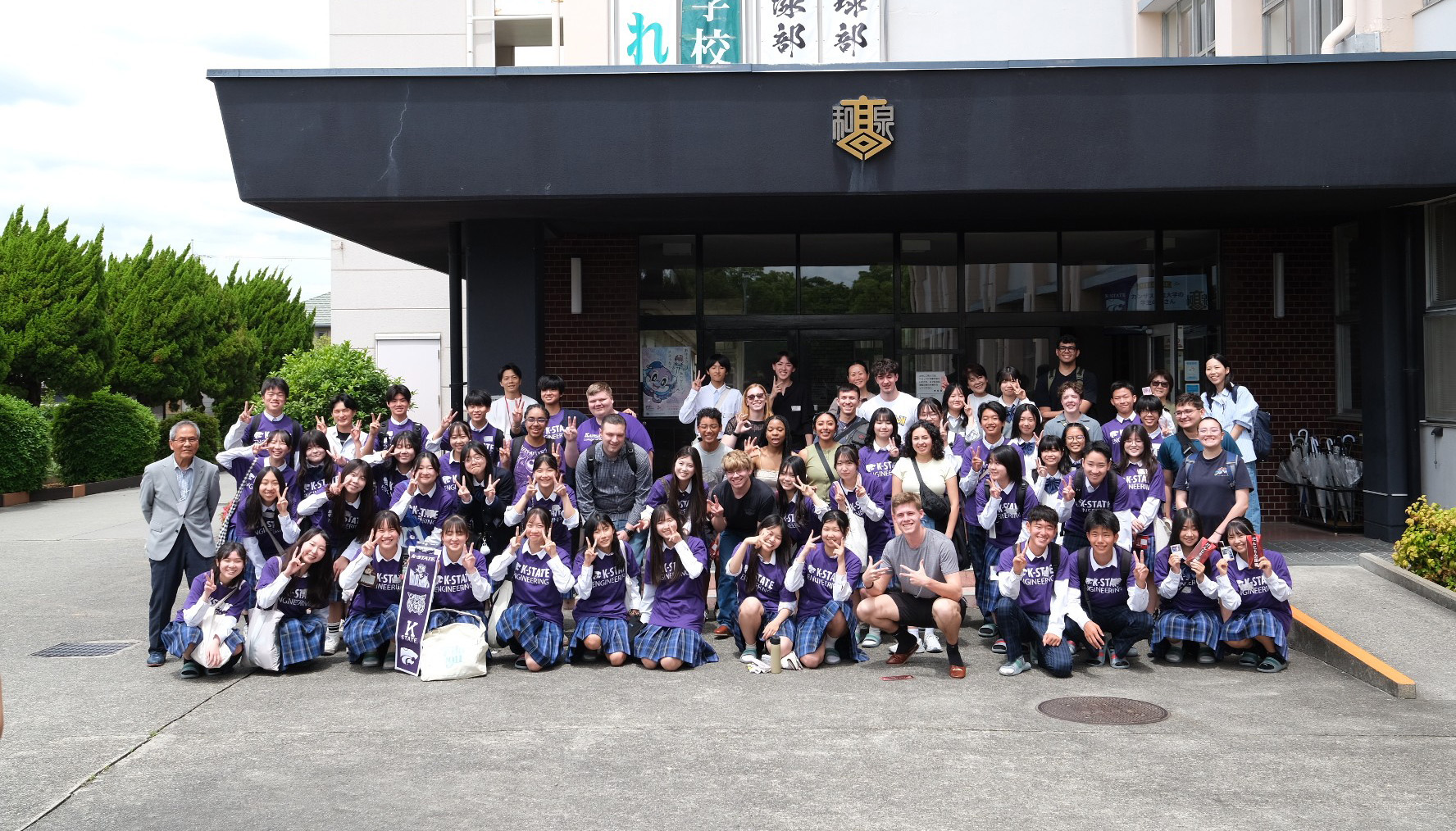
In Tokyo, K-State students joined peers from Waseda University for a sustainability symposium focused on environmental challenges and solutions.
Through interdisciplinary, cross-cultural collaboration, students expanded their understanding of how sustainability is approached globally and considered new ways their work can create meaningful impact.
"I gained a deeper understanding of how engineering is practiced outside of the U.S.," Andrade said. "You have to leave the bubble you are in to experience other perspectives."
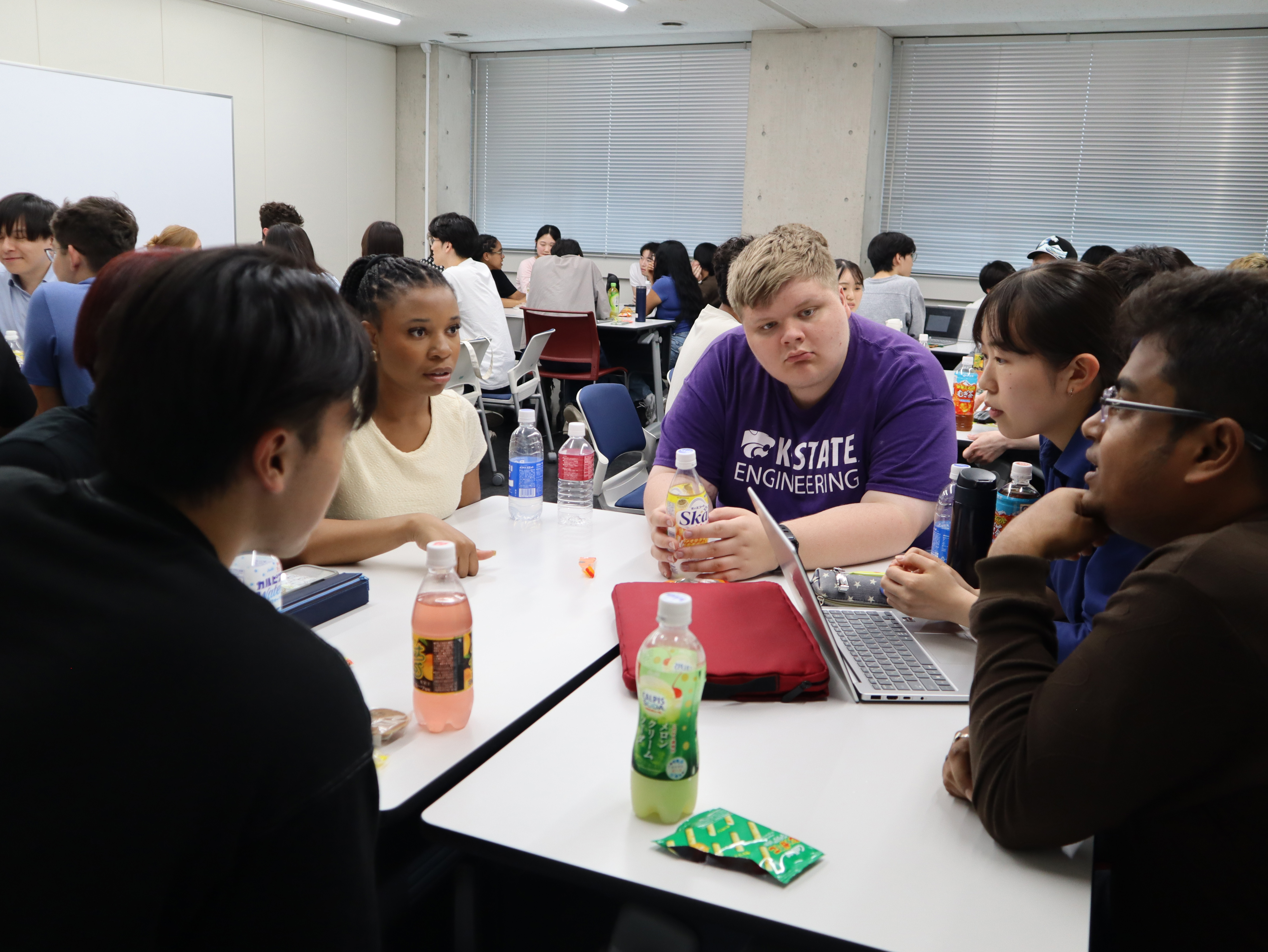
Sahar Aruk Bissong, a senior in chemical engineering, said the experience also opened her eyes to new career possibilities.
"Talking with their graduate students about sustainability and touring their labs showed me what I could possibly do in the future," Bissong said.
A broader perspective
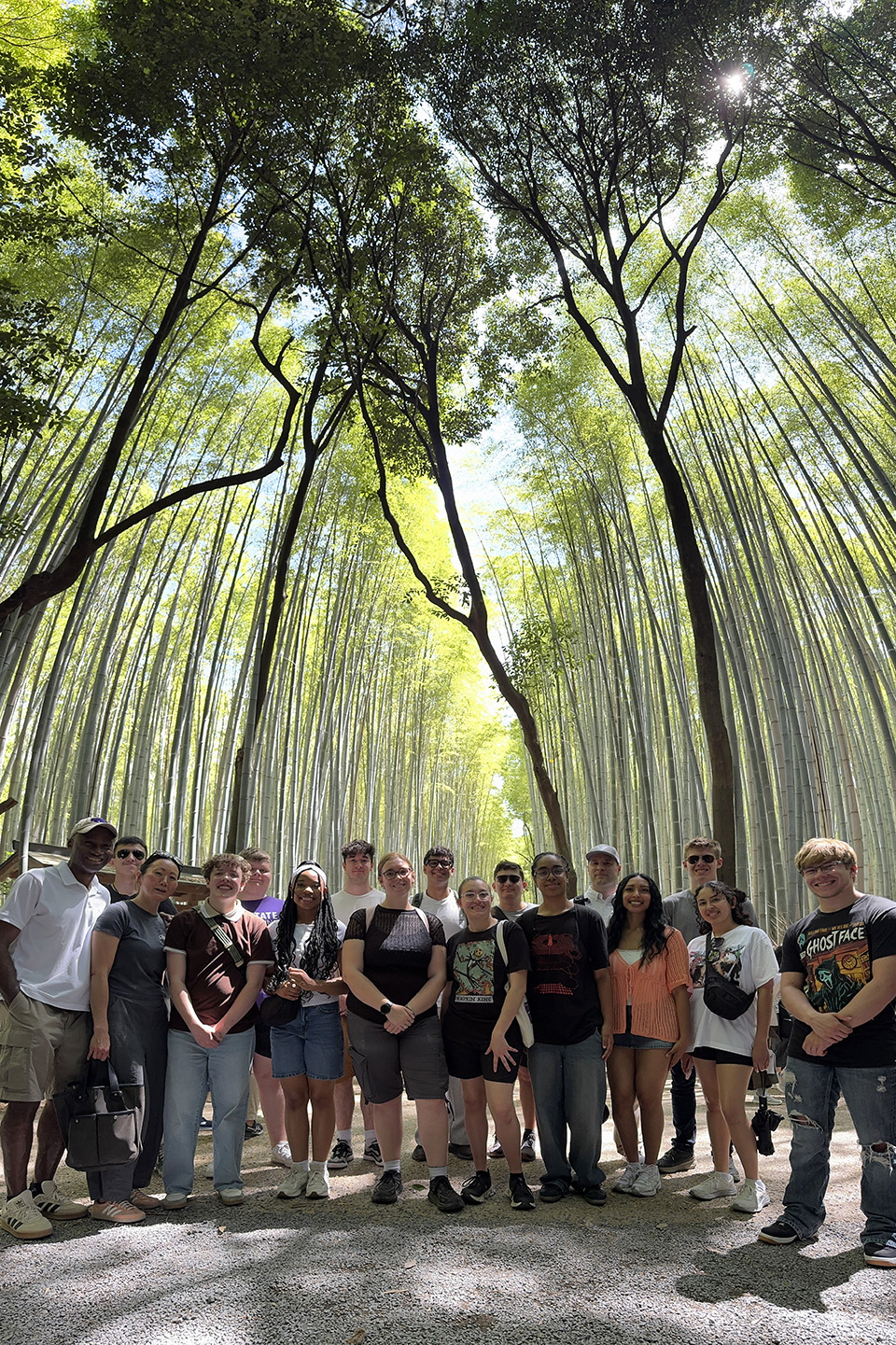 Bissong said she entered the experience with goals to strengthen her communication skills, collaborate across cultures and reflect consistently — goals she said were strongly supported by the course's structure.
"Reflecting every day helped me not only remember and understand what I was doing, but why I was doing it," she said.
She said the experience also strengthened her adaptability while navigating unfamiliar environments and collaborating with people from different backgrounds.
"Communication and patience were key," Bissong said. "I learned how to adjust when things didn't go as planned."
Andrade said her hopes were to link classroom concepts to professional practice while building her confidence in unfamiliar settings. Through mentorship, she said, the trip delivered both.
"Working with my professor was one of the highlights of the trip," Andrade said. "As she guided us through each experience, she helped us make connections we may not have seen on our own."
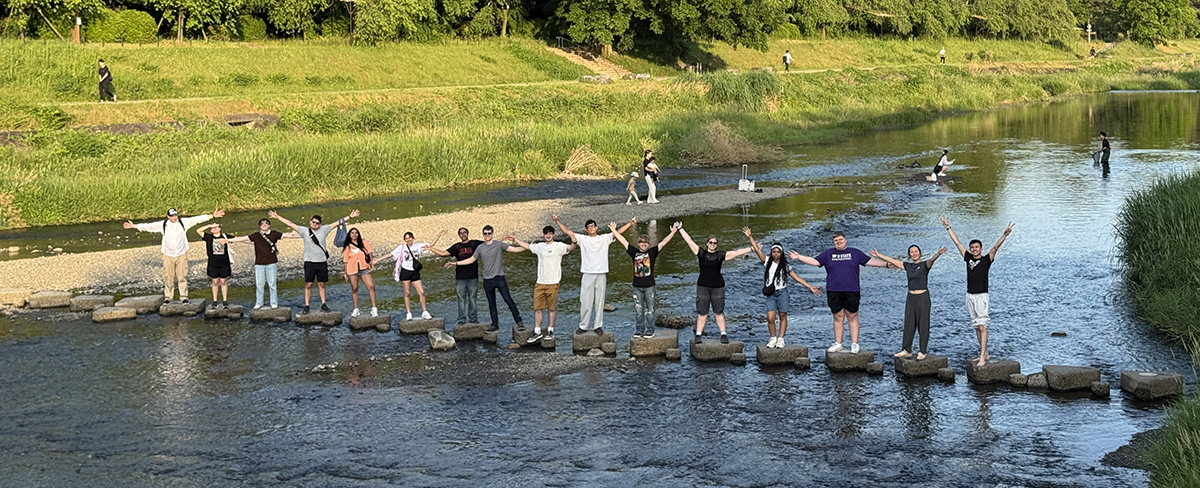
As Amama reviewed students' reflections after returning home, she noticed a clear difference in their perspectives.
"They grew in the understanding that where they live is just one point on Earth," she said. "We are borrowing from future generations, and we are responsible for taking care of the Earth while meeting our needs."
Related Stories
Healthcare from classroom to community
Through the Applied Behavioral Health Counseling course, students apply classroom concepts during health coaching sessions with real clients from the community.
From studio to storefront
Three students put their creative skills to the test through an internship with Spot Fire Press and the Flint Hills Discovery Center. Using printmaking equipment...
The sound of rural school music
What started as a small independent study is now a thriving certificate program at K-State. Students in the newly-created instrument repair certificate and...