Healthcare from classroom to community
Applied Behavior Health Counseling course at K-State helps students turn textbook skills into real-world solutions

By Loren Miller and Malorie Sougéy
Kansas State University
Friday, May 15, 2026
Future healthcare providers can learn much of what they need in their courses; however, a critical piece of preparation for the field — interaction with actual human clients — is often missing from the classroom experience.
That's not the case in Kansas State University's College of Health and Human Sciences.
Kinesiology students at K-State have a unique opportunity to take a hybrid course where they learn healthcare strategies and skills in the classroom, collaborate with working healthcare professionals at local organizations and put that knowledge into practice with community clients.
Hybrid course prepares students for health behavior counseling
Through the Applied Behavior Health Counseling course, students partner with local health providers to connect with real clients. Before connecting with community members for health coaching, students must undergo intensive preparation.
That's where Emily Mailey, associate professor of kinesiology, comes in. She designed the Applied Behavior Health Counseling course — with support from an Applied Learning Experiences grant — to teach students an approach that provides an authentic experience and skills vital for medical careers.
"We talk about these concepts and do applied projects in other classes, but I always felt it would add more value if students could actually meet with people to practice these counseling processes," Mailey said. "Before, we discussed these skills theoretically."
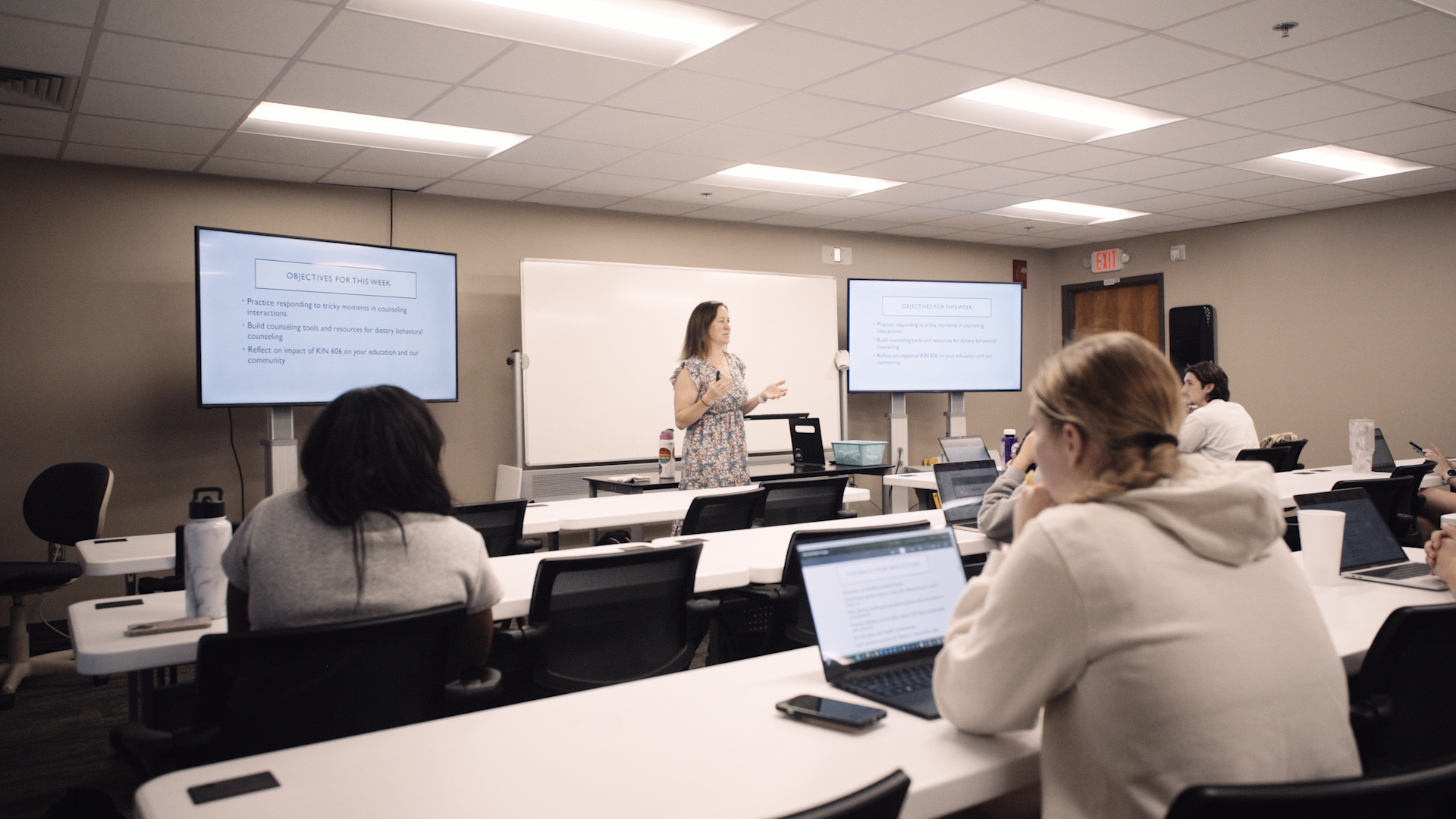
Health behavior counseling uses a collaborative, client-focused approach, and Mailey teaches her students how to adapt goals and problem-solving methods to individual clients' needs. Students learn to focus on physical activity while also helping clients improve their sleep, manage stress and strengthen social connections.
"We use motivational interviewing, an approach that recognizes the individual is in control of their own life and behavior," Mailey said. "It supports a person's autonomy and lets them take the lead in identifying goals and challenges."
Mailey and her students have also developed behavior change tools, including worksheets for people at different stages of change. This helps students practice beginning-level counseling and effective communication with people from diverse backgrounds.
Students started the semester with core concepts, practicing counseling skills and problem-solving in the classroom. Then they prepare for community clients by shadowing professionals at assigned sites.
Kinesiology students partner with local health providers for an authentic experience
Several local health providers work with Mailey and her students during the Applied Behavioral Health Counseling class. Partnering organizations this semester included Stormont Vail Health, Ascension Via Christi, Lafene Physical Therapy, the Manhattan Senior Center, Maximum Performance Physical Therapy and Fitness, and Meadowlark Hills.
By working with these local organizations, K-State students learn from professionals in the health field, develop connections with the organizations and experience the pace of life in the world of health professionals.
STUDY KINESIOLOGY
Explore how you can provide patient support like never before in K-State's kinesiology program.
"The purpose of shadowing is for the students to learn a bit about typical operations at the site and observe providers interacting with patients at the site," Mailey said. "In many cases, students also interacted with patients while shadowing. Providers encouraged the students to tell the patients about the goals of the course, which prompted some individuals to sign up for counseling."
After completing their initial shadowing, students transition to working directly with clients. Community members indicate interest in the program to their healthcare providers, and the partner sites share that information with Mailey, who in turn passes it along to her students.
These sites actively present the coaching service to clients. The 12 K-State students currently in the course have met with 40 clients in 30- to 60-minute sessions at sites across Manhattan.
Student-client collaboration brings mutual advantage
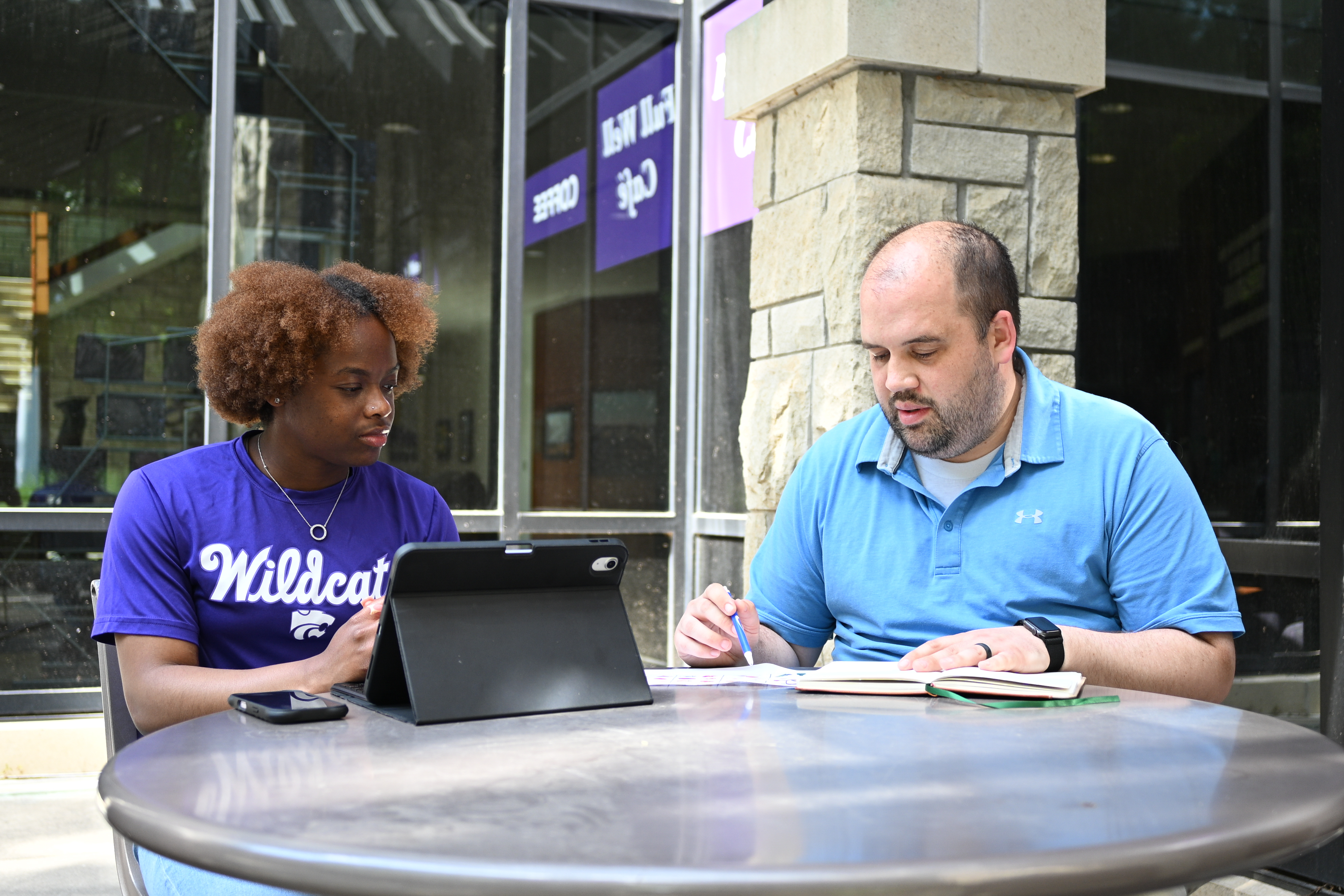
Daniel Funk, a senior in kinesiology, enrolled in the class to strengthen his people skills before heading to physical therapy school. This semester, he has worked with three clients, checking on their progress, prompting self-reflection and brainstorming solutions to problems they identify.
"By identifying and talking through barriers, we generate practical next steps," Funk said. "We used open-ended questions, self-reflection, positive reinforcement and a confidence scale."
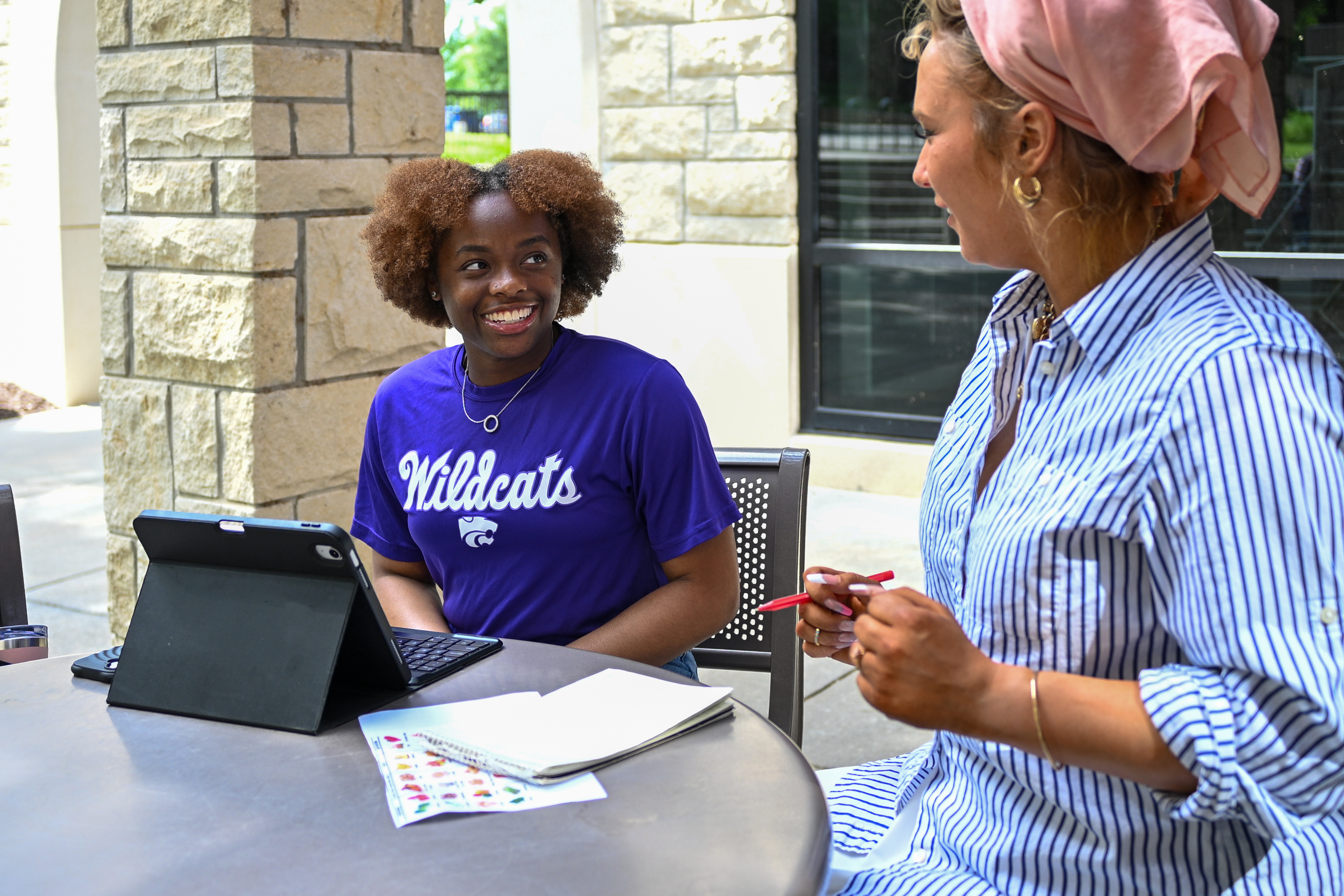
Funk said his experience in the course has prepared him to practice physical therapy, especially because of the emphasis on client interaction in the field. Applied Behavior Health Counseling showed him that in addition to providing medical advice, healthcare professionals also share guidance and motivation specific to the client, which requires an understanding of the person gained through communication.
"One of the biggest challenges in healthcare is bedside manners," Funk said. "Being personable and prepared goes a long way with patients — often, people remember how their doctor treated them more than what they said."
One client who met with a K-State student this semester echoed Funk's sentiments, saying they remembered more than just the motivation and guidance shared with them.
"The student is an excellent communicator, and they kept notes from all our meetings and would ask questions related to what we talked about previously," the client said. "They had great ideas for ways to motivate myself to add movement to my day and ways to keep from turning to food when I feel my stress level rising. They were always smiling and pleasant during our meetings and were easy to work with when we had to make a change in our meeting time."
Developing a bedside manner with real clients and receiving training from both K-State experts and industry professionals is a valuable opportunity for K-State students, enabling them to leave the course with additional skills they can carry into their future careers.
"This course is a testament to K-State's dedication to career preparation through hands-on experience," Funk said.
Health providers benefit from collaboration with K-State students
The student benefits from the course are clear, but the local health providers who collaborate with the students also gain a lot from the partnership.
Jeff Heidbreder, fitness coordinator for Meadowlark Hills Retirement Community, says the students working with clients at Meadowlark have helped both residents and staff.
"Opportunities such as this class help keep residents engaged in physical activity and healthy behaviors, which allows us to continue exploring new ways to expand our programs," Heidbreder said. "The benefits of physical activity, social interaction and lifelong learning are well documented, making these opportunities a positive for residents, staff and students."
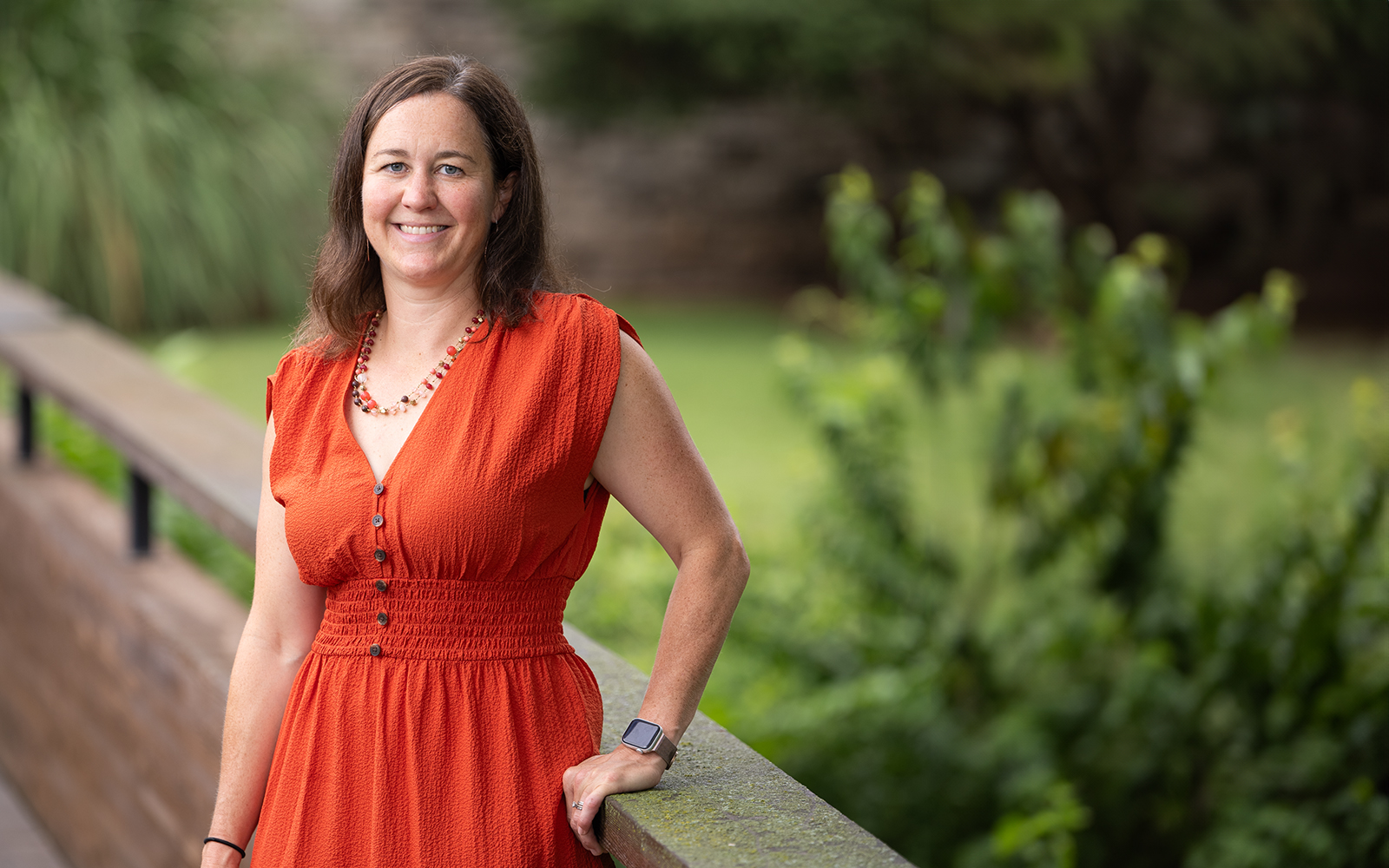
“Ninety percent of what these students will do in their future careers involves communication and people skills. This course gives them real opportunities to practice those skills.”
Emily Mailey
At the Stormont Vail Weight Management Clinic, staff already see the work students put in paying dividends with patients.
Dr. Sara Stewart, Stormont Vail Weight Management Clinic director, said the work with K-State students helped break down the intimidation factor for patients trying to make lifestyle changes.
"For my patients, the consistent, focused attention from a student provided a level of accountability and social support they needed to be successful when they were trying to reach a goal," Stewart said. "My patients reported feeling a renewed sense of confidence and improved self-efficacy."
More opportunities for future Wildcats
The professional development in the Applied Behavior Health Counseling course is top-notch, and more students will be able to participate in this hybrid course in the future.
Applied Behavior Health Counseling will continue in spring 2027 and beyond, with capacity increasing from 12 to 20 students. Mailey said if there is sufficient interest, the department plans to offer the course in both fall and spring semesters.
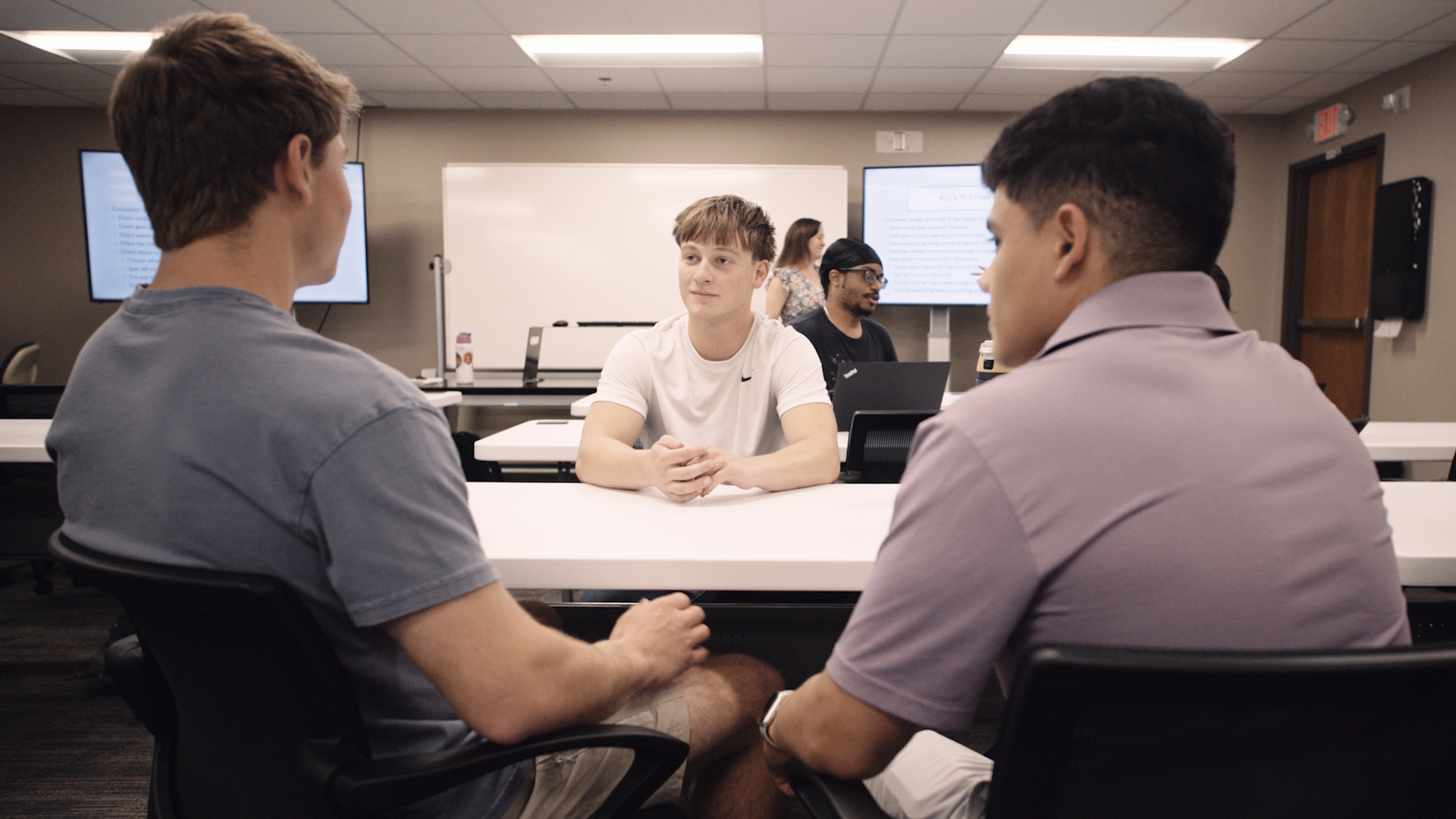
With more students and sections, the opportunity to partner with additional sites will expand, helping more patients in the Manhattan area reach their health and wellness goals.
"The students are eager for this experience and recognize that, while it's uncomfortable and pushes them out of their comfort zone, that is how they grow," Mailey said. "Ninety percent of what these students will do in their future careers involves communication and people skills. This course gives them real opportunities to practice those skills."
Related Stories
'A seat at the table'
Through her research on rural veterinary success, Caroline Wingert is preparing for a career leveraging local conversations to inform system-wide change.
Small talk, big impact
Sarah Fenn, master's student in kinesiology, is developing a toolbox that doctors can use in speaking with women and helping them reduce their risk for major...
From studio to storefront
Three students put their creative skills to the test through an internship with Spot Fire Press and the Flint Hills Discovery Center. Using printmaking equipment...