Champions of the classroom and beyond
Ganga Hettiarachchi, Ryan Rafferty honored with Graduate Faculty Mentor Award

By Julia Hall
Graduate School
Wednesday, May 6, 2026
Great mentorship has a quiet way of changing everything. When graduate students feel supported as a whole person, the path forward becomes clearer.
"Mentoring graduate students is one of the most important and fulfilling duties of a graduate faculty member," said Phillip Payne, interim dean of the Graduate School. "Supporting students is critical to the success and vitality of any graduate school."
This year, Kansas State University honored two faculty members who embody that approach with the Graduate Faculty Mentor Award.
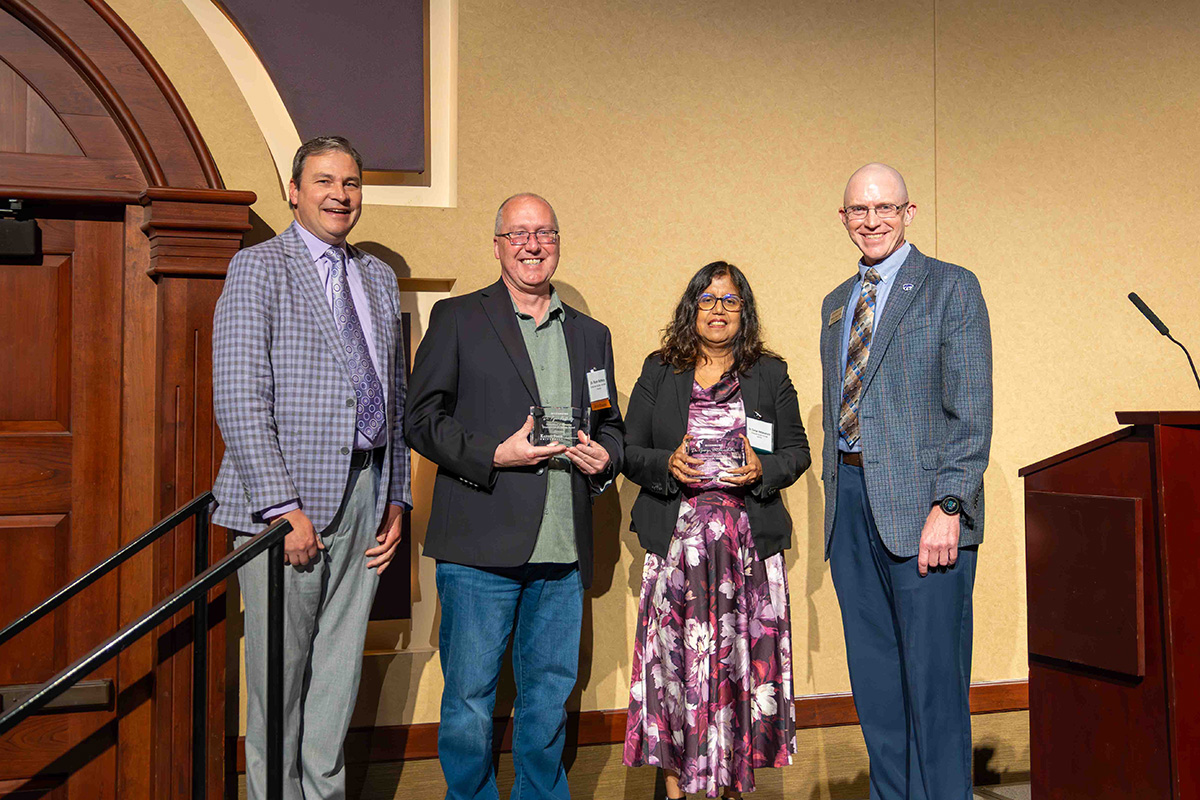
Ganga Hettiarachchi, professor in agronomy, and Ryan Rafferty, associate professor in chemistry and interim director of the Johnson Cancer Research Center, received this award for their dedication to graduate student success.
Ganga Hettiarachchi: Mentoring with the whole student in mind
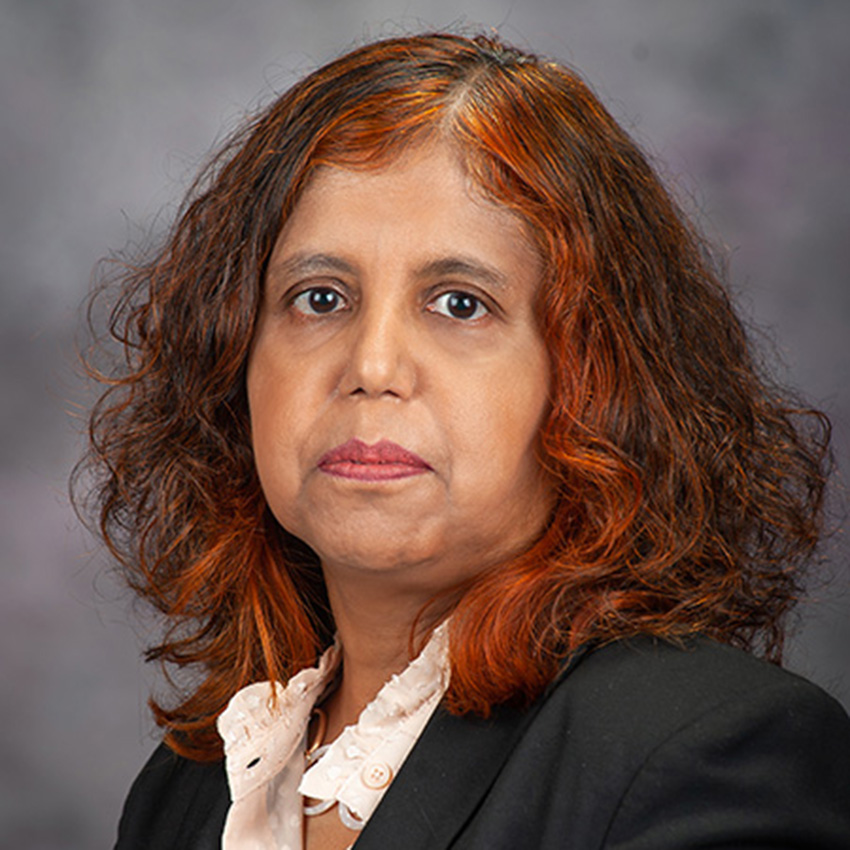 Hettiarachchi is among the world's leading researchers in trace metal and nutrient chemistry in soils — work that sits at the intersection of agricultural productivity and environmental health. But ask her students what sets her apart, and they are more likely to talk about how she runs a lab than about her publication record.
"She promotes collaboration, inclusivity and a positive lab culture where students feel valued and motivated," one graduate student nominator wrote.
Hettiarachchi believes meaningful mentorship begins with a simple yet powerful idea: learners should feel safe, valued and trusted so they can seek advice beyond their academic needs. Her mentoring approach adapts accordingly, shaped by the person in front of her rather than any fixed method.
The goal, however, remains the same — that students graduate from her lab with technical skills and the resilience to use them.
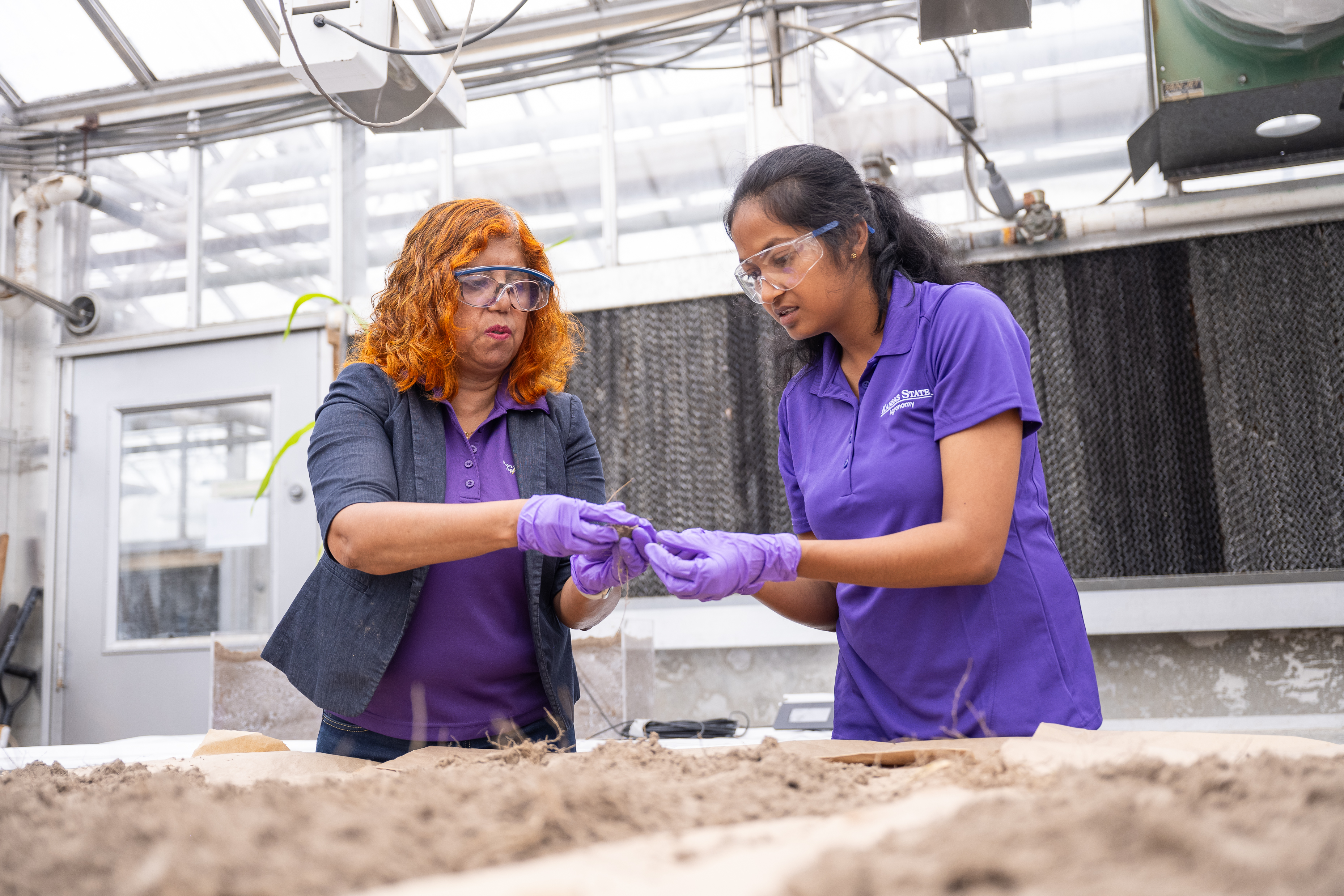
Hettiarachchi emphasizes the importance of learners seeking research questions that genuinely excite them and encourages them to embrace failure as much as success with grace.
One student nominator wrote, "Her support has expanded my confidence and broadened my professional experience. She is always willing to discuss my goals and provide valuable career advice, as well as strong support and encouragement for writing papers and publications."
Hettiarachchi traces her commitment to mentoring back to her own graduate experience — to the people who made space for her.
"Knowing I've helped them succeed gives me a strong sense of purpose and fulfillment," she said, "just as my mentors' support did for me."
Ryan Rafferty: Mentoring as a mutual journey
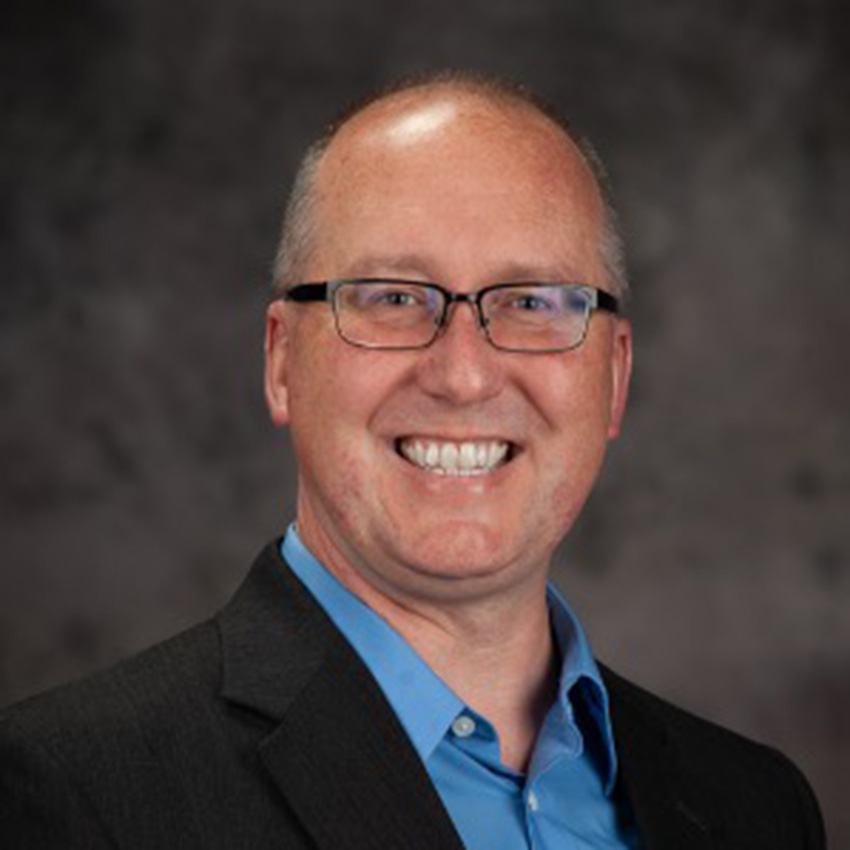 Rafferty is quick to point out how much the education landscape has changed since his time in graduate school. He jokes about belonging to the "Jurassic Period," but remains grounded in the core values of mentorship while adapting to today's world.
"The world my students are navigating looks nothing like the one I trained in, and pretending otherwise would make me less useful to them, not more," he said.
For Rafferty, mentorship is not static. Each student reshapes his approach as a mentor, requiring him to constantly evolve.
Rafferty's research spans synthetic organic chemistry, drug discovery and personalized cancer therapeutics — fields where the stakes are high and the setbacks are frequent.
He brings that same seriousness to the mentorship relationship, without rigidity.
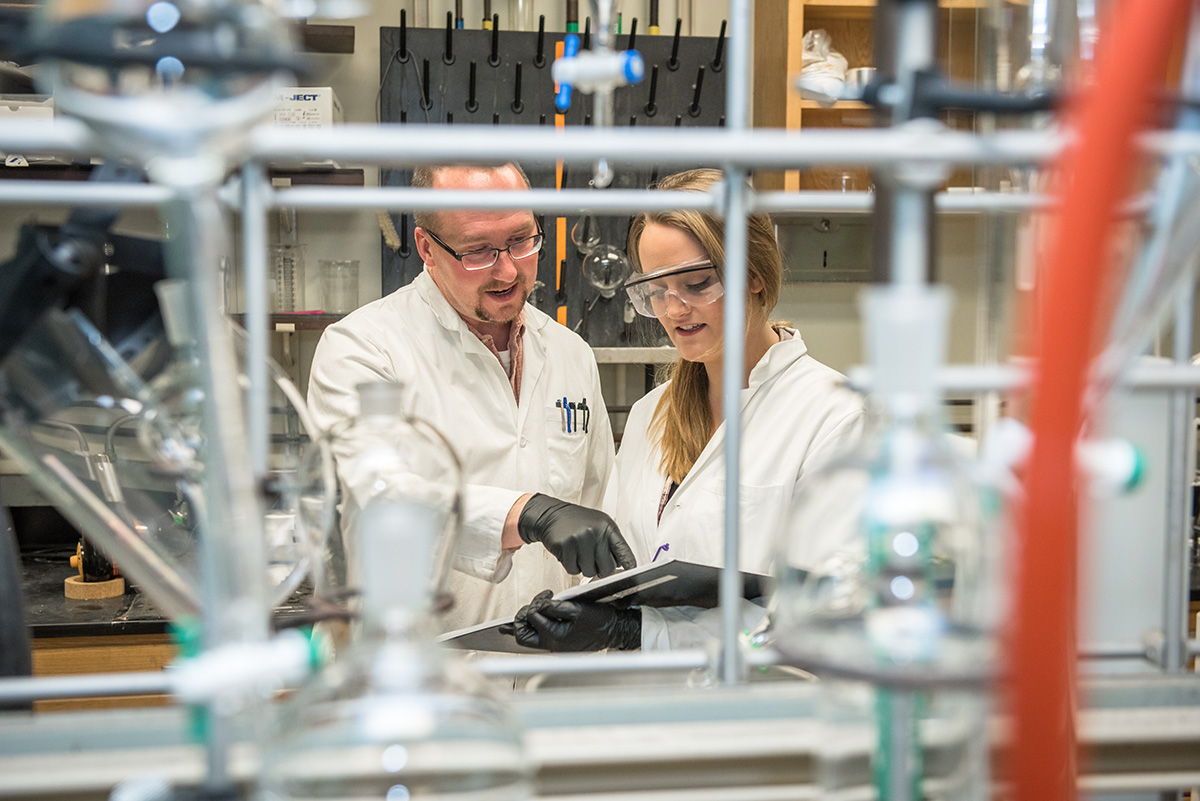
"From the start of my graduate journey, Dr. Rafferty has been an outstanding mentor whose guidance has deeply influenced my academic, professional and personal growth," one graduate student nominator said. "He consistently offers thoughtful, open and supportive mentorship, fostering an environment that promotes intellectual development and confidence."
Students describe him as consistently available: for conversations about career paths, research challenges and anything else that may be weighing on them that week. As one nominator put it, "his main focus is his students, and it shows."
Rafferty often returns to two pieces of advice. First, trust in yourself and the unique intelligence and gifts you bring. The second is that failure is inevitable. What matters most is the growth you pull from it.
Recognizing graduate mentorship
The Graduate Faculty Mentor Award recognizes K-State faculty whose investment in their students goes beyond the classroom, who show up not just as advisors but as advocates, sounding boards and steady support when graduate school becomes challenging.
"We are thrilled to honor these two amazing mentors who embody the essence of mentorship through their guidance, support, humility and encouragement," Payne shared. "K-State's Graduate School is stronger because of their contributions to mentorship and graduate education."
Related Stories
Big ideas, Big 12 collaboration
The future is being built in K-State labs — and across the Big 12. Whether it's developing "just-in-time" mental health interventions via smartwatches or...
K-State Graduate School gives students top-notch experience in nationally ranked programs
For more than 150 years, the Graduate School has been preparing master's and doctoral students to be next-generation leaders. Its tradition of excellence continues...

'Cats in the Capitol
Ten graduate students represented K-State at the Kansas Capitol on March 25, where they presented their research to state representatives and the public at...