'Cats in the Capitol
K-State graduate students shared next-gen research with policymakers at 2026 Capitol Graduate Research Summit.


By Julia Hall
Graduate School
Thursday, April 16, 2026
Graduate students at Kansas State University conduct research that directly affects Kansans, from improving the quality of life for older adults and families to exploring the growing role of agritourism and the challenges operators face to developing the next generation of cancer drugs and antibiotics.
Ten graduate students represented K-State at the Kansas Capitol on March 24 where they presented their research to state representatives and the public at the Capitol Graduate Research Summit, or CGRS.
Among them, two graduate students, Mia Reyes and Nayara Mota Miranda Soares, earned outstanding presentation awards for their work.
"The Capitol Graduate Research Summit is an exceptional opportunity for our graduate students to showcase their research in a manner that connects their work to communities across the state of Kansas and the impact it has on various industries and entities," said Phil Payne, interim dean of the Graduate School. "Having the opportunity to speak directly with policymakers and stakeholders about the impact of their research can develop invaluable communications experience with a broad audience while also bridging the gap between research and policy."
Graduate students were selected based on their presentations at Research in the State last fall.
Click on each graduate student's name to learn how their work is impacting Kansas.
Mia Reyes
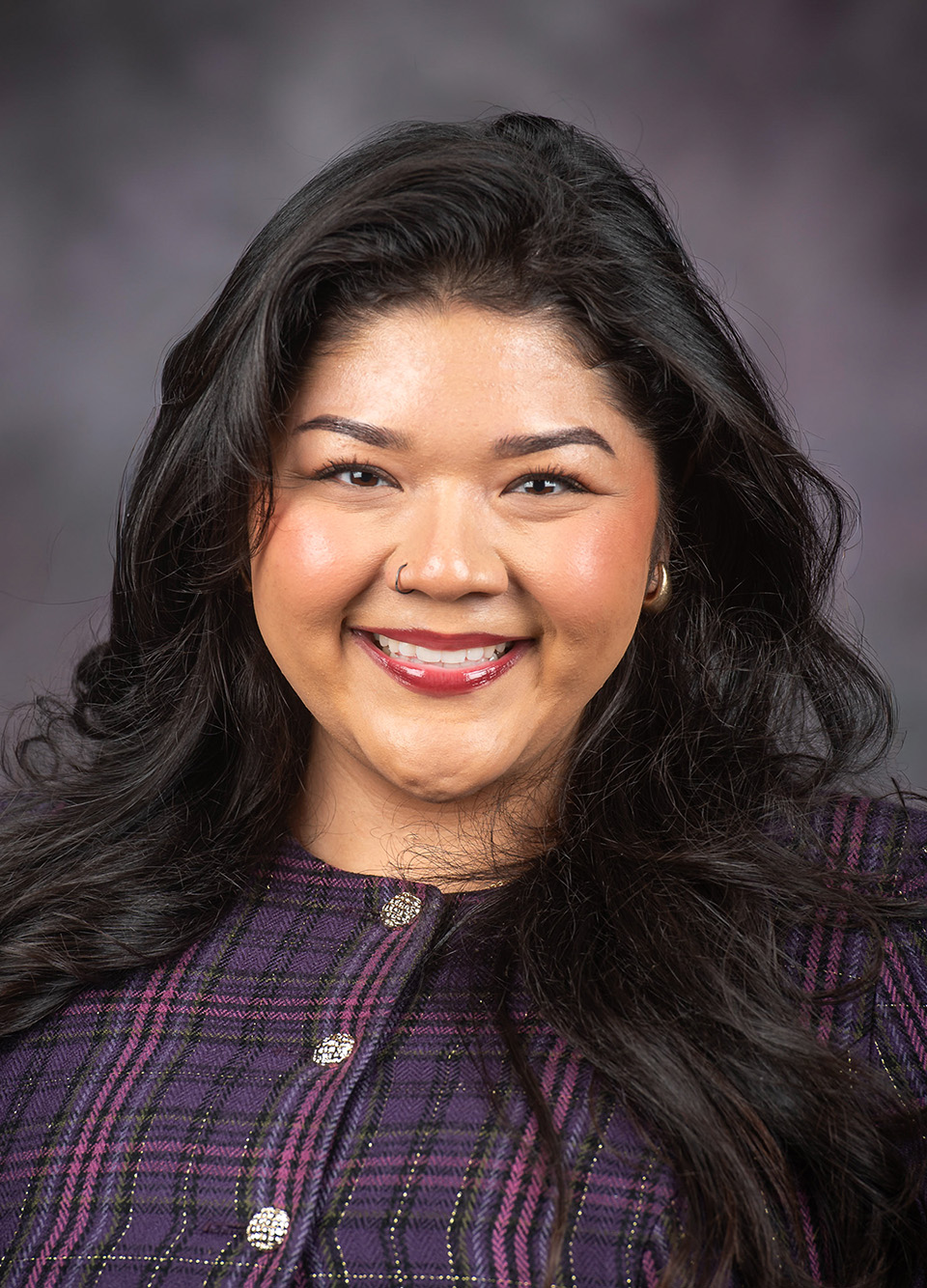
Reyes, a master's student in communication and agricultural education, Fresno, California, studies the growing role of agritourism in Kansas and the barriers operators face. Her research, “Growing pains: the Entrepreneurial Journey of Kansas Agritourism Operators,” won an outstanding presentation award at CGRS.
In Kansas, more than 800 farms rely on agritourism to diversify their businesses. The ag industry is constantly evolving, with growing challenges from federal funding, climate change, market volatility, and a disconnect between urban and rural communities.
These agritourism operations are essential for connecting the general public with farmers and ranchers, yet they depend heavily on the crucial support mechanisms that keep their businesses viable.
Reyes spoke directly to established and prospective operators about their lived experiences and the harsh realities that they face as agri-entrepreneurs. They are no longer just farmers and ranchers but now agritourism entrepreneurs who require an entirely new skill set and approach to agriculture.
She found that operators are enthusiastic about the opportunities agritourism presents but unnerved by the lack of local and state protections that make their businesses viable. Further, they are discouraged by inaccessible education and resources that fail to meet the operators where they are.
"If we want to support agritourism operators at their entrepreneurial core, we must address the barriers that hinder their operations and identify opportunities for continued growth," Reyes said.
The interdisciplinary project includes professors Nellie Hill-Sullins and Jason Ellis in the Department of Communications and Agricultural Education; Cheryl Boyer, professor and K-State Extension specialist in the Department of Horticulture and Natural Resources; and Rachel Mui, assistant professor of management and part of the Center for the Advancement of Entrepreneurship.
For Reyes, the most memorable part of GCRS wasn’t the competition itself but the sense of shared discovery among the participants.
“While this event is technically a competition, you didn’t feel that energy at all,” she said, “Everyone was so excited to share their work and communicate it in a way that made you feel like you were working alongside them.”
Nayara Mota Miranda Soares
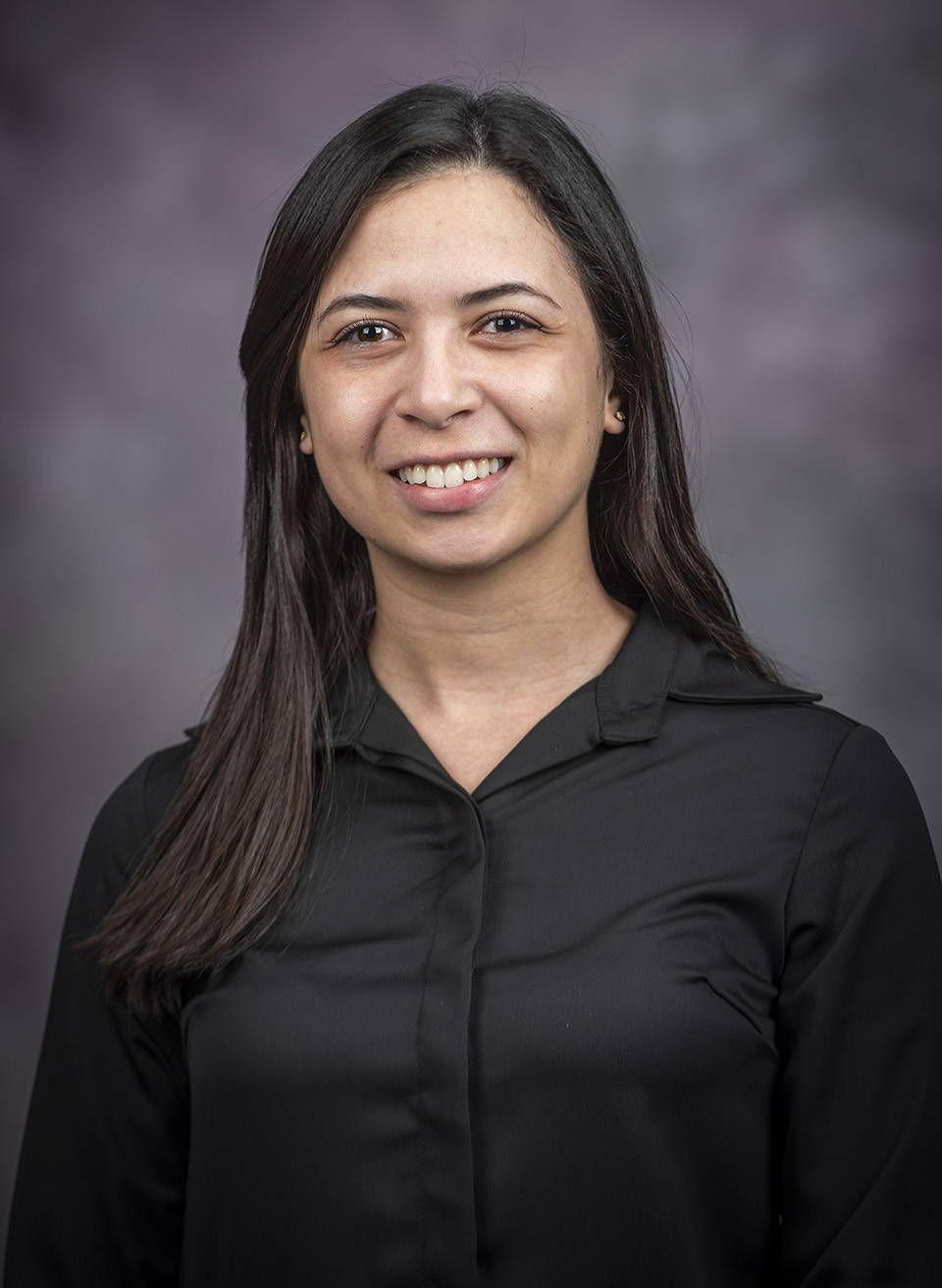
Soares, a doctoral student in grain and food science, Curitiba, Brazil, is exploring how a byproduct of sorghum processing could become a valuable ingredient in pet food. Her research, “Effects of graded levels of red sorghum bran on processing parameters and palatability in dry dog food,” won an outstanding presentation award at CGRS.
The pet food industry represents a key part of Kansas' economy, with many leading companies based in the state. Additionally, Kansas is the nation's leading producer of sorghum, a drought-resistant crop that requires less water than many other grains.
During sorghum milling, a co-product called sorghum bran is produced, but much of it is currently underused or sold at low value.
Soares and her advisor, Julia Pezzali, assistant professor and pet food program director, are studying how sorghum bran performs in extruded dog food, evaluating its effects on manufacturing, product quality and dogs's taste preferences. In addition to providing nutritional value, sorghum bran may also support digestive and metabolic health in pets.
"This research could create new uses for a Kansas-grown crop while reducing agricultural waste," Soares said. "By connecting local agriculture with the growing pet food industry, this work supports both sustainability and economic opportunity within the state."
Soares highlighted the significance of connecting with policymakers and other graduate students at CGRS.
“I was amazed by the interesting research that other graduate students have been conducting,” she said. “It was undoubtedly an excellent opportunity to learn and expand my knowledge in areas I wasn't familiar with.”
Mohsen Davoudkhani
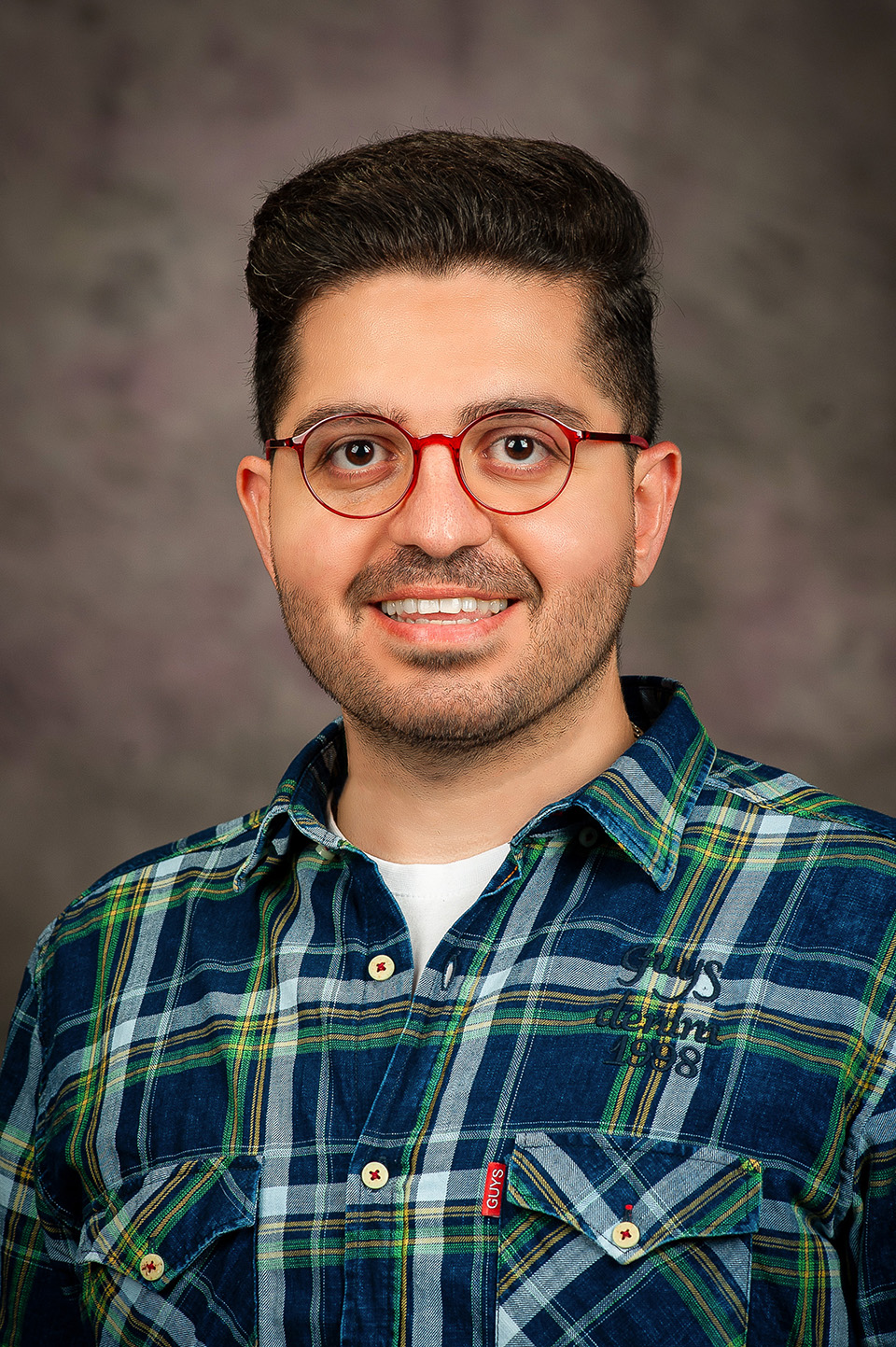 Davoudkhani, a doctoral student in psychology, Tehran, Iran, conducts research focused on improving the early detection of cognitive decline and Alzheimer's disease risk among older adults in Kansas communities.
Approximately 54,500 residents who are 65 and older live with Alzheimer's disease, yet the state has only 20 practicing geriatricians, requiring a 505% workforce increase to meet projected demand by 2050. Additionally, Kansas has been identified as a "neurology desert," with fewer than 10 neurologists per 10,000 people with dementia projected for 2025, leaving many rural communities without timely access to diagnosis and care.
Davoudkhani's research focuses on people with mild cognitive impairment, or MCI, a condition that can be an early stage between normal aging and dementia. In collaboration with Stormont Vail Health, Davoudkhani and his advisor, Heather Bailey, associate professor of psychological sciences, recruit cognitively healthy participants and MCI participants from the Manhattan, Kansas, community.
Participants complete cognitive testing, mental health and memory questionnaires, and an odor identification task, along with blood-based Alzheimer's biomarker analysis, with samples processed at Stormont Vail Health and analyzed at the University of Kansas Medical Center.
"By developing accessible, community-based screening approaches, this project supports earlier detection, preventive health care strategies and reduced long-term health care costs while improving quality of life for older adults and families across Kansas," Davoudkhani said.
Vydehi Gadiparthi
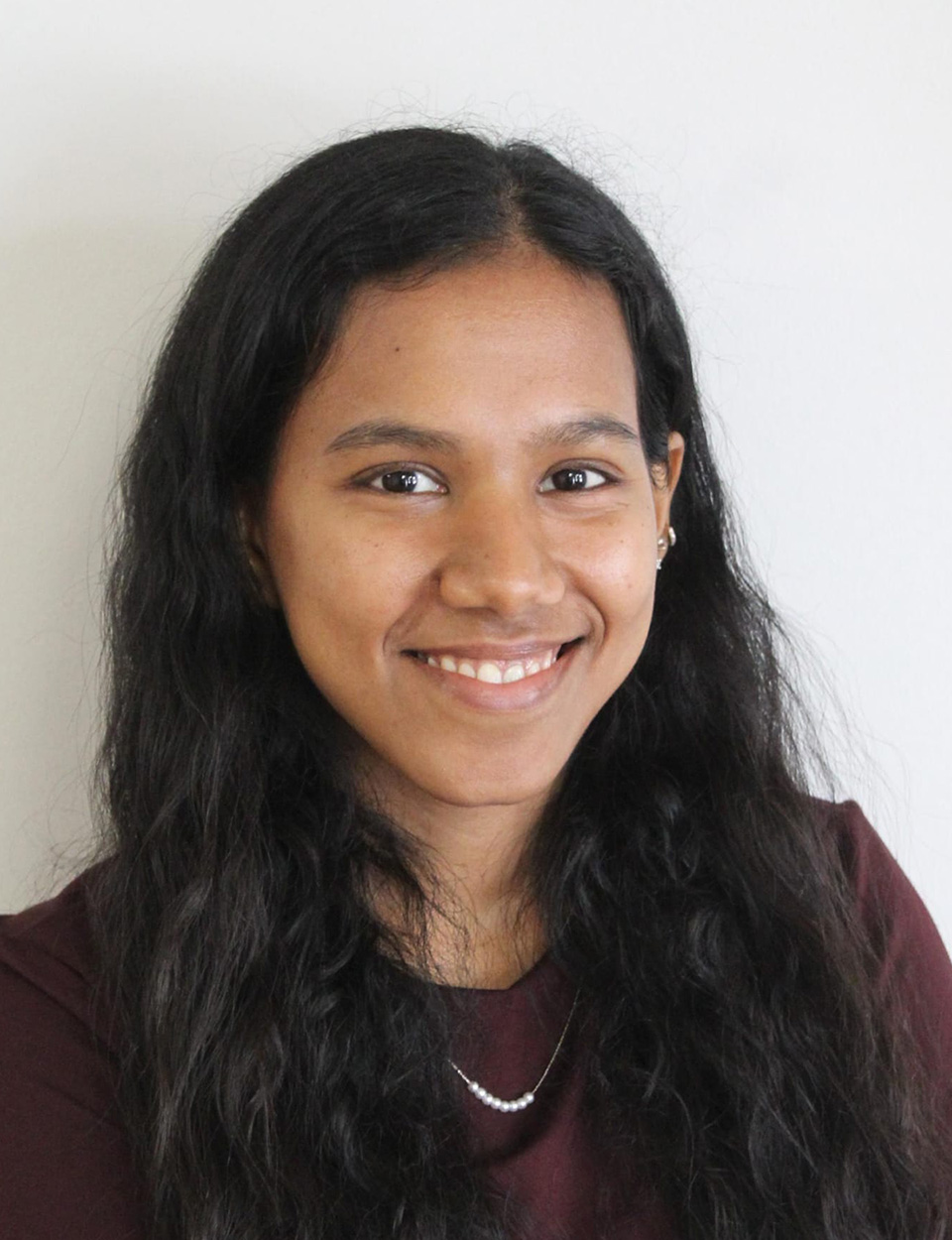 Gadiparthi, a master's student in agronomy, Guntur, India, works in the Soil Microbial Agroecology Lab under the guidance of Charles Rice, university distinguished professor of soil microbiology, to study how regenerative farming practices influence soil health.
Gadiparthi’s research focuses on soil microbial biomass — the living community of microorganisms in soil that helps drive nutrient cycling, carbon storage and plant growth. Healthy microbial communities are a key indicator of productive and resilient soils.
By analyzing soil samples from agricultural systems across Kansas, Gadiparthi examines how different management practices affect the biological, chemical and physical properties of soil.
"Healthier soils can improve crop productivity, hold water more effectively and reduce nutrient losses," Gadiparthi said. "These are all important benefits for farmers facing changing climate conditions."
Gadiparthi's work aims to help producers adopt practical soil management strategies that strengthen both farm profitability and long-term environmental sustainability.
Kelechi Igwe
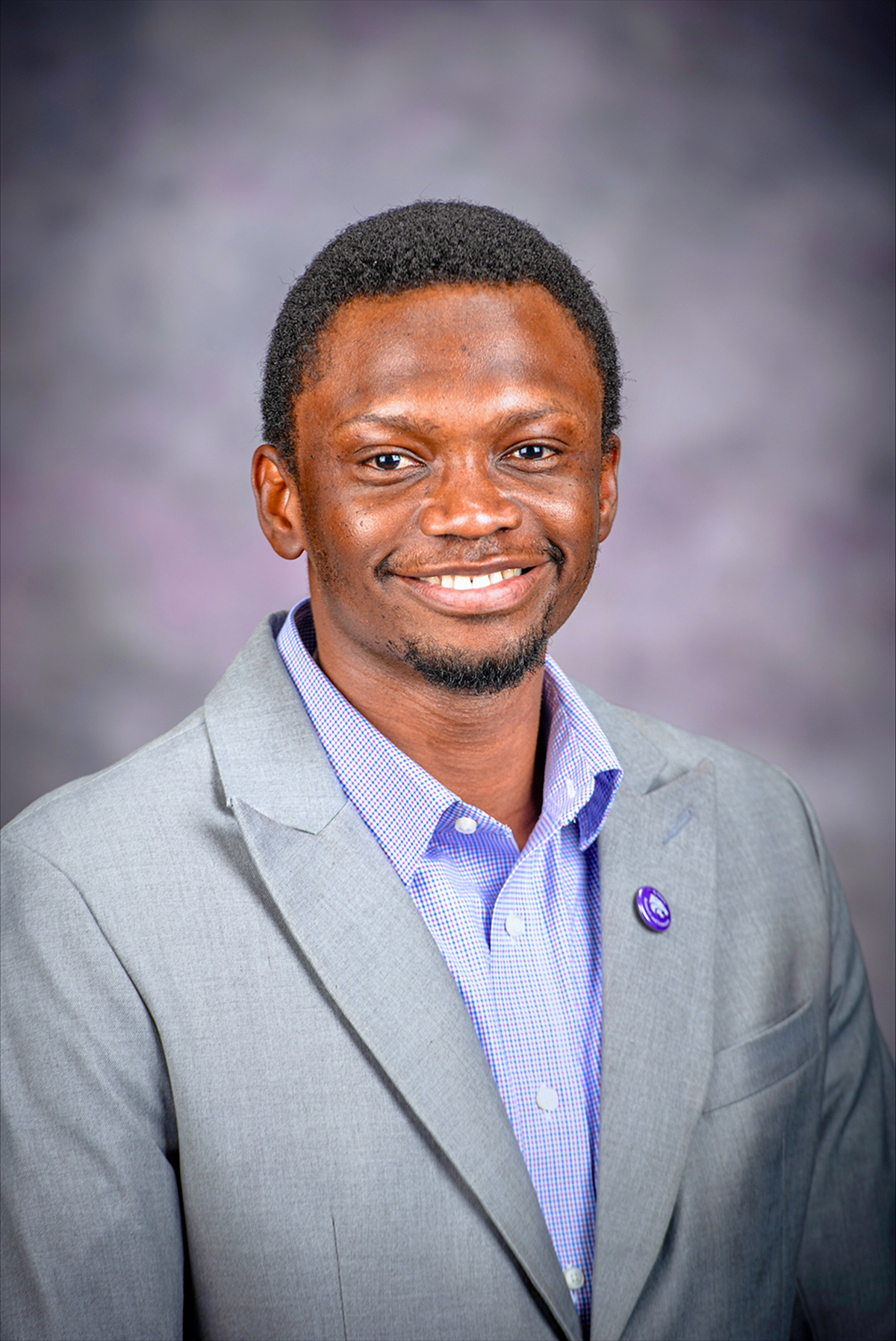 Igwe, a doctoral student in biological and agricultural engineering, Ebonyi, Nigeria, is developing new tools to help farmers use water more efficiently and support long-term groundwater sustainability.
Agriculture uses more freshwater than any other sector worldwide, and several regions — including Kansas — currently face groundwater depletion.
Igwe's research combines satellite data, environmental modeling and machine learning to monitor how crops respond to water stress.
He works closely with Vaishali Sharda and Jonathan Aguilar in the Carl and Melinda Helwig Department of Biological and Agricultural Engineering, as well as Douglas Goodin in the Department of Geography and Geospatial Sciences and Sam Zipper at the Kansas Geological Survey to address the pressing groundwater challenges and enhance precision agriculture.
Igwe leverages data from multiple sources to create tools that can help farmers and water managers better understand when and where crops need water. These insights can support smarter irrigation decisions at the field, county and regional levels.
"The goal is to provide actionable information that directly supports groundwater conservation and stabilization efforts of Kansas Groundwater Management Districts and helps Kansas agriculture transition toward long-term water sustainability for farming across the state," Igwe said.
Asmita Mahara
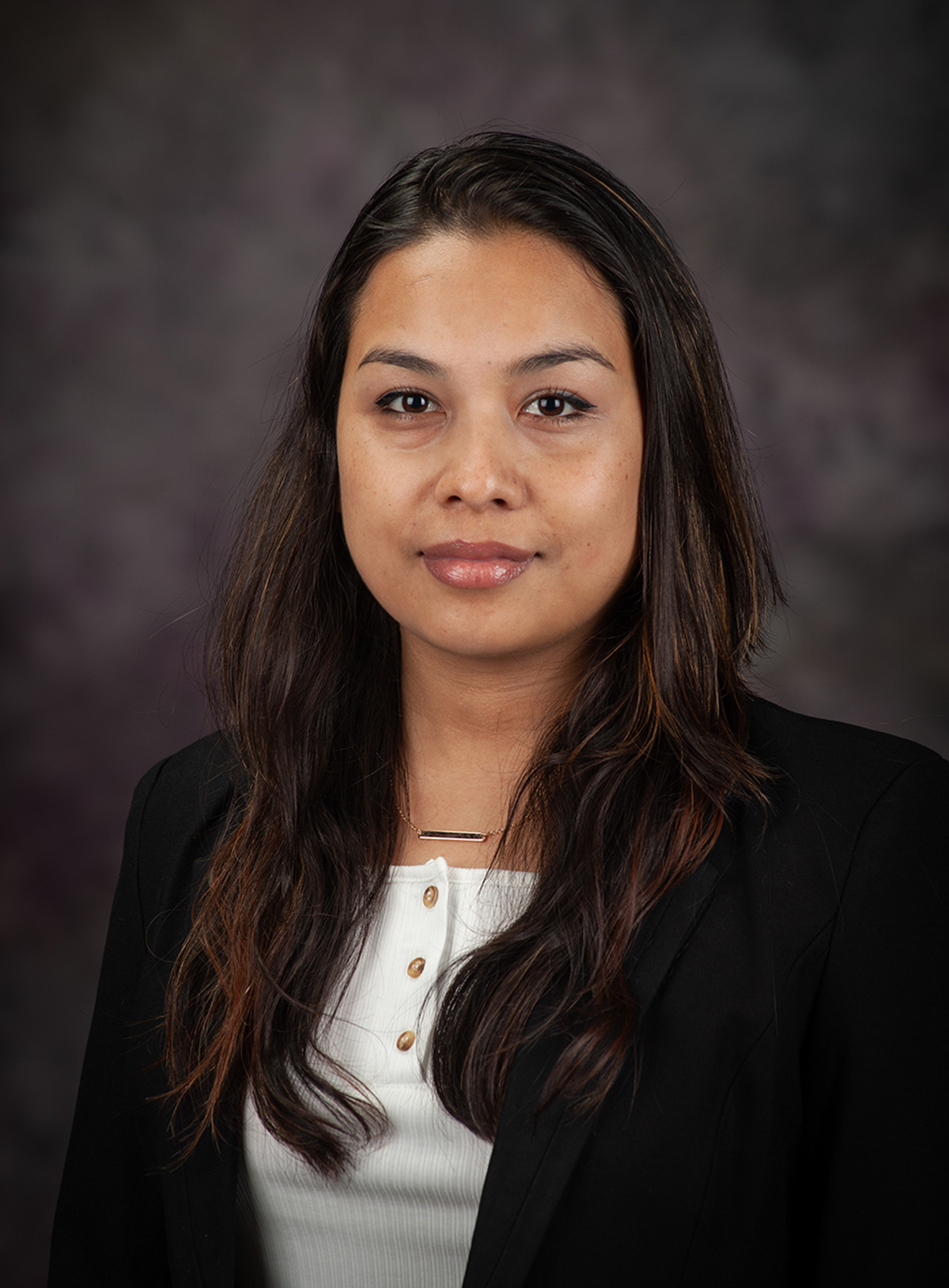 Mahara, a doctoral student in biological and agricultural engineering, Kathmandu, Nepal, is working on new ways to turn waste into renewable energy.
Guided by Mark Wilkins, professor and department head of biological and agricultural engineering, Mahara's research focuses on wastewater produced during hydrothermal liquefaction, or HTL, an emerging technology that converts materials like municipal waste, sewage and agricultural waste into energy products such as electricity, fertilizer and biocrude oil.
While the process creates valuable energy resources, it also produces highly toxic wastewater that is difficult to treat.
To address this, Mahara is developing a biological treatment method that uses a carefully selected mix of fungi and microorganisms to break down pollutants in this wastewater.
"As the microbes consume the waste, they convert it into biomass that can be recirculated into the HTL system as a carbon source for further energy production," Mahara said.
Mahara's research is collaborative and includes Socrates Munoz, assistant professor in the Department of Chemistry and Molecular Biochemistry, as well as Sandeep Kumar, professor and chair of civil and environmental engineering at Old Dominion University. Kumar and his team process food waste and produce multiple wastewaters that are shipped to K-State, and Munoz conducts additional chemical analyses of treated wastewater samples.
The objective of this research is to upgrade Kansas waste into an energy-generating alternative. As Kansas begins to explore thermal waste processing, this research offers a promising solution for the future of waste technology and a robust measure to prevent landfill crises in the state.
Vidya Nadar
 Nadar, a doctoral candidate in chemistry, Mumbai, India, focuses on designing nature-inspired molecules that could serve as dual-purpose treatments for cancer and drug-resistant bacterial infections.
She works in the Rafferty Lab under the guidance of Ryan Rafferty, associate professor of chemistry and interim director of the Johnson Cancer Research Center.
"Cancer patients are susceptible to infections because of their compromised immune systems, and infections are often caused by bacteria that are resistant to antibiotics," Nadar said. "This highlights a critical need for therapies that can combat both issues simultaneously."
Nadar uses total synthesis to recreate and modify complex marine-derived natural products from the brocazine family, molecules with promising anticancer and antibacterial activity. Synthesizing these compounds in the lab can optimize their structure, improve their drug-like properties and create new small-molecule libraries for biological testing.
Currently, Nadar and Rafferty are just a few steps away from completing key syntheses, bringing these potential dual-action drug candidates closer to evaluation and development.
Cancer is one of the leading causes of death in Kansas, causing over 5,400 deaths each year. Rural patients, in particular, have difficulties accessing health care and are more vulnerable to complications like resistant infections.
By developing therapies that treat both cancer and infections simultaneously, this work aims to improve patient outcomes, lower health care costs and enhance infection control efforts across Kansas.
Beyond health care, this project drives economic growth and workforce development in the state by acquiring federal research grants, promoting biotech innovation and training the next generation of chemists and healthcare leaders — addressing STEM workforce gaps and strengthening Kansas' research and biotech industries.
Md Suzaddula
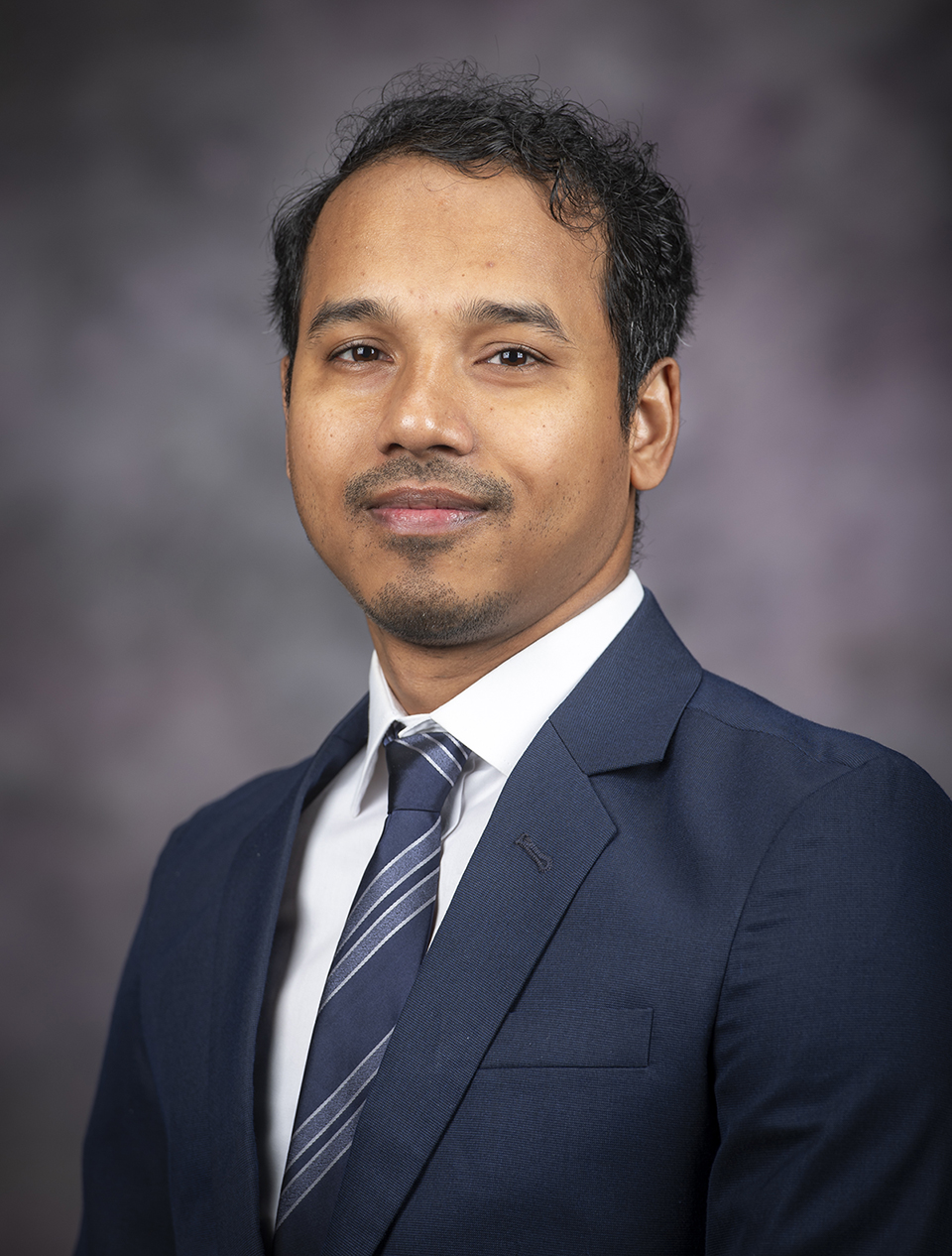 Suzauddula, a doctoral student in the Department of Food, Nutrition, Dietetics and Health Sciences, Satkhira, Bangladesh, studies plant-based strategies to help prevent colon cancer.
Colon cancer causes more than 53,000 deaths each year in the United States, yet many cases are preventable through diet and lifestyle.
Working with Professor Weiqun "George" Wang in the School of Health Sciences and collaborator Sunghun Park in horticulture and natural resources, Suzauddula is studying anthocyanins, bioactive compounds found in deeply colored fruits and vegetables.
Using a bioengineered purple tomato that Park developed, Wang and Suzauddula are investigating how the anthocyanins from the tomato can inhibit human colon cancer at the molecular level.
Based on promising initial findings, the research aims to advance toward practical applications of anthocyanin-enriched foods for colon cancer patients and high-risk populations in Kansas and beyond.
"This work not only contributes novel insights into cancer prevention mechanisms but also emphasizes cost-effective, accessible dietary strategies to improve public health outcomes," Suzaddula said.
Bailey Walke
 Bailey Walke, a master's student in mechanical engineering, West Des Moines, Iowa, is developing advanced ceramic matrix composites for high-temperature aerospace propulsion systems.
These materials combine the heat resistance of ceramics with the toughness of composite materials, allowing them to survive extreme environments that would damage traditional metals.
Walke's work investigates low-cost manufacturing methods for silicon-carbon ceramic matrix composites capable of withstanding the intense temperatures, oxidation and mechanical stresses present in propulsion systems.
Through thermal and mechanical testing, Walke studies a new fabrication approach that improves current ceramic matrix composite processing methods, enhancing material strength, durability and oxidation resistance.
Walke conducts research in collaboration with Professor Gurpreet Singh in the Nanoscience and Engineering Laboratory.
"These materials have the potential to make aerospace propulsion systems more efficient and environmentally friendly," Walke said. "Operating engines at higher temperatures improves thermodynamic efficiency, allowing propulsion systems to produce the same performance while burning less fuel."
Improving propulsion efficiency can reduce fuel consumption, emissions and operating costs, benefiting the growing aerospace and advanced manufacturing industries in Kansas.
Amy Winstead
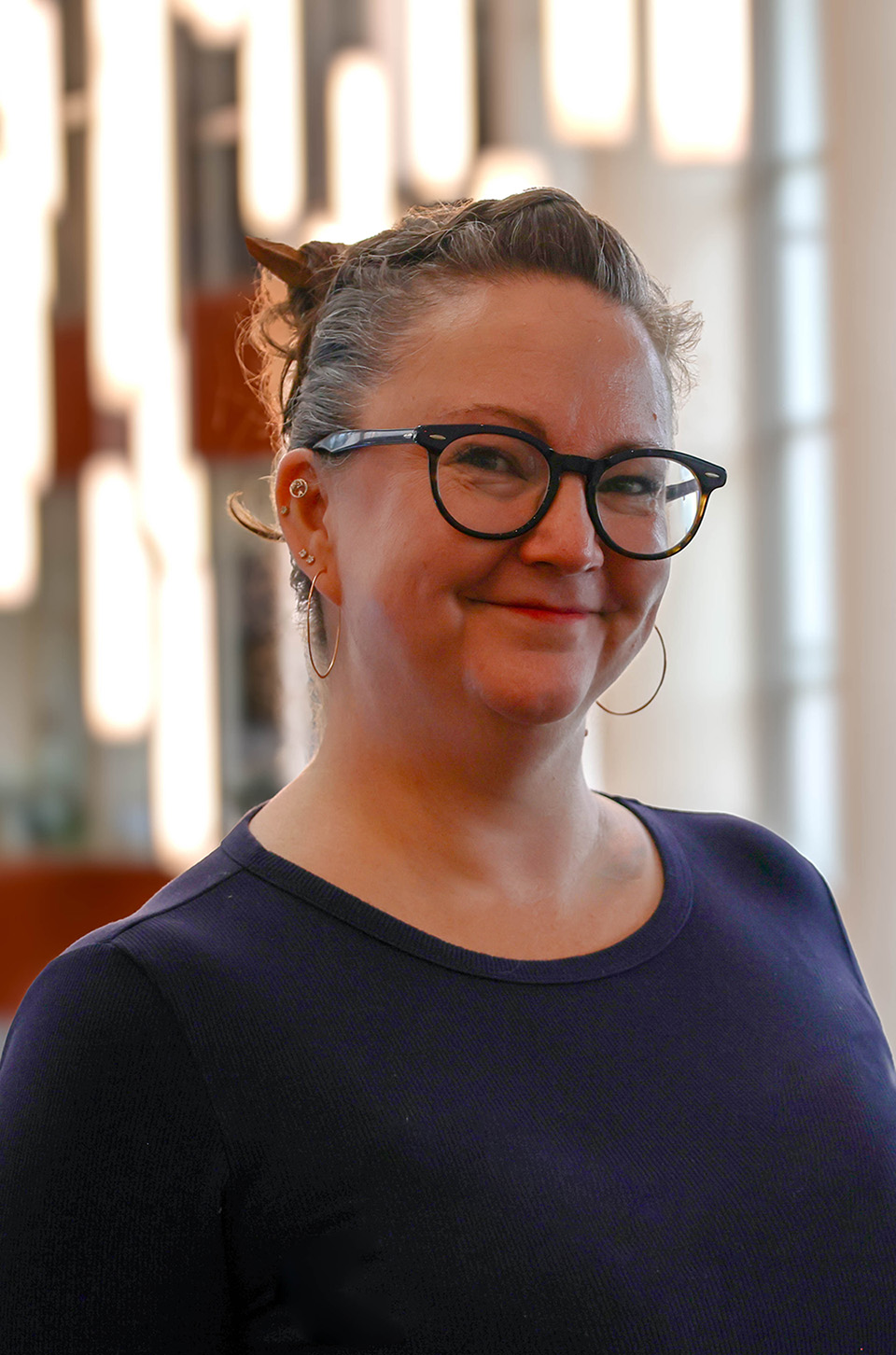 Amy Winstead, a master’s student in biology, Fort Riley, studies how common land management practices affect soil health in Kansas' tallgrass prairie.
Guided by Assistant Professor Lydia Zeglin, Winstead's research focuses on nitrogen in the soil, a key nutrient that helps plants grow and determines the quality of forage available for grazing animals.
She examines how two familiar prairie management tools — grazing and controlled burning — influence how nitrogen moves through the prairie soils.
Using soil and forage samples from multiple prairie sites, Winstead compares how different grazing patterns and burn intervals affect nutrient availability.
The intersection of biogeochemistry is valuable for understanding the full scope of soil nutrient cycling and its impact on Kansas soils.
"While both grazing and fire are common in Kansas rangelands, scientists still know relatively little about how the two interact to shape soil health," Winstead said. "Understanding these relationships can help land managers make better decisions about grazing and burning practices, supporting healthier prairie ecosystems, stronger forage production and more sustainable ranching across Kansas."
###