Articles
Filters
More Stories
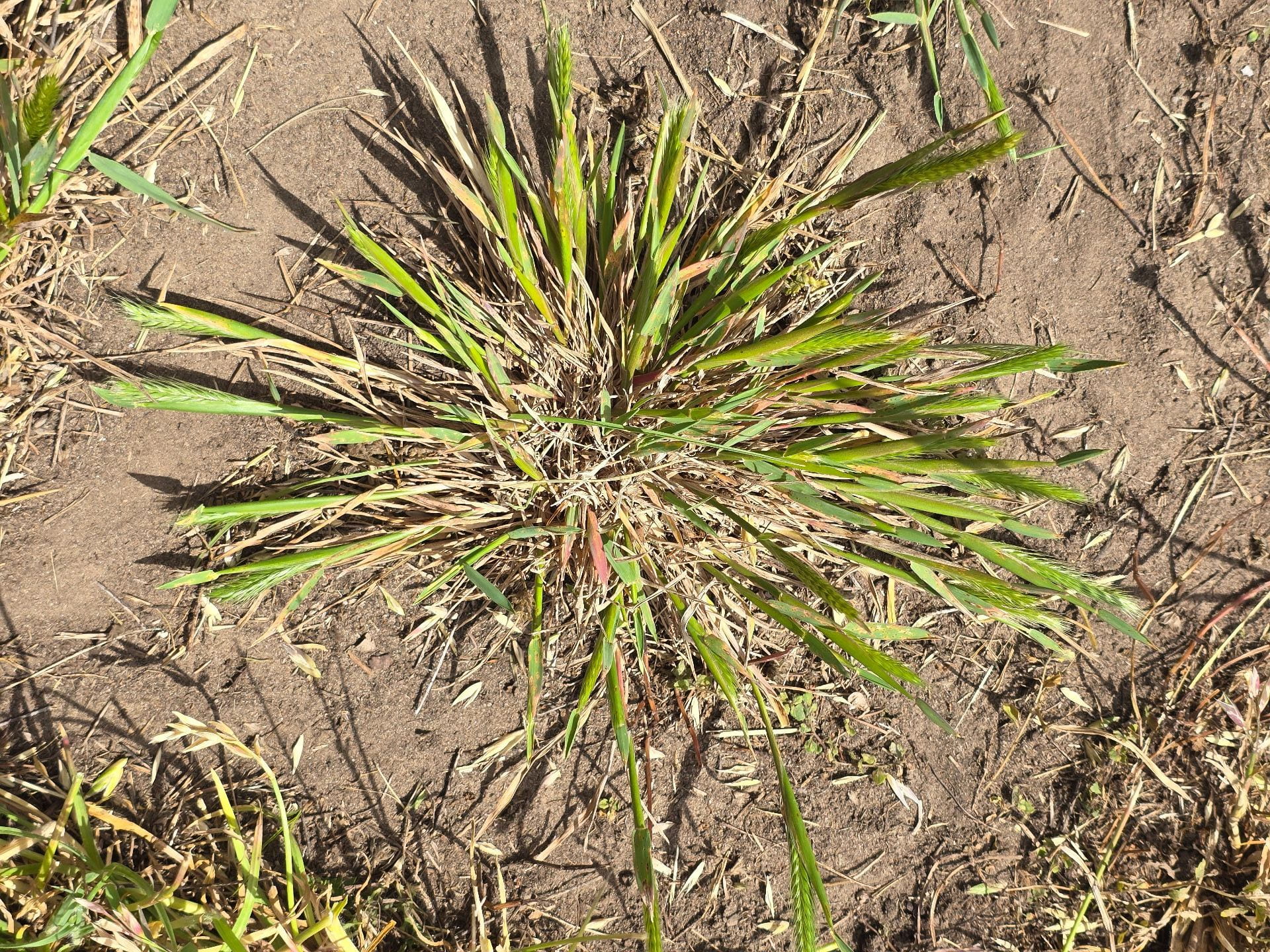
Research Update - Pre-Emergent Control of Little Barley (Hordeum pusillum)
May 14, 2026Little barley (Hordeum pusillum) populations commonly infest warm season turfgrass systems in Kansas, which result in aesthetically unacceptable turfgrass stands....
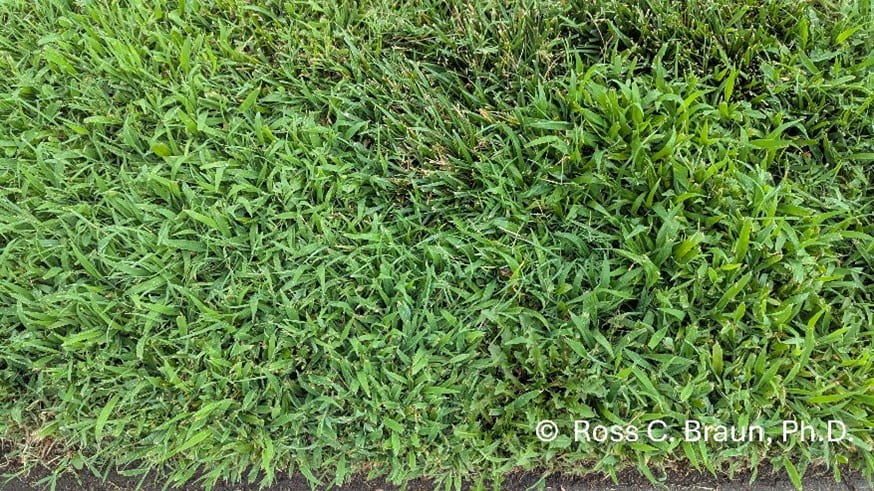
Timing Your Turf: A Guide to Preemergence Herbicides
Feb. 18, 2026Maintaining a healthy weed-free turfgrass system sometimes requires more than just mowing and watering; it requires a strategic defense against invasive annual...
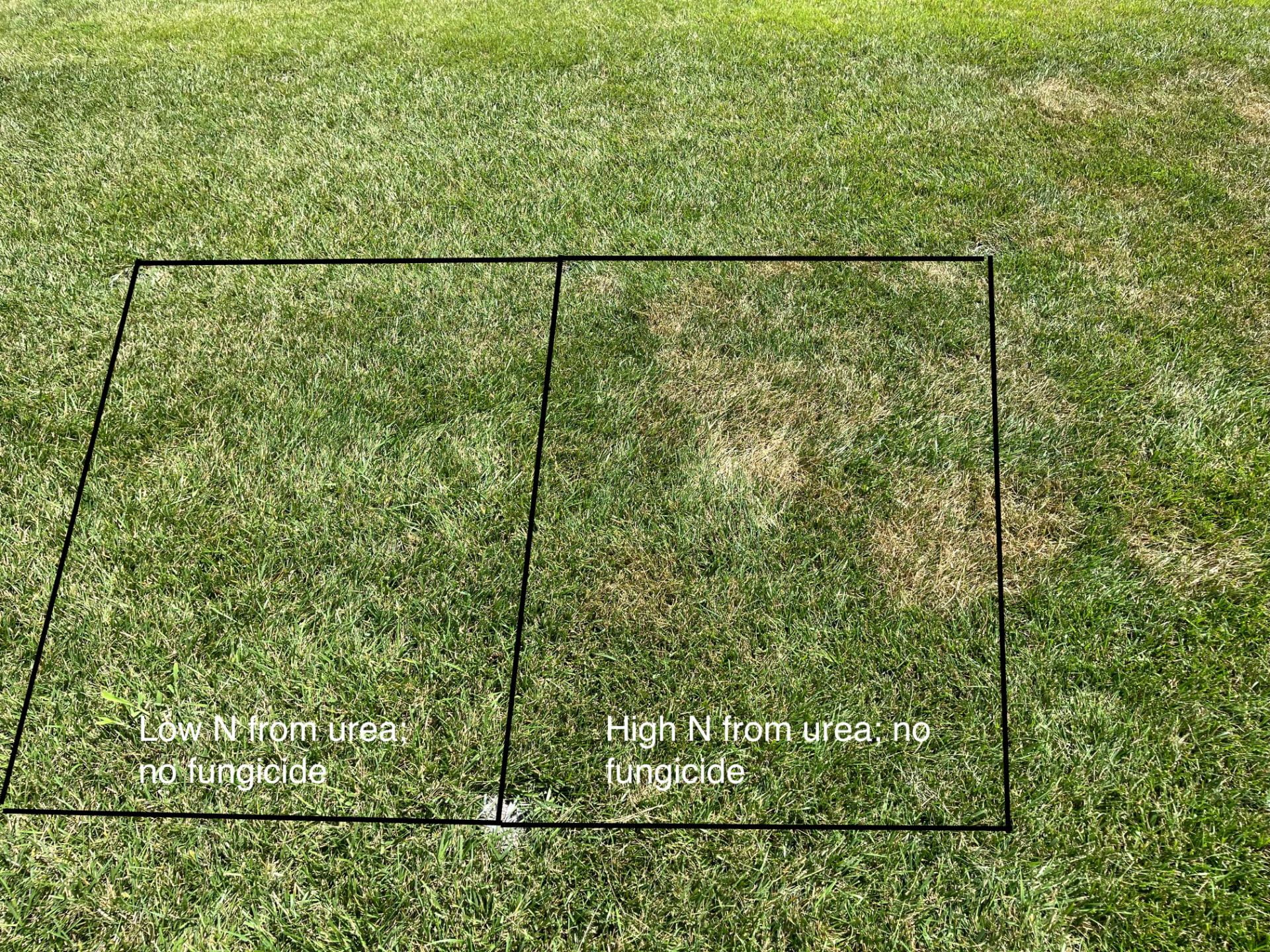
Nitrogen Levels and Use of a Fungicide Clearly Impact Brown Patch on Tall Fescue
July 7, 2025A turf-type tall fescue blend has been treated the past two years as either: High N level; or Low N level. High level involved 4.5 lbs of N/1,000 ft 2 /yr (Months...
Grub Season is Here
June 20, 2025Grub damage top left, southern masked chaffer larva (top right), and adult beetle (below).
How To Trap Moles
March 26, 2025Moles are an insectivorous mammal species that can cause extensive damage in turfgrass situations like yards, parks, or golf courses. Dr. Drew Ricketts, a wildlife...

Got Plant Questions? The K-State Plant Disease Diagnostic Lab Has Answers.
July 19, 2023A quality diagnoses starts with a quality sample. A sample can be physical plants or digital images of plants. Digital images are a great screening tool to...
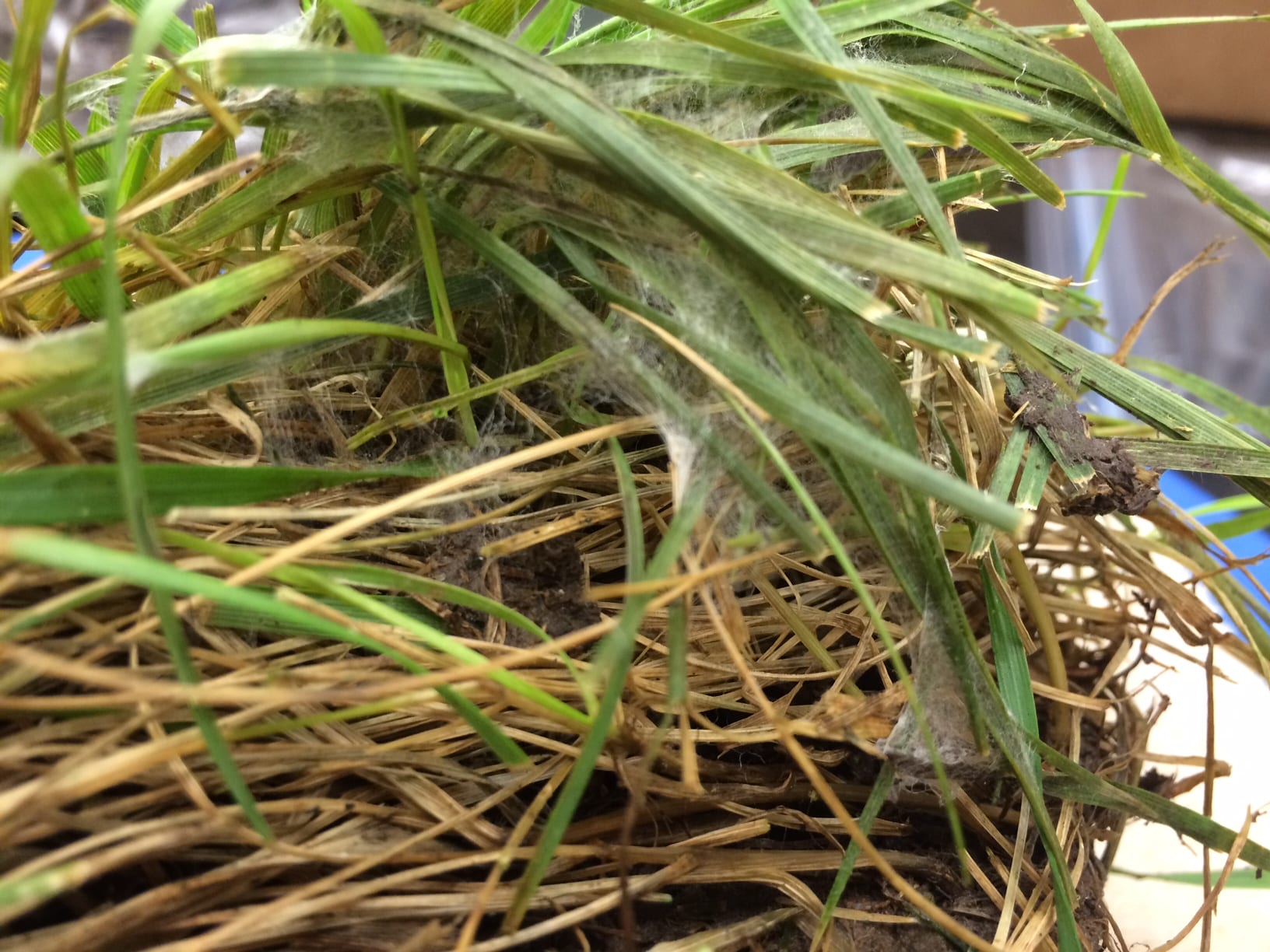
Hot + humid + rain = conditions for Pythium foliar blight
June 29, 2018Here is a turf sample that came in this week. After one night in a moist chamber, there was an obvious cobwebby growth:
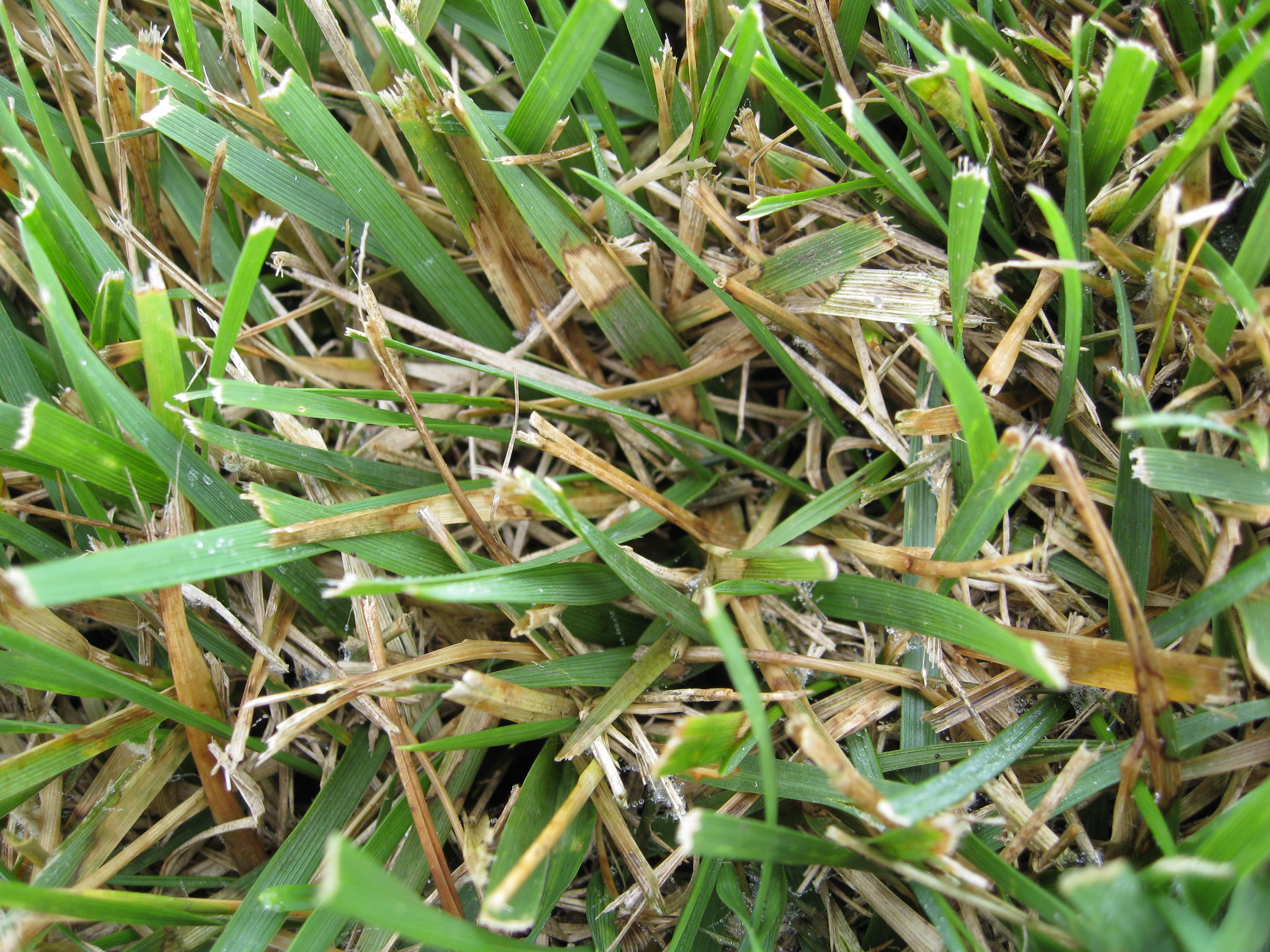
Hot and sticky summer weather = brown patch and Pythium
June 8, 2018Is this brown patch in a tall fescue home lawn? Look for lesions to be sure! See below!
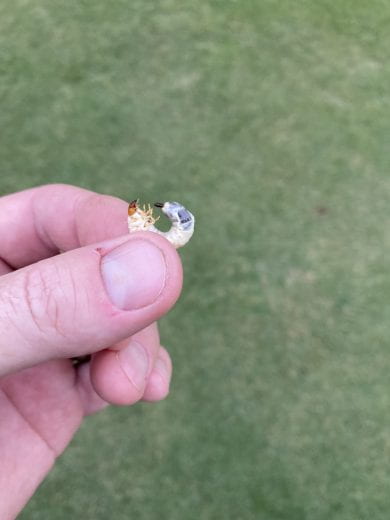
Attack of the 1 inch C-shaped Grub
June 9, 2017(By Jared Hoyle, KSU Turfgrass Research and Extension)