Timing Your Turf: A Guide to Preemergence Herbicides
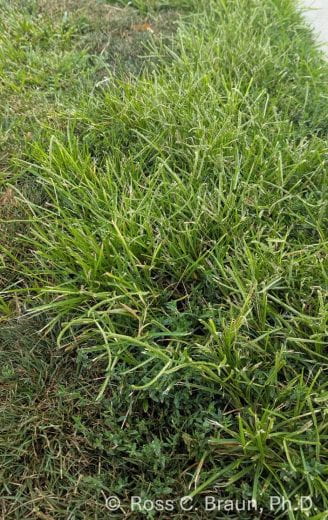
Maintaining a healthy weed-free turfgrass system sometimes requires more than just mowing and watering; it requires a strategic defense against invasive annual weeds. For many turf managers, preemergence herbicides are the foundation of this defense, particularly for controlling summer annual grasses such as crabgrass, goosegrass, and foxtail, and annual broadleaves such as knotweed and spurge.
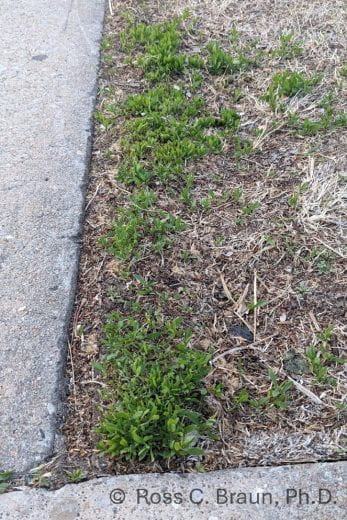
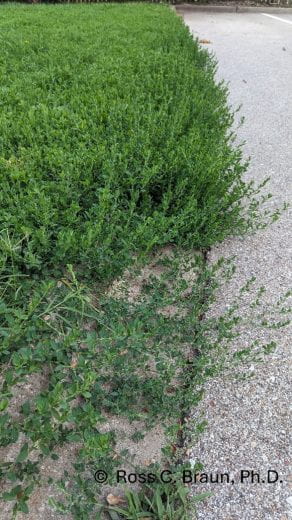
Before Immediately Choosing to Apply a Herbicide, the Best Defense Against Weeds is…
Maintaining a dense, healthy, growing turf by mowing higher and proper N fertilization timings. Maintaining good turf density through appropriate cultural practices for the grass type you are managing helps reduce weed invasion, including annual weeds. Consistently mowing at the higher end of the recommended height range has been shown to significantly lower the populations of crabgrass and other annual grasses compared to mowing at lower heights. Additionally, applying appropriate N rates and timing will increase turf density and overall health, helping it resist weed encroachment.
Back to Preemergence Herbicides
How They Work
Contrary to popular belief, preemergence herbicides do not prevent seeds from germinating. Instead, once they are watered into the soil (typically requiring about 0.25 to 0.5 inch of irrigation), they create a barrier in the soil that is absorbed by young weed seedlings. These seedlings then die before they even emerge through the soil surface. Because of this, application timing is critical—they must be applied before weed seeds germinate.
Timing Your Application
For summer annuals, applications generally occur between February and June, depending on the specific weed you are targeting:
- Knotweed: Germinates as early as late February or early March.
- Crabgrass: Typically germinates from late April to late May.
- Goosegrass and Spurge: These usually emerge later, from early-May into June.
To ensure the best results, don’t just rely on the calendar. Use a multi-step approach by monitoring soil temperatures, observing phenology—the bloom times of local ornamentals. For instance, crabgrass often begins germinating around the time forsythia and redbud trees are in bloom.
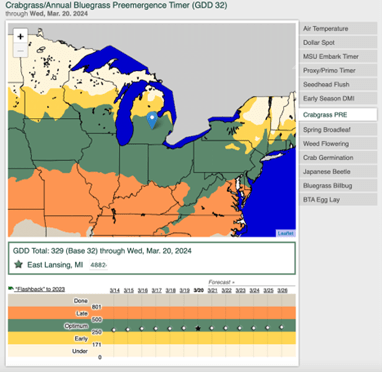
Another great tool for application timing are growing degree day (GDD) trackers. Growing Degree Days [Growing Degree Days (GDD)] are a measure of heat accumulation used to estimate the growth and development of plants, insects, and schedule applications such as crabgrass preemergence herbicide and plant growth regulators. These are becoming easier to use and more reliable. A great free resource is the growing degree-day tracker at Michigan State University (https://gddtracker.msu.edu/).
You just need to enter your ZIP code and select the Crabgrass PRE timer. I would recommend not relying only on GDD trackers but using them as a tool to confirm your other tracking methods listed above in the multi-step approach is helpful.
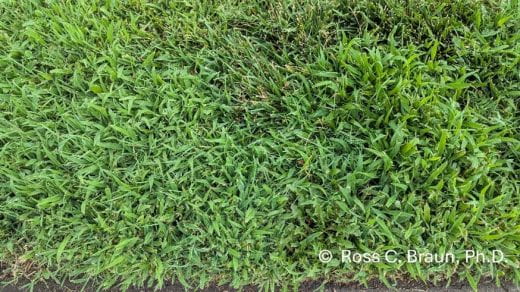
Maximizing Preemergence Success
- Split Applications: Research shows that two smaller applications (sequential) consistently provide better crabgrass control than a single large dose. Aim to apply your second round about 60 days after the first. Note: Read and follow the label instructions and requirements; the label is the law.
- Residual Longevity: The length of control varies by product. While some short-residual options last 8 to 12 weeks, products that contain prodiamine or dithiopyr (sold under various names) can offer much longer protection.
- Safety First: Most preemergence herbicides are not safe if you are seeding new turf this spring, as they will inhibit the growth of your desirable grass seedlings. If you must seed and treat simultaneously, look for specialized products containing mesotrione, but carefully read label instructions for species tolerance and application timing.
- What Preemergence Products to Use? There haven’t been many developments or new preemergence products for turfgrass systems over the last decade. This is because the currently available options work really well! More revently, newer products have been combination products of one or more of the active ingredients listed below. Here is a list of some preemergence herbicides, sorted in no particular order.
| Active ingredient | Usage Context |
| Prodiamine | High efficacy against annual grasses and broadleaves in landscape and turfgrass systems; has a long residual for early spring or late-fall application |
| Dithiopyr | Unique because it offers preemergence AND early postemergence control on young crabgrass seedlings (before tillering) in landscape and turfgrass systems |
| Pendimethalin | Very effective annual grass and broadleaf control; safe for landscape beds and for most turf species |
| Mesotrione | Not a true preemergence herbicide because it has more postemergence activity. But specifically safe for use during or after seeding of tolerant species like cool-season grasses (those listed on the label) and zoysiagrass |
| Bensulide | Commonly used in landscape beds, but safe for some specific turf species |
| Isoxaben | Effective against annual broadleaf weeds only; it does not control grasses |
| Oxadiazon | Controls annual grasses and some annual broadleaves; safe for newly sprigged or plugged warm-season turf |
| Indaziflam | Provides long-term control, but is safe for only warm-season turf and landscape beds |
| Siduron | Specifically safe for use at the time of seeding cool-season grasses and zoysiagrass; but is no longer manufactured |
| Benefin | Controls annual grasses and broadleaf weeds for landscape beds and most turfgrasses, often found in combination products |
| Oryzalin | Controls annual grasses and broadleaf weeds, often used in landscape bed products; safe for warm-season turf and tall fescue |
| Trifluralin | Controls annual and broadleaf weeds, more often used in landscape beds |
Final Thoughts
By understanding the life cycle of your target weeds and selecting the right active ingredient, you can keep your turf healthy and resist annual weed invasions throughout the season.
For more information on preemergence herbicides, crabgrass prevention, and increasing the effectiveness of preemergence herbicides, see here: