Teaching old vaccines new tricks
Audrey Matheny is researching whether existing West Nile vaccines could offer U.S. swine a new line of defense against Japanese encephalitis virus
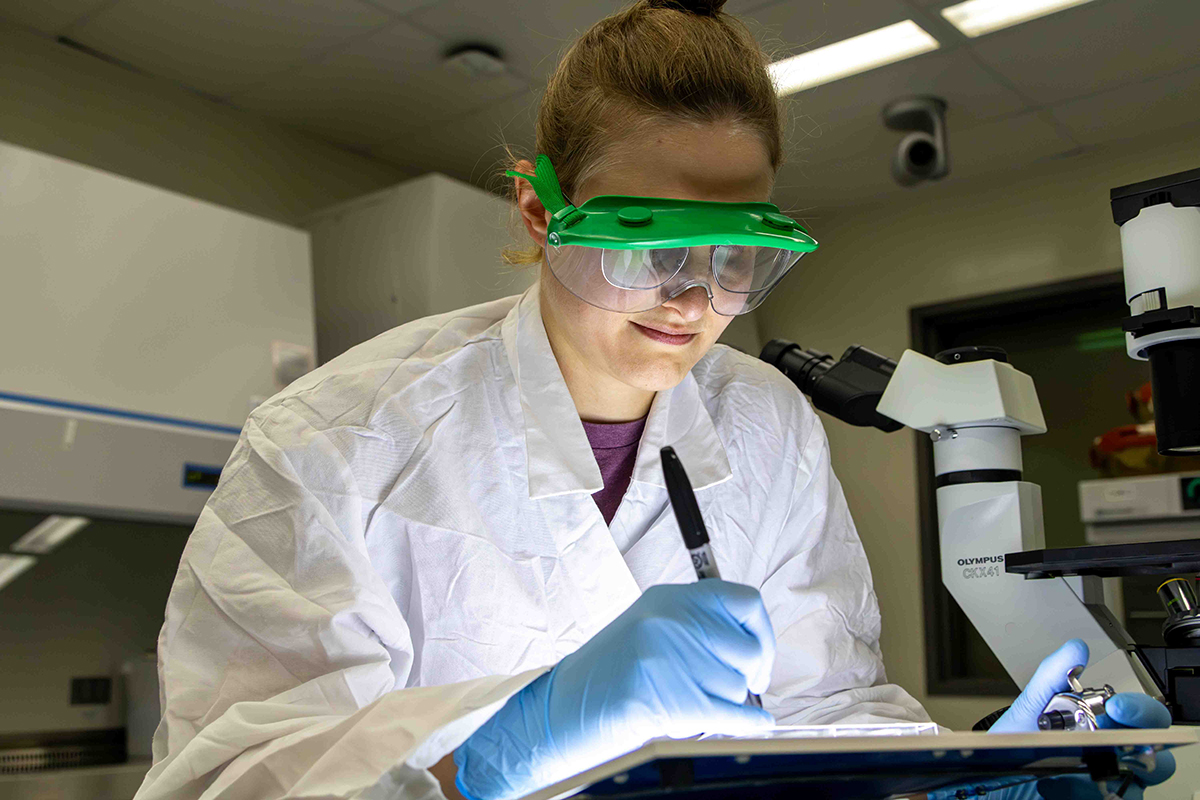
Doctoral candidate Audrey Matheny is exploring whether existing vaccines could help keep Japanese encephalitis virus at bay. All photos staged in BRI training laboratory; no live agent in use.

By Audrey Matheny
Graduate School
Wednesday, Nov. 4, 2026
Producing around $30 billion in value each year, the U.S. pork industry is a significant agricultural sector, making its stability crucial.
Maintaining a stable industry requires strong herd health measures — such as surveillance, and vaccination — to prevent and detect outbreaks of animal diseases.
Understanding the threat of Japanese encephalitis virus
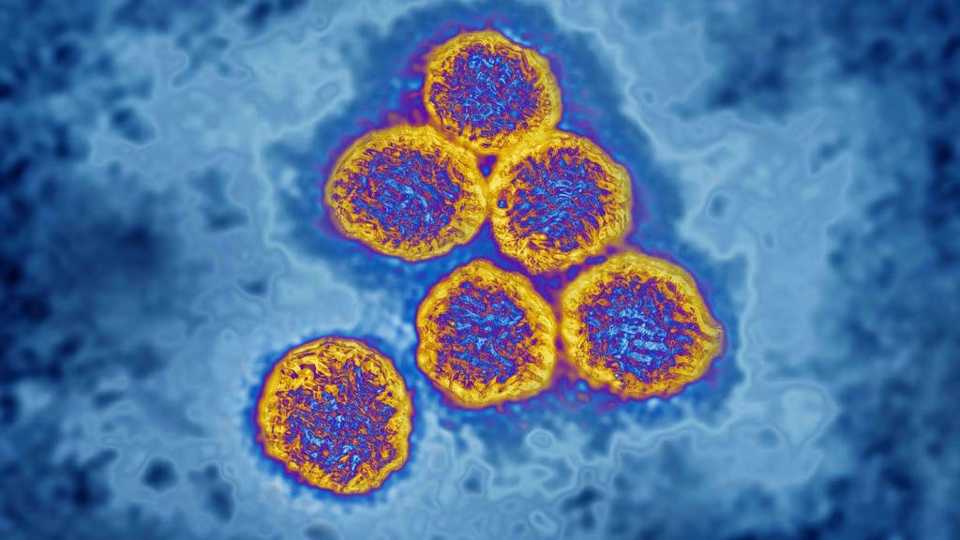
Japanese encephalitis virus, or JEV, is the leading cause of viral brain infections in Asia among adults and children. The virus is mainly transmitted among mosquitoes, pigs and wading birds.
Pigs are key hosts of JEV because they are usually kept in large numbers and are able to transmit the virus back to mosquitoes. JEV infects people through the bite of an infected mosquito, causing flu-like illness in some cases and severe disease or death in others.
JEV infection in pigs is usually mild, but it can cause reproductive issues that affect pork production. This effect was seen in a recent JEV outbreak in Australia’s commercial pork farms that led to significant economic losses in addition to several human deaths.
JEV is not currently in the U.S. but the outbreak in Australia shows the virus is able to pop up in new locations, highlighting the risk of JEV showing up in the U.S.
Exploring an alternative vaccine
To date there are no specific treatments for JEV; therefore, the main defense for humans and animals is vaccination.
Although a human JEV vaccine is available, one critical issue is the lack of JEV specific vaccines to protect pigs or other animals. There are, however, veterinary vaccines for the closely related virus, West Nile virus.
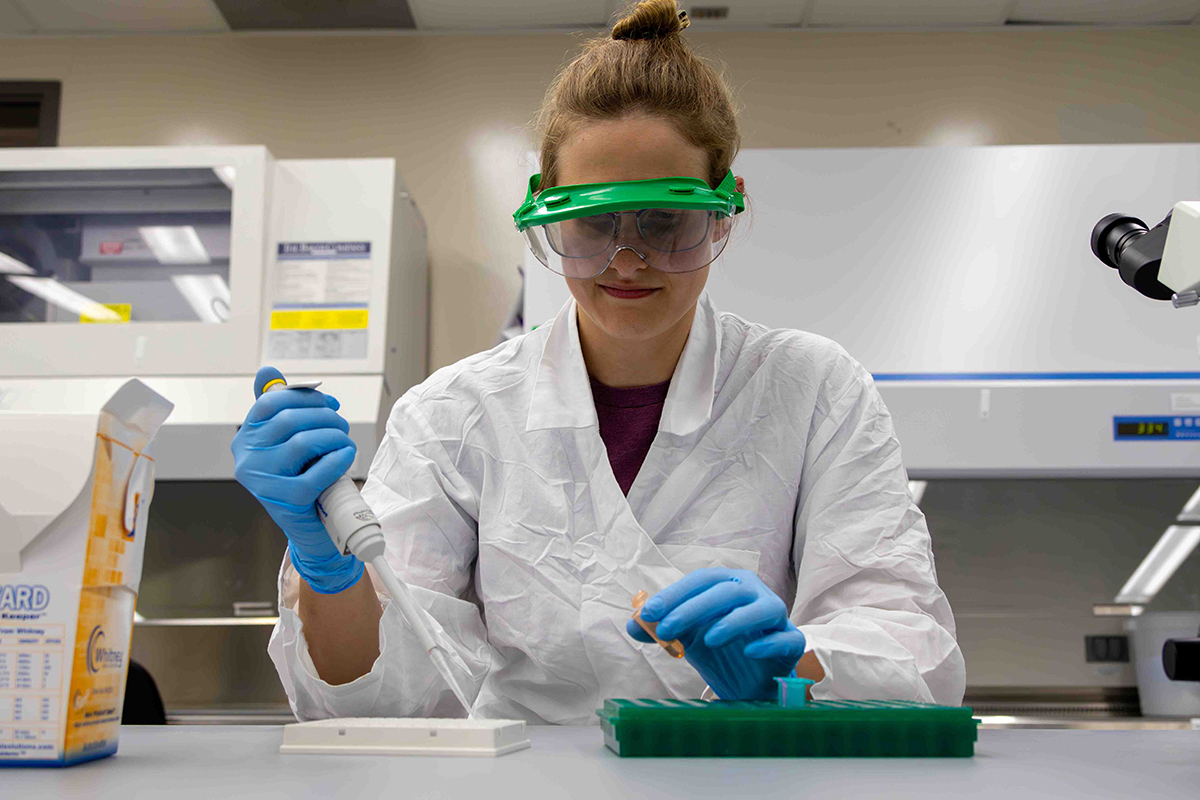
My dissertation research focuses on addressing the current lack of veterinary JEV vaccines by attempting to use these already existing West Nile vaccines to cross protect pigs against JEV.

“These vaccines could be an important tool to prevent disease and lower the likelihood of JEV becoming established if it’s introduced into the U.S.”
Audrey Matheny
I first selected three West Nile vaccines and administered them to multiple groups of pigs. I collected blood from the pigs and mixed the blood with the virus to see if antibodies in the blood could kill the virus.
Encouragingly, blood from all vaccinated pigs contained antibodies that could kill the virus. I then selected the vaccine that produced the highest antibody levels for a viral challenge study. I vaccinated additional groups of pigs, then challenged them with JEV.
After challenge, I monitored them for signs of disease and collected blood to look for the virus. The vaccinated pigs showed no or reduced signs of disease and most significantly had no detectable live JEV in their blood at any time during the study.
Potential to protect U.S. swine
My results show these West Nile vaccines may be able to stop infected pigs from transmitting JEV to mosquitoes, eliminating one branch of the JEV transmission cycle, and can protect them from serious disease, limiting economic losses from JEV infection in commercial farms.
These vaccines could be an important tool to prevent disease and lower the likelihood of JEV becoming established if it’s introduced into the U.S.
Audrey Matheny is a doctoral candidate of pathobiology in the College of Veterinary Medicine. Her research is supervised by Dana Vanlandingham. All research with live Japanese encephalitis virus was conducted in high-containment laboratories at the Biosecurity Research Institute following all applicable local, state and federal regulations. This story was adapted from Matheny's Three-Minute Thesis presentation "Evaluation of cross-protective immunity of West Nile vaccines against Japanese encephalitis virus in swine."
Related Stories

Making plant stress visible
Not everything that’s green is thriving. Kelechi Igwe, a doctoral student in biological and agricultural engineering, is developing technology that can leverage...
A cooler kind of capsaicin
Could the chemistry behind chili peppers help protect the heart—without the burn? Doctoral student Nik Carpenter is studying a capsaicin-inspired compound...

Small talk, big impact
Sarah Fenn, master's student in kinesiology, is developing a toolbox that doctors can use in speaking with women and helping them reduce their risk for major...