A cooler kind of capsaicin
Nik Carpenter investigates how a compound modeled after chili pepper heat could help reduce high blood pressure during exercise


By Nik Carpenter
Graduate School
Monday, Aug. 3, 2026
Editor's note: "Driven to Discover" spotlights Kansas State University graduate students who are turning research ideas into real-world impact. Through their own voices, they share how their time at K-State is shaping discoveries that strengthen Kansas and serve the world.
Let's keep things short and spicy: what if we could tackle the risks of high blood pressure with something as simple as spice?
When people with cardiovascular disease exercise, one of the biggest dangers they face is dangerously elevated blood pressure, increasing their risk for more severe events like heart attack and stroke. But studies in animals and humans show that capsaicin — the main molecule responsible for the spice, or "heat," in peppers — can reduce blood pressure during exercise.
In other words, the same molecule that might burn a person's taste buds could be the same thing that prevents them from dying of a severe heart attack.
You might see the immediate issue: capsaicin generally doesn't feel very good, either in your mouth or on your skin, where it can have moderately to severely irritating effects.
But thankfully, chemists have developed a version of capsaicin called olvanil, which triggers many of the same pathways and receptors that a chili pepper might, without any of the burning, irritating effects of capsaicin.
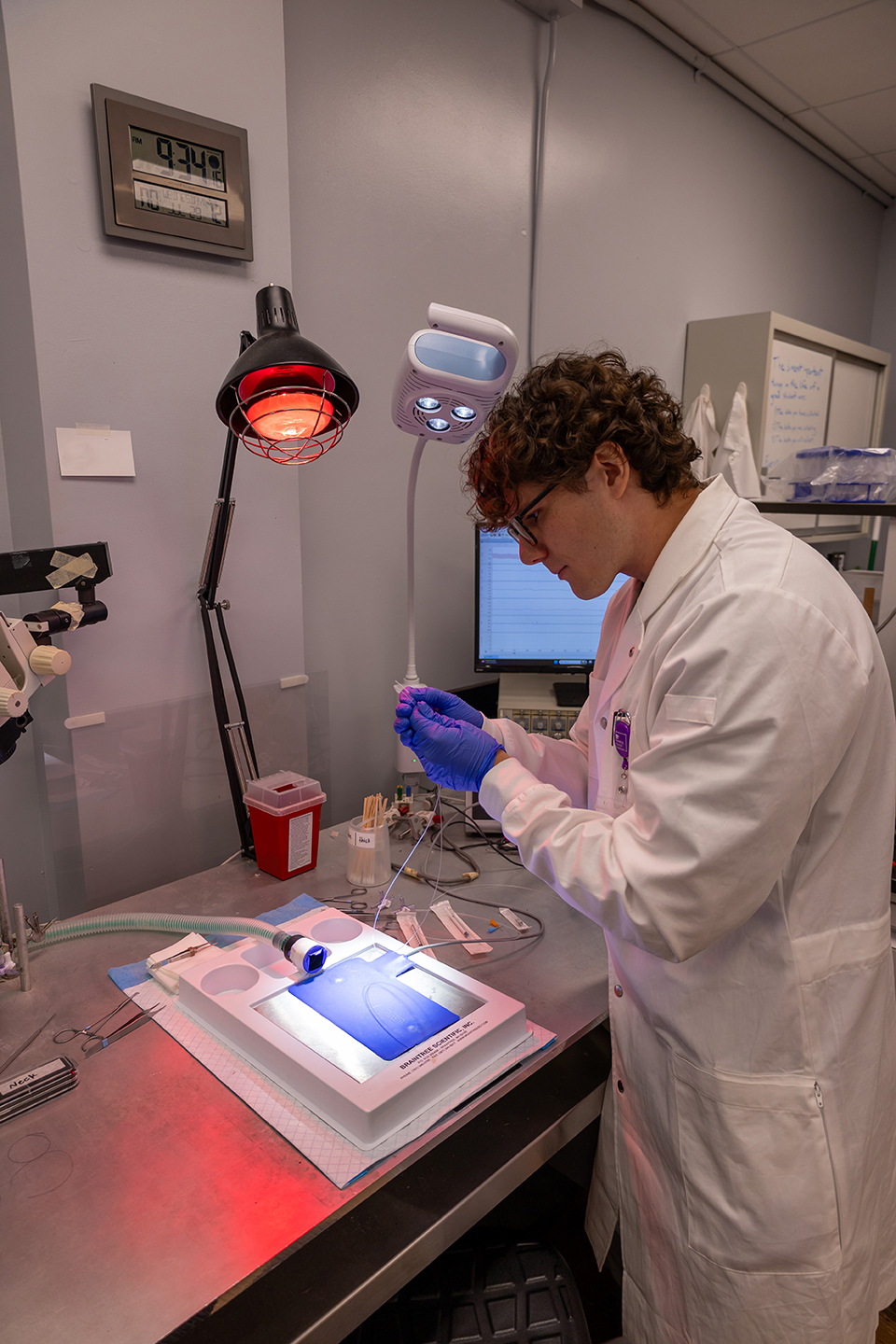
My lab's research hypothesizes that by giving olvanil prior to exercise, we will see reduced blood pressure responses. To test this, we trained rats with a controlled-form of cardiovascular disease to run on treadmills in two intervals, with a dose of olvanil administered in between. We then used monitors to compare their blood pressure levels before and after olvanil administration.

“The study is ongoing, but the implications are clear: with further development of a first-step study like this, we could very well see reduced risk of severe heart incidents and longer life expectancies for people with cardiovascular disease.”
Nik Carpenter
Excitingly, our results in this animal model of cardiovascular disease show that olvanil may be a promising approach for reducing blood pressure responses.
The study is ongoing, but the implications are clear: with further development of a first-step study like this, we could very well see reduced risk of severe heart incidents and longer life expectancies for people with cardiovascular disease.
It’s safe to say we have a hot finding, and I'm excited for the future of the work.
Nik Carpenter is a doctoral student in the School of Health Sciences. This column was adapted from Carpenter's Three-Minute Thesis presentation, "Harnessing the Power of the Pepper."
Related Stories

Spinning sustainable food packaging
Elif Peker, a spring 2026 master's graduate in food sciences, is developing methods that can electrospin sorghum byproducts into useful, biodegradable packaging...

Building beyond game day
What can Kansas City gain from hosting the World Cup? Salma Aouam, a spring 2026 master's graduate in regional and community planning, says the event could...

Small talk, big impact
Sarah Fenn, master's student in kinesiology, is developing a toolbox that doctors can use in speaking with women and helping them reduce their risk for major...