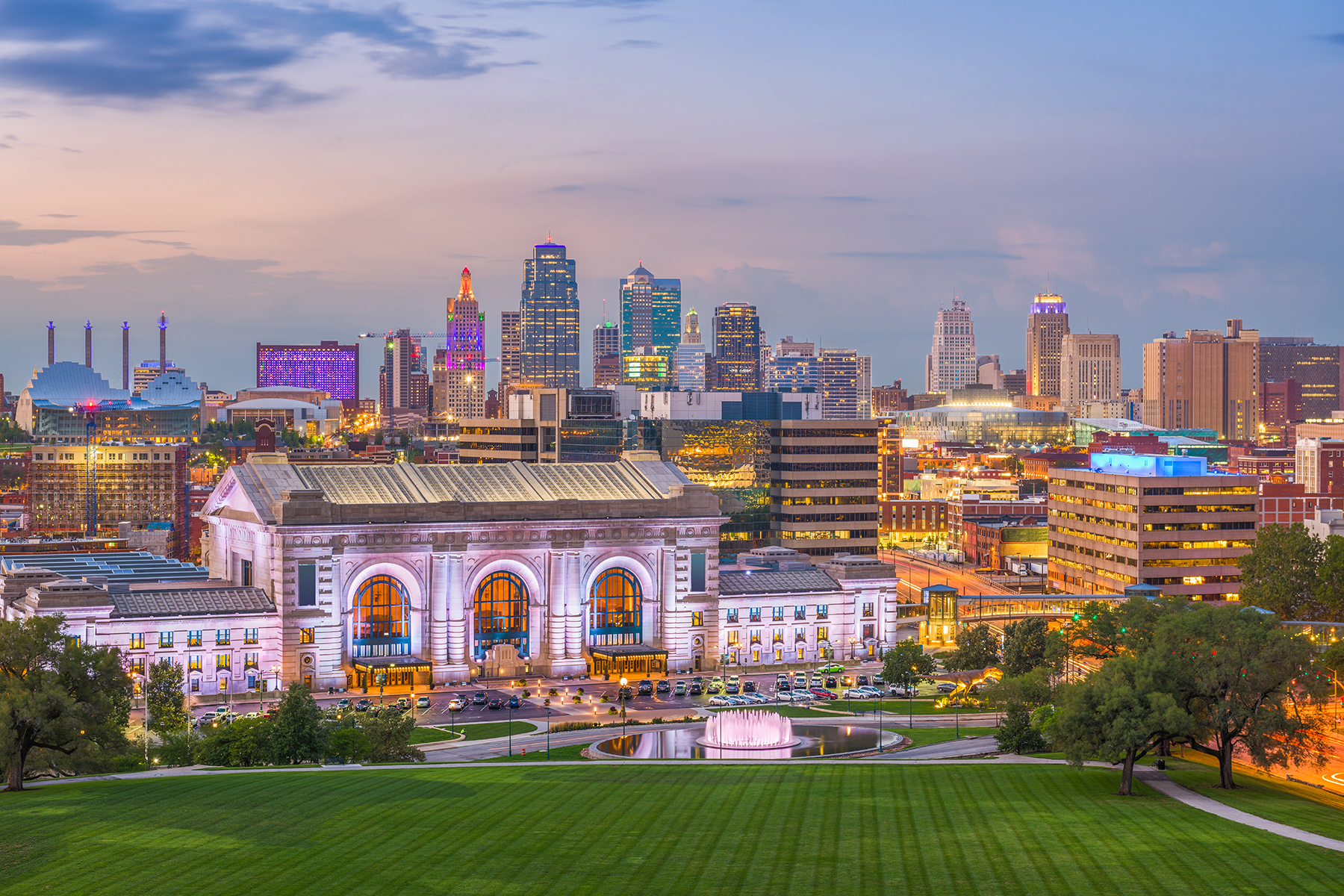
Building beyond game day
Salma Aouam's research shows opportunity for Kansas City regional transportation long after World Cup buzz
By Salma Aouam
Graduate School
Thursday, June 4, 2026
Editor's note: "Driven to Discover" spotlights Kansas State University graduate students who are turning research ideas into real-world impact. Through their own voices, they share how their time at K-State is shaping discoveries that strengthen Kansas and serve the world.
The world is on its way to Kansas City for the 2026 FIFA World Cup, and far beyond soccer, there are great opportunities for the midsize city and others like it this summer.
Cars have long been the driving force in regional transportation networks in the Midwest, but the systems that are being developed for the World Cup matches could show that doesn't have to be the case.
Urban mobility and Kansas City
Over the course of my graduate research career, I've focused on mega-sporting events — like the FIFA World Cup, the Super Bowl and the Olympic Games — and how they can affect urban mobility in cities like Kansas City.
Compared to their larger primary counterparts, secondary cities often lack the more developed transportation networks and infrastructure that large events typically rely on to transport fans and tourists.
Out of the 11 U.S. host cities selected by FIFA, Kansas City is among the smallest, but it also means it has some of the best opportunity to learn and grow from hosting matches this year.
To learn more about that potential, I examined how other midsize cities — including Monterrey, Mexico, Durban, South Africa and Brisbane, Australia — had navigated transportation for large sporting events, and how those events had led to longer term changes in planning, policy and infrastructure, if any.
Opportunities for the heartland
That analysis showed that there are three distinct opportunities for Kansas City this summer, especially given the potential of building alternative forms of transportation to cars.
Economically, Kansas City is the central point for a large, multistate region. As tourists come to the region for World Cup festivities, they won't just stay in Kansas City. They'll visit national parks in Arkansas, visit bison farms in Missouri and hike prairies in Kansas. They'll experience that classic version of Midwest America, and it's something they'll remember long after the tournament. We saw that happen with South Africa after the 2010 World Cup, and with newfound visibility and exposure, these cities can become new destinations for worldwide travelers.
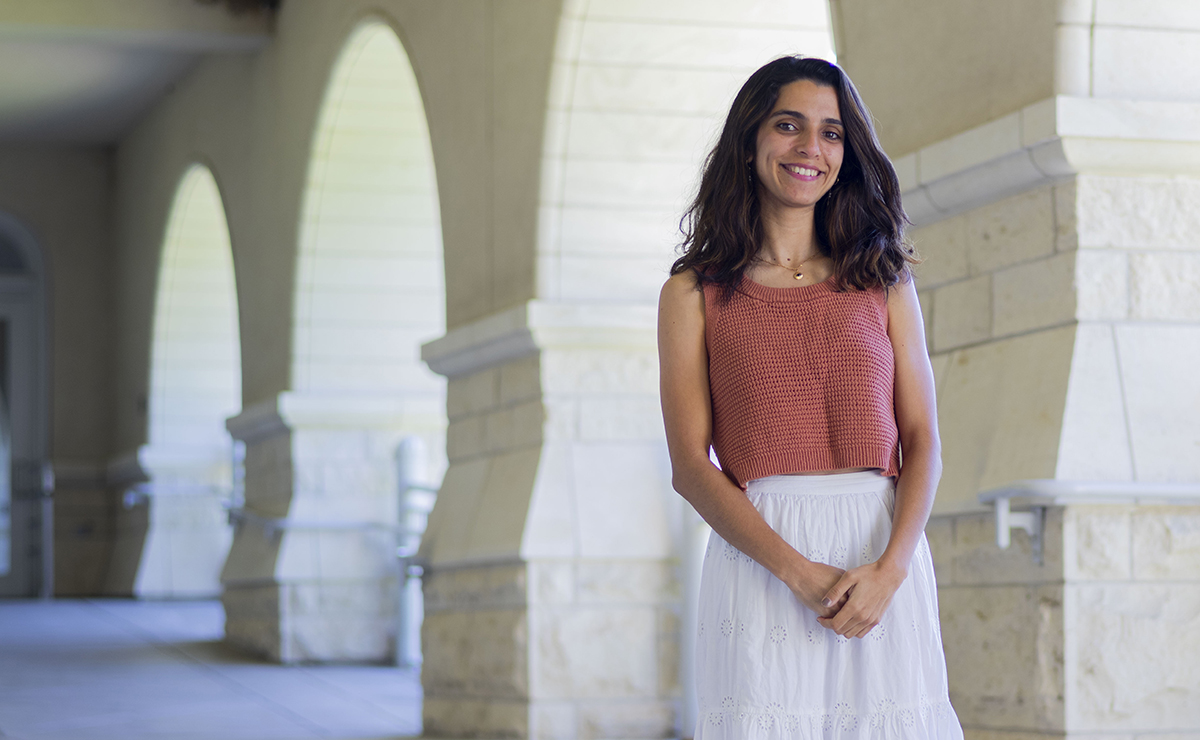
“The U.S. is more than its coasts, and with proper planning and infrastructure, Kansas City can easily rival some of the world's premier first-class cities.”
Salma Aouam
The second opportunity is introducing and strengthening park-and-ride culture in the Midwest. For Kansas City, the KC 2026 planning committee is renting 200 buses to move people from parking lots around the region to Arrowhead Stadium for the games and festivities. If this proves successful and people enjoy that experience, it could be something to implement on a longer-term basis.
The third opportunity is the KC 2026 structure itself. More than 20 entities are included in the KC 2026 planning, and if they could continue to work together after the tournament, that could lead to better, more permanent transportation networks for Kansas City and greater region.
Kansas City can showcase best of Midwest on international stage
All of these are big "ifs." We may see a lot of confusion when international tourists land in Kansas City for the World Cup and find out they can't walk to the stadium, like they might in other big cities or in their home countries.
But more than anything, the World Cup presents a phenomenal opportunity for Kansas City to showcase what it is, and what it could be.
The U.S. is more than its coasts, and with proper planning and infrastructure, Kansas City can easily rival some of the world's premier first-class cities.
Salma Aouam was a Fulbright Scholar and received her master's in regional and community planning from K‑State in spring 2026.
Related Stories
Small talk, big impact
Sarah Fenn, master's student in kinesiology, is developing a toolbox that doctors can use in speaking with women and helping them reduce their risk for major...
Fighting cancer by building nature's most complex molecule from scratch
Vidya Nadar’s journey in the Three Minute Thesis Competition takes her from the Little Apple to the national stage —illustrating why communicating research...
Unwrapping the sweet mystery
Shivaprasad Prakash is driving techniques that will make flour-based products, like raw cookie dough, safer for everyone.