Unwrapping the sweet mystery
Shivaprasad Doddabematti Prakash is making raw cookie dough safe for everyone

By Shivaprasad Prakash
Graduate School
Wednesday, April 1, 2026
Editor's note: "Driven to Discover" spotlights Kansas State University graduate students who are turning research ideas into real-world impact. Through their own voices, they share how their time at K-State is shaping discoveries that strengthen Kansas and serve the world.
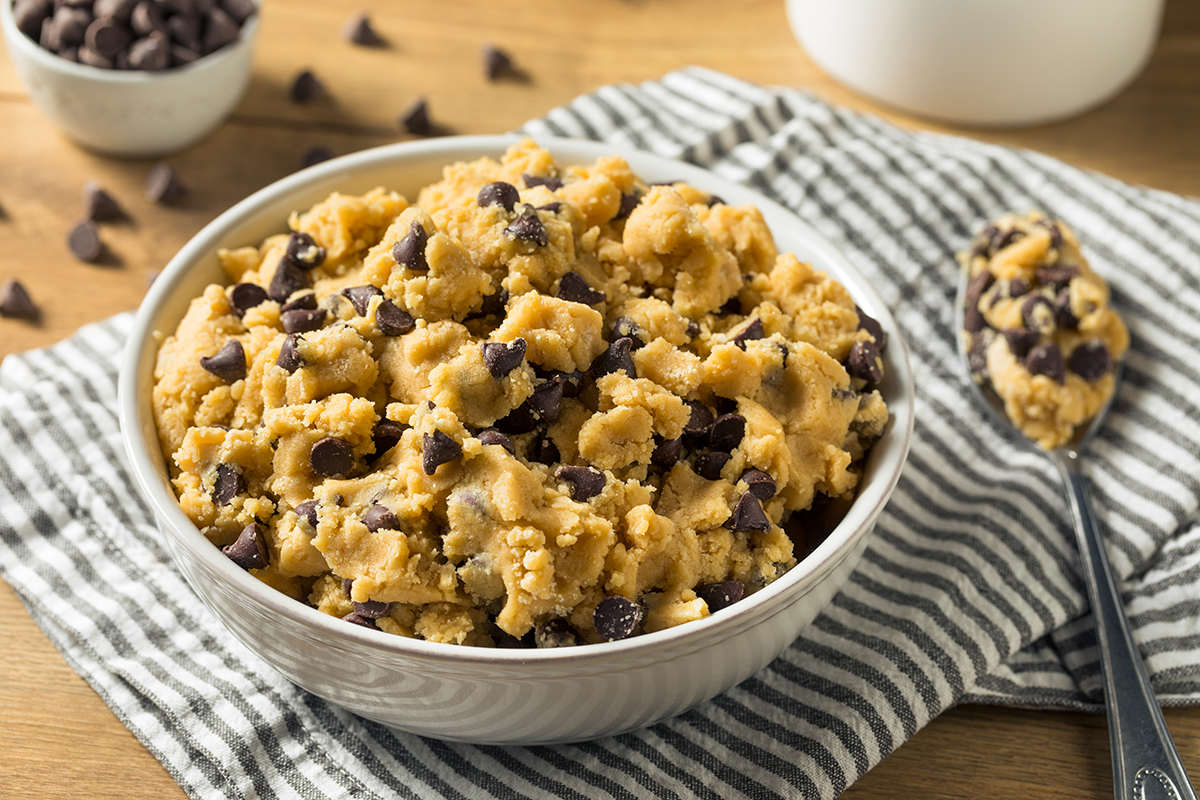
Baking is a fun holiday hobby for people of all ages, with the appeal of a bit of sweet aroma. It's easy to be tempted to sneak a bite before the cookies finish baking.
However, consumption of this raw, unbaked cookie dough — even as a snack or in ice cream — poses a potential food safety risk that is not very well understood.
Most people assume that egg is the only risky ingredient in the manufacturing of our cookie dough.
Surprisingly, there's another culprit that is often ignored: wheat flour. Yes, the very ingredient that makes up our beloved cookie dough could pose a significant food safety threat, leading to foodborne illness.
Foodborne illness has long been a topic of concern in both developed and developing countries.
In the U.S. alone, foodborne illness is linked to the death of at least 3,000 people every year.
Where wheat contamination happens
In terms of food safety, wheat grains and wheat flour — some of the more common ingredients in baked goods — are generally thought to be low-risk foods due to their low moisture content.
However, over the past decade, we have had multiple recalls, illnesses, and outbreaks specifically linked to wheat flour contamination with enteric pathogens such as E. coli and Salmonella.
Just last year, over 50 metric tons of wheat flour were recalled in the U.S. due to potential Salmonella risk. That trend has continued through this year, with multiple recalls occurring on a day-to-day basis.
So, where does this contamination actually occur? In an ideal industrial setting, wheat grains are milled into wheat flour without a kill step, so any pathogens present on the grains are redistributed into mill fractions, thereby contaminating the final product.

A new approach to safer milling
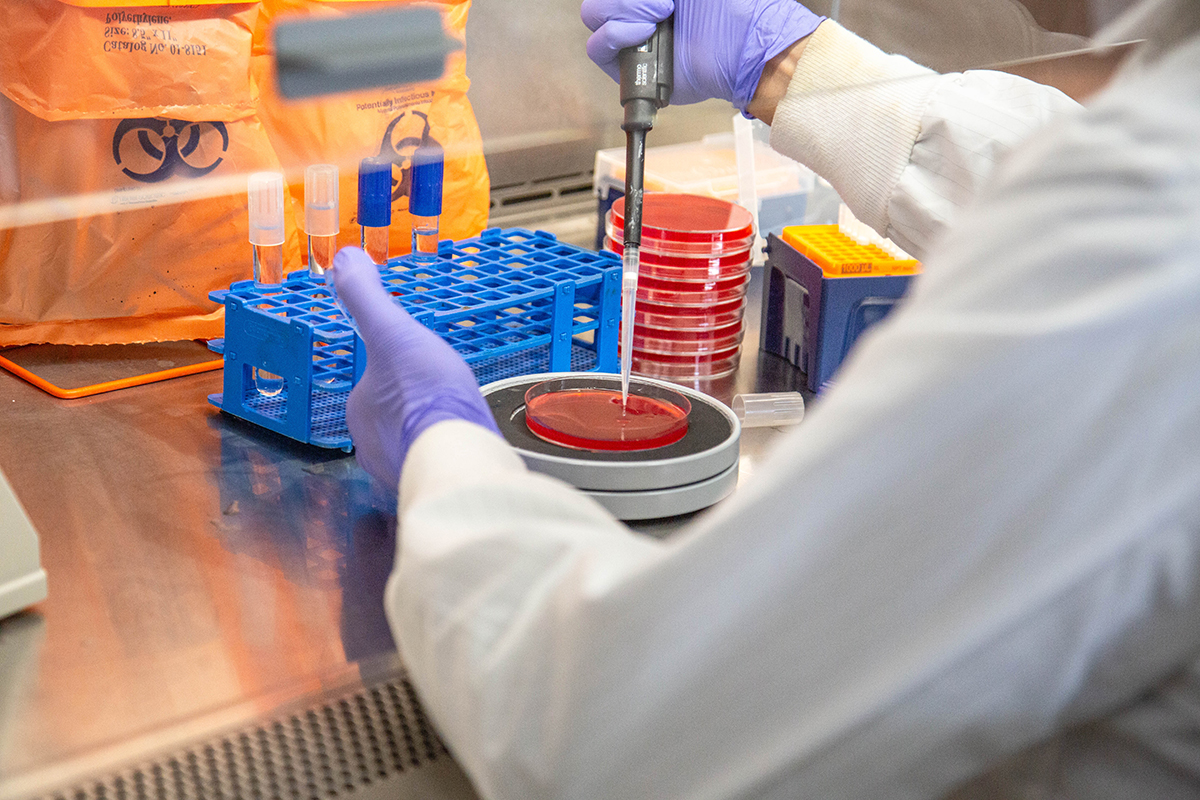
My research primarily focuses on developing antimicrobial intervention strategies to combat these pathogens effectively and efficiently.
One way we can achieve this is by adding antimicrobial agents to the tempering water. Tempering is a hydration process where wheat grains are conditioned briefly for a period of 18 to 24 hours prior to milling.
Traditionally, it is done by adding water, which can be replaced by antimicrobial agents like lactic as well as citric acid.
Promising results
The preliminary result of my research is promising, showing a staggering 99.9% inhibition in the total Salmonella load without affecting the overall functionality or the quality of our beloved baked goods.
With this in mind, antimicrobial tempering could very well be our "knight in shining armor," ensuring that our cookie dough — and indeed all flour-based products — are not only delicious but also safe for consumption.
In the end, making flour safer means the simple joy of baking can stay exactly what it should be: sweet and worry-free.
Shivaprasad Doddabematti Prakash is a doctoral candidate in the Department of Grain and Food Science. This story was adapted from Prakash's Three-Minute Thesis presentation "Unwrapping the sweet mystery: Is your cookie dough a safe delight?"