When grief crosses borders
Doctoral candidate Adam Hedelund is researching how to improve support systems for international students as they navigate grief far from home
By Adam Hedelund
Graduate School
Wednesday, Oct. 7, 2026
Editor's note: "Driven to Discover" spotlights Kansas State University graduate students who are turning research ideas into real-world impact. Through their own voices, they share how their time at K-State is shaping discoveries that strengthen Kansas and serve the world.
When someone you love dies, you want to be with the people who understand your loss, because they feel it too. You want to return home to your family, your community, and the support systems you’re familiar with.
But for international students studying in the U.S., home can be hundreds or thousands of miles away, putting them in the difficult spot of choosing to disrupt their studies to go home or navigating grief by themselves.
Researchers estimate that, on average, 41% of college students will experience a loss during their studies. We do not know how many of those students are international, but in 2025, the Institute of International Education reported 1.2 million international students studying in the U.S.
If international students made up even just 5% of that 41%, that would mean roughly 50,000 international students experience loss during their studies. Our guess is that number is much higher.
My collaborator and friend Hye Jin Lee and I both experienced loss during our studies, and we were both lucky enough to be able to go home and grieve with our families. Those experiences led us to wonder: what are support systems like for an international student who cannot go home when they learn that their loved one has died?
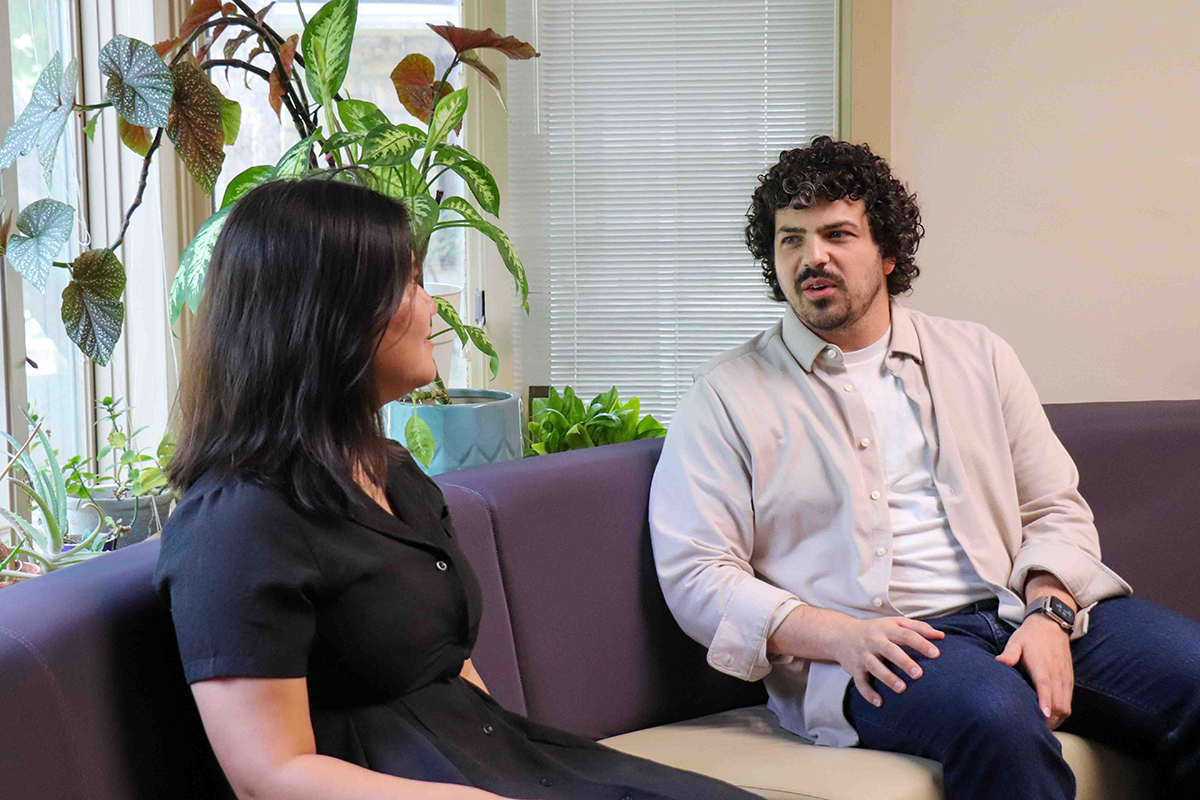
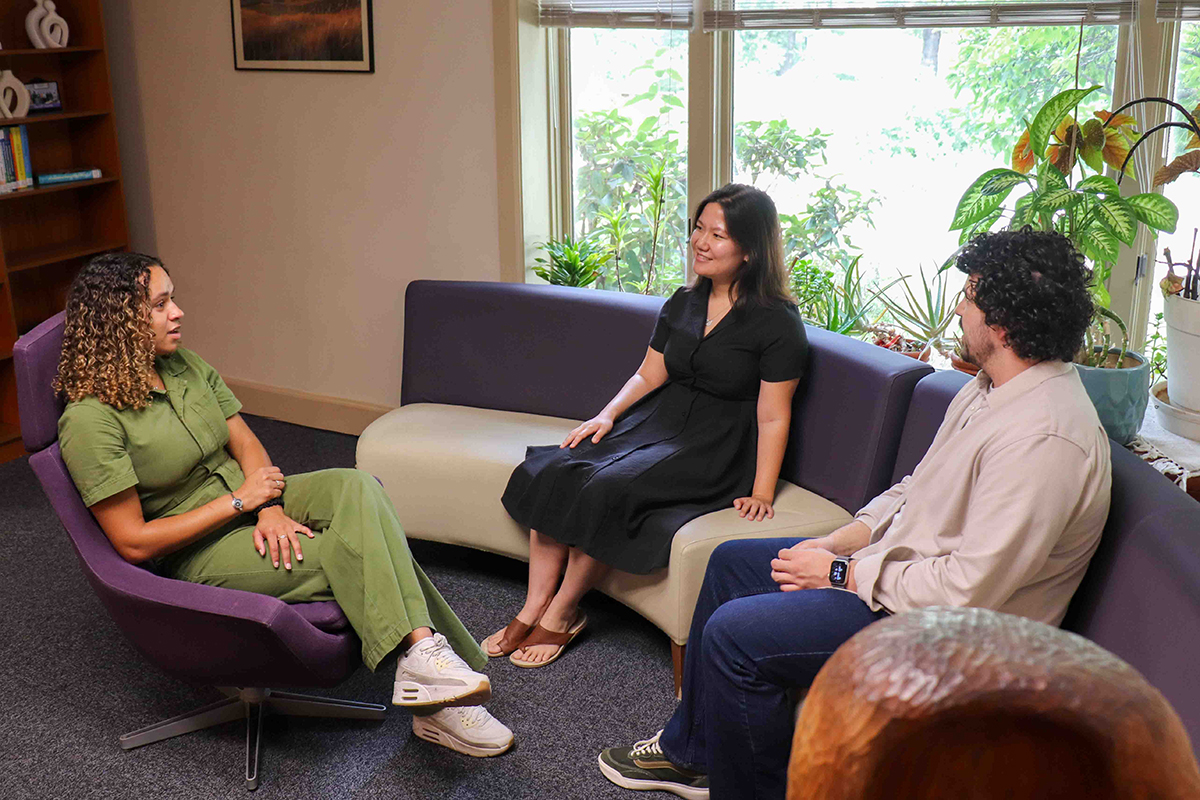
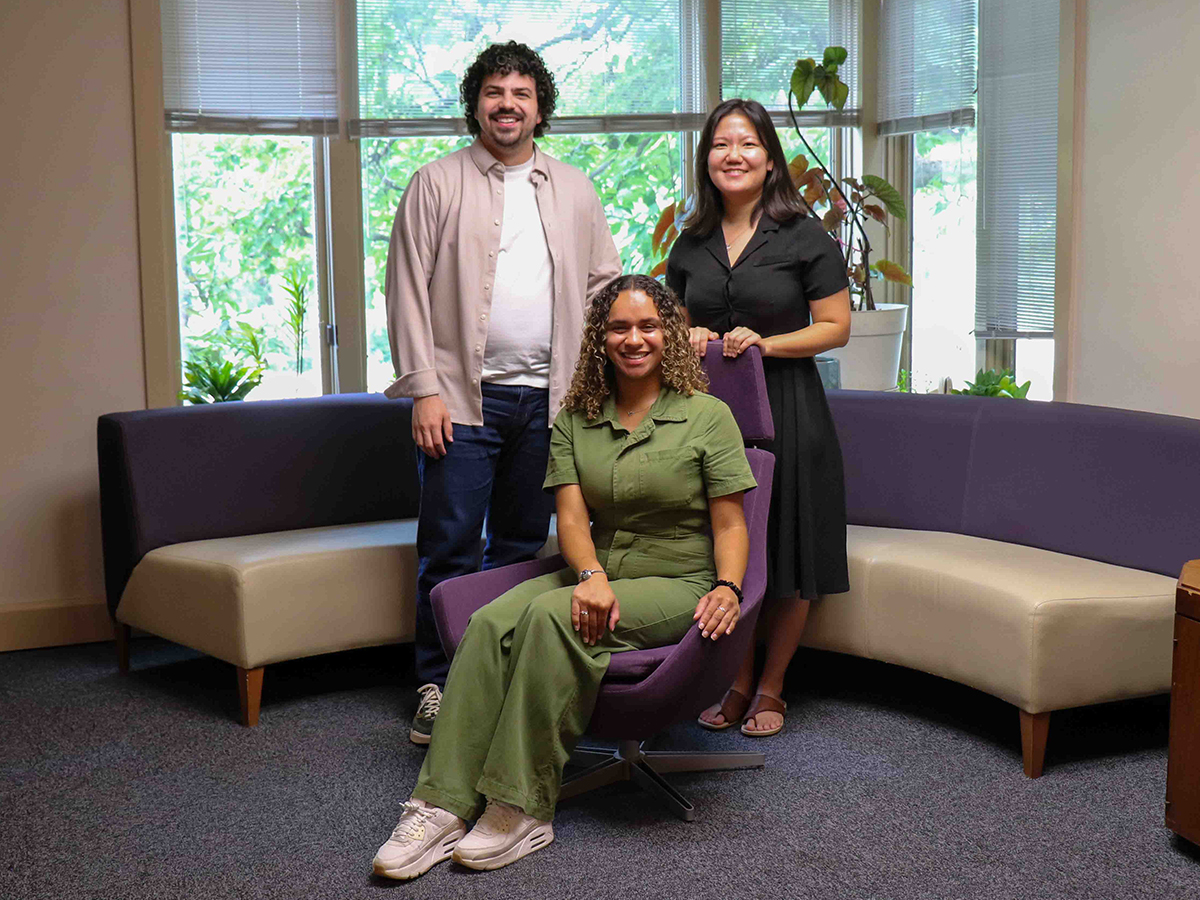
To better understand those systems, we took a qualitative approach, holding one-on-one conversations with several international students from all over the world. The power of this approach comes from collaboration, so we formed a research team. As a grief researcher, I guide the project in theory and terminology, Hye Jin guides us through her research on multicultural families and draws from her experience as an international student, and Vianette Peña guides the research through her lens as first gen scholar and her work with multigenerational trauma.
As a team we have immersed ourselves in their stories, reading them over and over and over again.
Together, our perspectives enrich what we learned — and their stories have taught us three main things.
Distance, confusion and community
First, distance changes everything. Being so far away from family meant that sometimes students didn’t go home. These decisions were made with their loved ones or sometimes, families even made decisions for them. One participant said her parents did not tell her for two months that her grandmother had died because they did not want to distract her during exams. Unable to return, they had to grieve in unfamiliar spaces with communities that often did not understand their loss.
Second, this is a disorienting bereavement process. Participants frequently explained a unique level of confusion while they experienced profound grief. One participant explained how navigating student support systems and policies was difficult enough, let alone trying to do so in an airport while still being new to U.S. culture. Another explained how she spent the first week of their grief completing confusing paperwork just so she could leave the country safely, only to miss parts of her father’s funeral.
Third, community and compassion were everything to international students. All of our participants expressed a longing to grieve with people who understood their culture, their grief and how they show love and support. The best support came from people who worked to understand the uniqueness of their grief and found any way they could ease the burdens of their day-to-day life – travel support, academic flexibility, and a listening ear.
How schools can support students experiencing grief
The research is clear: we need more research.
One student who suffers in silence is one too many, and we need to better understand — at scale — the impact of grief on international student mental health, identity and education. We also need best practices for support from peers, teachers and institutions.
Finally, higher education institutions can examine their bereavement policies to create better support structures for international students, as well as provide university staff trained and equipped with tools to support them.
Changing our response to this community is possible. We can learn how to better support our international students; we just need to learn how to see them in their grief and start the conversation.
Adam Hedelund is a doctoral candidate in couple and family therapy in the School of Human Sciences. This column was adapted from Hedelund's Three-Minute Thesis presentation, "Grieving Across the World: International Student Loss."
Related Stories
Making plant stress visible
Not everything that’s green is thriving. Kelechi Igwe, a doctoral student in biological and agricultural engineering, is developing technology that can leverage...
A cooler kind of capsaicin
Could the chemistry behind chili peppers help protect the heart—without the burn? Doctoral student Nik Carpenter is studying a capsaicin-inspired compound...
Small talk, big impact
Sarah Fenn, master's student in kinesiology, is developing a toolbox that doctors can use in speaking with women and helping them reduce their risk for major...