K-State students gain global agriculture perspective
Wildcats explore Poland's agriculture, history and culture during summer program
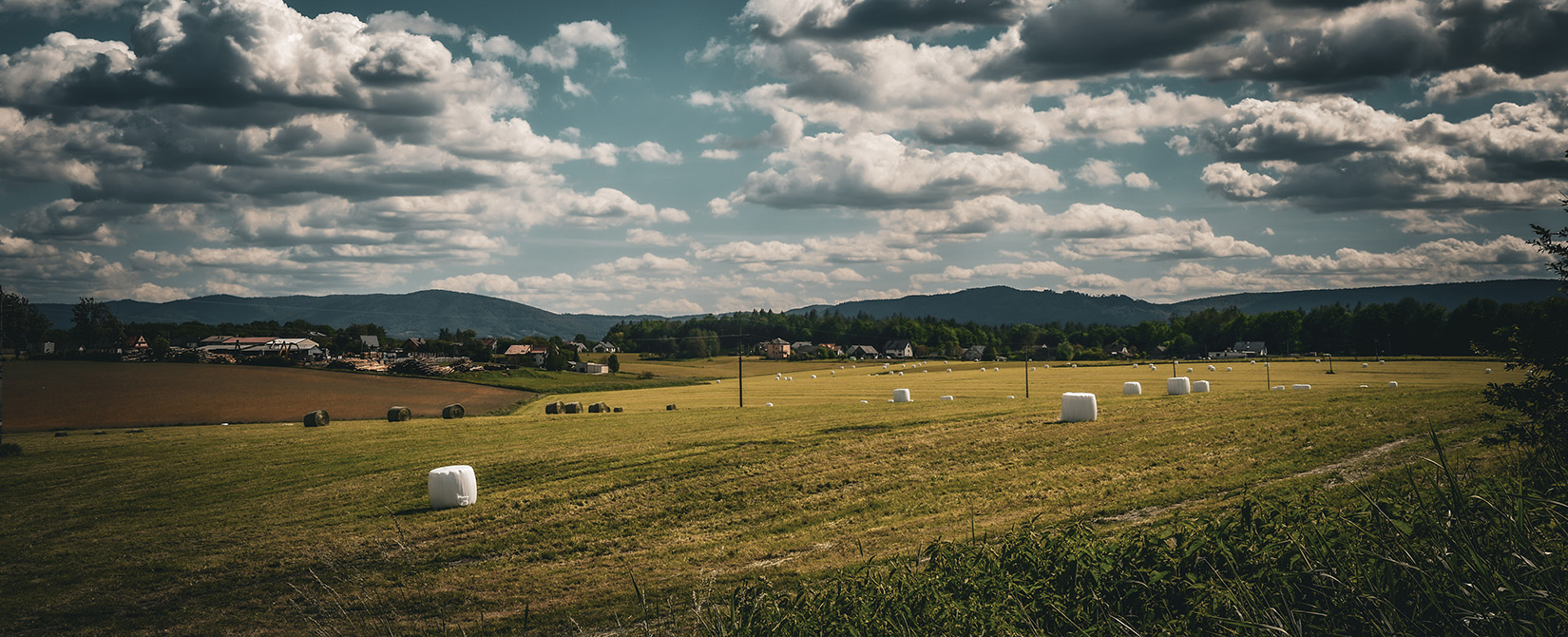
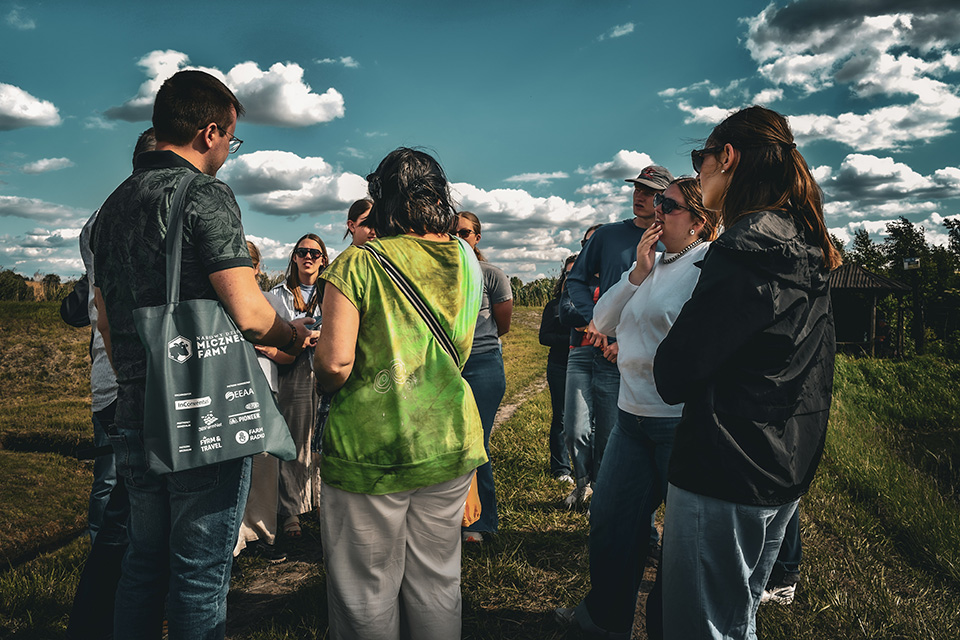
K-State agriculture students visited Poland to learn about international agriculture. All photos by Adeline Woods.
As Kansas State University students prepare to return to campus for the fall semester, participants in a recent agricultural education study abroad program are bringing back new perspectives on agriculture, culture and the connections that exist across borders.
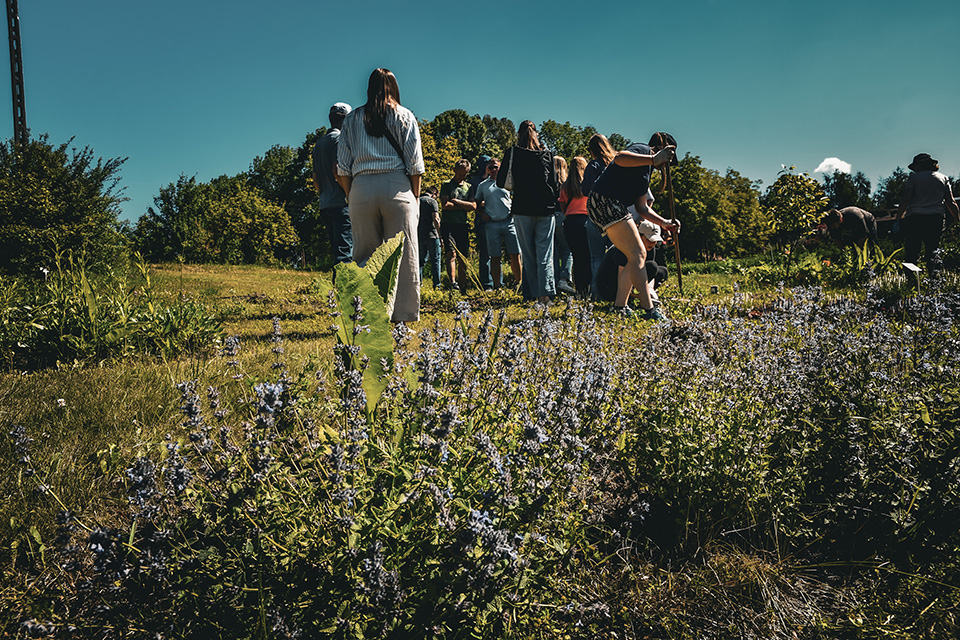
Students in the College of Agriculture traveled to Poland in May as part of the agricultural education study abroad program. Through visits to farms, agribusinesses, historical sites and cultural landmarks, participants explored how agriculture and society intersect.
"Study abroad experiences aim to help students view agriculture through a global lens while also developing cultural awareness, adaptability and self-confidence," said Gaea Hock, professor of agricultural education. Hock led the program alongside Brandie Disberger, associate professor of agricultural education.
Shared values across borders
While many students expected to learn about different farming practices, several returned with a deeper appreciation for the similarities between producers in Poland and the United States.
"Farmers and ranchers still share the same goals and challenges as we do back home," said Ella Pachta, graduate student in agricultural education and communication. "They value hard work, caring for the land, their livestock and preparing agriculture for future generations."
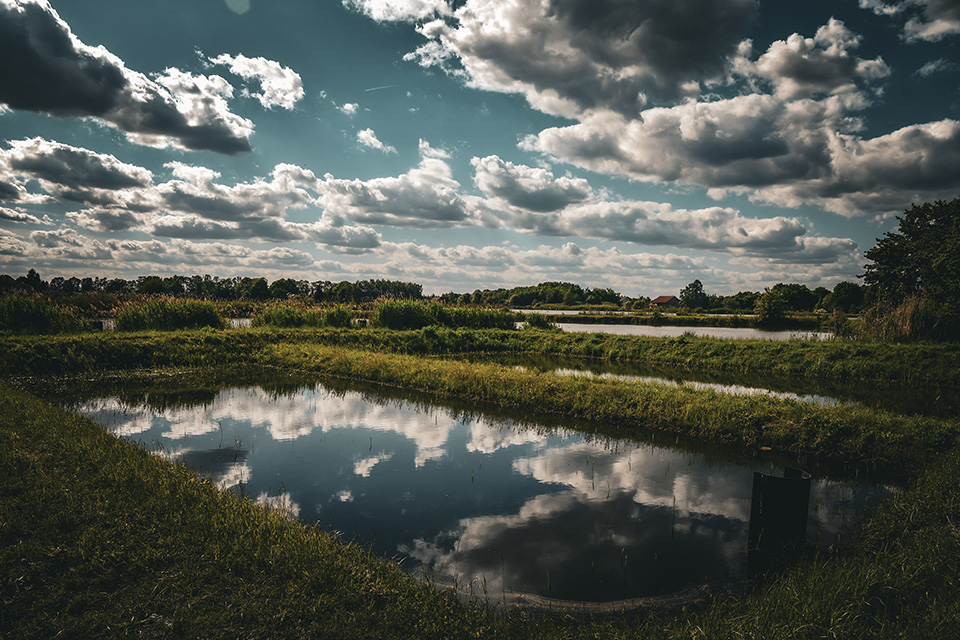
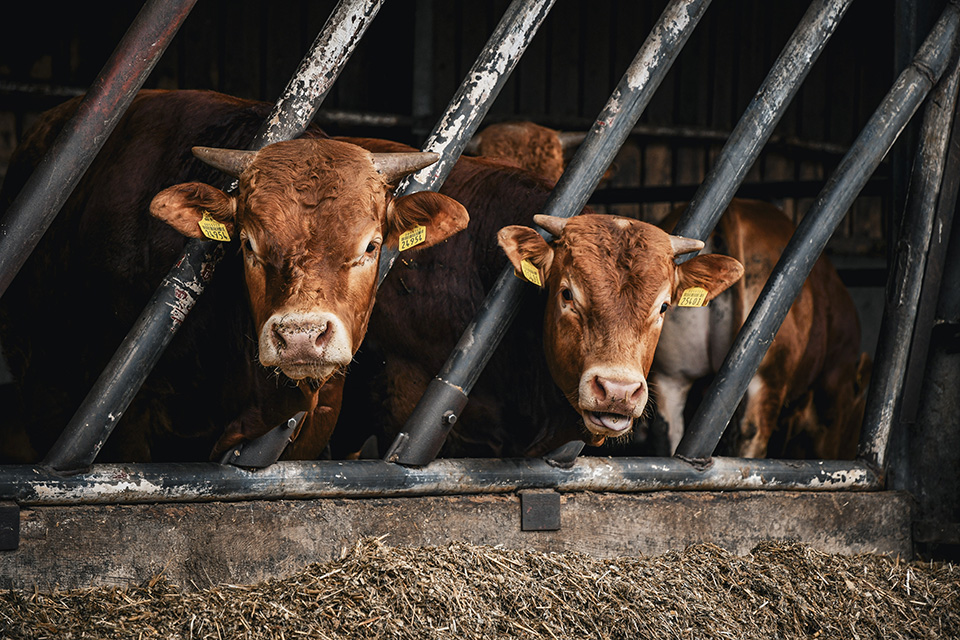
Throughout the trip, students visited dairy, beef and potato farms, learning how historical events, geography and policy have shaped modern agriculture in Poland.
“It is easy to think that people across the world are too different from you to connect with. This trip reminded me that we are all human and we really aren't all that different.”
Lauren Wolter
Participants observed differences in farm sizes and production systems but found common ground in the values and challenges shared by agricultural producers worldwide.
History's effect on today's world
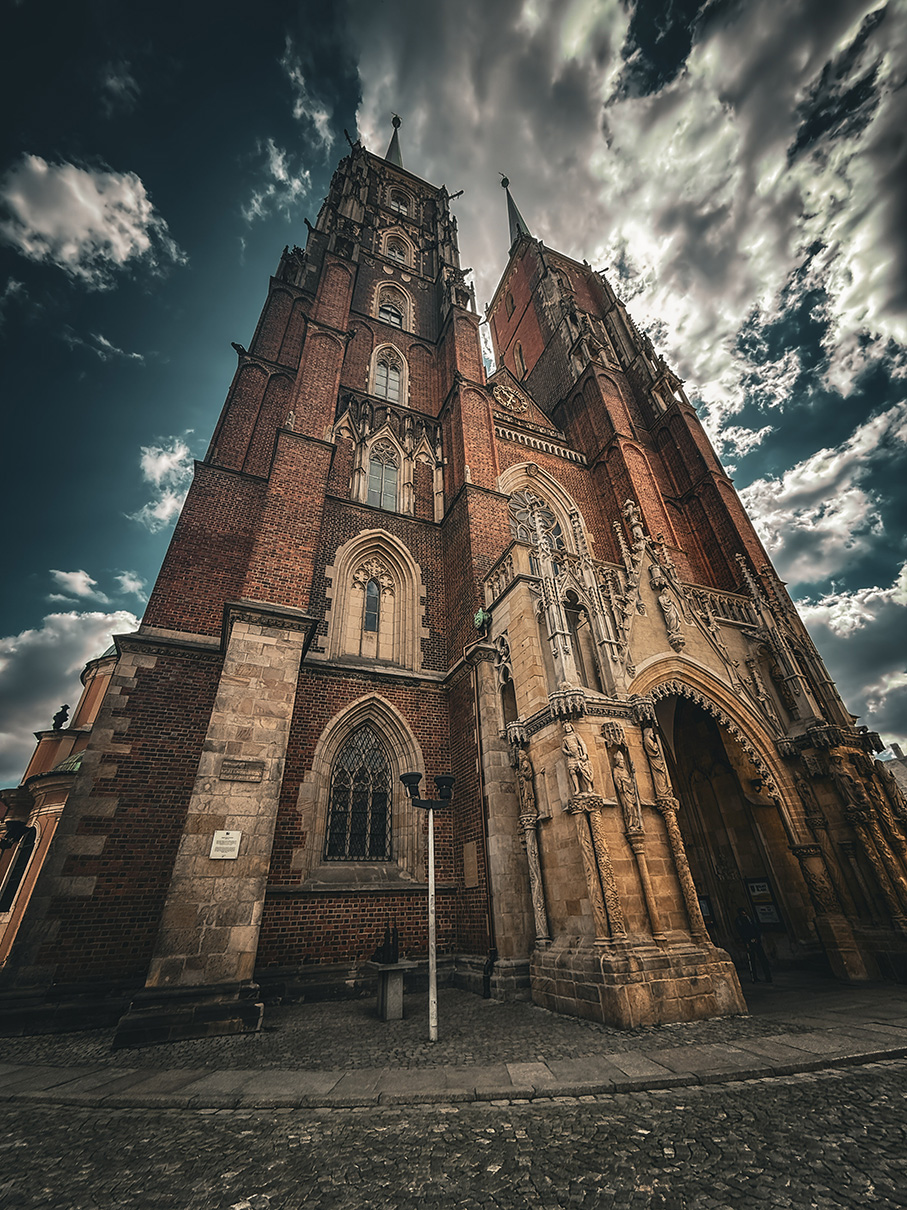
The experience also offered students a closer look at Poland's rich history and culture. Stops included Warsaw, Kraków, Wrocław and Zakopane, where students toured historic sites, visited businesses and learned how Poland has rebuilt and evolved following decades of conflict and political change.
Lauren Wolter, senior in animal sciences and industry, said seeing the lasting effects of history firsthand left a strong impression.
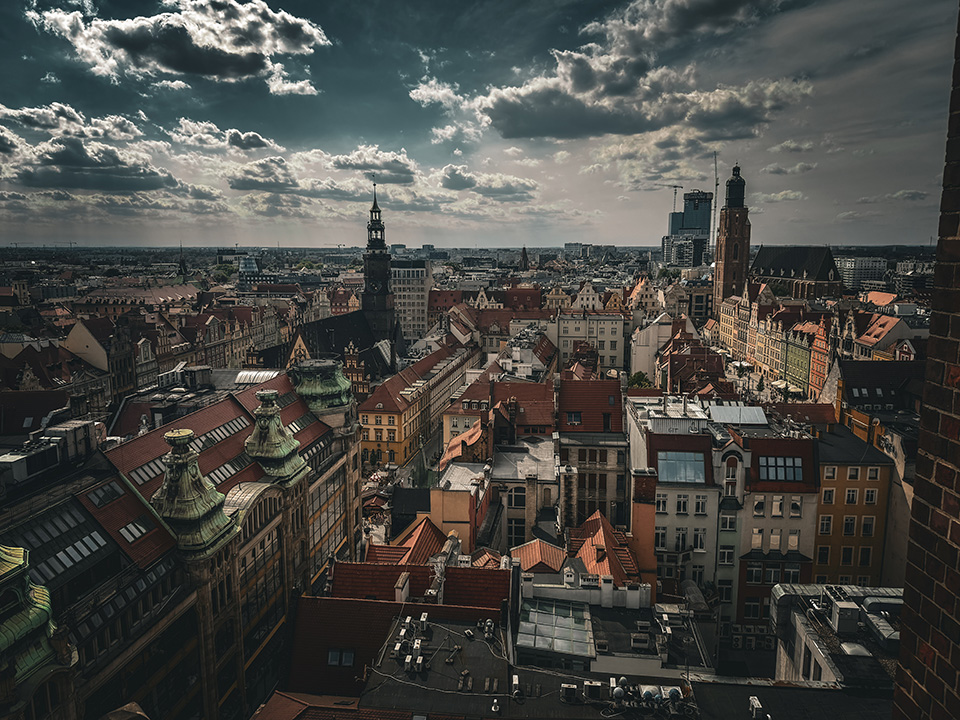
"Understanding that cities like Warsaw are still working to rebuild nearly 80 years after World War II was heartbreaking," she said.
Many students highlighted Kraków as a favorite destination because of its architecture, history and traditions. Several participants reflected on visits to Auschwitz-Birkenau and lessons about World War II, while others found memorable learning opportunities in cultural traditions that remain central to everyday life in Poland.
Growth in confidence and connections
Beyond learning about agriculture and history, students said the experience challenged them to step outside their comfort zones and gain confidence traveling internationally.
For many participants, Poland was their first trip abroad. Students navigated unfamiliar cities, interacted with people from different backgrounds and discovered that language barriers were often less intimidating than expected.
“Farmers and ranchers still share the same goals and challenges as we do back home. They value hard work, caring for the land, their livestock and preparing agriculture for future generations.”
Ella Pachta
"What I didn't expect was how this trip would change not only my outlook on the world, but also myself," Pachta wrote in the group's travel blog.
Several students reflected on the connections they formed with farmers, tour guides and residents throughout the trip. Those interactions reinforced the idea that people often have more in common than they realize, regardless of culture or geography.
"It is easy to think that people across the world are too different from you to connect with," Wolter said. "This trip reminded me that we are all human and we really aren't all that different."
As students return to campus this fall, many say they are bringing home more than photographs and souvenirs. They are returning with a broader understanding of the world and a renewed appreciation for the role agriculture plays in connecting people across cultures.
"Traveling abroad helps put into perspective just how big the world is, how many people there are and how many different ways of living life exist," said Lyle Perrier, junior in animal sciences and industry. "Opportunities like this are the best way to develop our personal worldview and gain a deeper understanding of others from around the world."
— Submitted by Maria Childs
Related Stories

History comes to life for Wildcats in Berlin
Berlin became the classroom for eight K-State students who explored Germany's history, memory culture and lasting impact of the past through a faculty-led study...
Alaska in focus
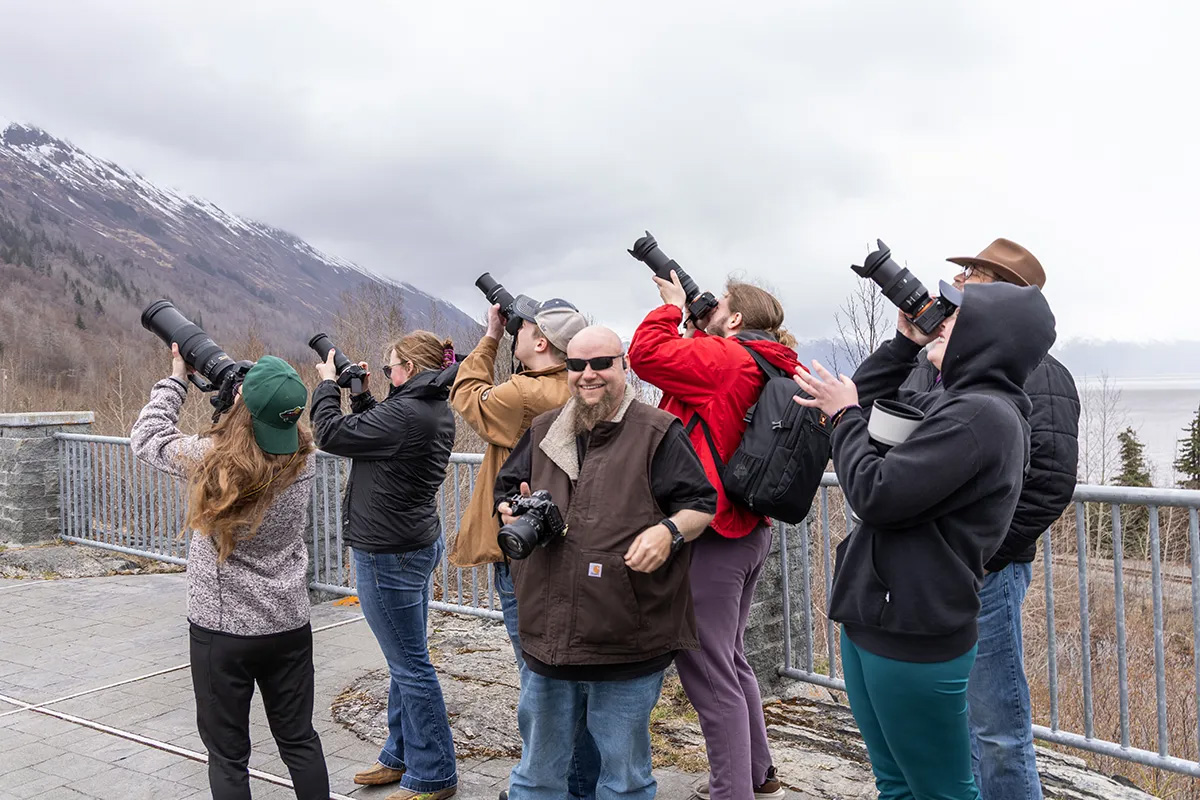
K-State students traded the Kansas plains for Alaska’s rugged landscapes this summer for Alaska in Focus. Through wildlife photography, spontaneous interviews...
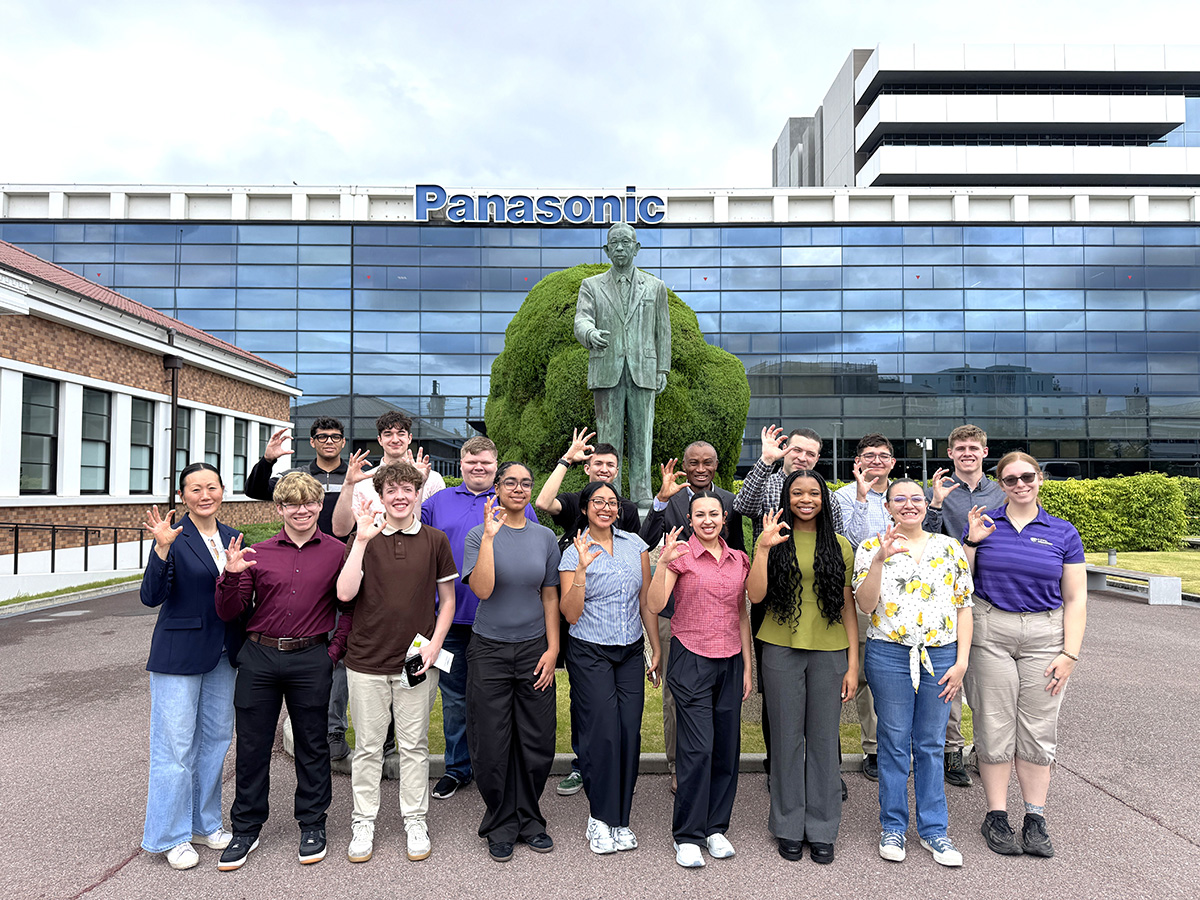
Engineering a global perspective
A two-week study abroad course challenged students to connect engineering, sustainability and cultural perspectives while building confidence as future professi...