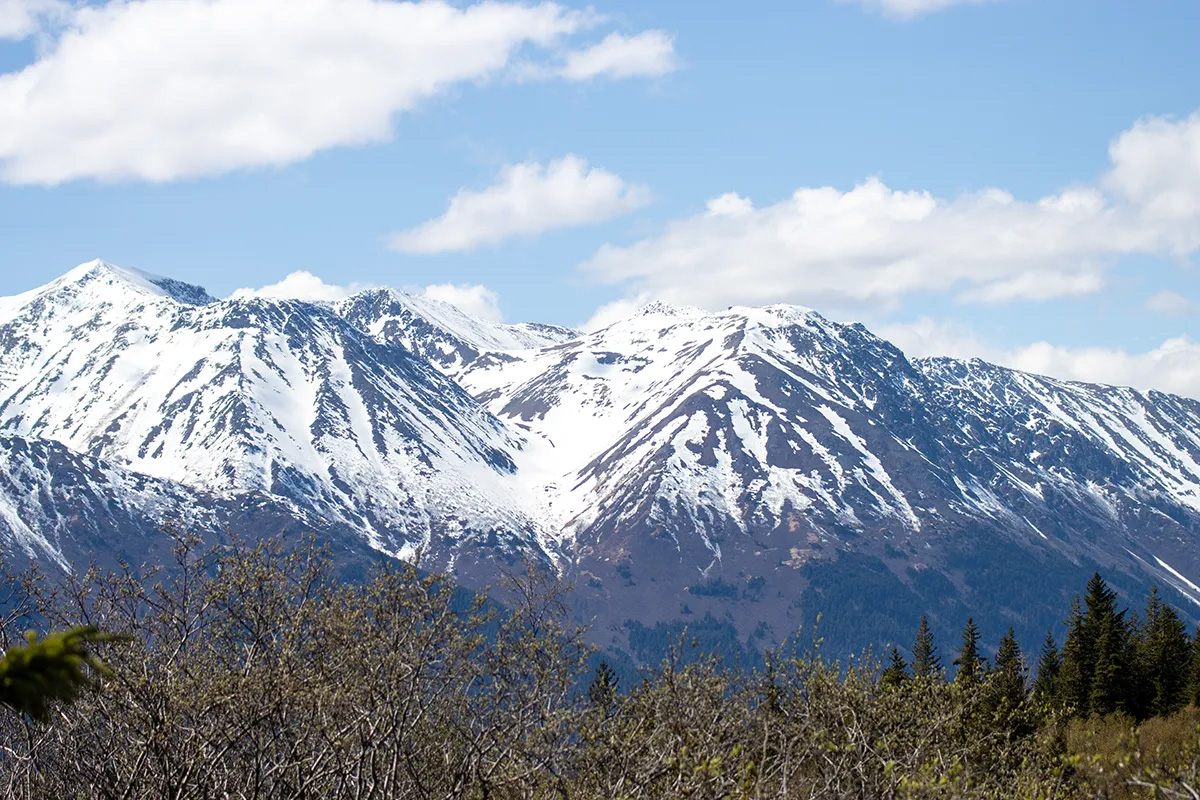
Alaska in focus
A hands-on journey in visual storytelling and journalism
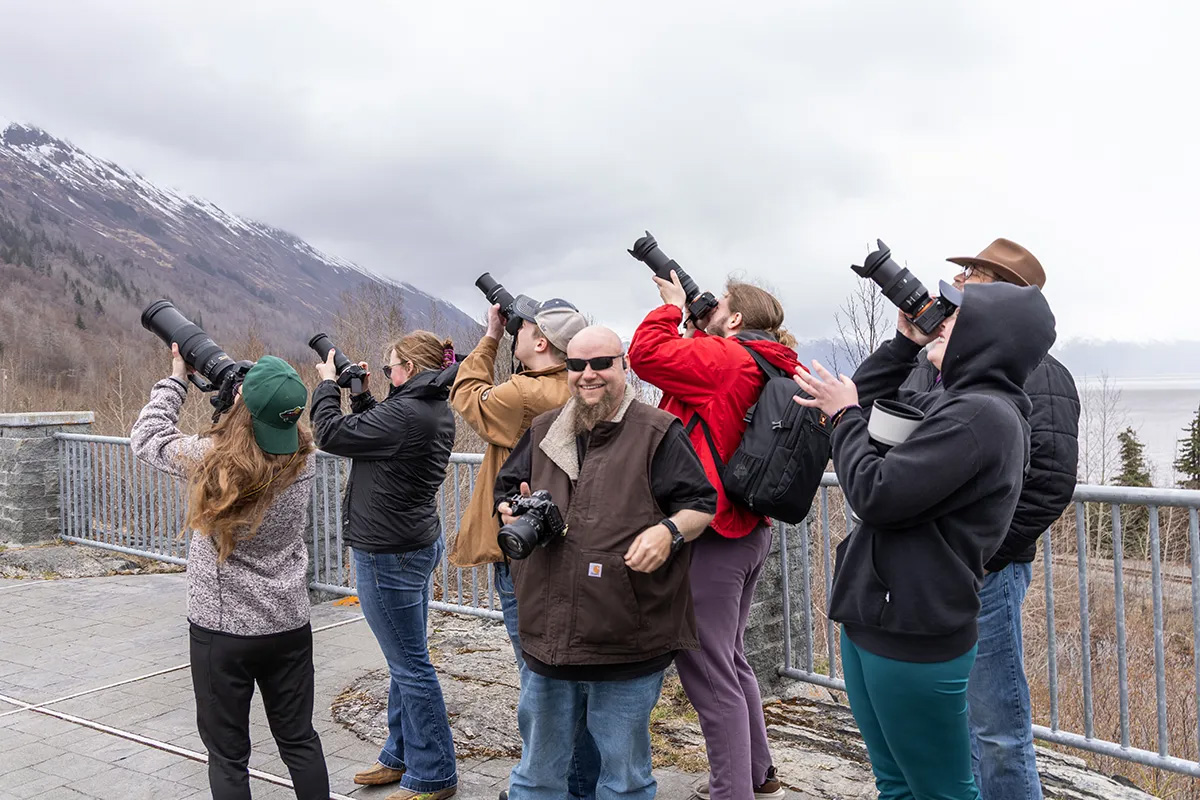
From left: Adelay Martin, Madison Coulter, Cole Bertelsen, William Reed, Russell Weaver, Nick Homburg and Malana Rowe at Bird Point Turnagain Arm. Photo by Brooke Rogers.
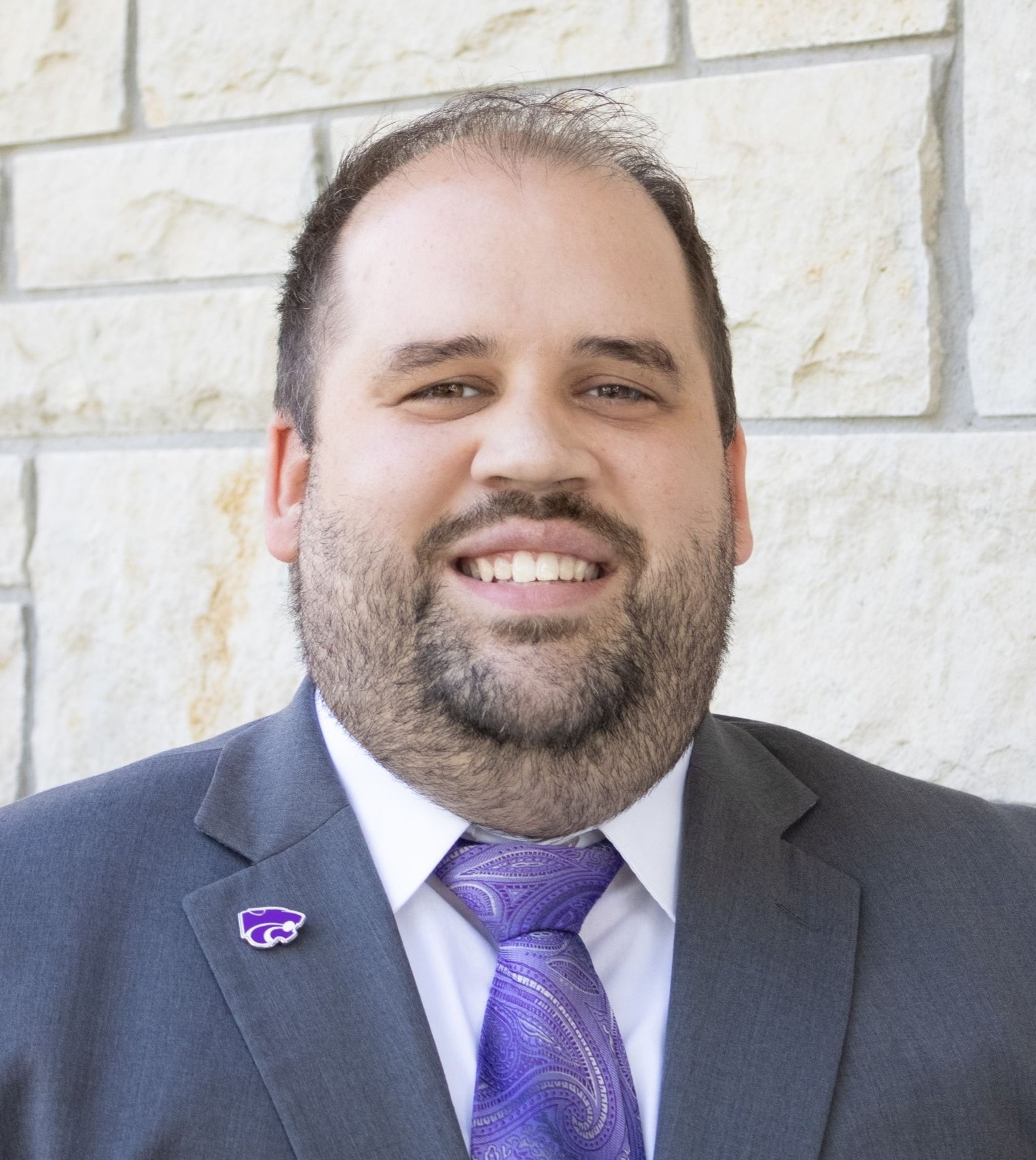
By Loren Miller
Applied Learning Experiences
Friday, July 24, 2026
Kansas State University students left the Kansas plains for Alaska's unpredictable terrain on a storytelling expedition this summer. They captured wildlife and interviewed locals, learning to adapt and think quickly. The trip gave them skills and memories that will last long after their journey concludes.
Nick Homburg, professor of practice in the A.Q. Miller School of Media and Communication, brought together students from media, art and agriculture. He wanted them to see how professionals use photography to tell stories about people and the environment.
After hearing about the idea, a friend of Homburg's suggested Alaska as the location for the course, emphasizing how special it would be for students to experience such a diverse working laboratory.
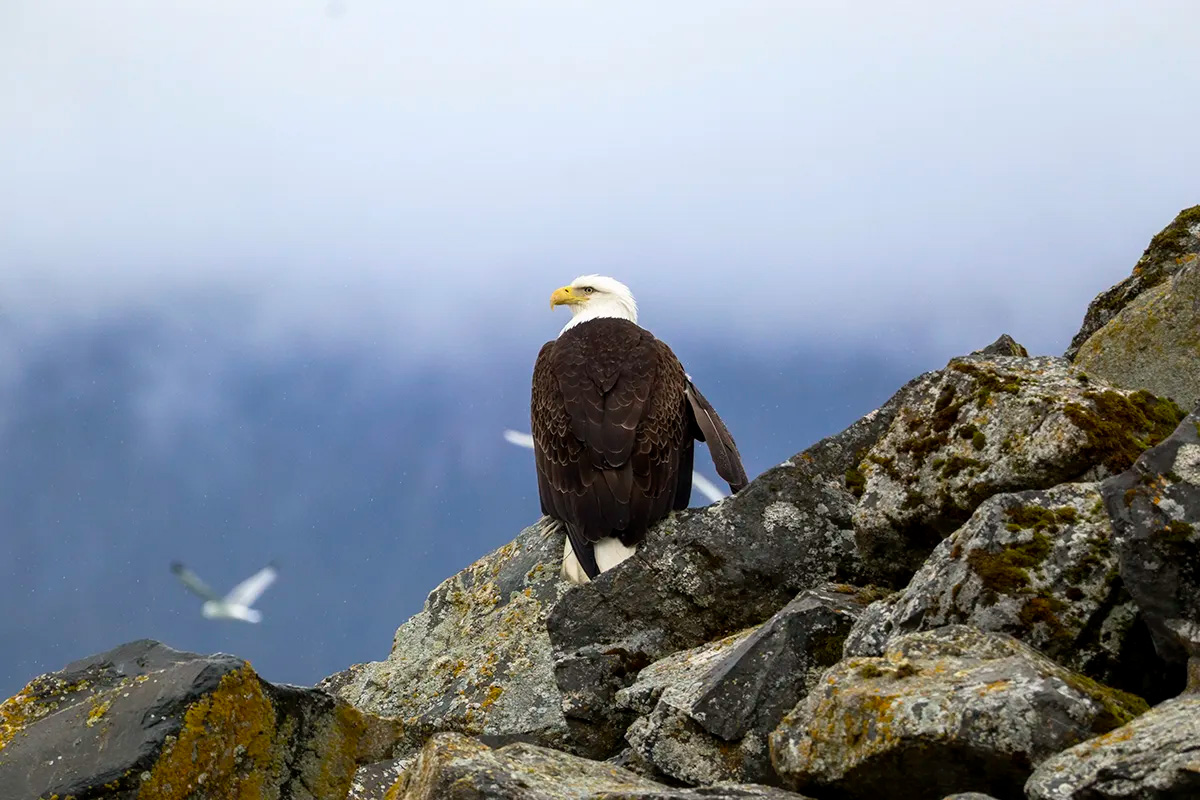
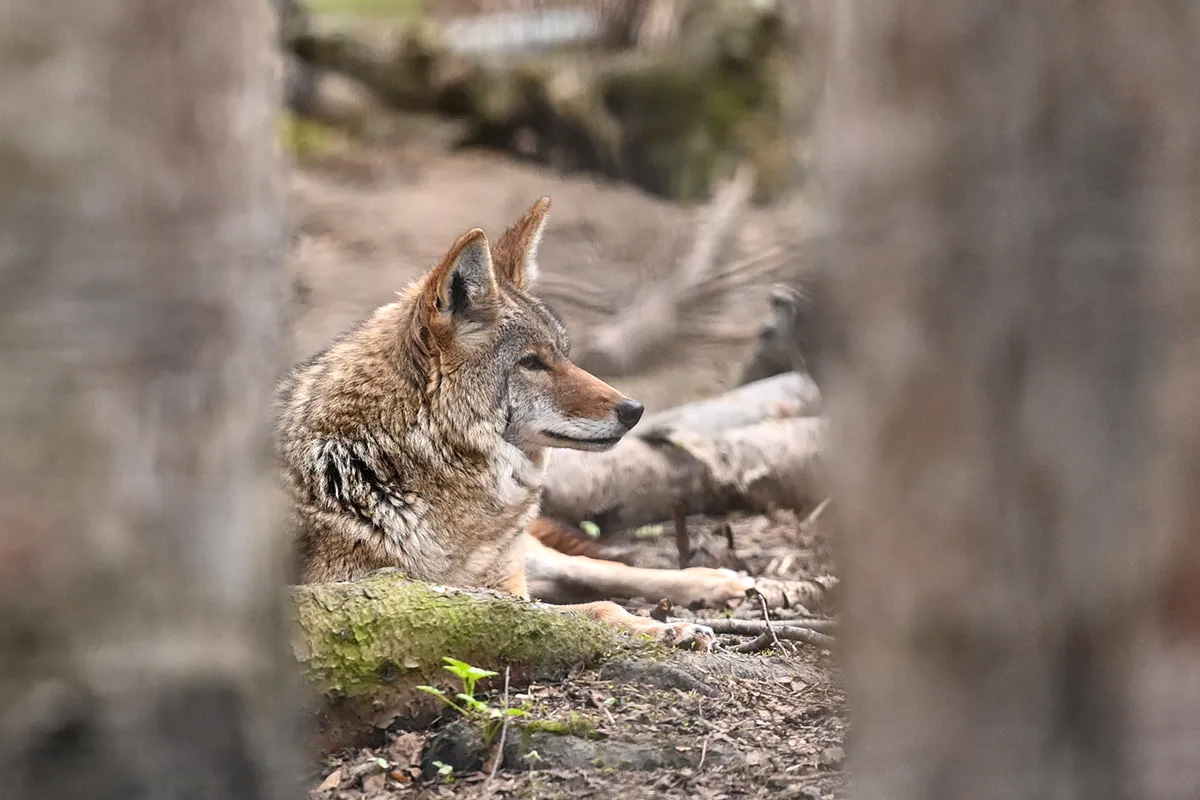
"My friend was right — there are so many opportunities there," Homburg said. "There are animals like whales, sea lions, bears and moose. There are 43 different indigenous tribes and people from all over the world. It is a perfect place for students to immerse themselves in observations of the community, industry, environment and people."
That idea became Alaska in Focus, a two-week photojournalism program that gave students access to Alaska and a chance to develop their skills.
The path to an applied learning experience
K-State aims to provide every student with an applied learning experience by 2030. To help faculty and staff prepare courses and create more opportunities, the Applied Learning Experiences, or ALE, office has awarded over $379,000 in incentive grants since the spring of 2025 to support this endeavor.
Homburg received a grant to launch the initial trips and implement mentorship, goal setting and reflection into the course and become an applied learning experience for future students.
The program started with a winter test run in Seward, where Homburg scouted locations with a small group. He then led two groups on weeklong trips, trading Kansas for Alaska’s unpredictable landscape.
On the first summer trip, students adapted to frequent changes and obstacles, mirroring the work of photojournalists in the field.
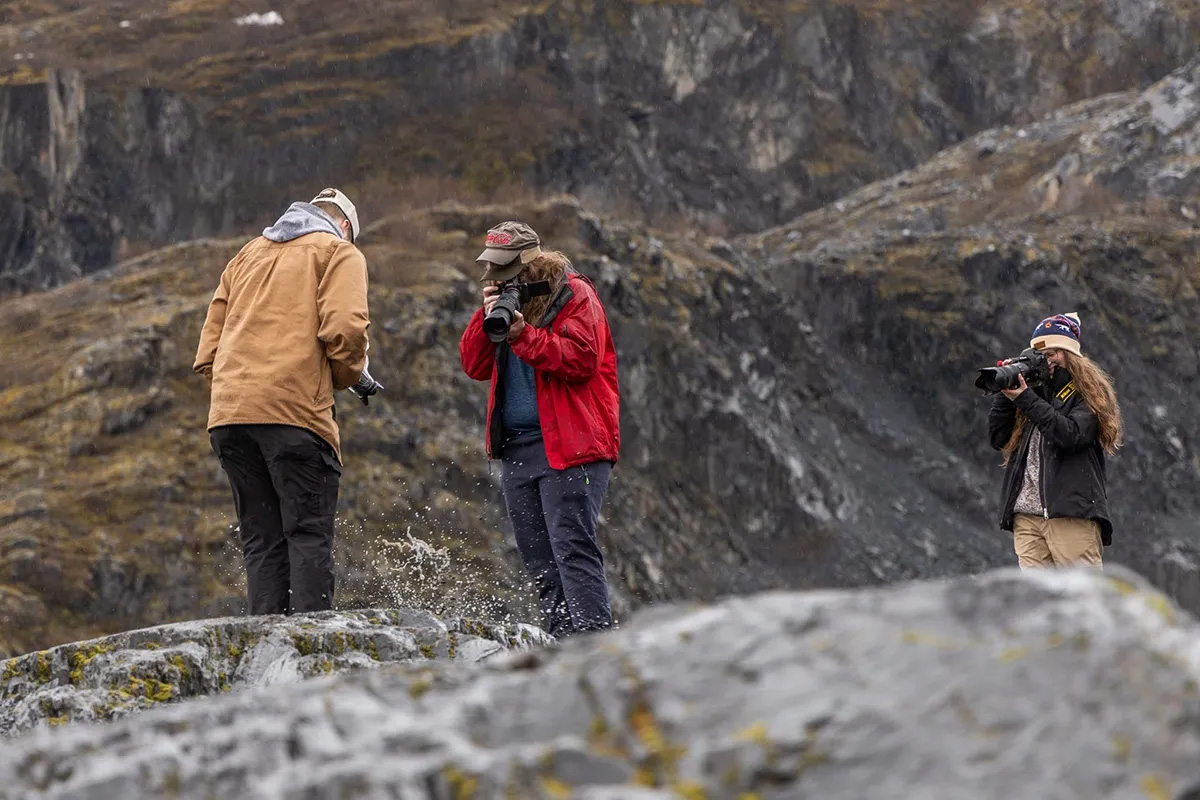
“They had so many different challenges day-to-day. But on top of that, with the introductions that we were able to do, they got to hone their skills with doing interviews, talking with different experts and coming up with questions on the spot,” said Homburg.
Most days, much of the itinerary had to change on the fly, including one day when their plans got rained out, and they pivoted to an impromptu tour of a research vessel after a quick phone call and a couple of conversations with the ship mechanic.
The experience gave the students a personalized look at a scientific naval vessel and helped them produce content with minimal preparation.
“They recorded audio, took photos, and shot video interviews in an unfamiliar environment,” Homburg said.
Each evening, students made dinner together, then gathered to review their photos and videos. They offered feedback, shared ideas and learned from each other.
Comfort zones turned into curiosity
For student Hailey Vardiman, who had spent the last decade in Manhattan and only knew the mountains of Colorado, Alaska’s scale was breathtaking. She embraced the trip's creative freedom, using it as a deliberate opportunity to push past her comfort zone.
To build her documentary-style content, Vardiman put her communication skills to a rapid-fire test.
“I was talking to everybody—I wanted to be in everyone's business, like a proper Midwesterner,” Vardiman joked. “It created a space of curiosity. I had more opportunities to ask questions about the people from the area, why they were there in that moment and why I was there with them.”
Vardiman and classmate Sophia Mills gathered interviews and footage everywhere from bookstores and fish houses to a Kenai Fjords boat tour. Conducting spontaneous, on-the-street interviews changed Vardiman’s perspective. She returned to Kansas with new confidence and a passion for video storytelling.
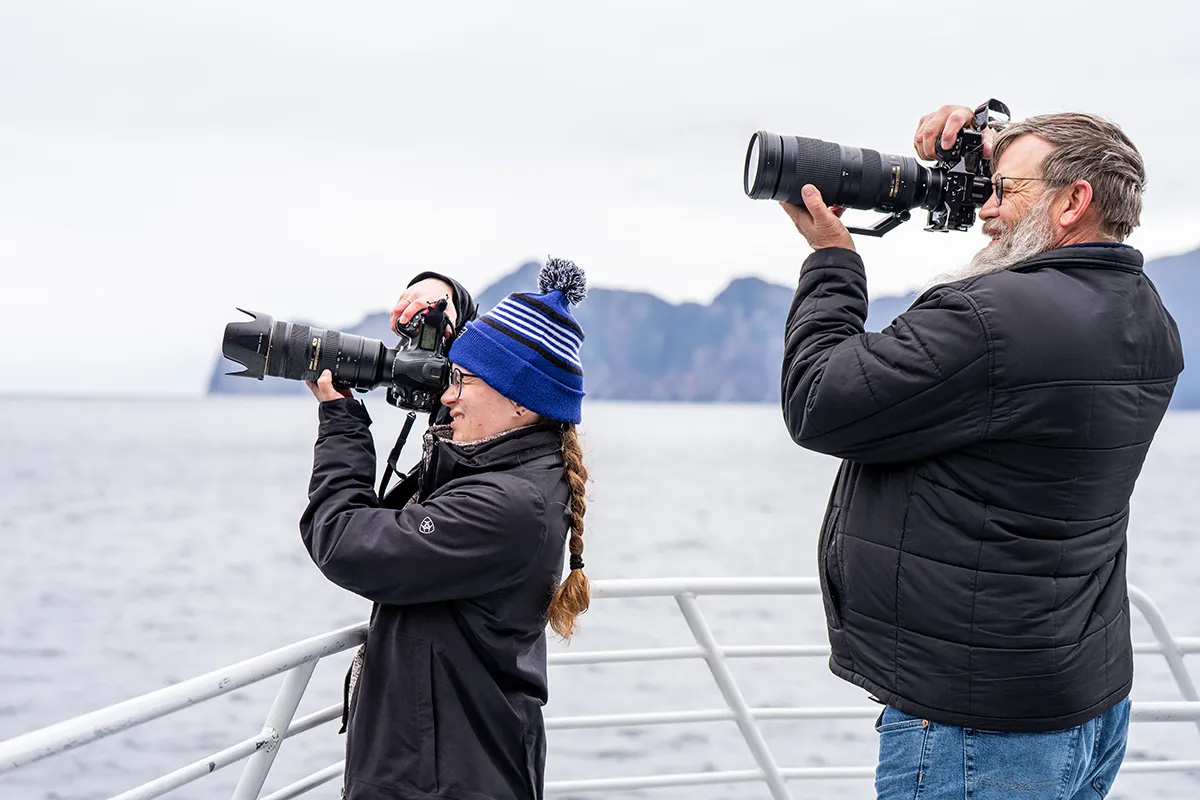
Developing leadership skills without the camera
When Mills wasn’t shooting content with Vardiman or producing work for the course, she helped Homburg with logistics.
During the week in Alaska, she served as an intern, planning the daily itinerary and gathering content for future students. After the trip, she compiled assets and helped shape the course for the next group.
“This was definitely a learning experience of how we're going to get done what we need to get done with people who are the same age as me, if not older," Mills said. "And I think I definitely was successful in that."
With this behind-the-scenes experience, Mills feels confident she has the skills ready to organize and build either a photography business or a photo retreat.
The trip built on the skills she learned in Homburg’s classes at K-State.
“Out in the field, your shot can change in a second,” Mills said. “One day, we were photographing a moose just 20 feet away. She would move and disappear, so I had to keep adapting and use my artistic eye. That’s what Nick’s classes teach: turning technical skills into creative vision.”
Memories of the last frontier
Vardiman and Mills said they are grateful for the experience as they move into their final years at K-State and pursue careers in media.
“I am going through my photos, and it's almost nostalgic at this point because it's just, I want to be there. I want to go back. I didn't want to leave. And it was just, there are so many more opportunities for creative freedom somewhere that was so big,” said Vardiman.
"It's just so mind-blowing that this is part of my college experiences," Mills reflected. "Even on the days where you're kind of tired... by the time you get out to where you're going, it's just surreal. I feel like I'm in a movie,” said Mills.