Protecting the nation's poultry supply
Insect-based immunization research shields poultry from avian influenza.
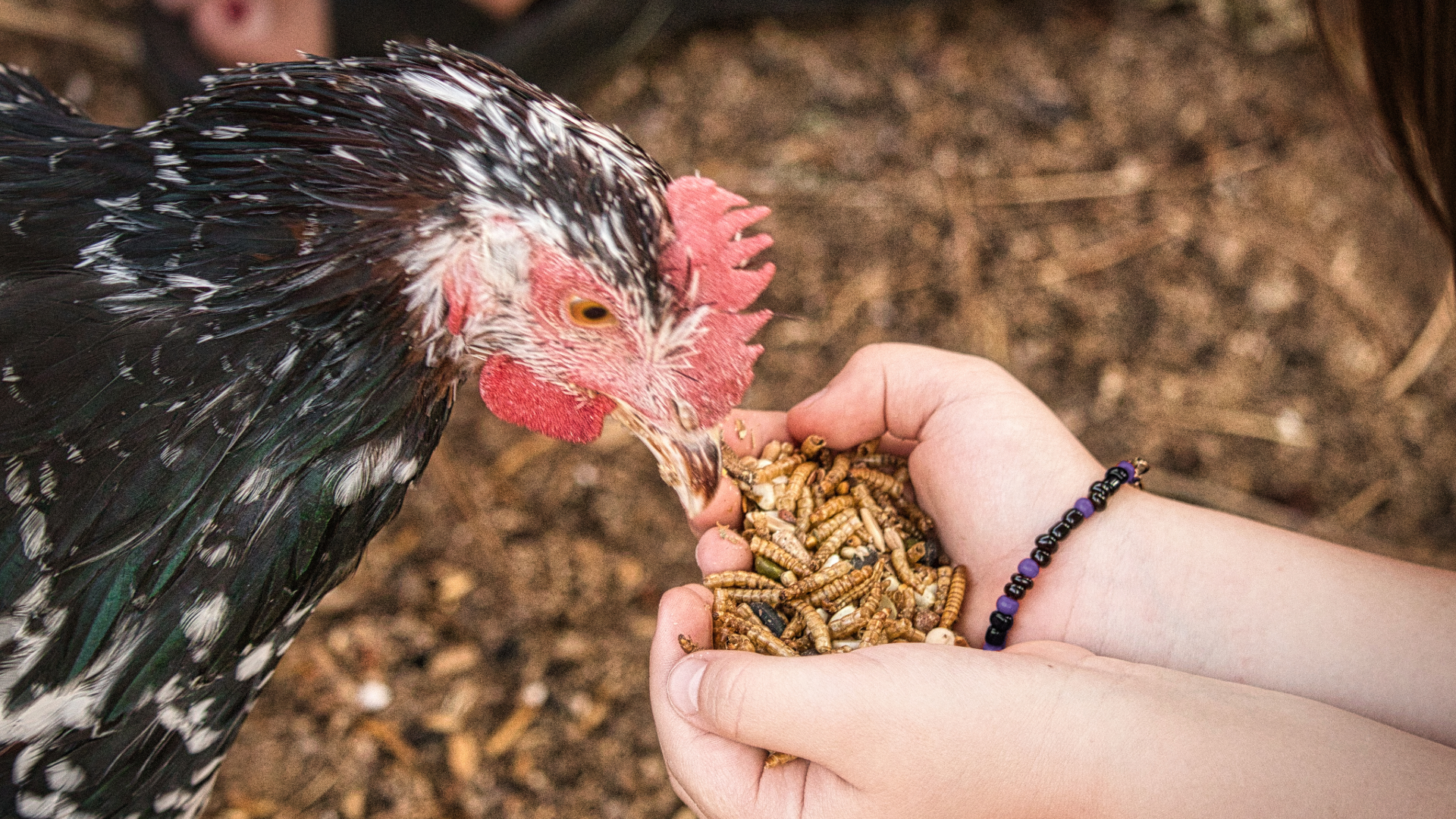
New research at Kansas State University aims to tackle one of the most significant threats to global animal health and food security — highly pathogenic avian influenza, or HPAI — by using mealworms, a supplement of poultry feed, as a vaccine-delivery method.
A multidisciplinary research team from the College of Veterinary Medicine and the Department of Entomology is developing the unique vaccination strategy to help protect the nation's poultry supply, where the disease moves with devastating speed.
Researchers respond to devastating poultry disease
"In a typical poultry house, the HPAI virus can kill nearly an entire flock within 48 hours," said Laura Miller, associate professor of veterinary virology, immunology and genomics.
Kansas has experienced this impact firsthand. More than 413,000 birds have been affected statewide since late 2025, including roughly 360,000 birds from a single commercial table-egg pullet operation in Pottawatomie County.
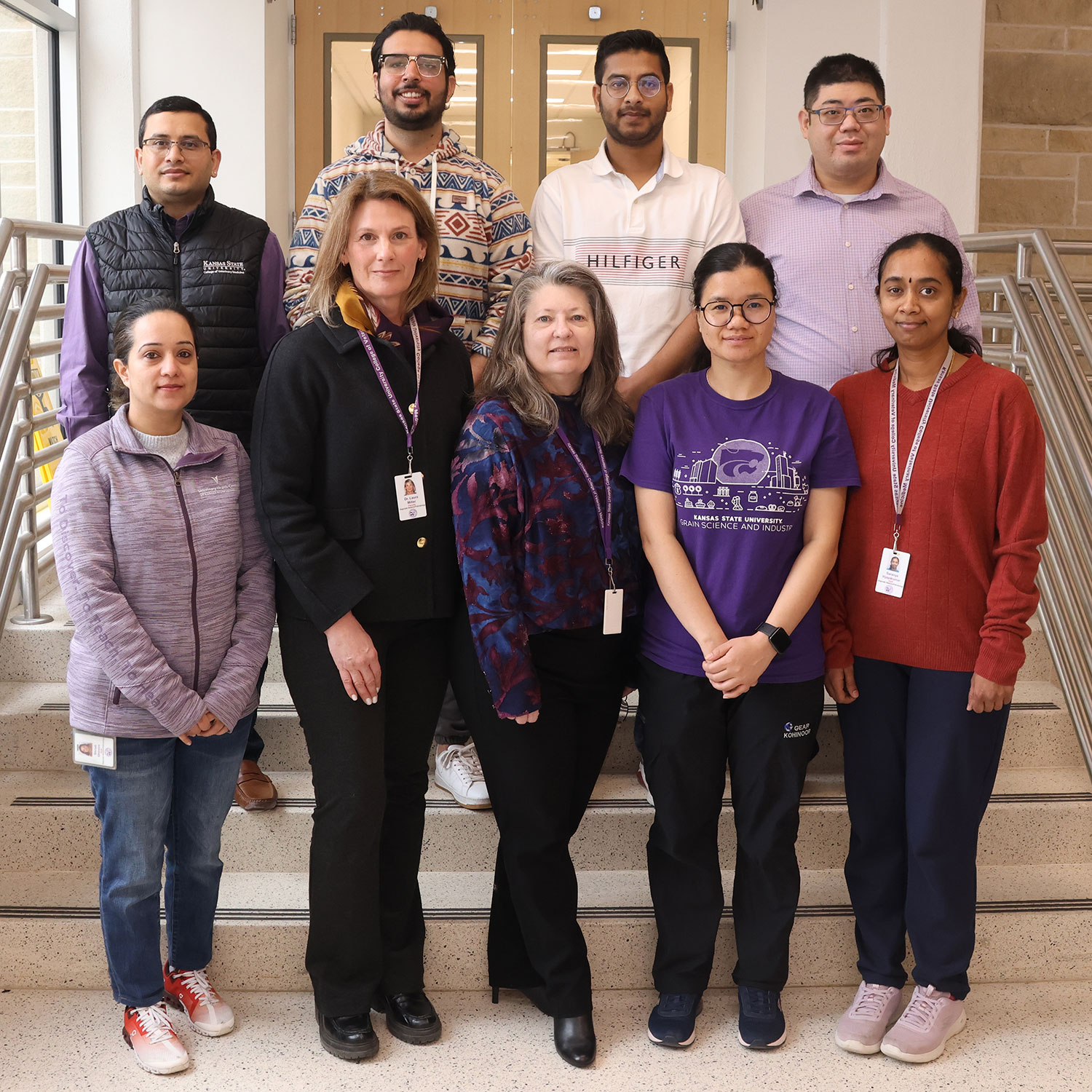
As the principal investigator on the new research project, Miller said federal and state regulations require the immediate depopulation of infected flocks to prevent further spread. In response, the Secretary of Agriculture, through USDA's Animal and Plant Health Inspection Service, or APHIS, has allocated $100 million to fund innovative projects advancing prevention, therapeutics, vaccine development and other mitigation strategies.
In a highly competitive process, APHIS received 417 proposals totaling more than $793 million in funding requests. Miller's project, "Insects for Antigen Production and Delivery: A Novel Oral Vaccination Platform for Highly Pathogenic Avian Influenza in Poultry," was awarded $1,999,946.
Co-investigators include K-State colleagues Erin Schirtzinger, research assistant professor, Santosh Dhakal, assistant professor in diagnostic medicine and pathobiology, and Brenda Oppert, adjunct professor in entomology and the Insect Farming Initiative; and Marce Lorenzen, professor in entomology and plant pathology at North Carolina State University. The grant also includes funding for student training.
Mealworms as medicine
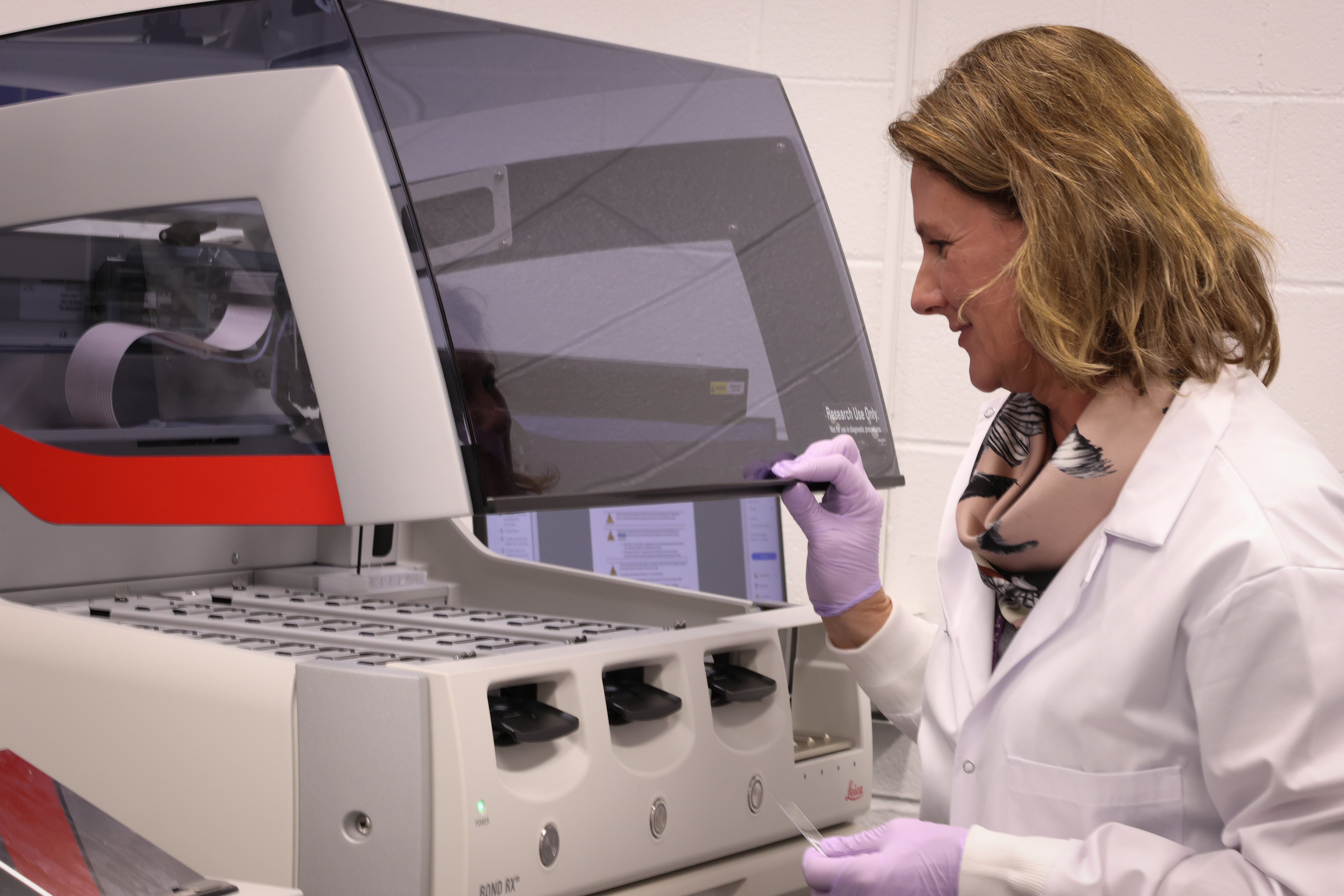
“We are training students on the tools of the future while simultaneously building an industrial insect-farming framework. We are preparing graduates for high-demand careers in biosecurity and animal health.”
Laura Miller
"Our oral, insect-based vaccine can be delivered as a feed supplement, allowing a producer to protect thousands of birds quickly without the stress of manual handling," Miller said. "Mealworms, a natural component of poultry diets, offer significant nutritional benefits while serving as efficient biological factories for vaccine antigens."
The research aligns closely with Oppert's work with K-State's Insect Farming Initiative, which aims to promote insect farming, raising and breeding insects to support other agrifood systems, through research and outreach. Oppert serves on the initiative's core support team.
"Developing insects for agricultural applications like this research is a major focus of the Insect Farming Initiative and will have implications for the prevention and treatment of other animal diseases through farmed insects," Oppert said.
Collaboration lends agility to avian influenza research
Speed and adaptability are central to the approach. Miller said that by using gene-editing, the team can "update" the vaccine within weeks to match new circulating strains of HPAI.
"This is an important advantage as HPAI continues to evolve along migratory routes like the Central Flyway, a major migratory route for wild waterfowl that can carry the virus without appearing ill," Miller said. "Traditional egg-based vaccine systems often require months to adjust, leaving producers vulnerable. Our platform is being designed to be compliant with the Differentiating Infected from Vaccinated Animals protocol, enabling surveillance systems that maintain export eligibility during vaccination campaigns."
This work is made possible due to K-State's unique infrastructure and collaboration with NC State. Insect gene editing at NC State will be validated by the Insect Farming Initiative in the entomology department's Integrated Molecular Entomology Core laboratory, while immune response and vaccine validation are led by the Department of Diagnostic Medicine/Pathobiology and the Kansas Veterinary Diagnostic Laboratory.
Our oral, insect-based vaccine can be delivered as a feed supplement, allowing a producer to protect thousands of birds quickly without the stress of manual handling.
"I believe advancements in CRISPR-mediated genome editing will enable my lab to turn a common beetle into a powerful vaccine for combating bird flu," Lorenzen said.
High-containment H5N1 challenge studies will be conducted at K-State's Biosecurity Research Institute, or BRI, one of the few facilities in the United States with Biosafety Level-3 Ag capabilities.
Avian influenza research protects consumers, informs tomorrow's biosecurity leaders
Beyond protecting flocks, the research has implications for consumers and public health.
Preventing widespread poultry losses can help stabilize egg and poultry prices, while reducing viral circulation in animals lowers the risk of spillover. The CDC continues to report low risk to the general public while monitoring cases.
The grant also provides hands-on training for undergraduate, graduate and veterinary students.
"We are training students on the tools of the future — CRISPR and BSL-3 biosecurity — while simultaneously building an industrial insect-farming framework," Miller said. "We are preparing graduates for high-demand careers in biosecurity and animal health."
Related Stories
'A silent symphony’
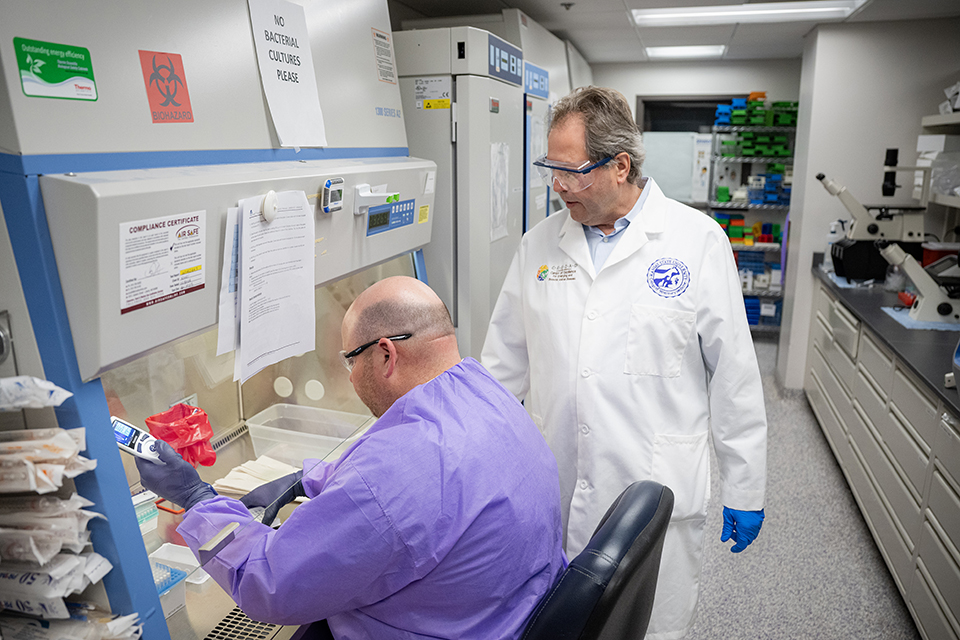
In high-containment labs at K-State, Juergen Richt is building a global network of well-trained scientists trained prepared to stop the next big animal disease...
Biomanufacturing initiative links education, industry and workforce needs
Kansas State University is continuing the Multidisciplinary Hiring Initiative in Biomanufacturing with four new faculty hires whose work strengthens research,...
People with purpose: Laura Miller
With a strong commitment to advancing agile approaches for preventing infectious diseases in dogs and horses, Laura Miller focuses on transforming research...