Campus Master Plan
The Campus Master Plan presents an ambitious and visionary framework for the future development of the campuses in Manhattan, Olathe and Salina over the next 10 to 15 years. This plan aligns with the university's strategic goals of investing in modern infrastructure that attracts top talent, facilitates cutting-edge research and encourages enrollment growth. The Kansas Board of Regents approved the Campus Master Plan on September 17, 2025.
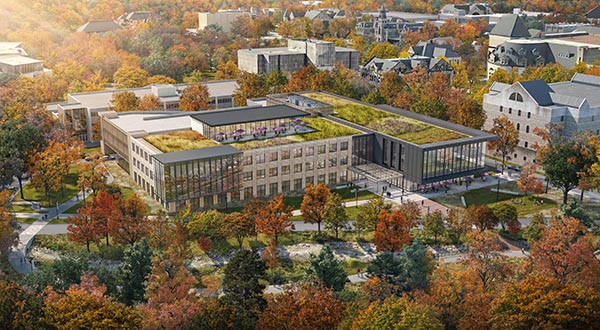
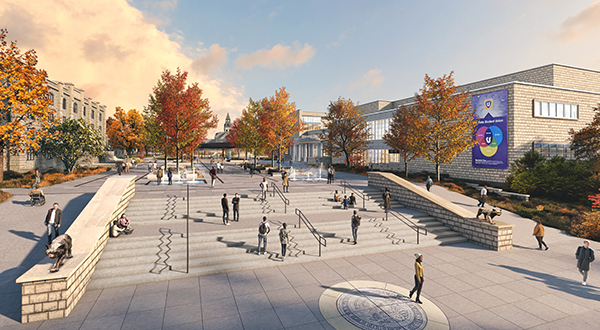
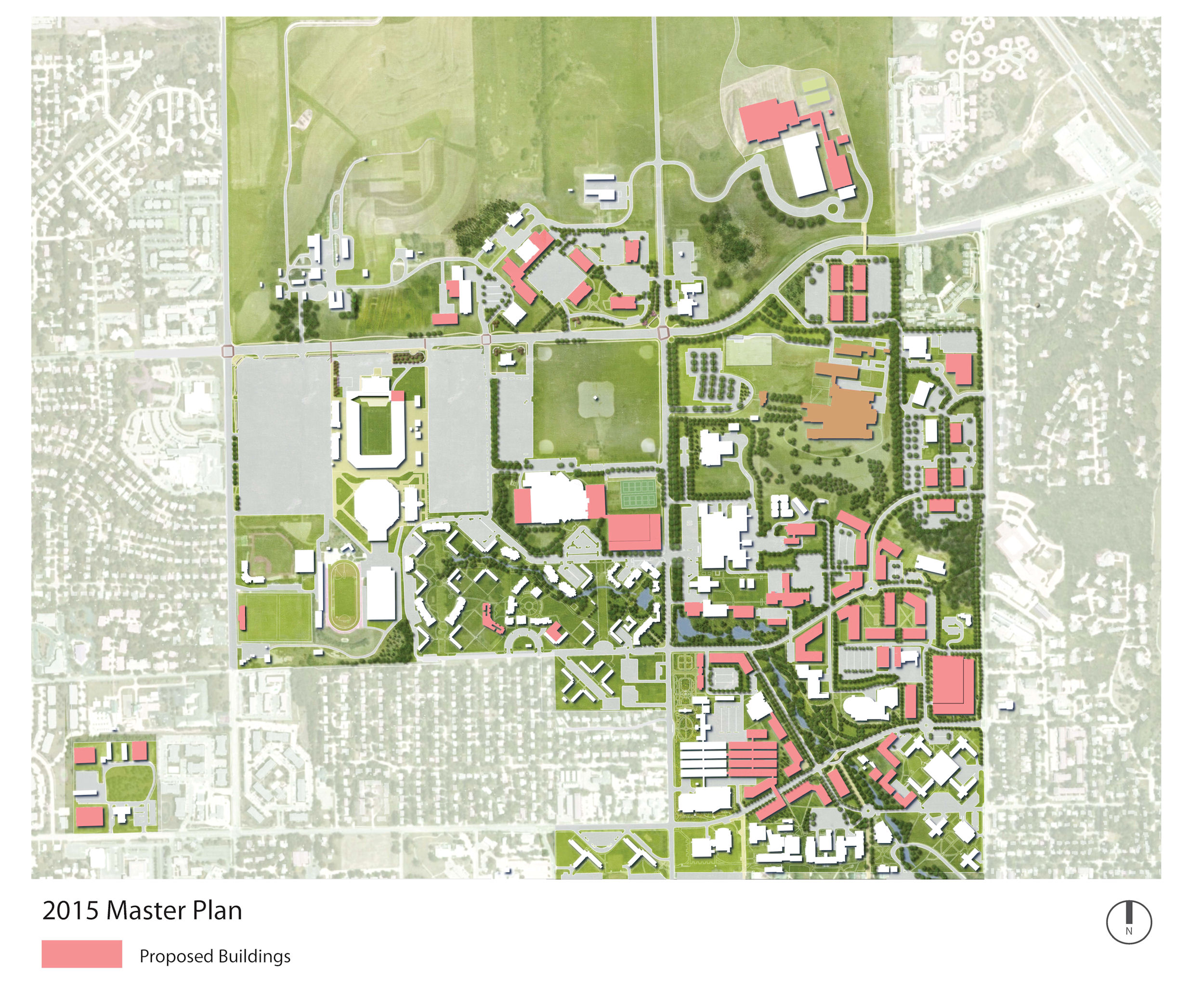
This plan outlines a vision for K-State's physical growth over the next decade. The Next-Gen Campus Master Plan encompasses the Manhattan, Olathe and Salina campuses to establish a unified vision for future development as One K-State. A comprehensive analysis was conducted to understand the campus at the beginning of the project.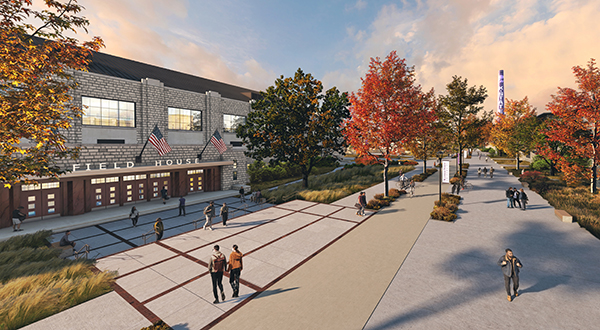
Master Plan Archive
- 10-Yr Utilities and Energy Project Investment (pdf)
- Campus Infrastructure Summary (xls)
- Draft KSU Landscape Management Plan (pdf)
- FY24 KSU 5 Year Capital Improvement Plan (pdf)
- K-State Salina Aerospace and Tech Campus Program Report (pdf)
- Stronger Quinlin (pdf)
- KBOR Space Utilization Study Manhattan and Olathe 2020 (pdf)
- KBOR Space Utilization Study Salina 2020 (pdf)
- KSU Research Space Study 2022 (pdf)
- 2012 Campus Master Plan (pdf)
- Executive Summary (pdf)
- Signage and Wayfinding Master Plan (pdf)
- Landscape Guideline Master plan (pdf)
- Utilization and Space Needs Analysis (pdf)
- Transportation and Parking Plan (pdf)
- K-State Student Union Master Plan (pdf)
- Electrical Master Plan (pdf)
- Chilled Water Master Plan (pdf)
- Storm Water Master Plan (pdf)
- Domestic Water Master Plan (pdf)
- Steam Master Plan (pdf)
- Sanitary Sewer Master Plan (pdf)
Executive Summary
This 2004 Report outlines the long-range planning and design principles to be used by Kansas State University in the design of new buildings and infrastructure improvements.
Five-Year Capital Improvement Requests
In 1981, the campus space deficit was 700,000 net square feet. Since that time, the university has built over 600,000 net assignable square feet. In 2001, the university had nearly made up its space deficit, but a diligent effort will be needed to maintain adequate space.
In 2004, approximately 1 million square feet of space required major renovation, including compliance with the Americans with Disabilities Act, the fire and life safety code, and programmatic needs.
The Fiscal Year 2004 five and ten-year capital requests, as well as the needs for academic space, include approximately 250,000 net assignable square feet. It is anticipated that over the next 20 years, new programs will be developed and added, and existing programs will be expanded to accommodate the growing student population, technological and curricular changes.