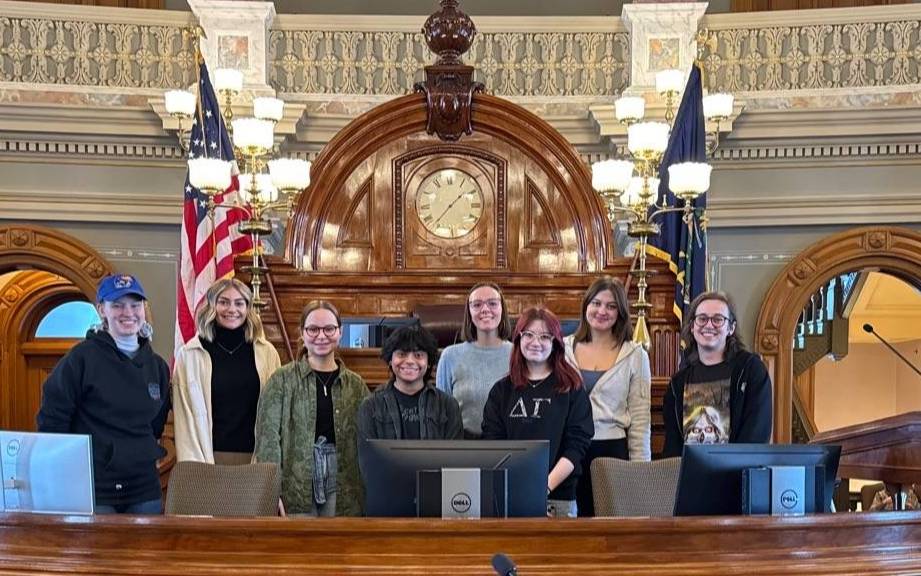
Internships
A Social Transformation Studies internship provides valuable experience in advocacy, research, and community organizing while helping you explore a career path, build your network, develop your professional skill set, and gain insight into systemic issues while helping craft and implement solutions. Build your resume while earning credit toward your degree.
An internship consists of experiences through which students apply their academic knowledge in a work setting. It is a form of experiential learning that integrates knowledge and theory students learned in the classroom with practical application and skill development in a professional environment.
There are particular legal requirements set by the U.S. Department of Labor that employers need to follow if the internship they offer is unpaid. Internships typically run for a summer, semester, or year, as either part-time or full-time.
Why do I need an Internship?
- Gain practical experience: Apply academic knowledge to real-world situations in fields like poverty reduction, human rights, and environmental sustainability.
- Develop transferable skills: Build valuable skills in areas such as communication, research, policy analysis, and grassroots organizing that can be used in many different career paths.
- Enhance your resume: Gain experience that makes your resume stand out to future employers and graduate schools.
- Build your professional network: Connect with professionals and peers in your field through a shared commitment to social change.
- Find your passion: Explore whether a career in social justice aligns with your personal mission and values.
- Contribute to meaningful work: Make a tangible difference in areas like human rights, racial equity, and environmental justice.
- Understand complex issues: Gain a deeper, grassroots understanding of societal problems and the complexities of creating change.
- Support community and connection: Work alongside a community of like-minded individuals who are committed to progressive social change.
- Contribute to positive change: Play a role in advancing the mission of the organization and creating positive changes for clients or communities.
- Foster a broader sense of connection: Understand how different communities are interconnected and the importance of caring for one another.
How do I get college credit?
Supervised field work at the local, state, national, or international level in a community, volunteer, activist, or political organization.
How do I find an internship?
1. Prepare Your Resume
Your resume is typically the first reflection an employer sees of you, so it should be well written and error free. Write a strong resume using the Career Center's Resume and Interview Guide and take advantage of the Resume Tune Up appointments.
2. Explore opportunities
Social Transformation Studies does not officially place students in their internship, but we can help students identify unique opportunities.
Here are some organizations students have worked with previously:
- ACLU of Kansas
- Adolescent Resource Center
- Center for Advocacy, Response, and Education
- Collective Power for Reproductive Justice
- Emily's List
- Flint Hills Human Rights Project
- Kansas Apple Seed
- Kansas Birth Justice
- Kansas Inter Faith Action
- Kansas Legislature
- Lafene Health Center
- LGBT Wichita Health Coalition
- Loud Light
- Manhattan Alliance for Peace and Justice
- Planned Parenthood
- Progeny
- Sex Assault/Domestic Violence Center
- The Crisis Center
- Trust Women Foundation
- UFM: Community Learning Center
- Wichita Area Assault Coalition
Utilize the K-State Career Center's website on Internships and Co-Ops. Look for Career Center events, like the career fairs held throughout the year, where they bring in employers by specific areas of study.
3. Network
Talk to your faculty, family, friends, and coworkers to let them know you are seeking an internship. You never know who has connections to a potential job. Provide them with your resume so they can give it to their friends and colleagues.
4. Prepare for an Interview
Some internship sponsors will require candidates to appear for an interview. To prepare, read up on employment interviewing and participate in mock interviews through the Career Center.
5. Discuss with your STRAN Faculty Mentor
Once you have found and been accepted for an internship, if you are planning to use your internship experience to earn college credit, set up a meeting to talk to your Social Transformation Studies Faculty Mentor. They will help you ensure the internship experience will meet course requirements using the Internship Agreement (doc).