Moving to protect the mind
Denver Brown studies how physical activity may protect individuals at genetic risk for depression
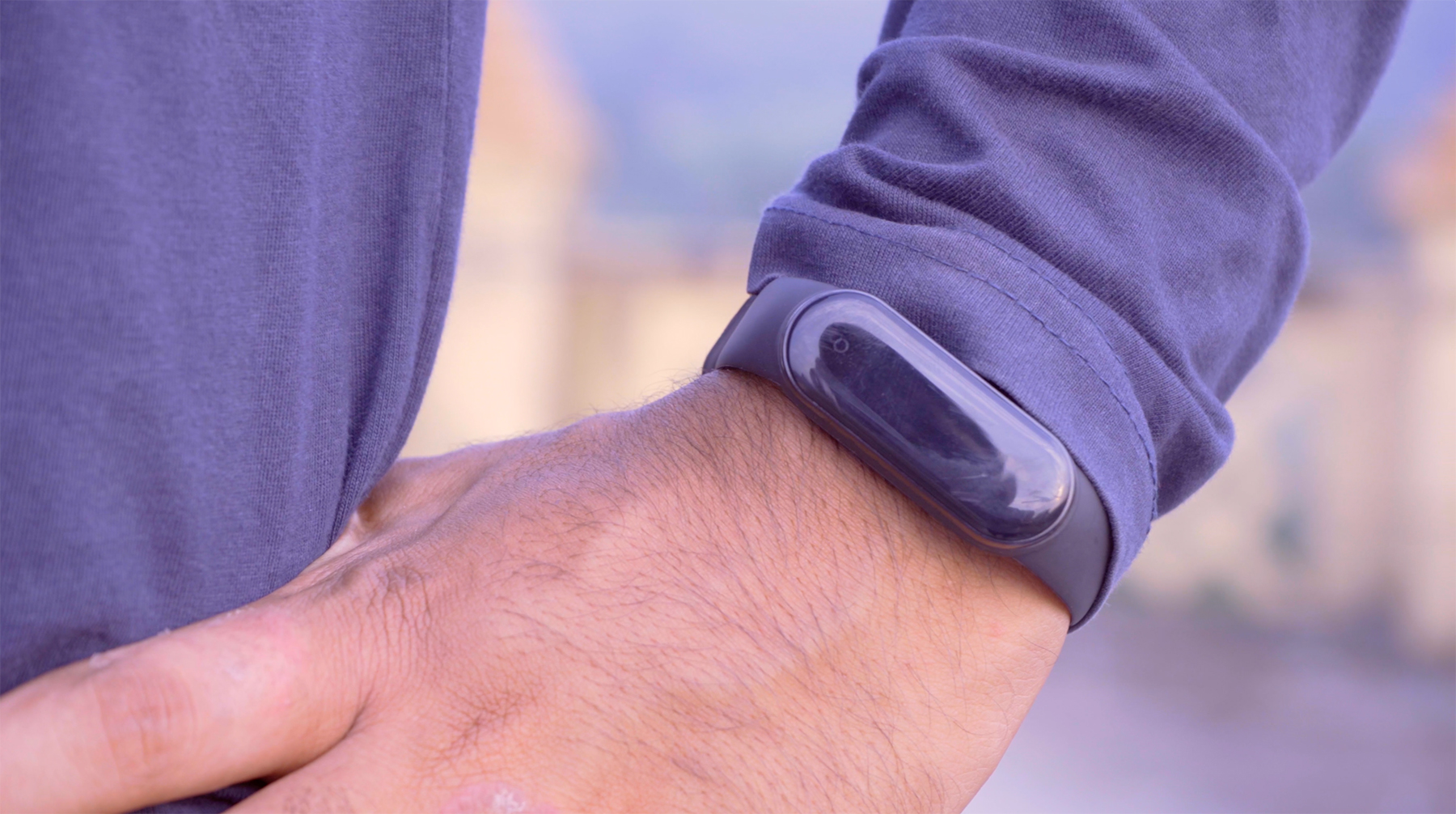
K-State professor Denver Brown examines how physical activity could potentially have protective effects and help ease the burden of depression for individuals who have a genetic predisposition to the disorder.

By Taylor Provine
College of Health and Human Sciences
Monday, Oct. 26, 2026
Adding physical activity to a daily routine may seem like a simple step for better health, but research from Kansas State University suggests it could be especially beneficial for individuals with a genetic predisposition to depression, potentially helping reduce their risk and ease their symptom burden.
Denver Brown, assistant professor in the School of Health Sciences in K-State's College of Health and Human Sciences, along with co-investigators at the University of Texas at San Antonio, University of Rhode Island and Vanderbilt Health, recently published their research in the journal Nature Mental Health. The study examined how genetic risk and physical activity relate to major depressive disorder in adults using data from the National Institutes of Health's All of Us Research Program, a nationwide effort to better understand how differences in biology, lifestyle and environment influence health.
The researchers analyzed survey responses, electronic health records, genetic data and long-term physical activity data from Fitbit devices.
Examining the link between activity and depression
"Depression is one of the leading causes of disability worldwide, so understanding how we might reduce its burden is important," Brown said. "As we move toward more personalized medicine, understanding a patient's genetic risk could help inform conversations about lifestyle, including the potential role of physical activity in helping prevent depression or manage its symptoms."
Brown said the study assessed both whether participants had a depression diagnosis and the severity of their symptoms to get a better understanding of an individual's experiences.

"If we're looking at depression as just a 'yes or no' for diagnosis, we're missing a lot of the variability that comes with a diagnosis," he said. "Someone may have some symptoms, but not a formal diagnosis. Some might have moderate symptoms, and others experience substantial symptoms."
To offer a practical perspective, the researchers examined common metrics from wearable activity trackers, including daily steps and minutes of moderate-to-vigorous physical activity captured by Fitbit devices. Both measures showed a consistent pattern where genetic risk was less strongly linked to depression severity among adults who were more active, Brown said.
Toward more personalized mental healthcare
While this study focused on adults, Brown's broader research also looks earlier in life. Much of Brown's work focuses on promoting physical activity among adolescents and emerging adults, while also examining how their patterns of physical activity, sedentary behavior and sleep interact to promote mental well-being and reduce the risk of mental disorders.
"Our research is important, particularly for adolescents and emerging adults, because these life stages coincide with the peak onset of anxiety and depression, and they also coincide with a substantial drop-off in physical activity engagement," Brown said.

As we move toward more personalized medicine, understanding a patient's genetic risk could help inform conversations about lifestyle, including the potential role of physical activity in helping prevent depression or manage its symptoms.
Denver Brown
As researchers gather more data about our bodies, biology and mental health, they can better understand how these factors affect us and develop more individualized approaches going forward, Brown said.
"With health, there is not a one-size-fits-all approach," he said. "By drawing on the wealth of data available from programs like All of Us, we can better understand who may be most vulnerable to chronic health conditions and mental disorders, and inform lifestyle recommendations tailored to their needs. We're really making strides toward a more personalized approach to health, and this study is a step in that direction."
Related Stories
People with Purpose: Lauren McDaniel
Lauren McDaniel, kinesiology instructor and Exercise is Medicine campus coordinator, believes that every moment counts — whether through movement or meaningful...

On the pulse of progress
For over a decade, Carl Ade has followed big questions, built partnerships, advanced cardiovascular research and created opportunities for students — earning...
Small talk, big impact
Sarah Fenn, master's student in kinesiology, is developing a toolbox that doctors can use in speaking with women and helping them reduce their risk for major...