Serving up a new approach
Newly refreshed Van Zile Dining Center focuses on flexible, convenient dining options to fit busy schedules.
State of Our University address highlights progress and charts the path ahead

By Abbigail Marshall
News and Communications Services
Monday, Sept. 21, 2026
What will Kansas State University look like in 2030? K-Staters are shaping that answer today.
During the 2026 State of Our University address, President Richard Linton outlined how K-State will build on its momentum while capitalizing on opportunities to operate more efficiently and tackle challenges head-on.
As the university looks toward the future, the focus is shifting toward refining priorities, expanding opportunities and accelerating progress, with a renewed commitment to delivering on the land-grant promise for students, Kansas and the communities K-State serves.
K-State was founded on the belief that higher education should be accessible to all who seek it. 160 years later, commitment to the land-grant mission continues to drive how the university serves learners, preparing them to make an impact on Kansas, the nation and the world.
Recent news
From enrollment to graduation
Newly refreshed Van Zile Dining Center focuses on flexible, convenient dining options to fit busy schedules.
Lafene Health Center provides network of comprehensive care, turning stressful moments into manageable ones.
New multi-year professional development program better equips advisors to support student success.
Through continued investment in more than 20 transfer-pathway partnerships with two-year institutions —including the MHK and SLN Pathway programs — the university is creating additional on-ramps for degree-seeking students.
Expanded online degree and microcredential offerings are also creating increased flexible learning options. Many of these efforts, supported by the Academic Innovation and One K‑State funds, are helping K-State develop courses and programs that simultaneously respond to industry demand and evolving student goals.
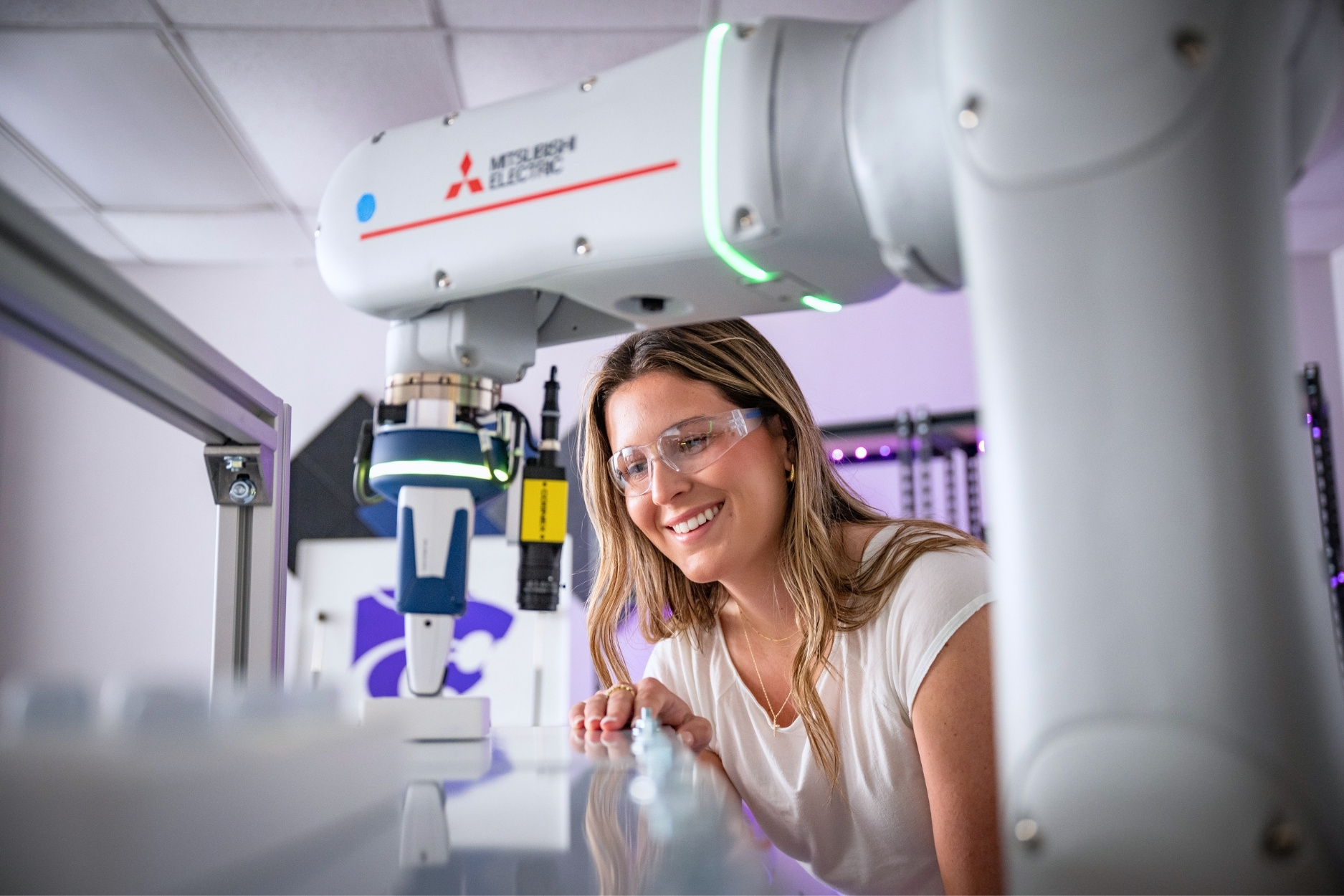
The university is equally investing in what happens once students arrive, with a focus on aligning enrollment growth with retention and graduation rates.
WillieAI, K-State's developing artificial intelligence assistant, is designed to help students navigate university life by connecting them with personalized support, resources and information based on their needs.
Tools like WillieAI are part of a broader effort to make receiving support easier and more accessible for students. The platform also helps the university better understand what students are looking for, providing insight into how K-State can continue to improve the student experience.
Today's most pressing challenges cannot be solved alone; they require interdisciplinary thinking and strong partnerships. K-State is growing its research enterprise to deliver accelerated solutions to challenges facing our world.
When we align vision and effort, we build great things.
As part of its updated 2030 goals, K-State aims to grow annual research expenditures to $350 million, building on more than $279.7 million earned in fiscal year 2025. That growth is focused on problem-based research in areas where K-State's expertise can make a meaningful difference, including water, health, food and biosecurity, energy and emerging technologies.
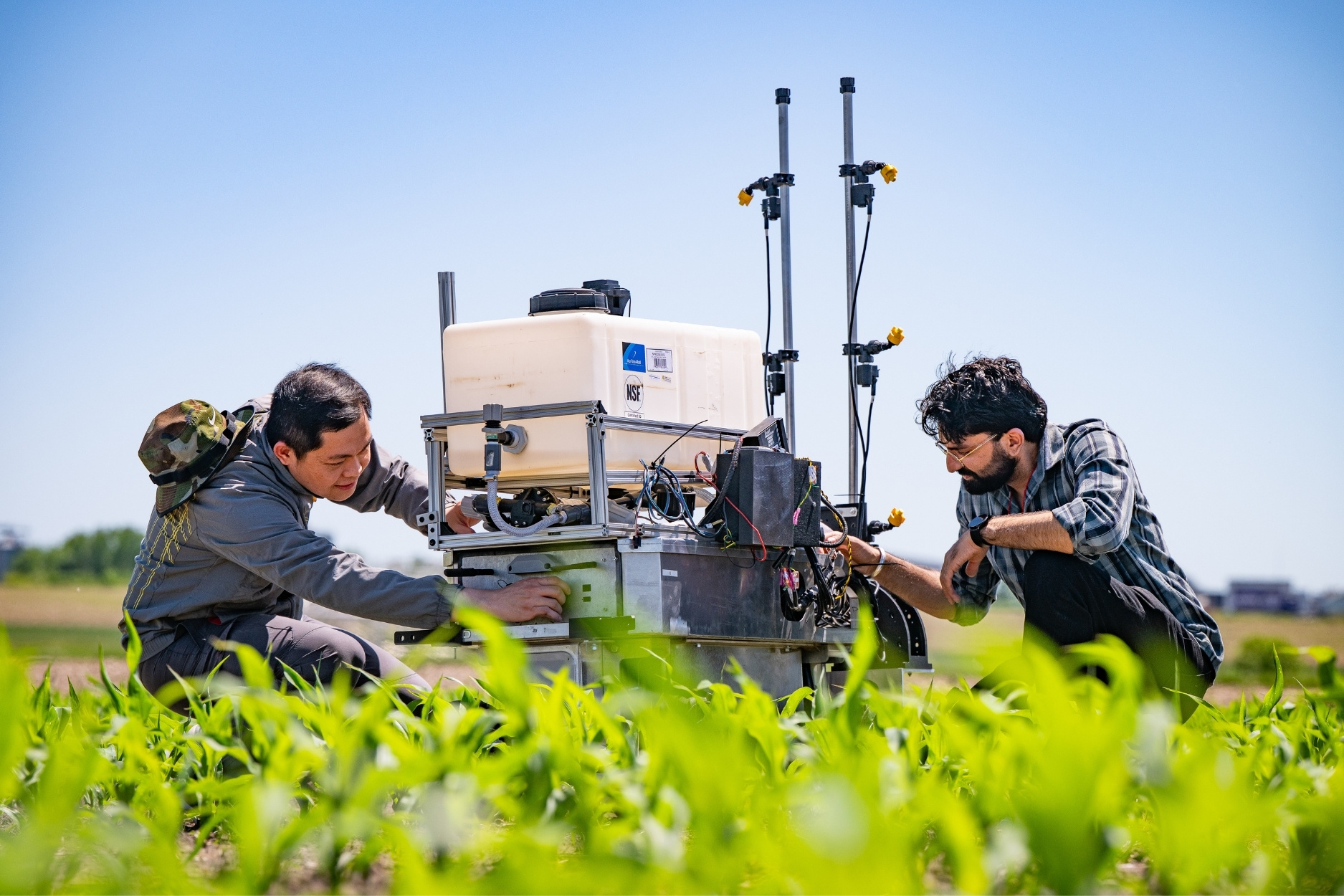
Across the university, that work is already taking shape. Through the Secure Energy Initiative, K‑State is leading the development of affordable, accessible, reliable and resilient energy solutions — advancing interdisciplinary research, developing the workforce, building partnerships and integrating nuclear technologies.
K-State researchers are also responding to challenges as they emerge. When New World screwworm was detected in the United States for the first time in decades, university experts helped producers and communities understand the threat, quickly develop identification methods, and prepare to protect animal health from its potential spread.
By strengthening partnerships with communities, industry, government agencies and other institutions, the university moves discoveries beyond the lab and puts research to work where it can have the greatest impact.
Turning knowledge into impact requires strong partnerships and the capacity to support them. Through continuous engagement with Kansas communities and partner organizations both state and nationwide, K-State is connecting its expertise with the people and places it's intended to serve.
K-State Extension brings resources directly to all 105 Kansas counties, helping residents apply new knowledge to the challenges they face while strengthening the relationships that allow our state to thrive. That work takes many forms, from supporting local economies to helping communities better understand and navigate local challenges.
That commitment is also shaping the university's physical future. Agriculture Innovation Initiative progress — including the completion of the Bilbrey Family Event Center, L. Eldon Gideon Agronomy Research and Innovation Complex and Western Star Global Grain and Food Center — marks a significant investment in K-State's teaching, research and engagement capacity, expanding opportunity for agricultural and economic growth across the state.
Through its Campus Master Plan, K-State is taking a long-term look at how its physical spaces can better drive learning, discovery and connection across its Manhattan, Olathe and Salina campuses as One K-State. By building upon each existing campus location, the plan aligns resources, opportunities, partnerships and investments to create environments that support the university's evolving needs.
Athletics provides another powerful connection between K-State, its partners and the broader community. For many, it’s a first introduction to the university, while for alumni, donors and fans, it creates a lasting connection that extends beyond game day.
As the landscape of college athletics changes, K-State is positioning itself to secure new partnerships and sustainable funding models that support student-athletes while strengthening the university’s economic impact and sense of community.
As K-State looks toward 2030 and beyond, alignment of vision and effort will be central to the university's continued success.
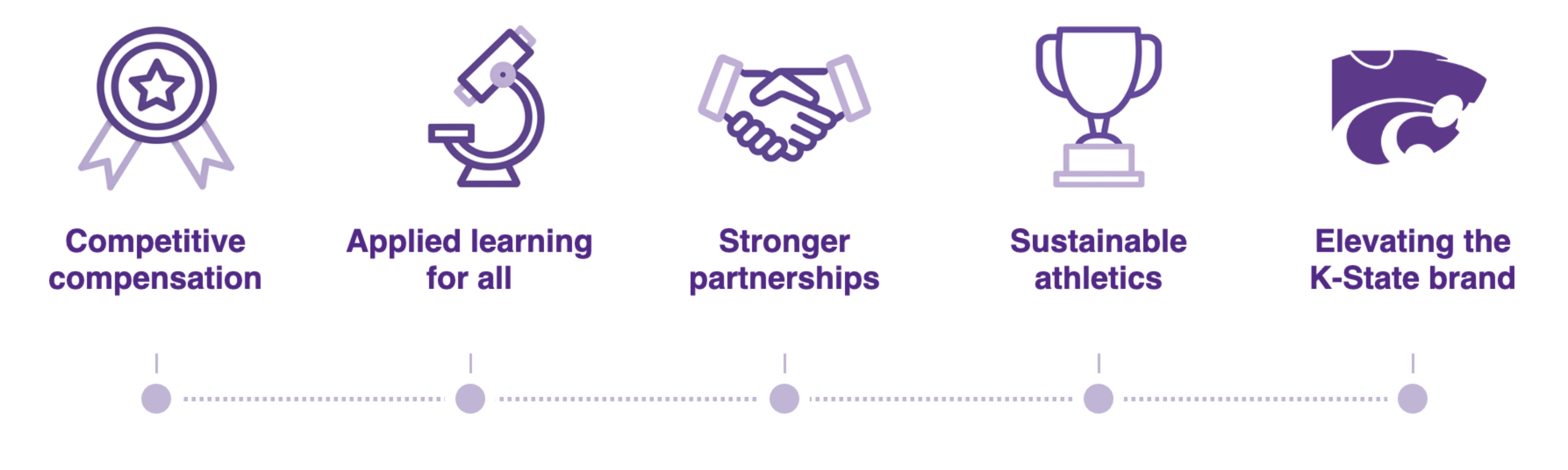
The path ahead is one shaped together, grounded in a shared belief in what a land-grant institution can make possible. With each new opportunity, partnership and investment, the future K-State is coming into view.
To learn more about factors driving the future of K-State and watch the full 2026 State of Our University address, visit the State of Our University and Next-Gen K-State websites.
President Richard Linton provides an update to the Next-Gen K-State strategic plan and what the next 5 years have in store for Kansas State University.
K-State continues to stand out as a top employer, earning recognition from Forbes as one of America’s Best Employers by State and America's Best Employers...
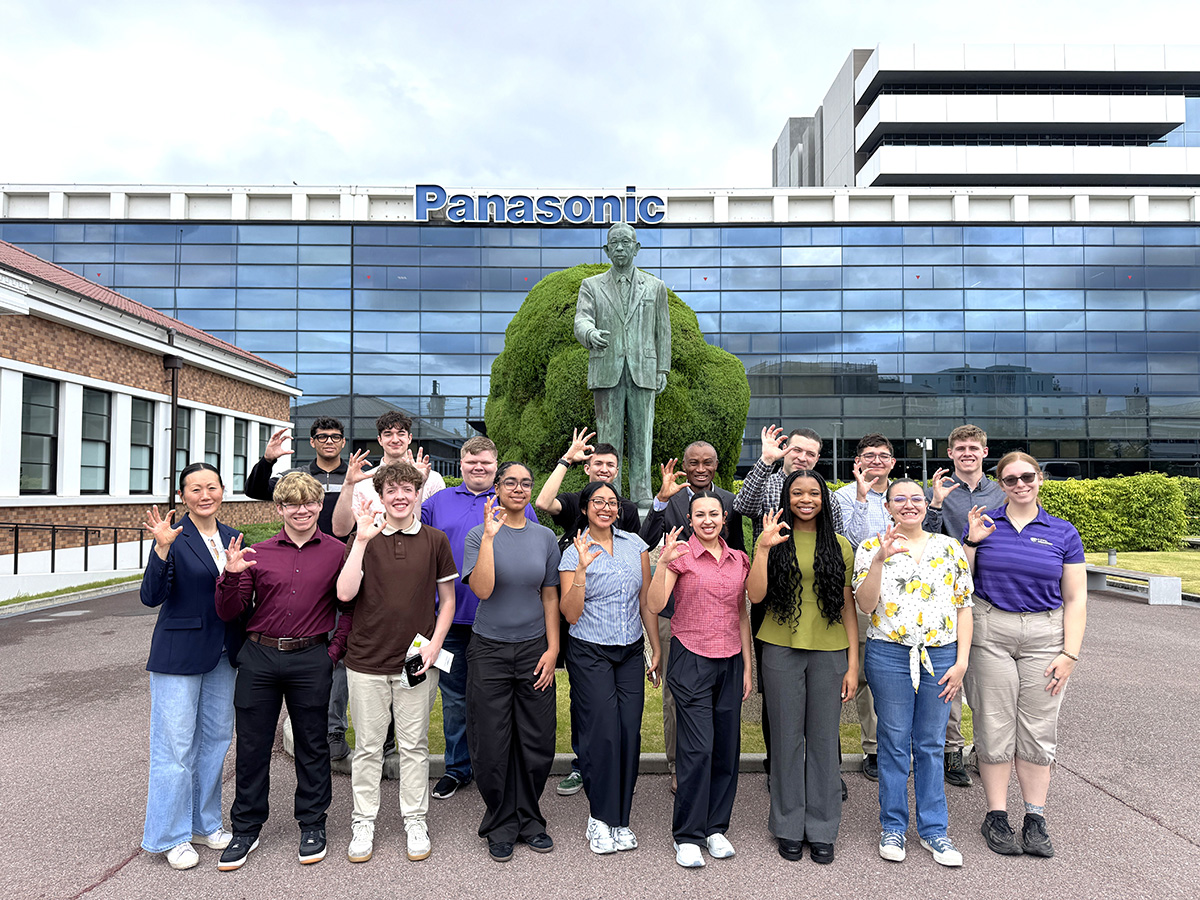
A two-week study abroad course challenged students to connect engineering, sustainability and cultural perspectives while building confidence as future professi...