Biochemistry and Molecular Biophysics
About Biochemistry at K-State
The department of biochemistry and molecular biophysics offers Bachelor of Arts, Bachelor of Science, Master of Science and doctoral degrees in biochemistry.
A combined B.S./M.S. degree provides undergraduates an opportunity to obtain both a Bachelor of Science and Master of Science in biochemistry in five years.
The specialized track in medical biochemistry is aimed at creating successful programs of study for students in pre-medical, pre-veterinary, pre-dental or pre-nursing majors.
The molecular biophysics track develops a unique skillset for students desiring careers in basic research with additional quantitative and biophysical experience.
News from Biochemistry and Molecular Biophysics
-
- Timothy Durrett was promoted to full professor.
- Janae Mooty, academic advisor for biochemistry and molecular biophysics, physics and statistics received a 2023 William L. Stamey Award for Advising from the College of Arts and Sciences.
- K-State's Seek Research Magazine co-features Erika Geisbrecht in the article "Anatomy of a breakthrough" under subtitle 'Small speciman, big possibilities'
- Linah Alkotami, biochemistry doctoral candidate, earns Sarachek award for outstanding academic and research work
- K-State scientists receive collaborative grant to advance biofuel production and agricultural economy

The biochemistry department offers a Bachelor of Arts and Bachelor of Science degree in biochemistry, as well as a bachelor's of Science in biochemistry and molecular biophysics.
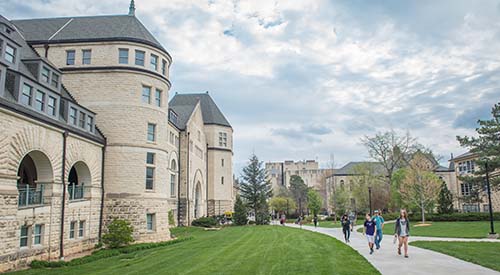
The K-State graduate program for biochemistry and molecular biophysics offers both a master's and a doctorate option.

Scholarships and funds are awarded annually, many are renewable for recipients that continue as biochemistry majors who remain in good academic standing.
Biochemistry graduate program
The master's and doctorate tracks offer programs of study that accommodates students with a wide range of backgrounds, including genetics, microbiology, physics, and medicine as well as the traditional chemistry, biochemistry and biology degrees.