Biochemistry Graduate Seminar


Monday, October 12, 2009

Lecture at 4:30 p.m. in Burt Hall 114
Coffee at 4:15 p.m. in Chalmers 168


Ting Zhang

Mechanism of aggregate reactivation mediated by ClpB from E.coli


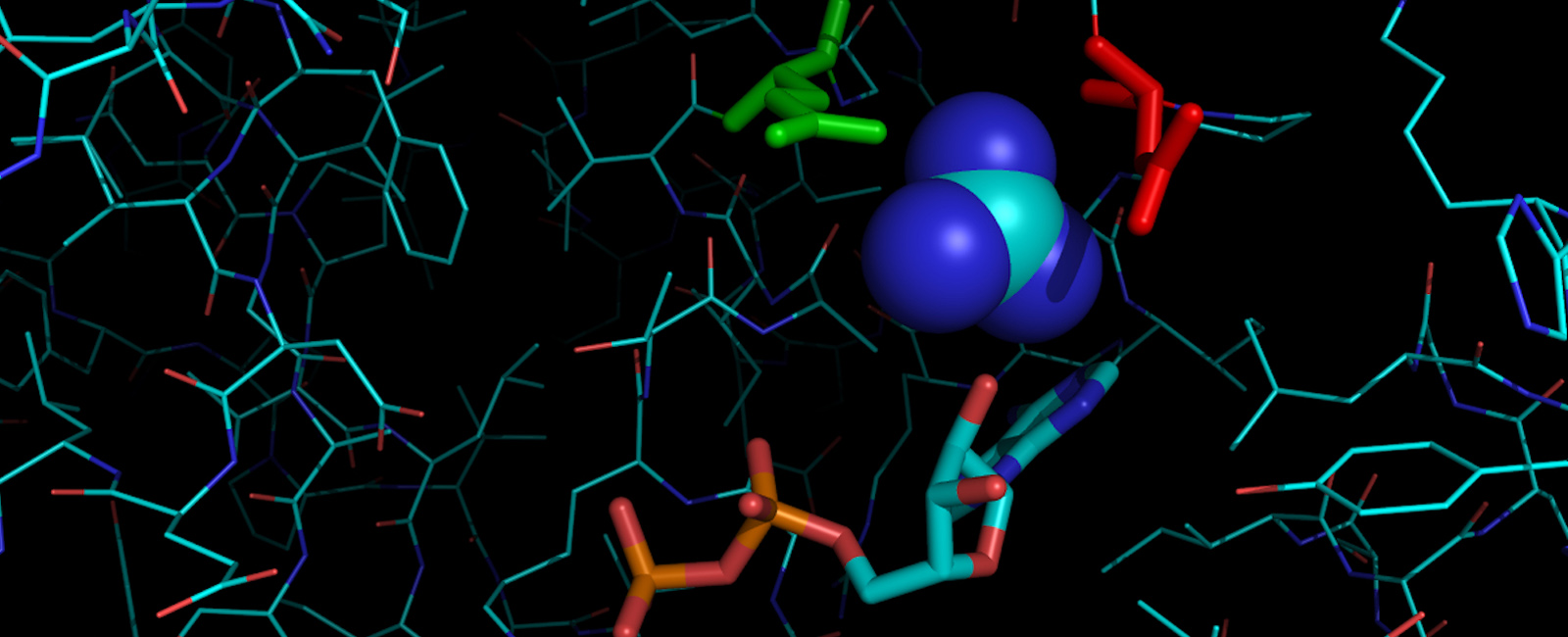
Correct protein folding is important for proper cell function. Protein misfolding may cause aggregation and leads to many diseases such as Alzheimer’s disease, Parkinson’s disease and Huntington’s disease, etc. In order to make sure that proteins are correctly folded under both normal and stressful conditions, cell has developed a lot of chaperone proteins. ClpB is a bacteria heat shock protein which belongs to the AAA+ family (AAA stands for ATPases associated with various cellular activities). ClpB usually forms a hexamer in the cell. By using the energy of ATP hydrolysis ClpB pulls aggregated substrate through its central channel to unfold them with the help of a co-chaperone DnaK system. We have constructed a ClpB variant called BAP which associates with the protease ClpP. BAP translocates substrates through its central pore directly into ClpP for degradation. We used the BAP/ClpP system to study the interaction between the aggregated substrate ( in this case G6PDH) and ClpB. ClpB contains two nucleotide binding domains, a large middle domain that connects two NBDs and a small N-terminal domain that is located on top of the hexamer ring with unstructured linker. The role of the N-terminal domain is not fully understood. However, previous study has shown that the mobility of N-terminal domain may be important for ClpB activity. We produced variants of ClpB with modified linker region and tested the effect of these variants on chaperone activity of ClpB. The results have shown that nature has made the best linker for ClpB, since both the more flexible one and the less flexible one has a defect in chaperone activity.


References:


J Weibezahn, P Tessarz, C Schlieker, R Zahn, Z Maglica, S Lee, H Zentgraf, EU Weber-Ban, DA Dougan, FT Tsai, A Mogk, B Bukau (2004) Cell 119:653-665
Susanne Cranz-Mileva, Frank Imkamp, Kristina Kolygo,Željka Maglica, Wolfgang Kress and Eilika Weber-Ban (2008) J Mol Biol 378:412–4


Return to Graduate Seminar Schedule