Summer Turf Wars: Battling Drought, Heat, and Seasonal Pests – Part 2. Brown Patch and Insect Pests
Part 1 of this series detailed how to properly diagnose and manage environmental summer challenges, specifically focusing on the differing tolerances and cultural mitigation strategies for drought and heat stress in cool-season versus warm-season turfgrasses.
Brown Patch in Tall Fescue Systems
Brown patch, caused by the fungal pathogen Rhizoctonia solani, is one of the most common disease problems encountered in tall fescue turf during the hot weather months.
How to Identify It
- The Symptoms (Visual Cues): Look for circular or irregular patches of blighted turf (tan, orangish brown) ranging from a few inches to several feet in diameter. On individual leaf blades, look for distinct tan lesions featuring dark brown borders.
- The Signs (Physical Pathogen): On humid, dewy mornings, you can often see cobwebby, white fungal growth (mycelium) resting on the grass canopy.
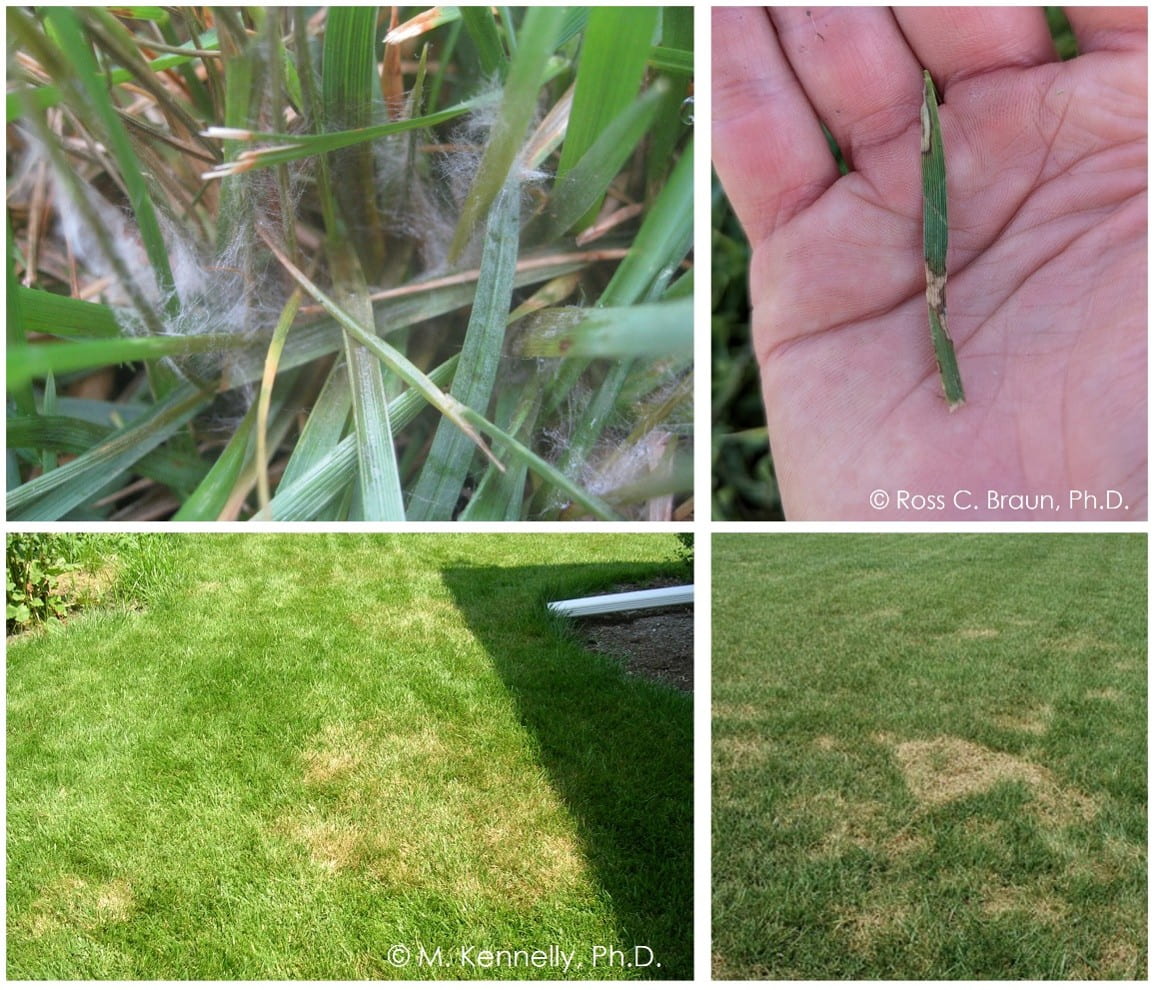 Figure 1. Signs and symptoms of brown patch.
What Enhances Disease Severity?
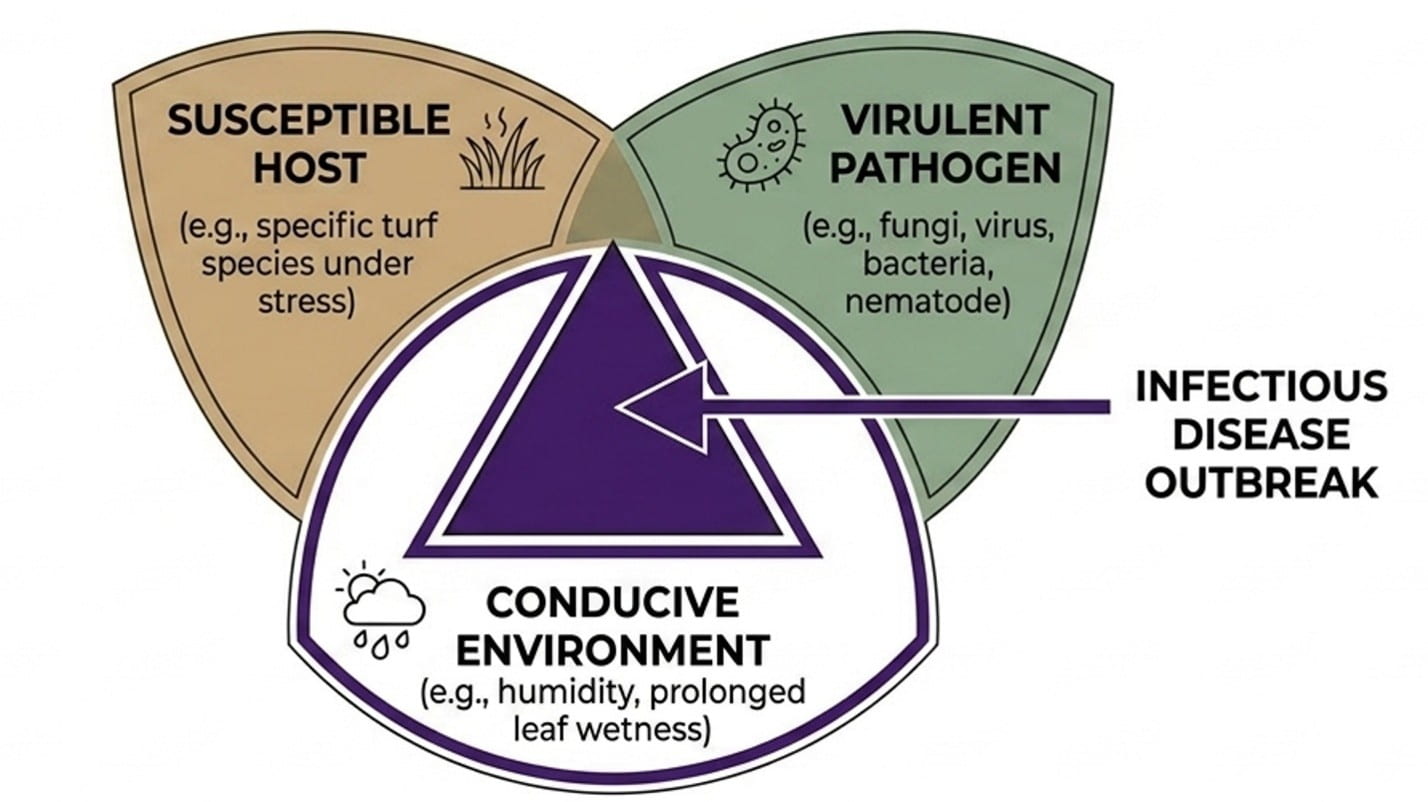
Fungal outbreaks rely on the alignment of the “Disease Triangle“: A susceptible host, a virulent pathogen, and a conducive environment. Brown patch thrives on hot summer nights when air temperatures stay above 68°F, and leaves remain wet for more than 8 consecutive hours. Furthermore, brown patch is a “high-nitrogen” disease, meaning excessive nitrogen fertilization in your tall fescue turf right before or during hot, humid windows drastically amplifies its severity.
Cultural Practices to Prevent and Alleviate Brown Patch
Before reaching for a chemical solution (fungicide), adjust your management routine to break the disease triangle:
- Reduce Leaf Wetness: Only irrigate during the early morning hours (between 5:00 and 10:00 AM) so the canopy dries quickly during the day. Avoid watering in the evening, because it results in wet leaves all night.
- Improve Airflow: Trim low-hanging tree branches to maximize air movement, lowering localized relative humidity.
- Alleviate Plant Stress: Raise your mowing height to promote healthier plants with more photosynthesis (carbohydrate accumulation) and deeper roots. Relieve soil compaction through core aerification in the spring or fall in tall fescue turf.
- Smart Fertility & Seeding: Avoid summer nitrogen applications for tall fescue —fertilize in the fall instead. When repairing damaged areas in September, overseed with newer, improved tall fescue cultivars that possess better natural disease resistance.
Chemical Control: Active Ingredients
If your tall fescue turf has a chronic history of severe brown patch, a preventative strategy using systemic fungicides may be needed. Systemic products are absorbed into the plant to protect new growth for a longer period of time, whereas contact fungicides merely sit on the surface.
- When to Apply: Apply preventatively in early-to-mid June as humidity rises and night temperatures consistently exceed 60°F, repeating every 4 to 6 weeks through the summer may be needed, depending on disease pressure (environmental conditions). Curative applications only protect uninfected new growth; they cannot restore already dead tissue.
- Top Active Ingredients (Liquids are preferred for uniform canopy coverage):
Azoxystrobin, pyraclostrobin, trifloxystrobin, propiconazole, tebuconazole, fluoxastrobin, flutolanil, myclobutanil, some others.
This is an excellent guide – Chemical Control of Turfgrass Diseases 2024 by Univ. of Kentucky, Rutgers Univ., and the Univ. of Wisconsin-Madison.
Always read and follow all pesticide label directions to know what sites you can legally apply to and application rates. The label is the law.
Insect Pests: White Grubs & Armyworms
When insects strike in the summer, turf damage can manifest at lightning speed. Management relies heavily on targeting the specific zone where the insect feeds.
Fall Armyworms (Surface Feeders)
- The Threat: As a tropical pest, armyworm moths migrate north on wind currents during the summer. The larvae (caterpillars) feature a distinct “Y” mark on their heads and cause chewing damage that can strip a lawn down to the thatch “literally overnight”.
- Scouting & Timing: Damage peaks in late summer or early fall. Scout by looking for egg deposits on light-colored objects near the turf (like fences or gutters) or look for notched leaf blades. Perform a soapy flush by pouring 2–3 tablespoons of dish soap mixed in a gallon of water over a square yard of affected turf to force larvae to the surface.
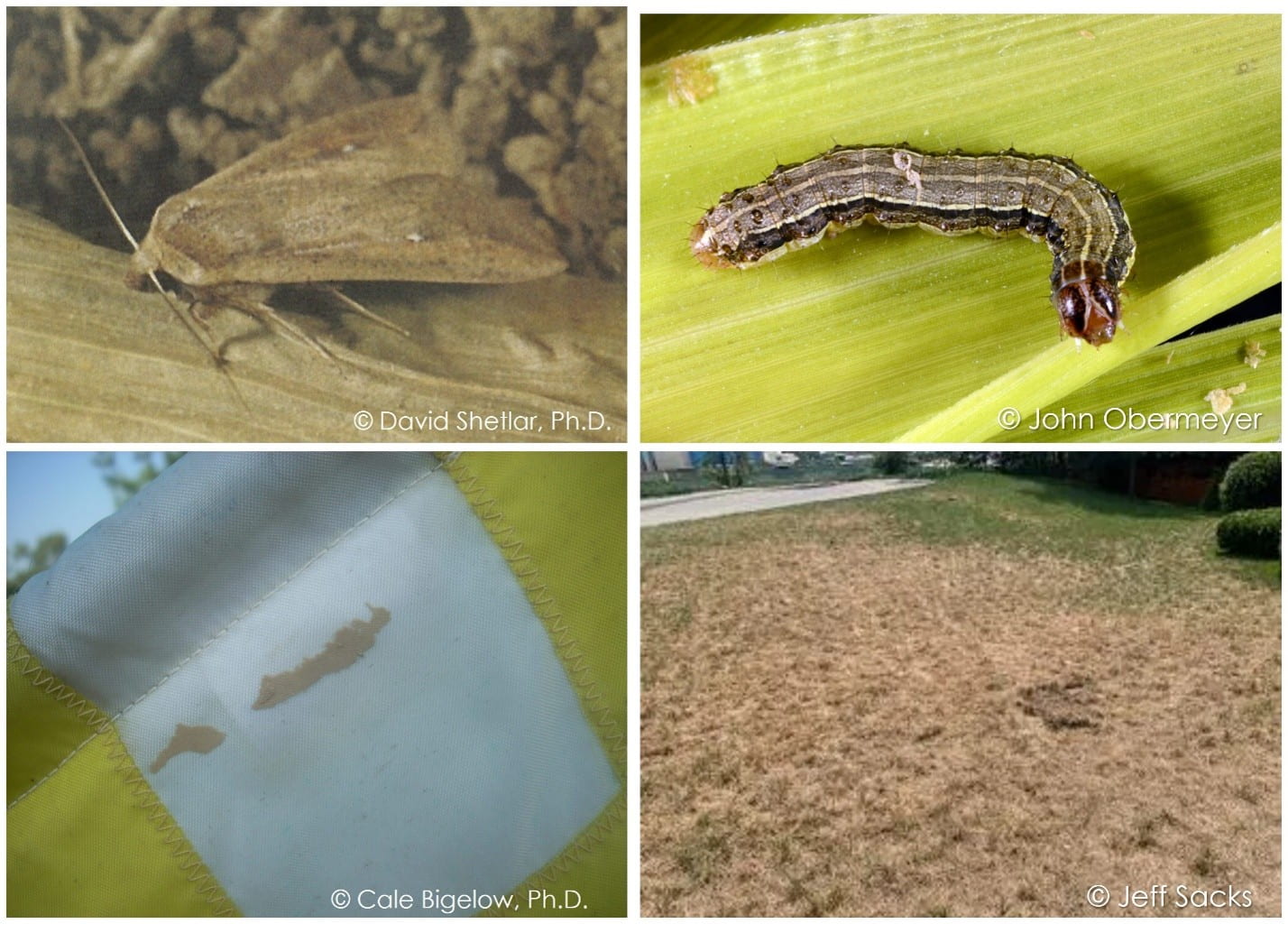 Figure 3. Armyworm adult (top left), larva – caterpillar (top right), egg deposits (bottom left),
and damage (bottom right).
- Control Strategy: Curative applications are often the agronomic standard because outbreaks are highly unpredictable and armyworm pest pressure varies year-to-year. Preventative insecticides may degrade too quickly to protect against future flights and generations. Since armyworms are foliar feeders, most insecticide applications will direct you to let it dry on the plant surface. Regardless, always read and follow all pesticide label directions to maximize efficacy. The label is the law.
- Active Ingredients: Apply a fast-acting insecticide once the pest has been identified and active feeding is confirmed. Some examples include bifenthrin, lambda-cyhalothrin, trichlorfon, and chlorantraniliprole (if applied earlier as a preventative). Repeat insecticide applications may be necessary, but check your turf twice a week to see if treatment is needed.
- This infographic by NC State University is helpful.
White Grubs (Subsurface Root Feeders)
- The Threat: White grubs are the distinct “C”-shaped larvae of May/June beetles, masked chafers, and other species. They feed underground, completely consuming the root system until the turf can be pulled upward easily like an unsecured carpet. Secondary damage often occurs when birds, skunks, or raccoons aggressively tear up the lawn to feast on the grubs.
- Scouting & Timing: Peak adult flights as beetles occurs between May and July, with eggs hatching in the summer or late-summer. These young larvae (white grubs) are hungry and feed between July through October. Action thresholds are the specific number of white grubs per square foot of turf at which the cost and damage of an infestation outweigh the cost of treatment. Action thresholds generally warrant treatment if you count more than 3–5 grubs per square foot for May/June beetles because of their larger size, or 8–10 grubs per square foot for masked chafers.
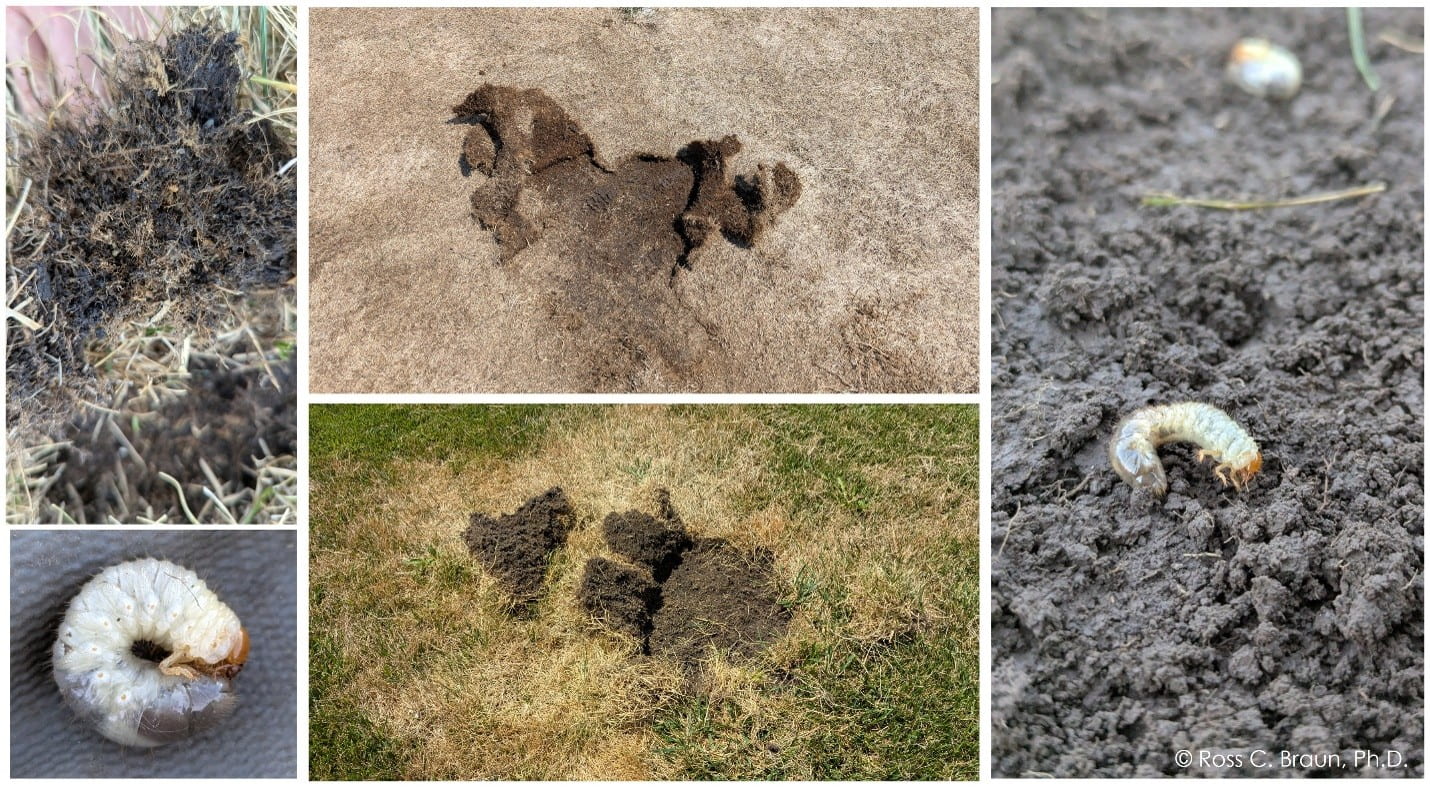 Figure 4. White grub damage by feeding on the turf roots, which the turf then exhibits drought stress symptoms and can be easily pulled up like carpet.
- Control Strategy: Unlike surface treatments for armyworms, grub insecticides must be watered in to wash the active ingredient past the thatch layer down into the root zone.
- Active Ingredients: There are multiple active ingredients that can successfully be used as a preventative application strategy. Some examples include: chlorantraniliprole, imidacloprid, clothianidin, thiamethoxam, dinotefuran, and halofenozide. The best time to apply a preventative application is around peak flight times, which is often June through Mid-July. For a late-summer rescue treatment when damage is already visible, use a faster active ingredient for a rapid contact kill. Some examples include: trichlorfon.
See these past KSU Turf Blog Posts for more information on white grubs: Grub Season is Here, Attack of the 1 inch C-shaped Grub.
The Importance of Proper Diagnosis
Summer can bring about many different stresses in our turf systems, especially cool-season turf. The most important thing is to Don’t guess, instead, scout and test (if needed).
When a lawn starts thinning, yellowing, or browning in July and August, it is easy to assume a fungus or insect is at fault. However, often more than 50% of the summer samples received by university diagnostic labs do not contain any pathogens at all—it is simply heat stress, drought stress, or other abiotic (non-living) issues. Misdiagnosing your turf leads to wasted money on ineffective pesticide applications.
Heat Stress: Progressively thinning turf, roots are still intact, soil moisture levels are adequate.
Drought Stress: Signs of wilt, thinning turf, roots are still intact but soil moisture levels are low.
Brown Patch: Blighted patches, cottony mycelium may be present in morning, look for distinct tan lesions on individual leaf blades. Often we create this problem ourselves by over-irrigating or improper timing of irrigation, which leads to this disease problem.
Armyworms: Look for notched (chewed) leaf blades, rapid defoliation later in the summer. Use a soapy solution (2-3 tbsp dish soap per gallon) to flush the insects to the surface).
White Grubs: White larvae will not be on the surface. Does the turf pull up like carpet due to the root system having been chewed off, then inspect how many grubs are present.
Before you spray, utilize these field test metrics and properly scout and identify the pests. Lastly, if you need help, you can send a sample to the experts. The K-State Plant Disease Diagnostic Lab provides rapid, research-backed testing for fungi, bacteria, viruses, nematodes, and even insect or plant identification. Here is information on how to collect and submit a sample.
Stay vigilant, scout thoroughly, and let’s win the summer turf wars together!