Turfgrass and Shade Stress Part 1. Prune the trees!
We are coming out of winter, and it’s time to start thinking about the constant struggle of growing turfgrass in shaded areas near/under trees. The turfgrass needs more sunlight, and pruning the trees will promote healthier turf and healthier trees! This will increase sunlight exposure to the turfgrass and improve airflow, reducing fungal disease pressure in summer. For turfgrass species/cultivar selection and best management practices in shaded areas, see Part 2.
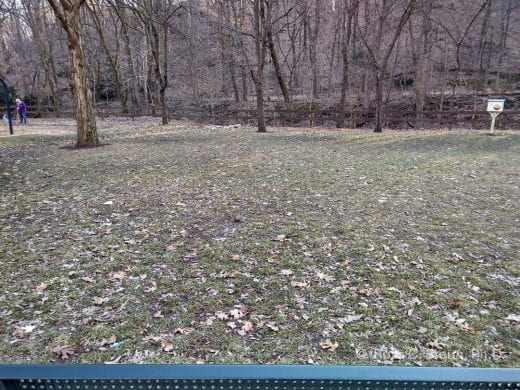
The ideal time to prune most trees is during the late dormant season (late February through early April) before new growth begins. Pruning at this time is preferred because it allows the tree to begin sealing immediately as spring growth begins, minimizing the time the wound is exposed to pathogens. Furthermore, the absence of leaves makes it easier to see the tree’s overall structure. Prune now to give your turfgrass areas a better chance this growing season.
Some Pruning Timelines by Category
The “best” time can vary slightly depending on the specific type of tree and your goals:
1. Deciduous Shade Trees
Ideal Pruning Time: Late winter (February) to early spring (April). (e.g., Oaks, ash, linden, sycamore, coffeetree, honey locust, and hackberry)
Exceptions (The “Bleeders”): Trees like maple, birch, dogwood, elm, and walnut have heavy sap flow in early spring. While “bleeding” clear sap isn’t harmful to the tree, it can be messy. For aesthetic reasons, these are often pruned in mid-summer, once they are fully leafed out.
Oaks: To prevent the spread of Oak Wilt, a fatal fungal disease, oaks should only be pruned during the dormant winter months (December through February).
2. Flowering Trees
Spring-blooming (e.g., redbud, magnolia, crabapple): Prune immediately after they finish flowering. Pruning them in winter won’t hurt the tree, but it will remove the flower buds for that season.
Summer-blooming: These bloom on “new wood” (growth from the current season) and should be pruned in late winter or early spring.
3. Evergreen Trees
Pines and Spruces: Best pruned in late spring (May to June) when the new growth, called “candles,” has fully elongated but before the needles have completely hardened. You typically pinch or cut these candles in half to control growth.
Junipers, Arborvitae, and Yews: These can be pruned from April through September, though it is best to avoid the hottest “dog days” of summer.
Important Safety and Health Tips
Avoid Fall Pruning: Pruning in September, October, or November is generally discouraged. It can stimulate new growth that won’t have time to harden off before freezing temperatures arrive, leading to winter injury.
The “Three D’s”: You can (and should) remove Dead, Damaged, or Diseased wood at any time of the year, regardless of the species.
Wound Dressings: K-State experts do not recommend using pruning paints or dressings. Trees seal wounds naturally through a process called compartmentalization; paints can trap moisture and encourage decay.
The 10% Rule: For light maintenance, you can remove up to 10% of a tree’s canopy at almost any time without significant stress to the plant.
For more information on tree pruning, see the following sources:
https://bookstore.ksre.ksu.edu/pubs/shade-and-ornamental-trees-for-kansas_MF2688.pdf
Find a Certified Kansas Arborist
Certified arborists are essential for tasks that exceed the skills of individuals or city employees, especially for pruning, evaluating, or removing large trees. They have completed training, passed a certification exam, and have at least 2 years of practical experience in arboriculture. Additionally, certified arborists maintain liability insurance and pursue continuing education. For safety, they have the necessary equipment for tree work. A membership list of certified arborists in Kansas can be found at https://www.kansasarborist.com/find-an-arborist.html.