Tackling global food security
K-State awarded two Feed the Future Innovation Labs from the U.S. Department of State

By Division of Communications and Marketing
Thursday, Oct. 15, 2026
870 million people worldwide lack sufficient access to safe, nutritious food, according to the U.S. Department of Agriculture. Two newly announced research labs at Kansas State University will help to address these needs.
On Thursday, Oct. 15, the U.S. Department of State announced funding for eight new innovation labs across the country to advance global food security. K-State is the home to two of these vital initiatives: the Feed the Future Cereals Innovation Lab and the Feed the Future Sustainable Intensification of Targeted Agricultural Systems, or SITAS, Innovation Lab.
Both labs build on K-State's strengths in global food security and biosecurity, advanced and innovative technologies, and sustainability. Combined, the labs have received $16.6 million in funding for the next two years.
Securing the world’s top crops
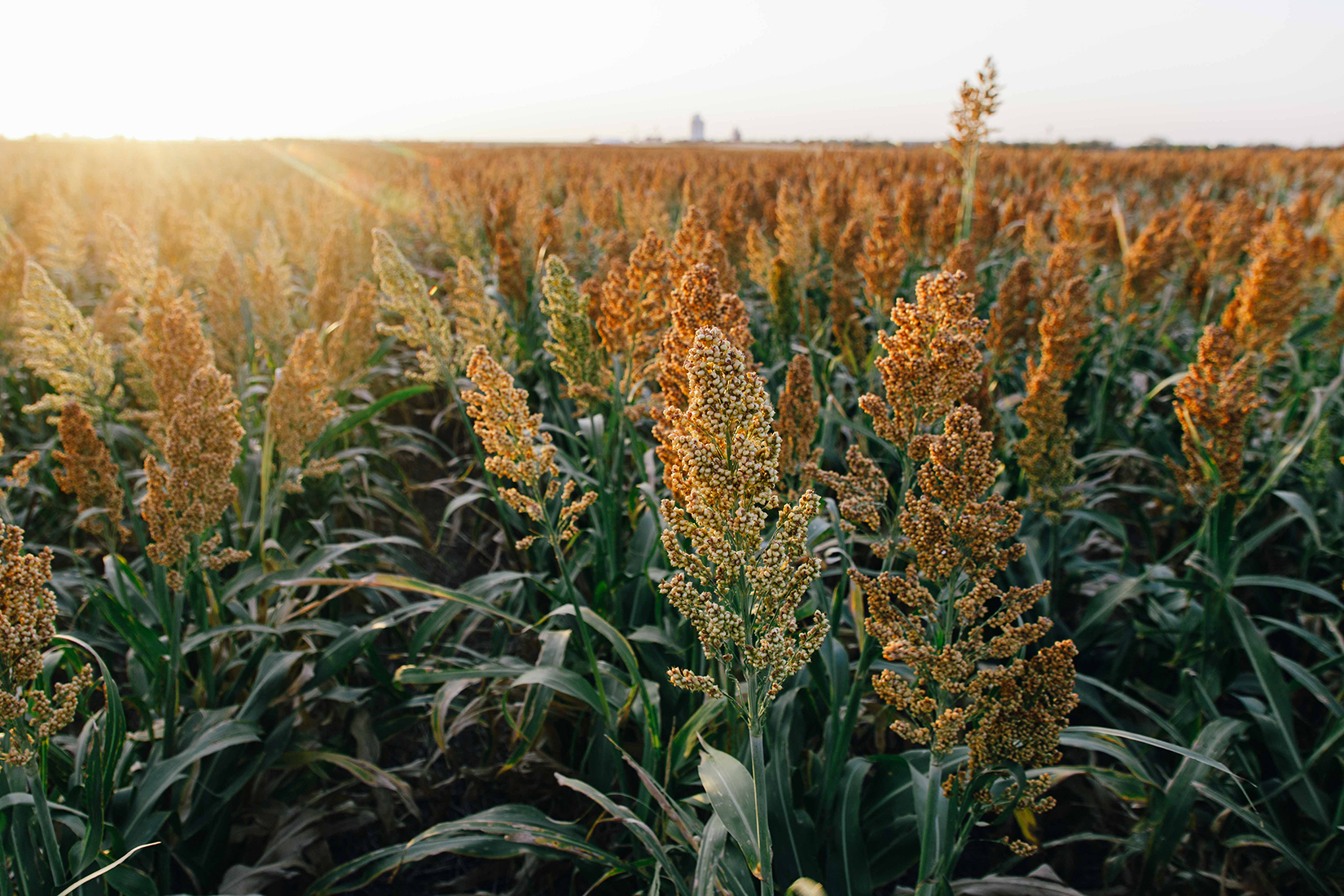
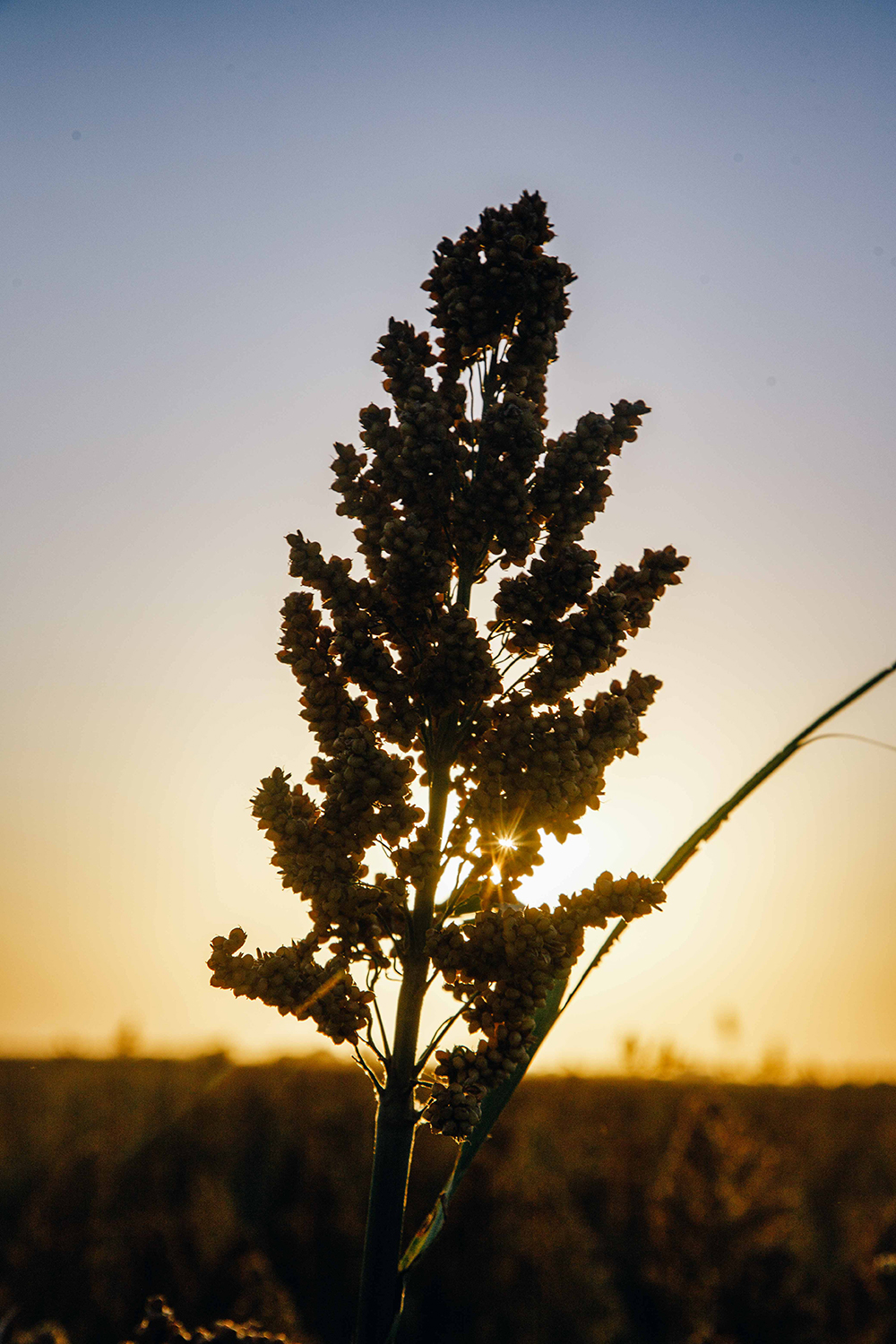
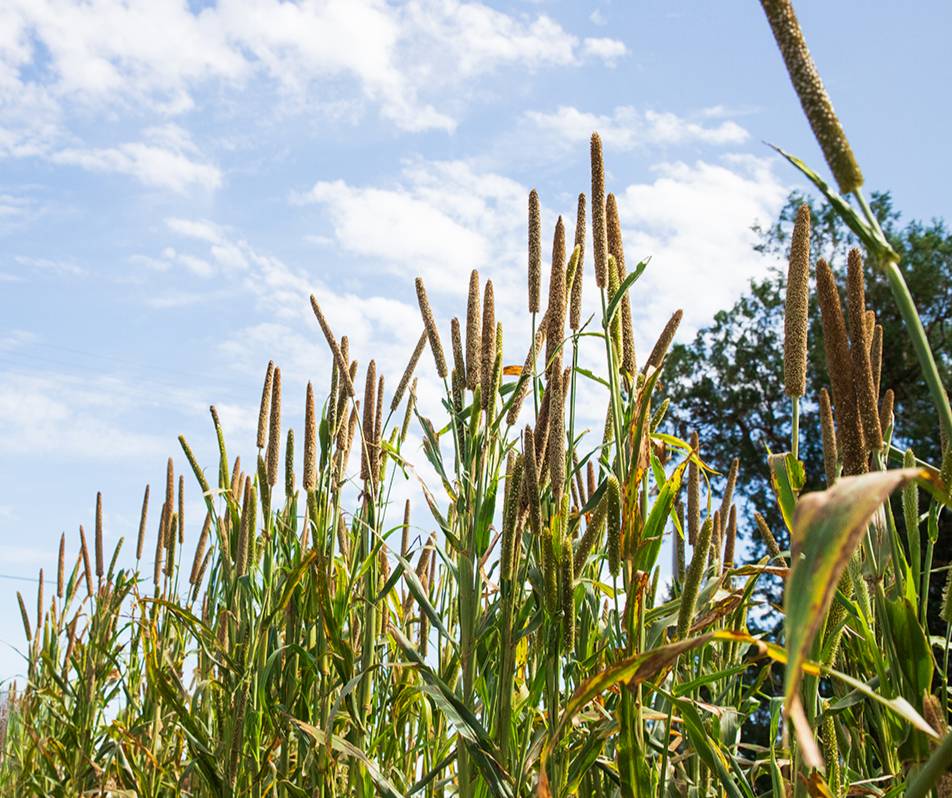
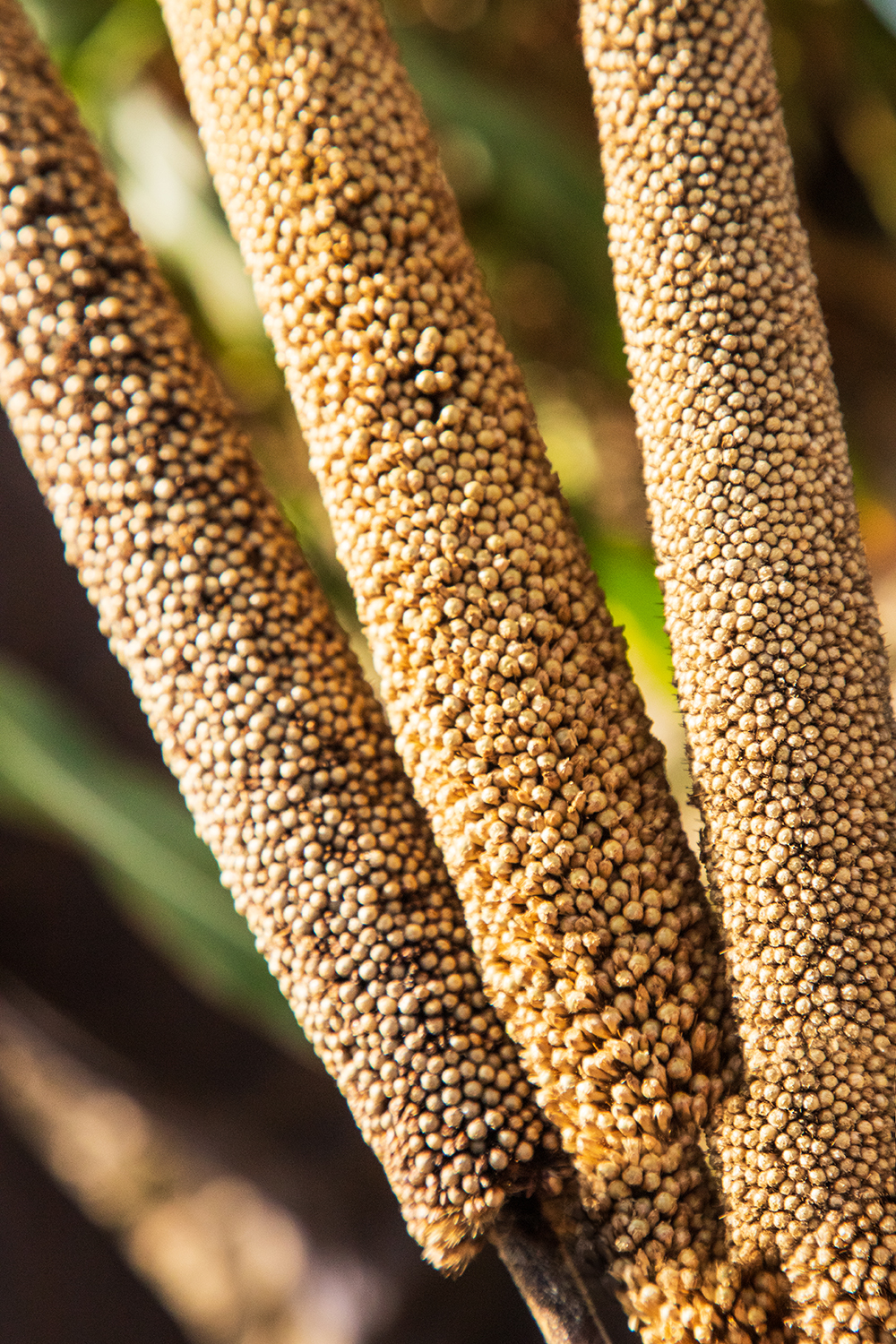
The Cereals Innovation Lab will focus on fortifying global cereal crops by advancing the breeding of wheat, millet, sorghum and rice to withstand environmental stressors and increase cereal grain resilience. These crops account for nearly half of the world's caloric intake.
The lab is an ambitious upstream research and development program that advances plant breeding by identifying and leveraging genetic variation to improve crop performance under stressors — including heat, drought, cold and disease — and by increasing global capacity to harness emerging plant breeding methods. The lab aims to increase global food security while ensuring these cereals are fortified against yield-limiting factors.
"The U.S. is not immune to many of these plant stresses, with the 2026 Kansas wheat crop suffering nearly 40% yield reduction from drought conditions," said Nina Lilja, Cereals Innovation Lab director and associate dean of international programs in K-State's College of Agriculture. "Cereal crops are fundamental to food security in Kansas and around the world, and our work helps the farming industry be more resilient and prosperous."
The funding is for collaborative, interdisciplinary research to improve the four crops. K-State's implementing partners include Clemson University, Cornell University, Louisiana State University, Purdue University, Texas A&M University and the University of Florida. Scientists at these universities are working with their counterparts in Bangladesh, Ethiopia and Senegal to equip farmers with improved cereal varieties that deliver higher yields and economic opportunities under stressed conditions
Taking research to the field
Working in eight countries across the Indo-Pacific, Central America and the Lobito Corridor, the Sustainable Intensification of Targeted Agricultural Systems Innovation Lab will address local agricultural challenges and advance innovation. The lab will bring together researchers, extension professionals, farmers and businesses to adapt and combine innovations suited to local farming needs and conditions and to expand their use through extension services, digital tools, and public- and private-sector partnerships.
The work will strengthen agrifood systems while advancing shared economic and strategic priorities of partner countries and the U.S.
 "Our goal is to turn agricultural research into practical and lasting benefits for farmers," said Vara Prasad, SITAS Innovation Lab director, University Distinguished Professor and R.O. Kruse endowed professor of agronomy. "That starts with listening to farmers and working with local institutions and businesses to address their priorities. By connecting and bundling proven locally adapted technologies with training, services and markets, we can scale technologies and help farmers improve productivity and profitability while strengthening local expertise and institutions needed to sustain those benefits."
K-State will lead this project with partners in the U.S. and host countries. Together, these partners will focus on crop productivity and farming systems, water use, fertilizer and soil, artificial intelligence and smart sensors in agriculture, and human and institutional capacity building. The work will connect technical advances with practical advice, training and services that help farmers make informed decisions and adopt innovative approaches suited to their needs. The research outputs and approaches developed from the programs will help inform crop production systems and resource management in Kansas and the United States.
SITAS Innovation Lab partners include Purdue University, Cornell University, the University of Maryland, the University of Texas — Arlington, the University of Texas — Tyler, the University of Florida, Oklahoma State University, Mississippi State University, Texas A&M University, the International Fertilizer Development Center, the International Rice Research Institute, the International Institute of Tropical Agriculture, the International Maize and Wheat Improvement Center, national agricultural research and extension systems, local universities, and U.S. and local private-sector partners and organizations.