People with Purpose: Aleksan Shanoyan
There's a lot that happens between farm and final food product; Aleksan Shanoyan helps make sure the right people are at the table.
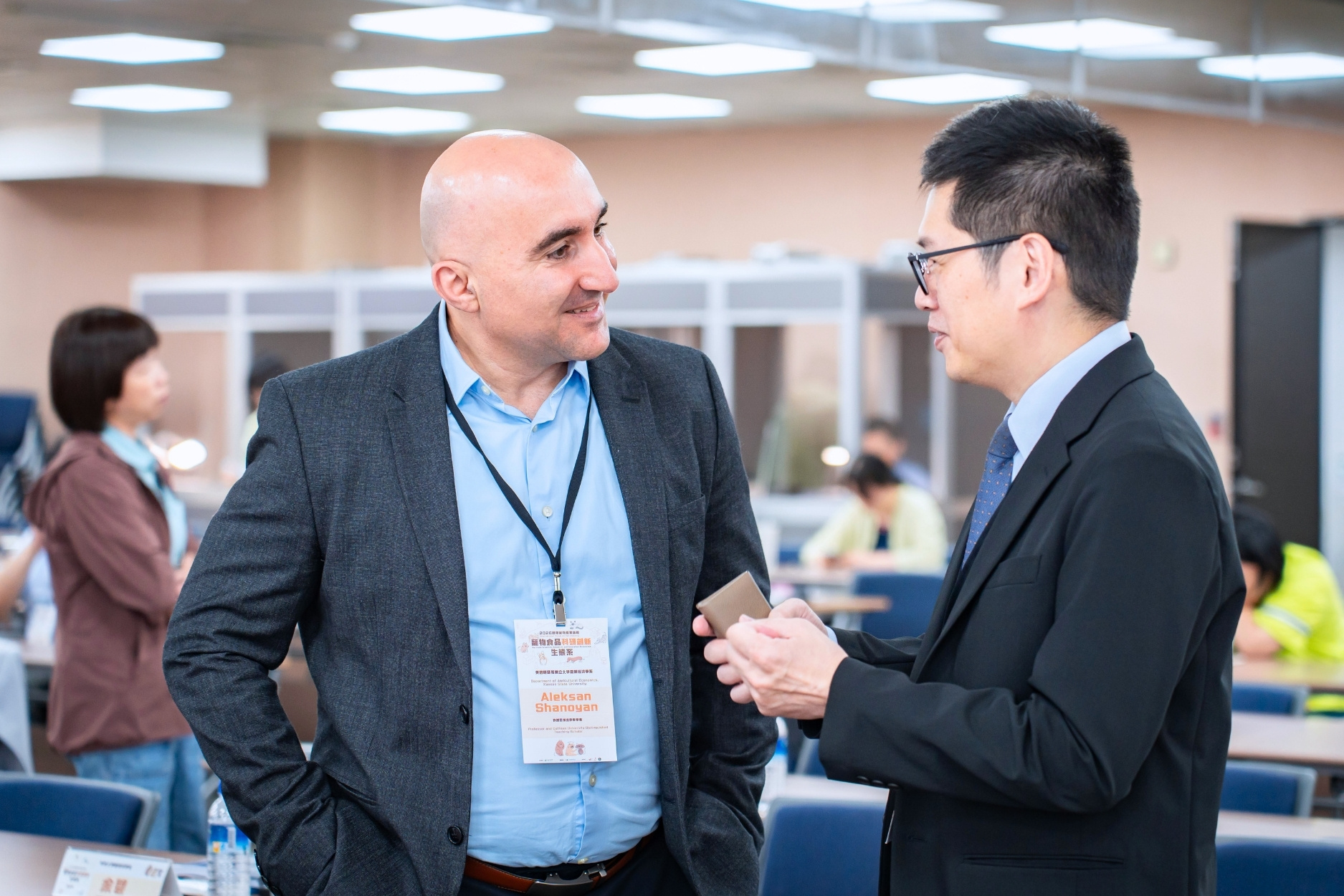
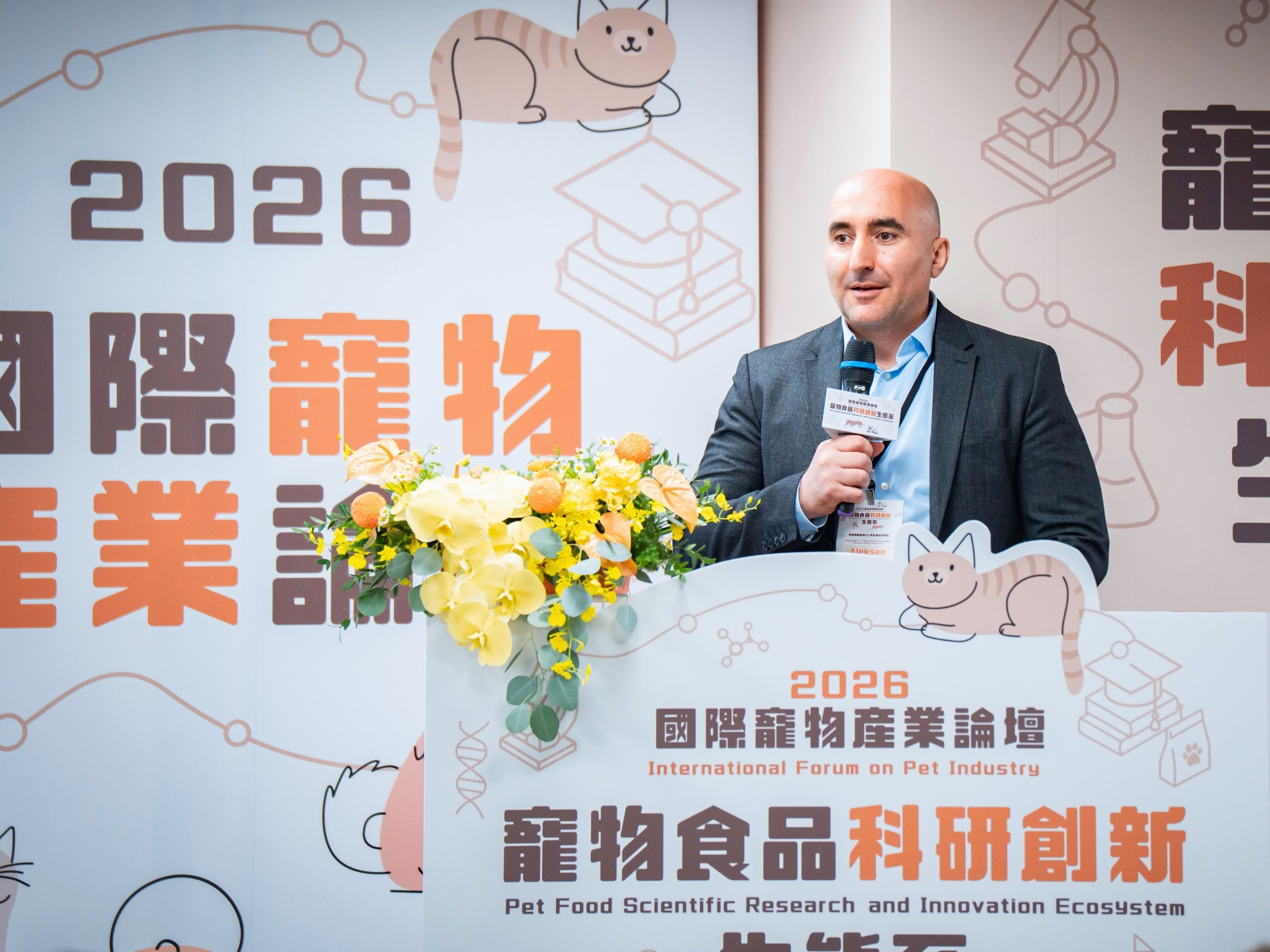
Aleksan Shanoyan attended the International Forum on the Pet Food Industry in Taipei, Taiwan in 2026, delivering the keynote address.

By Abbigail Marshall
Division of Communications and Marketing
Monday, Oct. 19, 2026
Aleksan Shanoyan knows feeding the world doesn't stop at what grows in the ground. Behind every agricultural harvest is a series of decisions that can shape the success of a farm, a business or an entire community.
Shanoyan, professor and University Distinguished Teaching Scholar in the Department of Agricultural Economics and 2026 winner of the Presidential Faculty Award for Excellence in Undergraduate Teaching, sees opportunity at every link in the agricultural supply chain.
Whether focused on student growth, industry partnerships or research, Shanoyan is planting the seeds for more resilient food systems — finding his purpose in connecting ideas with the people who will move them forward.
Q: How do you help students see the impact they can make on real challenges facing agriculture?
Shanoyan: When working with students, whether introducing new concepts in the classroom or advising thesis and dissertation research, we always start with a purpose: Why is this important? What real-world challenges will this solve? How will this help a farmer, an agribusiness manager or a policymaker succeed?
I often think of Antoine de Saint-Exupery's famous quote, "If you want to build a ship, don't drum up the men and women to gather wood, divide the work, and give orders. Instead, teach them to yearn for the vast and endless sea." Before we dive into the coursework and research activities, we envision the outcome: students equipped with the knowledge and skills for impactful careers, and producers and agribusiness leaders armed with new research-based insights to manage risks and build more resilient supply chains. Once students see that tangible impact on the horizon, the learning and research are no longer just academic exercises; they become practical solutions.
“Being able to contribute to solutions through applied research, while simultaneously preparing the next generation of agribusiness leaders in the classroom, motivates me and gives me a sense of purpose.”
Aleksan Shanoyan
Q: What does it mean to lead in a field that is constantly evolving?
Shanoyan: Leading in an evolving field requires a deliberate balance of staying anchored to core principles while actively resisting complacency and path dependency. In agriculture, where volatility is a given, and the pace of technological change is accelerating, our students and industry partners know that it is impossible to have all the answers in advance. In my work both inside and outside the classroom, I strive to foster evidence-based decision-making, encourage calculated risk-taking, and maintain the ability to learn quickly and adjust when things don’t go as planned.
Q: What have you learned from the farmers, businesses and communities connected to your work?
Shanoyan: Over decades of working with agricultural communities in Kansas and internationally, I have learned a lot from farmers and agribusiness leaders. Perhaps the most enduring lesson is that long-term resilience and success always come down to human fundamentals such as a rigorous work ethic, intellectual curiosity and building genuine, trust-based relationships with others.
I have witnessed this across vastly different scales and geographies. The contexts could not be more different — whether sitting in the boardroom of a multinational agribusiness in the U.S., talking strategy at a family-owned flour mill in Armenia, or walking the rows of a commercial grain farm in Kansas, a coffee plantation in Brazil or a vineyard in New Zealand — but the human foundations are the same.
Q: What keeps you looking for new ways to make food systems more resilient?
Shanoyan: Global food systems routinely face disruptions due to geopolitical conflicts, trade shocks, biological risks or rapid technological shifts. The vulnerabilities across our agri-food value chain are constantly evolving, which means our solutions must evolve even faster. There is always a new problem to solve and a better way to solve it. Being able to contribute to those solutions through applied research, while simultaneously preparing the next generation of agribusiness leaders in the classroom, motivates me and gives me a sense of purpose.
Q: What helps you earn students' trust in your role?
Shanoyan: When I joined the Department of Agricultural Economics at K-State as an assistant professor fifteen years ago, one of my mentors, Arlo Biere, shared a guiding principle that has stayed with me ever since: "People will never care how much you know until they know how much you care."
That insight guides every interaction I have with students. Before I can challenge them intellectually or push them out of their comfort zones, they need to know I am genuinely invested in their success, whether that means listening to their concerns, guiding them through difficult course projects or talking through their career aspirations. Once students realize you are truly in their corner, trust follows naturally, and meaningful learning can happen.
The vulnerabilities across our agri-food value chain are constantly evolving, which means our solutions must evolve even faster.
Q: How does your work transform lives in Kansas and around the world?
Shanoyan: I believe informed decision-making is a key precondition for positive transformation. When a producer successfully navigates market volatility, an agribusiness optimizes its supply chain or a policymaker develops evidence-based policy, their communities thrive.
In my research, whether analyzing supply-chain resilience, uncovering market dynamics in pet food or exploring new technology adoption, the goal is to convert complex data into actionable insights that inform strategic decisions. In the classroom, teaching food and agribusiness management, marketing and strategy prepares our students to step into those decision-making roles. When our graduates walk out ready to solve real problems, they don’t just build successful careers; they help transform communities in Kansas and around the world.
Related Stories

People with Purpose: Nathan Dozier
As assistant director of residence life and leadership programs, Nathan Dozier helps shape the student experience by investing in support systems and opportunities...
People with Purpose: Migette Kaup
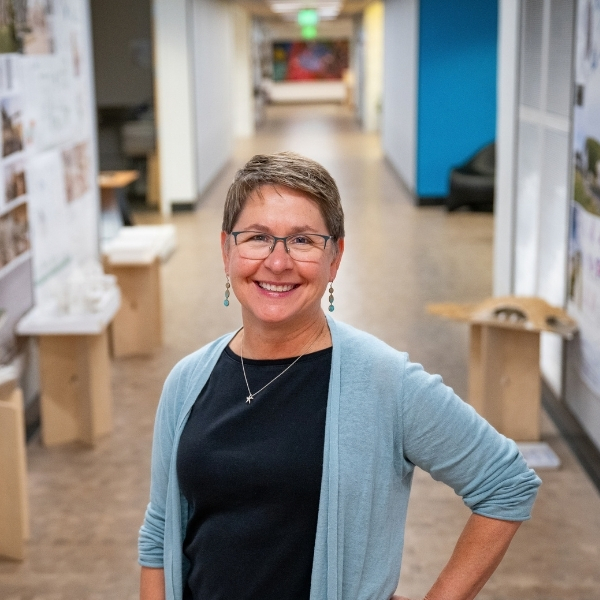
Migette Kaup — professor of interior design and research director for the Center on Aging — is rethinking how the spaces around us can better serve people...
People with Purpose: Jesse Osnes
Jesse Osnes, a doctoral student and graduate teaching assistant in the Department of Mathematics, earned the Presidential GTA award for Excellence in Undergraduate...