Energy surge puts pressure on farm budgets
K-State economist suggests energy-driven price increases may threaten already tight farm margins.
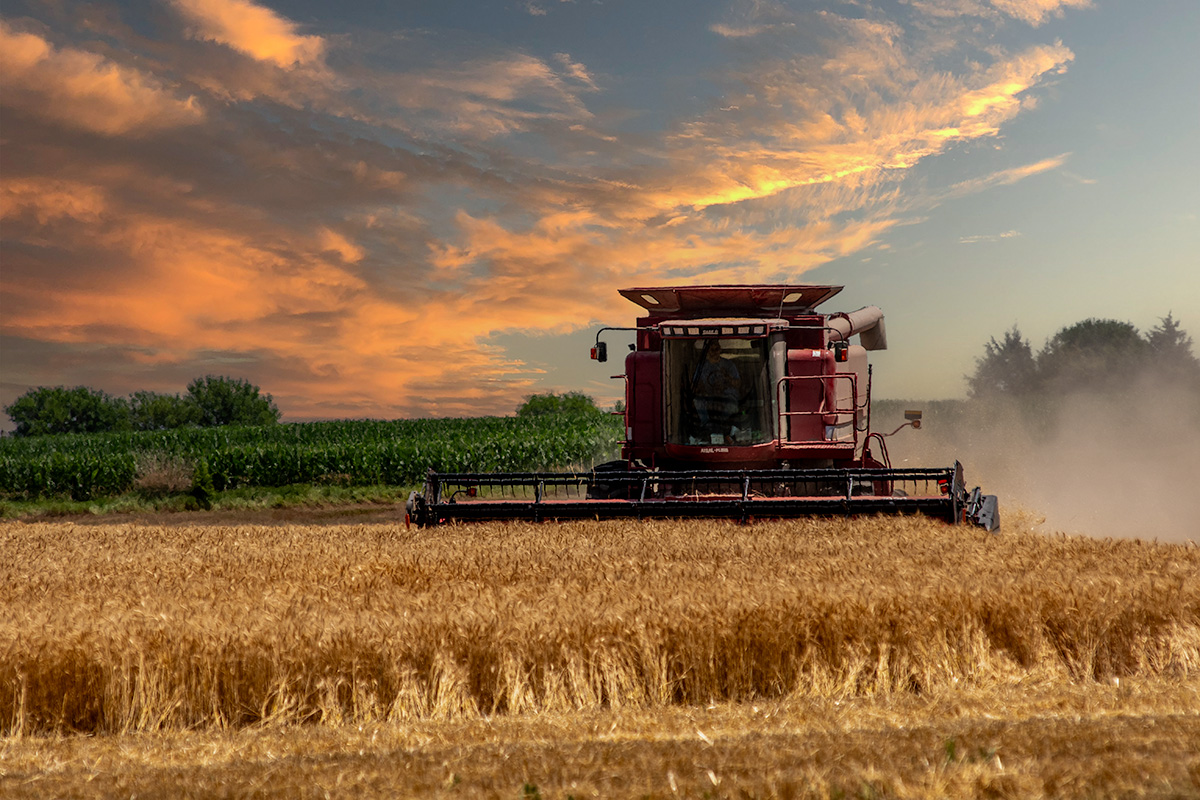
Rising oil prices are expected to drive up fuel and fertilizer costs, adding financial pressure to farm operations, says K-State economist Gregg Ibendahl. Photo courtesy of Dan Donnert, K-State Extension.

By Chevy-Lynn Vaske
K-State Extension
Tuesday, March 31, 2026
A surge in oil prices is poised to hit farmers where it hurts most — their bottom line — and with new estimates suggesting a $90-per-barrel market, this could significantly raise production costs across the board.
According to Kansas State University economist Gregg Ibendahl, higher oil prices are already creating a ripple effect through key farm inputs, particularly diesel fuel and fertilizer.
Fuel and fertilizer costs are rising for farmers
"$90 oil would add more than a dollar per gallon to the fuel cost and could easily add another $10,000 to total fuel expenses," Ibendahl said.
He says while fuel is not the largest expense on most operations, it remains a critical input. The average Kansas grain farm spent about $30,000 on fuel last year, meaning even moderate increases can quickly strain budgets.
Ibendahl suggested fertilizer costs present an even bigger concern. Because fertilizer prices are closely tied to energy markets, rising oil prices could push fertilizer expenses up by about 10%. For the average grain farm, that translates to roughly $12,000 in additional costs.
His recent analysis shows fertilizer markets are already responding to global events. Following geopolitical tensions and increased oil prices, nitrogen fertilizer prices are expected to rise and remain elevated longer than previously projected, with anhydrous ammonia potentially exceeding $1,000 per ton in the coming year.

Limited options mean higher prices that could last past geopolitical tensions
Despite rising costs, Ibendahl noted that supply shortages are unlikely.
"The U.S. is almost self-sufficient when it comes to energy, so availability shouldn't be the issue," he said. "But we are not immune from higher prices."
Farmers may have limited options to avoid higher diesel costs, as fuel prices tend to respond quickly to changes in the oil market. Fertilizer impacts, however, may be delayed. Many producers have already secured inputs for the current season, meaning higher prices may not fully materialize until later this year, according to Ibendahl.
Ibendahl added that even if geopolitical tensions ease, prices may not return to previous levels quickly.
"Oil prices and diesel prices won't come down as fast as they went up, even if the war stops tomorrow," he said. "It will likely take a few months to clear."
As uncertainty continues, Ibendahl encourages producers to monitor input markets closely and utilize decision-making tools available through AgManager.info and his agricultural analysis platforms.