Small batches, big ambitions
The Kansas Community Food Systems team strengthens the state's next generation of food entrepreneurs

By Rafael Garcia
K-State News and Communications Services
Friday, Feb. 27, 2026
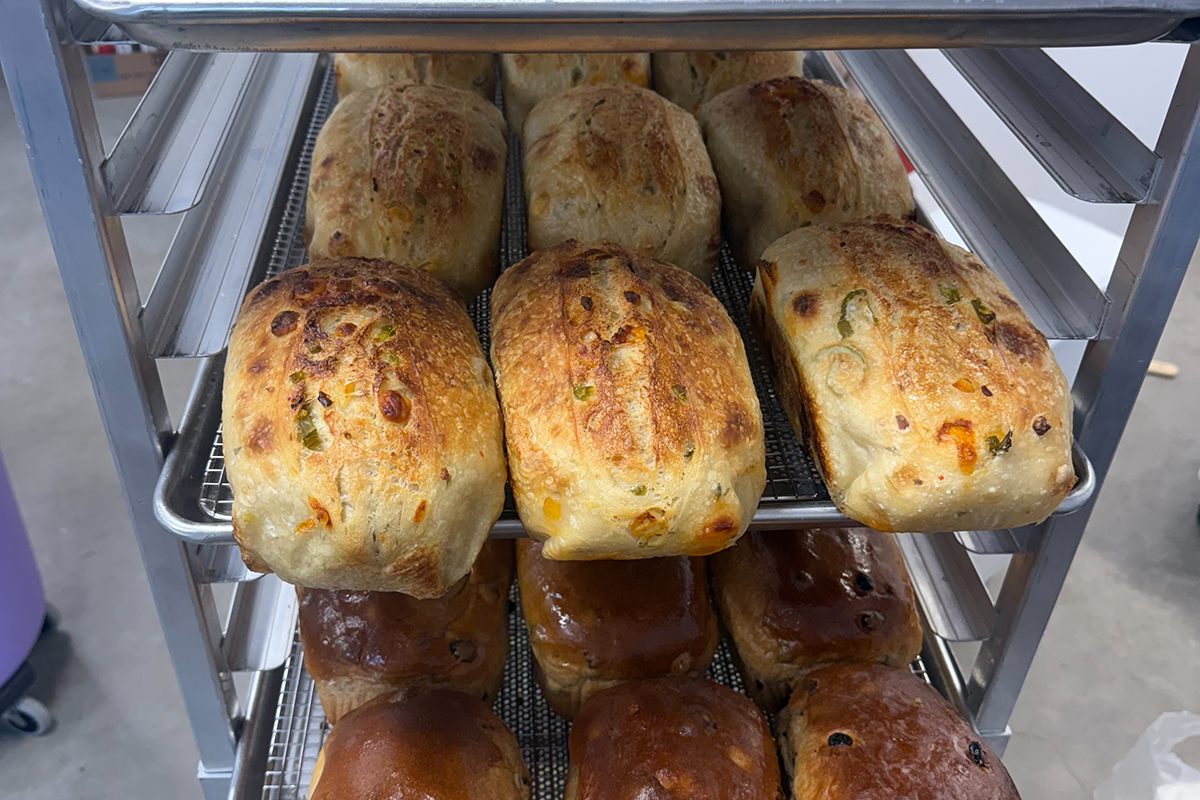
Rebecca Popp's bakery began with a neighbor, local grain and a recipe worth sharing. But it didn't take long before her sourdough drew a steady line of customers — and bigger questions about how to keep growing.
Like many other people during the pandemic, Popp had taken up baking. A full-time nurse practitioner, she never expected her kitchen crusades to amount to much more than a hobby. When it turned out that her sourdough recipe was a hit, Popp had trouble keeping up with demand, initially from loaves shared with friends and coworkers, and later from a broader network of farmers markets in her area.
"At home, I could fit six Dutch ovens in my oven, so I baked six loaves at a time," Popp said. "But when you have a lot of people wanting bread and you can only make six loaves at a time, it takes a long time. Plus, my kitchen is pretty tiny. So I started thinking maybe I needed a bigger space."
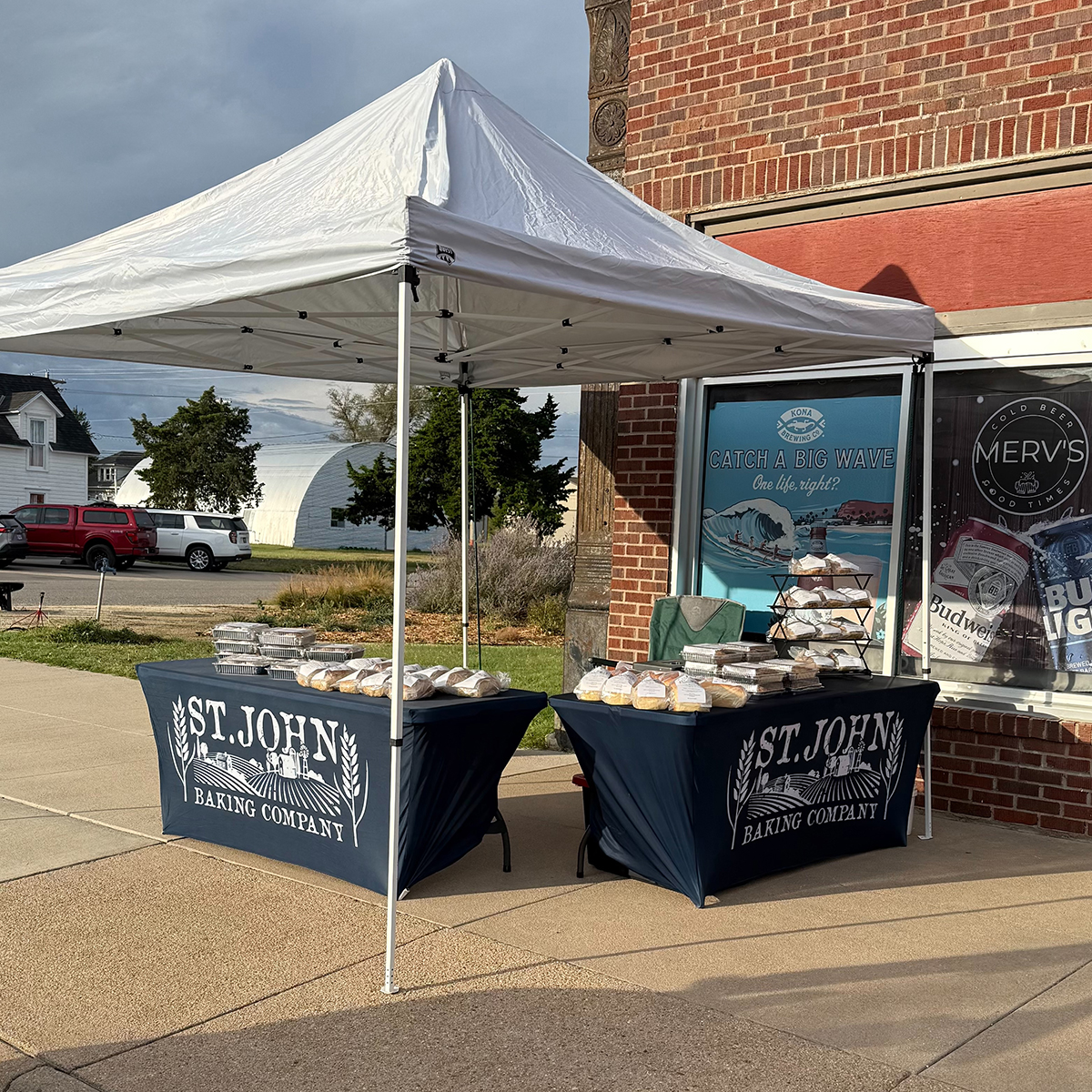
Around that same time, Popp and her husband had bought a building in downtown St. John.
Even though the couple had experience running other businesses, they needed a helping hand to navigate the occasionally complicated, yet important, realm of food production. With the help of Stafford County Economic Development and Kansas State University's Community Food Systems program, Popp found helpful resources for small food businesses.
The Community Foods Systems team helped Popp apply and receive a U.S. Department of Agriculture Business Builder Grant to build her bakery. She was one of 25 food and farm businesses that received a total of $1.04 million in funds to build local food capacity in the state.
In Kansas, famously a breadbasket of the world, the irony is that robust community food systems can be difficult to develop in the local towns that grow the very grain that feeds the rest of the world, said Rebecca McMahon, program administrator.
The program, then, is a crucial resource for prospective local food businesses — and the K-State Extension agents who help bridge local talent with statewide resources — to create systems that provide Kansas residents with healthy, quality, locally grown and produced foods.
"It's really easy to think about food systems in terms of just the businesses or the community piece, but you need to think about it as a whole," McMahon said. "Through our program, we work to show members of the community the value of this work, just as much as we have to support these entrepreneurs and farmers as they produce the food."
Navigators help connect Kansas small food businesses with technical resources
Running any business is hard, but starting a food business requires an extra touch, said Quinlan Carttar, a food business resource navigator for the program
Community food businesses cover a wide variety of operations. In addition to value-added food businesses like Popp's baking business, the team also works with restaurants, food trucks, shared kitchens, farmers markets and even rural grocery stores — primarily supported by the Rural Grocery Initiative, which is also housed within the Community Food Systems program.
These businesses often need guidance on topics such as food licensing, regulations and labeling requirements. And even though there are plenty of resources around Kansas, it can be difficult for food business owners to identify the right resources at the right time.
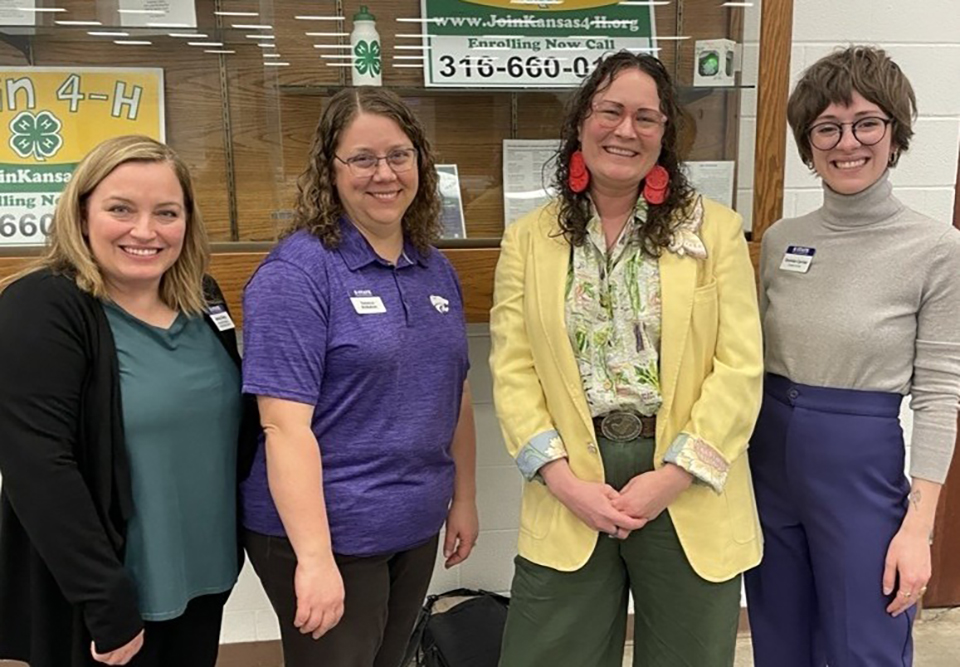
"We work with food businesses and communities to build local food systems," Carttar said. "Through the statewide network of Extension agents, we connect people back to expertise at the university, or when clients have unique challenges, we can help find a way to do research or testing at the university."
Through resources like the university's Kansas Value Added Foods Lab, the Community Food Systems team connects entrepreneurs to services such as nutritional analysis, laboratory testing, packaging and other food product development necessities.
In any case, the Community Food Systems team connects with entrepreneurs and provides technical assistance through individualized, one-on-one sessions.
"We try to really leverage these connections and fulfill that promise of what a land-grant university can do and be," Carttar said.
The Community Food Systems team also works closely with other partners — like the Kansas Small Business Development Center and the Kansas Department of Agriculture — to help producers navigate both business and food production regulations and procedures, said Jake Renner, agribusiness development manager at the Kansas Department of Agriculture.
One way Renner's team works with K-State's Community Food Systems initiative is through From the Land of Kansas — a Department of Agriculture program that also shares the goal of helping the state's businesses grow, produce, process or manufacture products in Kansas. The trademark program helps members promote their Kansas products and provides members with a variety of business development tips and opportunities including marketing assistance.
"When we can partner between agencies like the Kansas Department of Agriculture's Agribusiness Development Team, the From the Land of Kansas trademark program, K-State's Extension and Local Food System programs, we can bring expertise to the table and we can brainstorm in ways that help producers across the whole food supply chain," Renner said. "We can make success easier for them."
Bringing food business development resources to Kansas communities
In addition to the one-on-one support, the Community Food Systems team develops and strengthen communities' local food systems holistically through a variety of programs and resources, working especially alongside and through K-State's extensive network of on-the-ground, local Extension agents.
"We can't be in every community, but these local Extension offices have those connections, and a lot of this work, by definition, has to be at the local level," McMahon said. "What we do is empower local agents to have the capacity to address these local food challenges locally."
In Cowley County, the local Extension office used Community Food Systems resources and programs to help launch several community projects focused on healthy, vibrant food, said Becky Reid, a family and consumer sciences agent for the office.
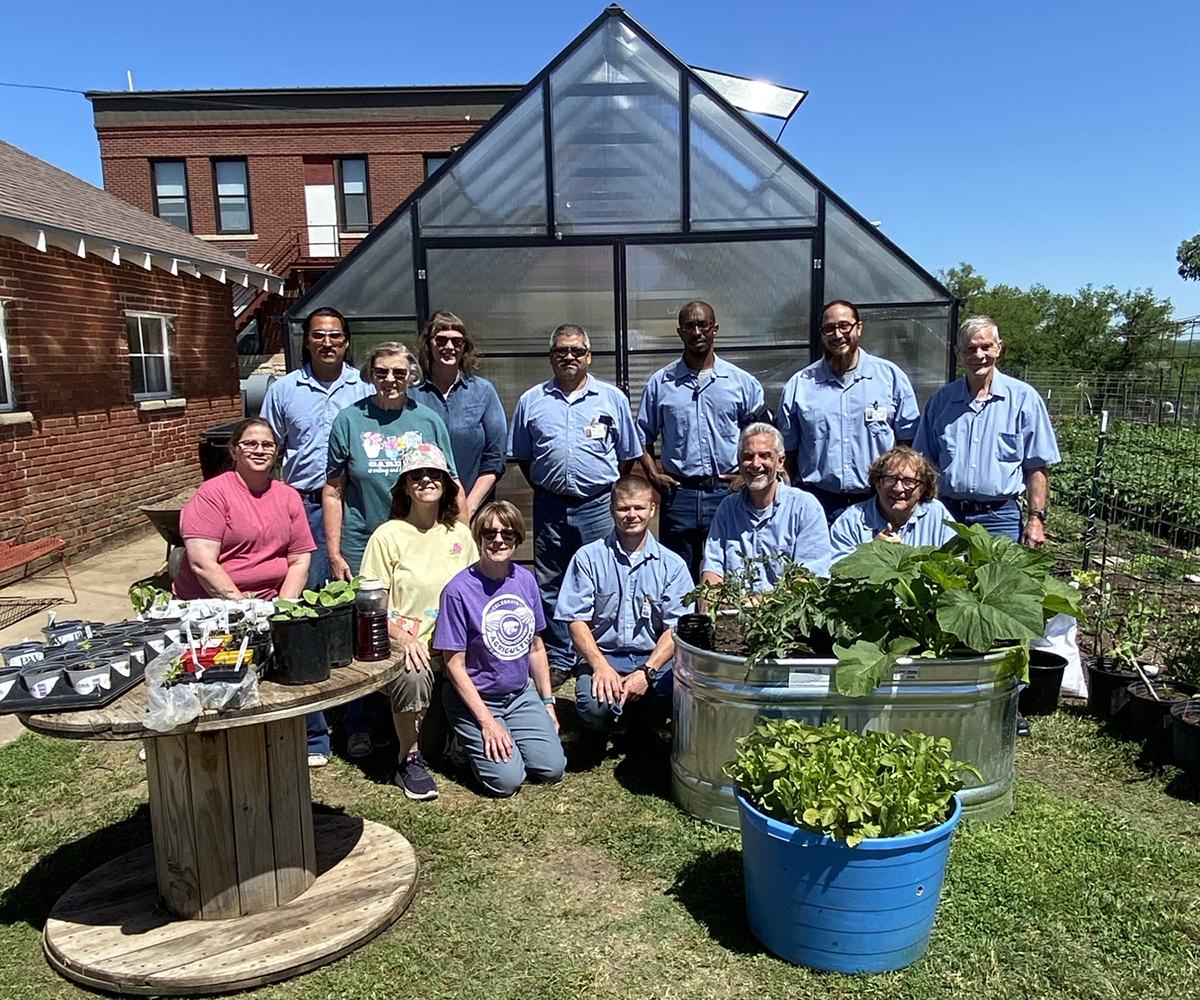
The produce they grow in the facility's greenhouse is then donated to local food pantries and community meal sites, and the Community Food Systems program was instrumental in supporting funding like mini grants from Hunger Free Kansas and providing guidance, Reid said.
"People often have great ideas, but it's hard to do things alone," Reid said. "Resources — especially funding — help, but every community has some type of asset. The key is recognizing them and starting somewhere. K-State Extension and the Community Food Systems Program are helping communities maximize those resources."
Food Fellows build systems with a local flavor
Over the past several years, through a USDA-funded Regional Food Systems Partnerships Program project, the Community Food Systems program placed nearly 40 local food fellows in positions across the state.
These fellows — hosted through organizations such as farmers markets, county food and farm councils, local businesses and county Extension offices — helped build capacity in their placement communities' food systems.
Some Fellows and their projects include:
- Justine Greve, Full Circle Sustainability — Greve expanded the capacity, reach and community profile of the fledgling, low-waste community grocery store in Topeka.
- Laura Thomas, Liberal Farmers Market — Thomas organized outreach and helped the farmers market connect more strongly with Seward County's Spanish-speaking citizens.
- Arianna Perkins, TOAST — Perkins developed a marketing campaign to promote the bakery's bread share program among community food banks and pantries, as well as to educate Southeast Kansans about the significance of value-added foods.
- Cara Harbstreet, Cultivate KC — Harbstreet interviewed farmers and growers in the Kansas City area and developed a podcast that discusses the challenges and triumphs of urban-grown farms and gardens.
- Kiley Whipple, K-State Extension Cottonwood District — Whipple planned and taught a children's farm-to-plate summer camp that taught students about local food production, processing, marketing and consumption at Fort Hays State's University Farm.
Through the program, each fellow promoted and developed community food system support through programming designed to meet the specific needs of those communities.
Even though the fellowships were temporary, the program demonstrated how just a few workers in each community can help spark momentum for increased investment in community food system support.
Several of the host organizations have since added or explored permanent positions for local food system development.
"The Kansas Community Food Systems team has given us so much support, and with the help of Kiley as our local fellow, we were able to help a lot of kids see the value, freshness, better taste and nutrition of supporting locally-grown food," said Jay Harris, director for K-State Extension's Cottonwood District.
Sharing success statewide
For the Community Food Systems team, one of the best parts of the job is when a local food producer becomes a statewide example of success, said Jenny Doty, a food business resource navigator.
"We have a high-level overview of the state," Doty said, "and when one of our clients finds success in accessing a market or identifying a grant opportunity, for example, we are then able to share the opportunities available with others.”
The program’s philosophy, Doty explained, is to support small producers in “expanding the pie,” rather than competing for the same piece. Funding from the Patterson Family Foundation supports these statewide efforts to connect rural producers and food businesses and provide resources to help them thrive.
As the Community Food Systems team looks ahead, they are poised to support statewide efforts to connect Kansas farmers and food producers to Food is Medicine programs. Through the relationships they have established, they are ready to build institutional partnerships and participate in research to lift up the Kansas food system.
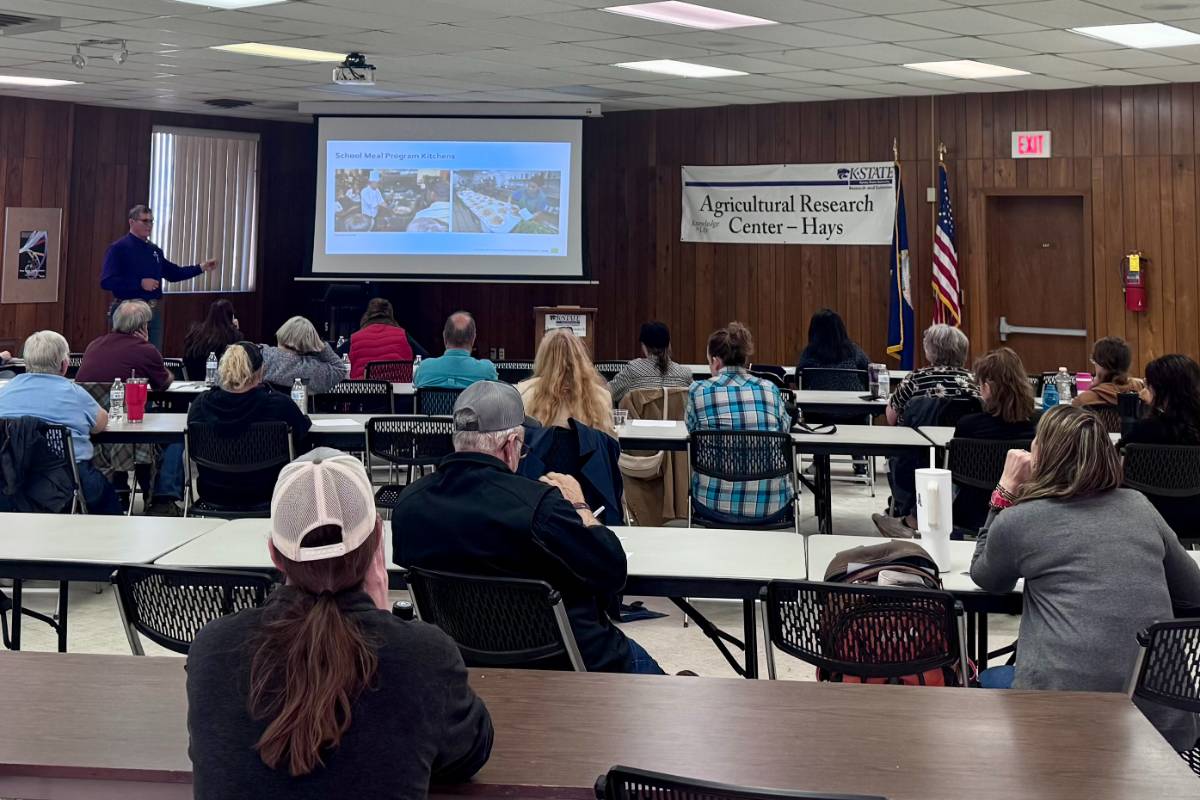
In addition to local food producer workshops every spring in several locations around Kansas, the team also hosts statewide Food Business Start-Up Summit sessions that bring businesses together to learn from each other's successes.
Rebecca Popp, the Stafford County baker, has attended some of those events and has come away with the inspiration, determination and ambition to one day become a statewide success story.
Last year, she formally launched her business as the St. John Baking Company, and is still selling out quickly at through local farmers markets and orders in her community.
With support from the Kansas Community Food Systems team, Popp is working to expand her kitchen by adding more ovens, a refrigerator and a larger dough mixer. She hopes to expand into wholesale, supplying local stores and restaurants. One local restaurant wants her cinnamon rolls to serve with chili — a Kansas tradition she hadn't heard of before moving to Stafford County.
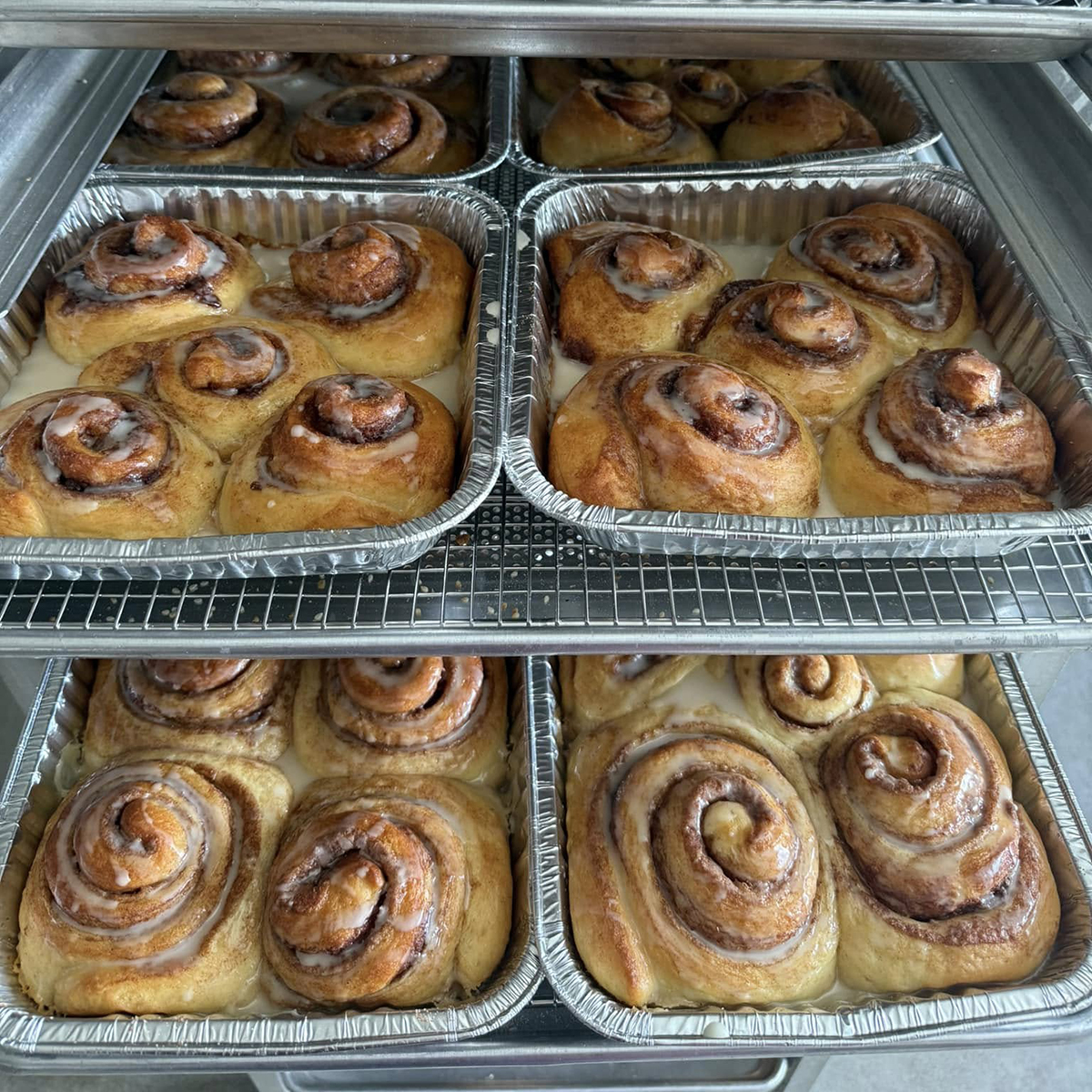
"I would love to become so busy that this becomes my full-time job," she said. "But it has to be organic growth. Sometimes that's slow. Sometimes it moves faster than you want it to. I'm just along for the ride."
Although Popp has big dreams for her business, she's committed to using primarily local ingredients. Flour comes from the nearby Hudson Cream Flour Mill, eggs come from a neighbor and honey comes from an apiarist just a block away from Popp.
The ingredients are but a sample of what Kansas communities have to offer, and she hopes that carries through in each loaf.
"Small businesses are how our rural communities thrive, and when I can put money into the businesses around me, I know that they'll support me right back," Popp said. "People to be able to help support their neighbors, and I'm proud to be a part of that."
###
Related Stories
Doing good for Kansas
In recognition of the university's commitment to partnering with Kansas communities, K-State is one of more than 200 universities to receive the Carnegie Foundation's...
People with Purpose: Monica Walker
As a K-State Extension agent in Ulysses, Monica Walker turns big ideas into everyday wins in her corner of Kansas — strengthening health, well-being and...
Sky-high innovation, boots-on-ground farmer insight
K-State’s ID3A and Kelly Hills Unmanned Systems, a leader in next-generation agriculture, are partnering to advance drone technology, empower farmers and...