Academics
In addition to a range of undergraduate and graduate programs, our school offers a robust array of minors and certificates — plus hands-on and experiential learning
What should I study?
As our world changes, our approach to preparing students has also changed. The School of Earth & Environment brings together geography, geology and environmental science to offer students the very best preparation for a range of in-demand careers.
Program names may be changing, but whether you prefer to learn and work in the field, the lab or the office, you’ll find the best preparation here.
FAQs
We have combined our previously separate geology and geography departments into the School of Earth and Environment.
Addressing the challenges facing our planet requires an interdisciplinary approach, and many critical areas require knowledge from both geology and geography. Breaking down barriers between disciplines offers broader curriculum flexibility for students, richer resources and opportunities, and better preparation while retaining opportunities to specialize.
Starting in fall 2027, new undergraduate degree options will be available. We will offer a Bachelor of Science in Earth Science and Society with tracks students can choose. One track will emphasize physical and chemical earth processes, and the other will emphasize human, cultural, and historical landscapes. Environmental science and minors and certificates will remain available.
Graduate degrees will remain unchanged.
Our degree list is robust. Find a full list of undergraduate programs and graduate programs. Descriptions of minors and certificates are also available.
Graduates from our school are in demand. Students who have emphasized geology usually go on to work in water resources and the environment, oil and gas, or mining. Many also pursue government careers. Students who study geography, environmental science, and/or geographic information science and technology can become geoscientists, hydrologists, geographers, cartographers, data scientists, environmental scientists, urban and regional planners, and more.
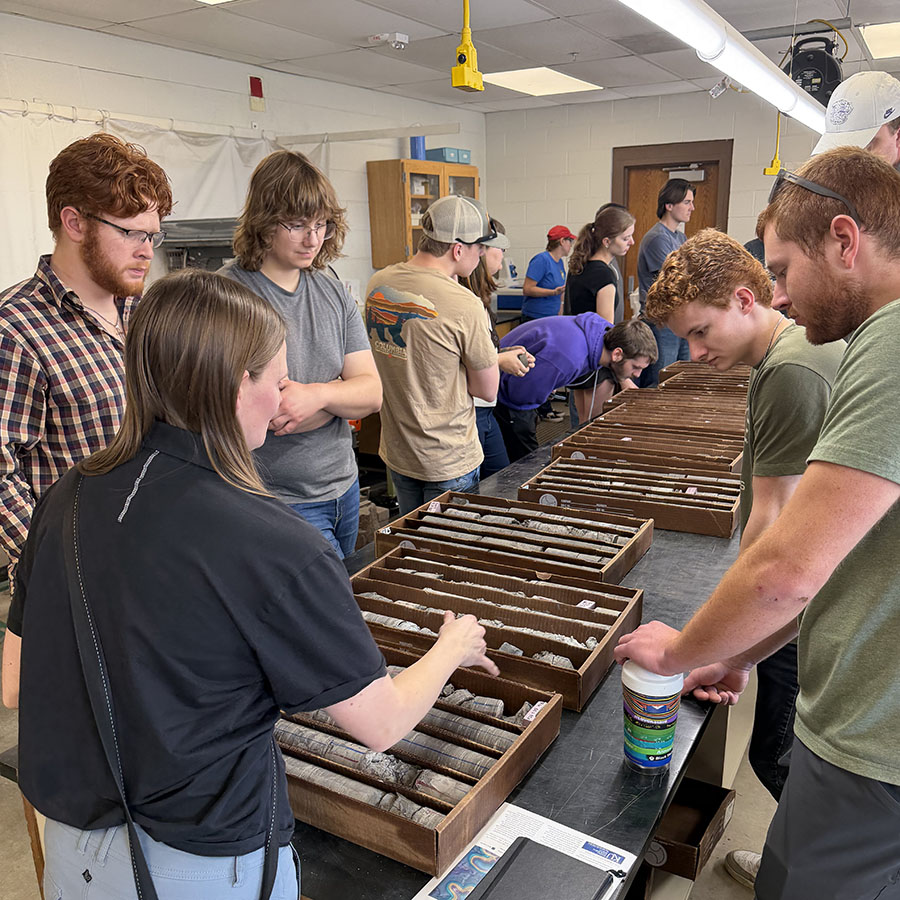
Yes. Our school encourages students to get involved in undergraduate research and applied learning, and opportunities abound. Field work often plays a crucial role. Students can discuss options with their advisor or with professors. Professors are always eager to share lab openings and train students to assist with research projects! Study abroad options are also available.
Advisors dedicated to undergraduate study are listed on our Advising page. Graduate students work closely with advisors based on their area of research, so those advisors are not preassigned.
Hands-on Learning
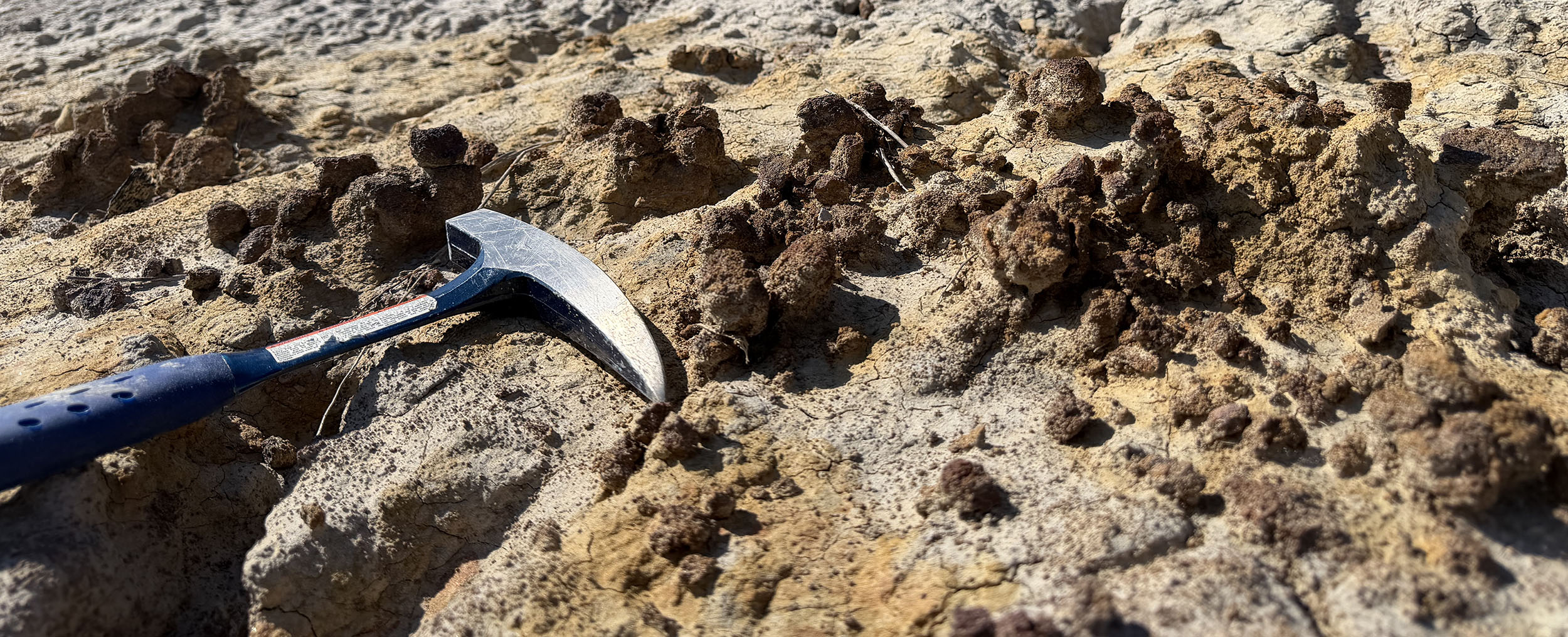
Getting into the field or the lab is a crucial part of our programs.
International Field Camp
Our Geology Field Camp is hosted by the University of Franche-Comté in Besancon, France. Project include geological mapping, a petrological study and more.