Research Areas
The Feed the Future Innovation Lab for Cereals' research is focused on increasing the resilience of wheat, sorghum, millet and rice in the face of specific environmental stressors.
To help sustain some of the world's most common cereal crops in the face of drought, heat, flooding and other environmental stressors, we focus on three areas of inquiry to improve plant genetics.
- Discovery of alleles or haplotypes entails either screening germplasm within seed banks to uncover alleles not utilized in existing breeding materials or incorporating traits from related species.
- Validation of alleles or haplotypes confirms their contribution to climate resilience traits.
- Transfer of validated alleles into elite germplasm materials ensures that climate-resilient alleles are integrated into the plant breeder’s toolkit, enabling the development and release of improved varieties for farmers’ use.
Projects
By using advanced breeding tools and methods, we aim to accelerate the development of improved cereal germplasm more quickly, more cost-effectively, and with greater impact. With the world’s population projected to reach nearly 10 billion by 2050, producing higher yields with similar or fewer inputs will be vital to food security.
Our 10 program priorities are detailed below.
1. Discovery, Validation, and Transfer of Heat Tolerance Alleles to Enable Rice Production in Bangladesh
- Cereal: Rice
- Stressor: Heat
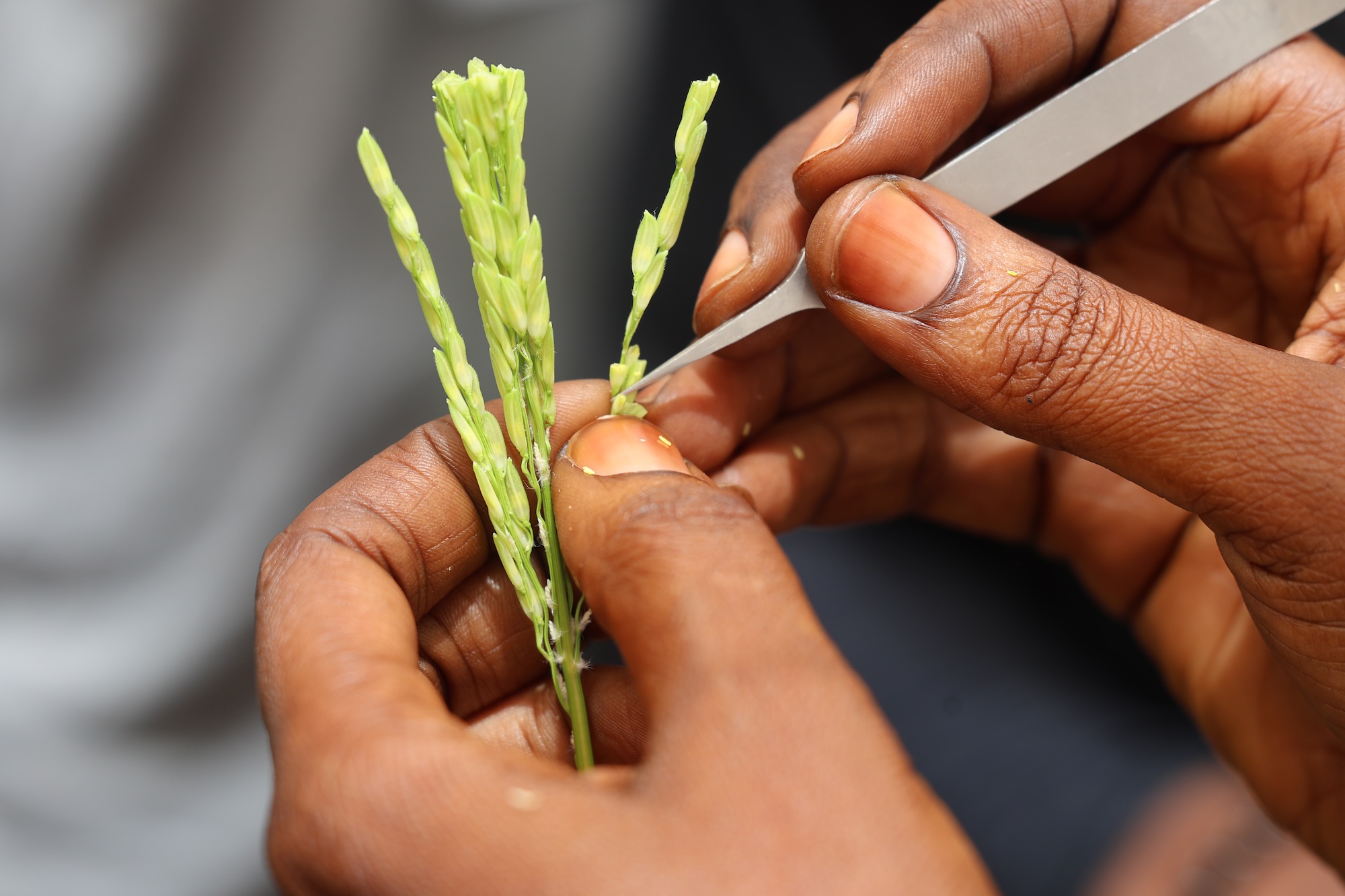
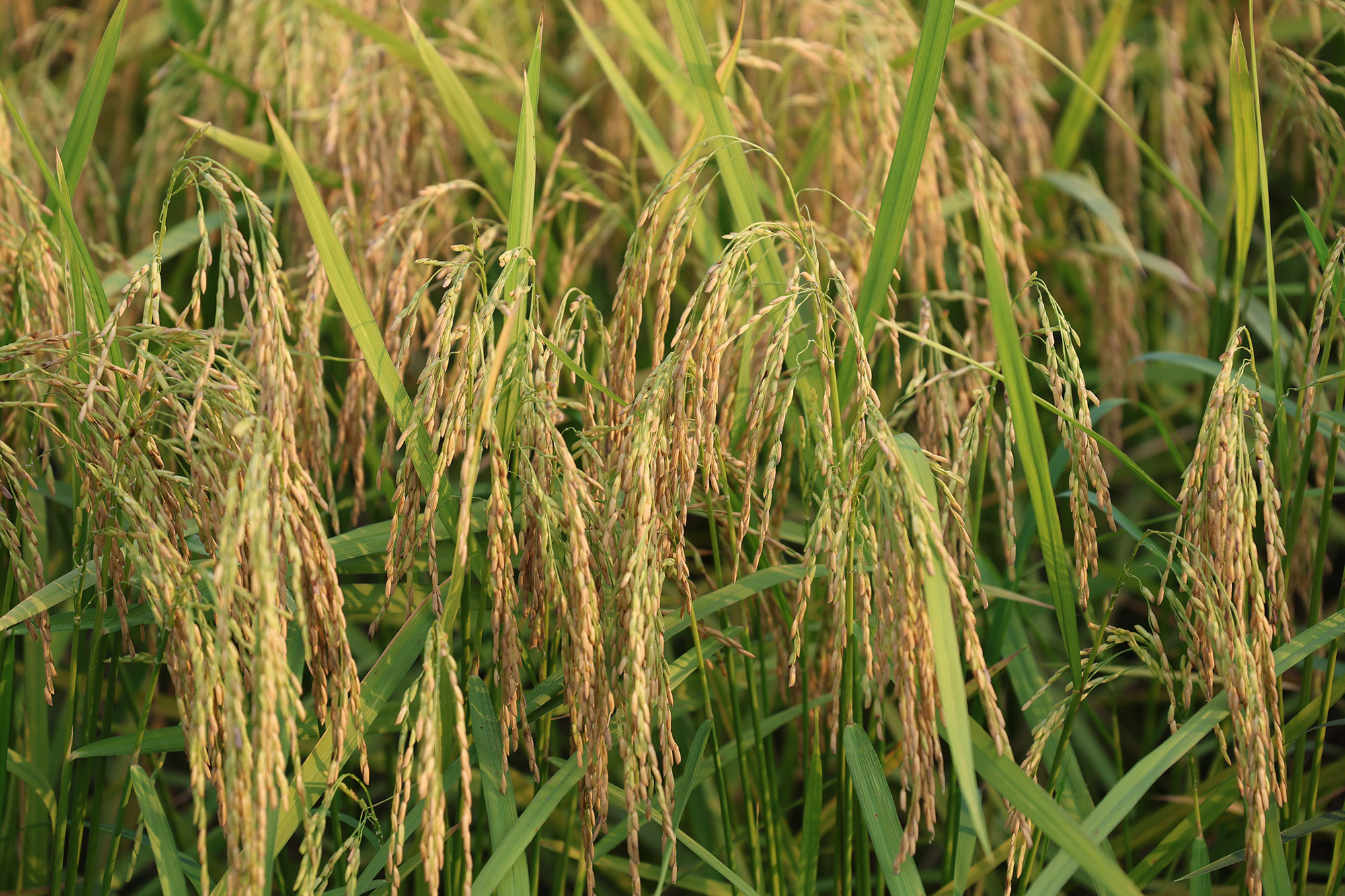
Working to help rice survive extreme heat, this project identifies traits that allow certain rice genotypes to maintain grain production under high temperatures. By identifying heat-tolerant aus rice and transferring those traits into improved varieties, the project aims to reduce yield losses during heat waves. The goal is to deliver rice lines that maintain yield stability and grain quality under heat stress.
2. Characterization of Rice Blast (Magnaporthe oryzae) Isolates through Whole-Genome Sequencing to Monitor Geographic Distribution and Optimize Gene Deployment for Breeding
- Cereal: Rice
- Stressor: Rice Blast Disease
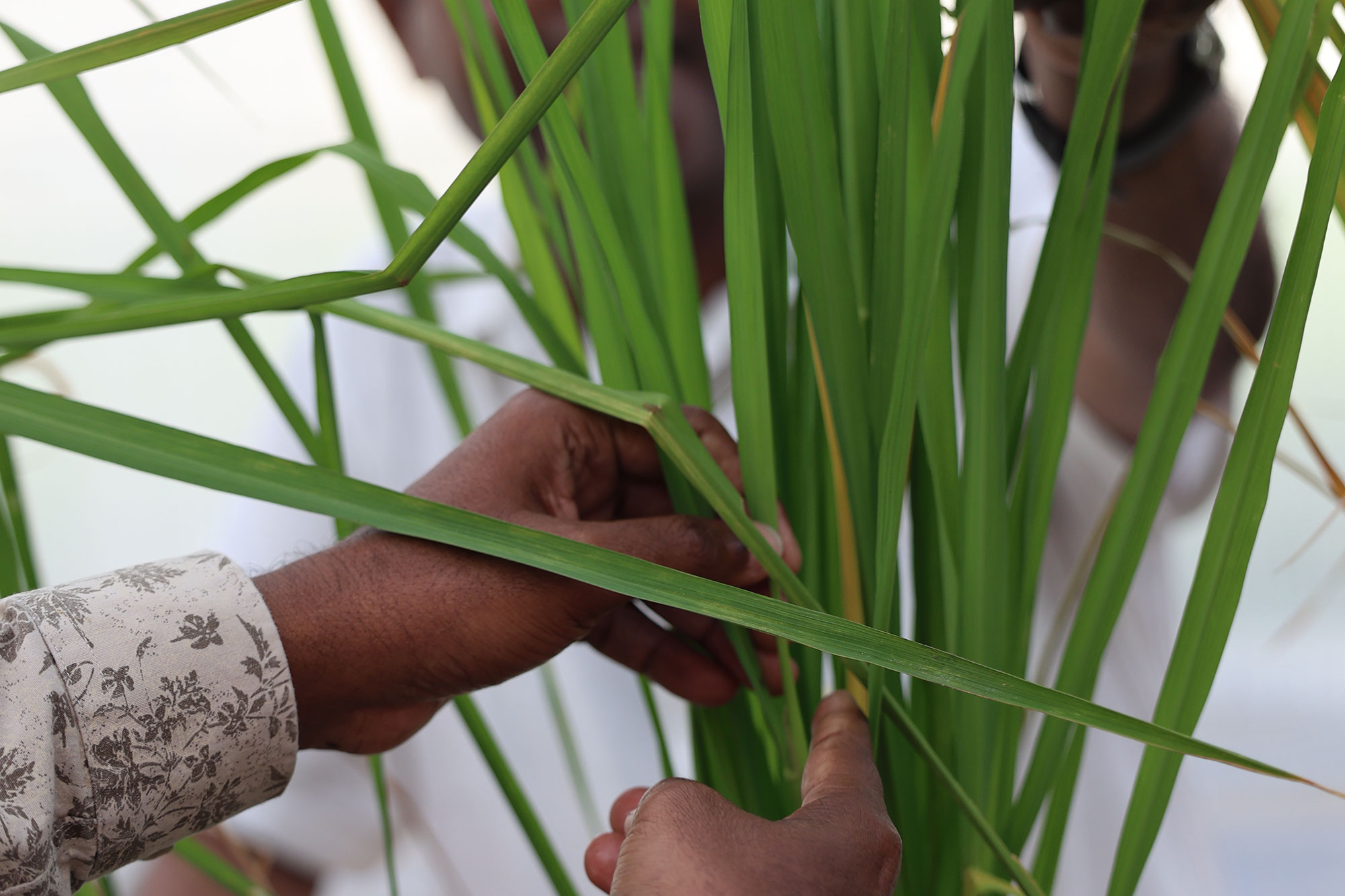
Working to improve rice resistance against one of its most damaging diseases, this project tracks how the rice blast pathogen changes over time and across regions. By identifying which strains are most common and which resistance genes are effective, the work helps guide local breeding decisions. The goal is to support the development of rice lines that can withstand the most prevalent forms of rice blast.
3. Identification, Validation, and Introgression of Rust Resistance Genes for the Development of Climate-Resilient Wheat Varieties in Ethiopia
- Cereal: Wheat
- Stressor: Disease
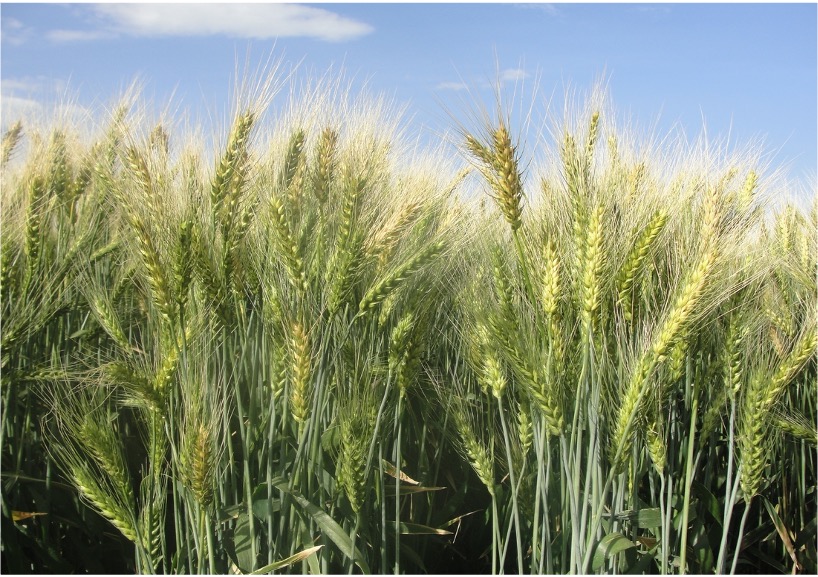
Working to improve wheat resistant to major disease threats, this project identifies stem rust and yellow rust resistance genes in wheat lines under Ethiopian growing conditions. Both field evaluation and genotyping activities to discover genomic region associated with disease resistance will supports breeding efforts for wheat production in Ethiopia. The goal is to provide validated resistant lines, genetic markers, and breeding resources needed to develop improved wheat varieties with durable rust resistance.
4. Introgression of Heat- and Drought-Adaptive Diversity into Wheat Breeding Programs from Senegal
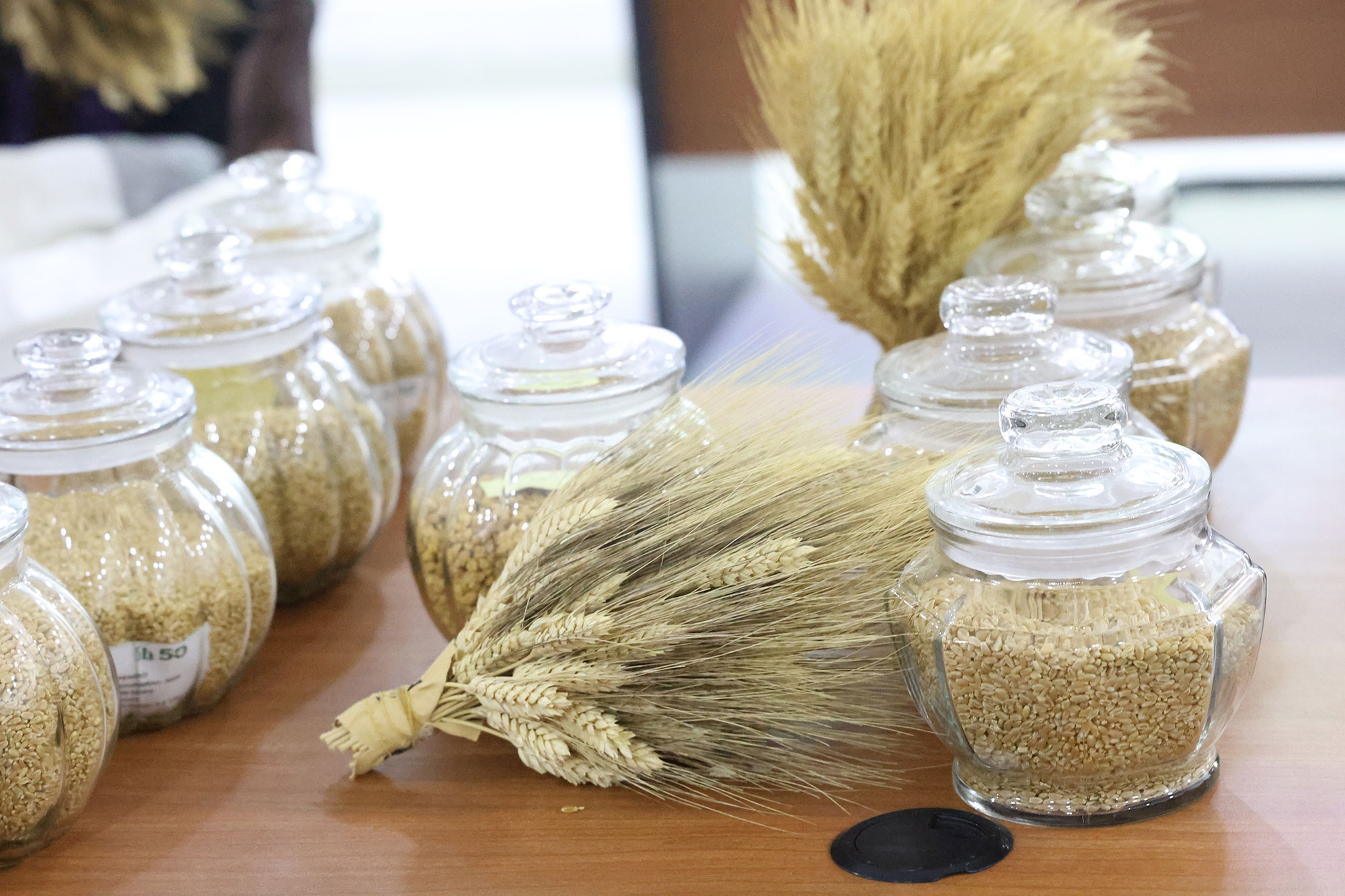
- Cereal: Wheat
- Stressors: Heat and Drought
Working to help wheat survive heat and drought, this project identifies genomic regions that allow certain wheat lines to perform under harsh growing conditions. By testing diverse wheat lines and using advanced tools to find the genes responsible, the work supports breeding efforts in Senegal. The goal is to provide the data and genetic resources needed to improve wheat performance under stress.
5. Accelerated Breeding for Pearl Millet in Senegal Case Study
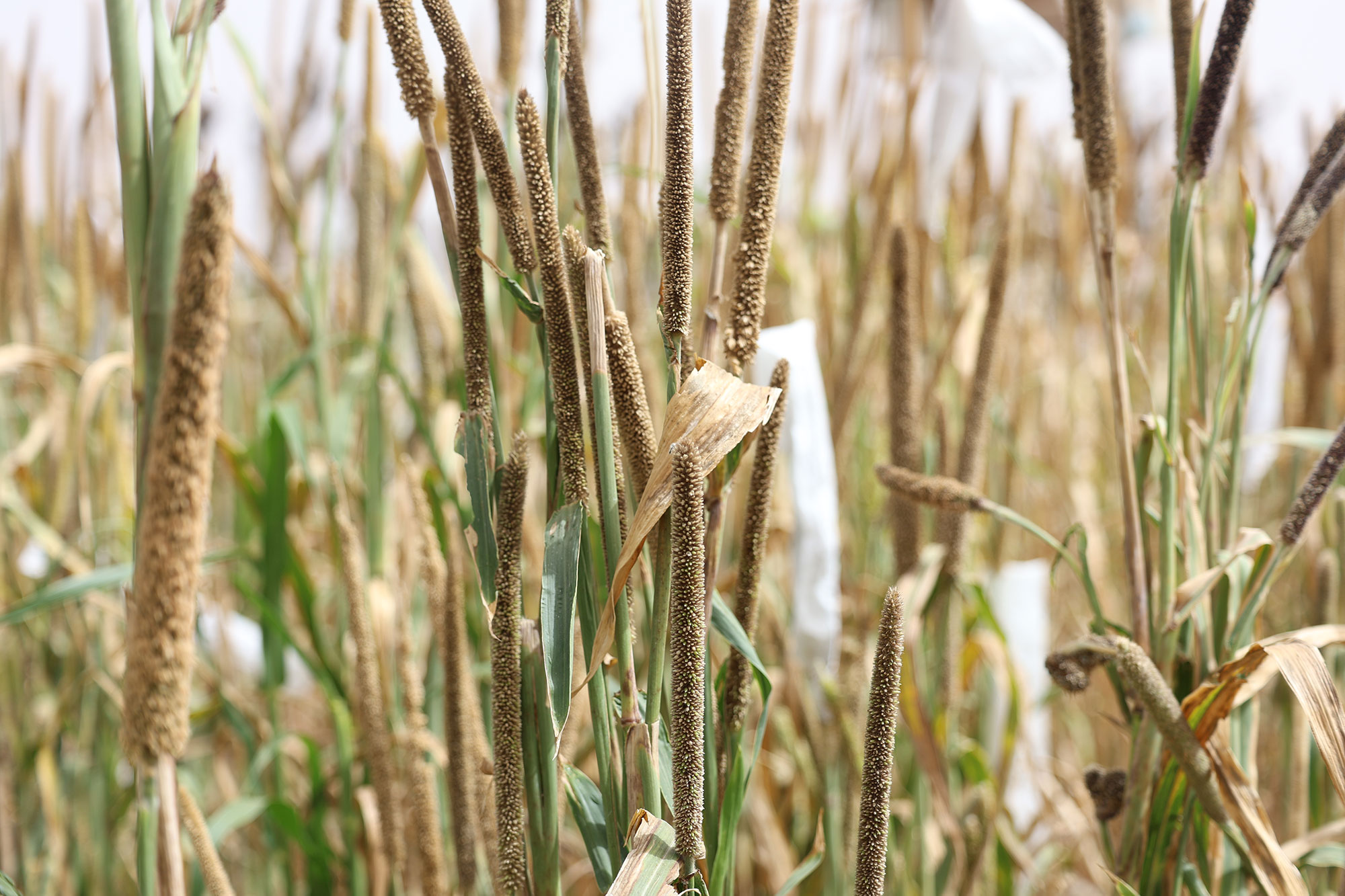
- Cereal: Pearl Millet
- Stressors: Drought and Heat
Working to improve how pearl millet performs under heat and drought, this project uses new tools to identify which traits matter most for productivity in tough environments. By combining crop modeling, genetic data, and field testing, the work helps breeders make more targeted decisions. The goal is to increase the rate of genetic improvement in millet for farmers.
6. Advancing Sorghum Through Genetics and Genomic Innovation
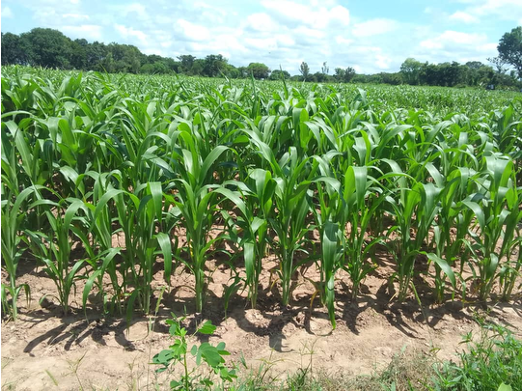
- Cereal: Sorghum
- Stressor: Drought
Working to improve how sorghum performs under drought, this project identifies the traits and genes that allow certain lines to survive and produce under water limited conditions. By combining field testing with advanced genomic and phenotyping tools, the work supports more targeted breeding decisions. The goal is to generate the data and genetic resources needed to improve sorghum performance in drought-prone environments.
7. Accelerating Genetic Gain in West Africa Through the Development of Sorghum Adapted to Drought-Prone Areas
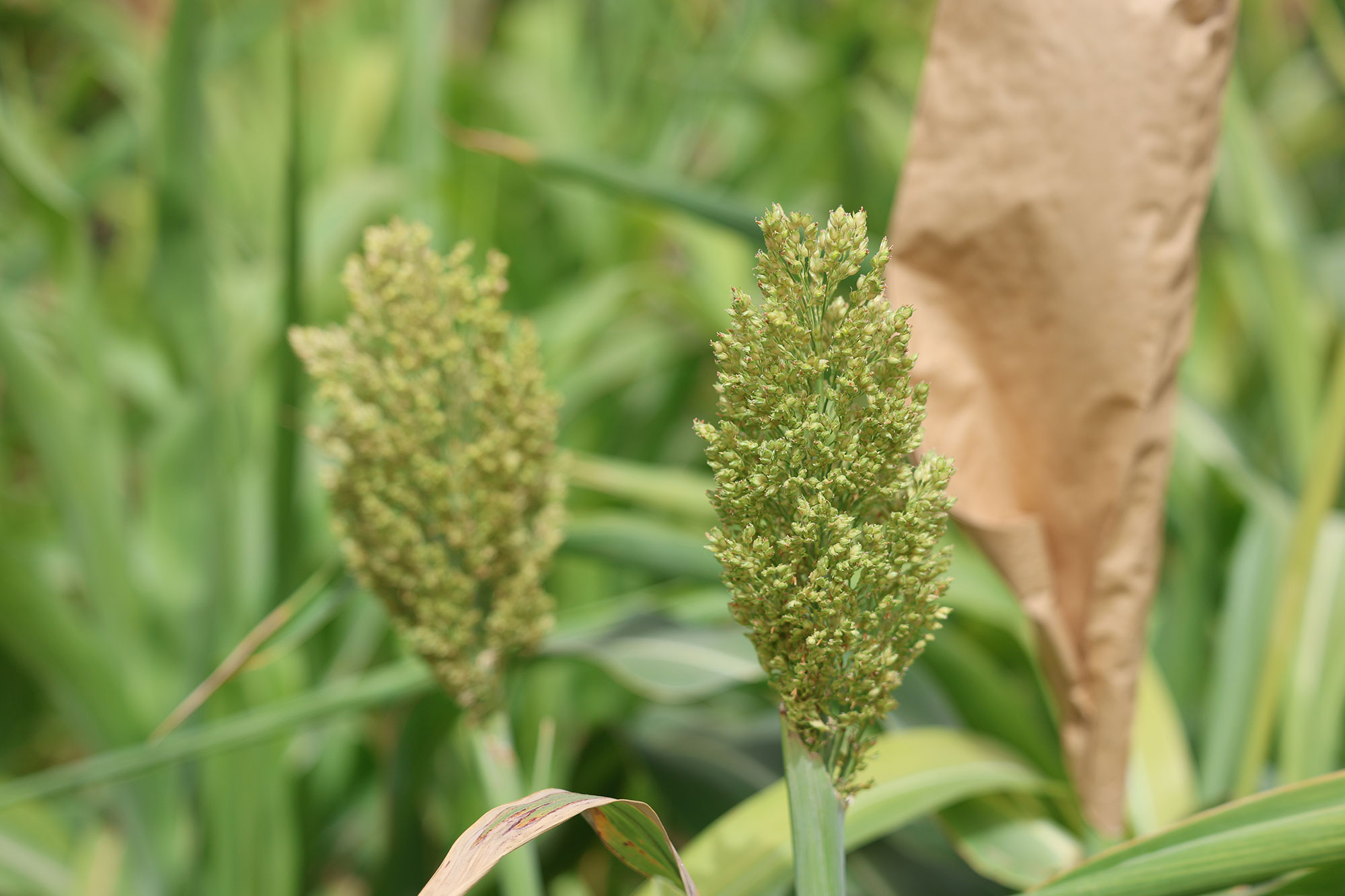
- Cereal: Sorghum
- Stressor: Drought
Working to improve how sorghum performs under terminal drought, this project identifies the traits and genetic variation needed for adaptation to water-limited conditions in West Africa. By evaluating diverse regional germplasm and linking key traits to performance across environments, the work supports more targeted breeding decisions. The goal is to generate data, traits, and parent materials needed to improve sorghum under drought stress.
8. A Multidimensional OMICs Approach for Pearl Millet Drought Adaptation Improvement in Africa (MilOmics)
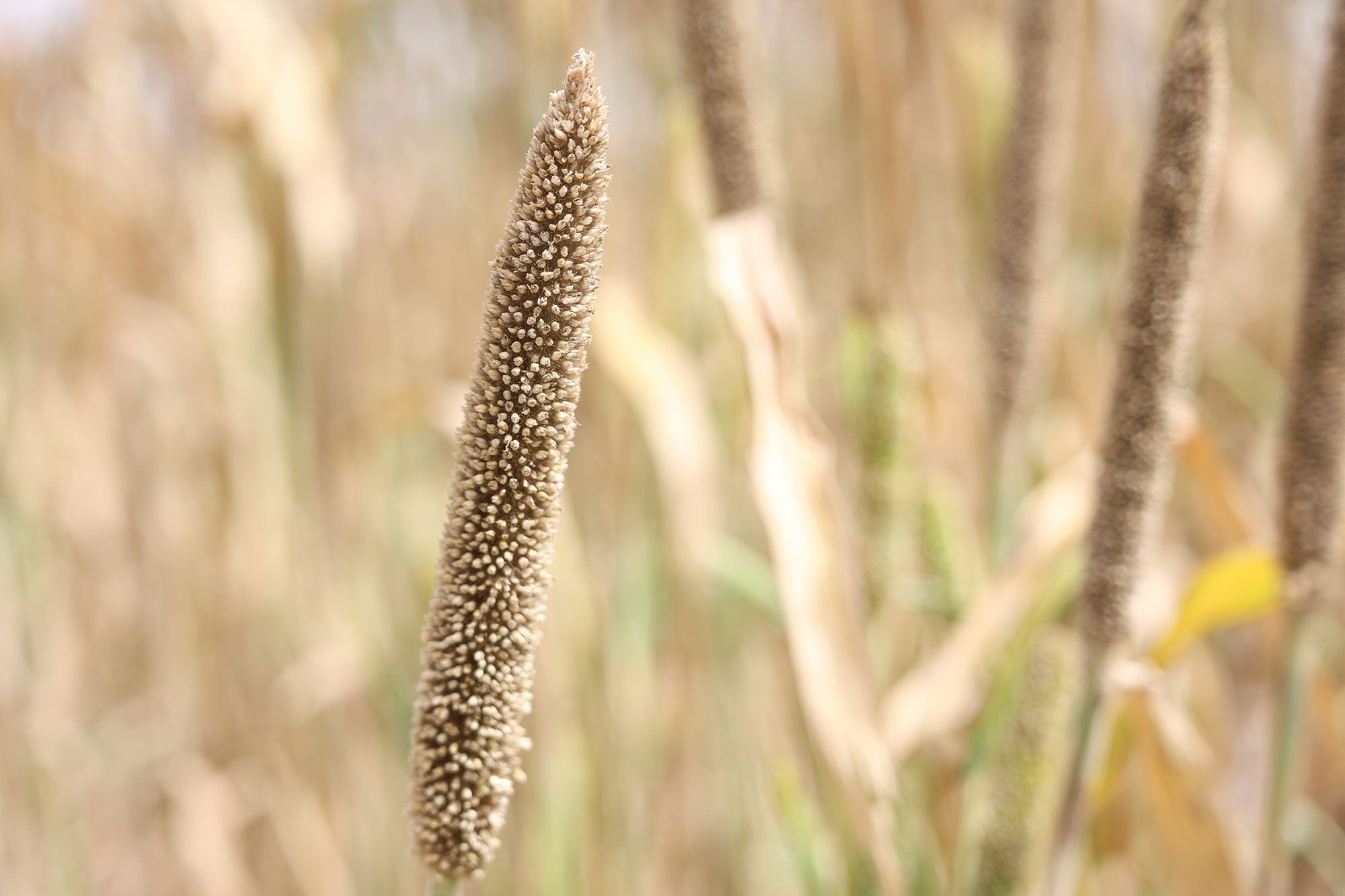
- Cereal: Pearl Milet
- Stressor: Drought
Working to better understand how pearl millet adapts to drought, this project identifies the genes that drive performance under early and terminal stress conditions. By combining field phenotyping with genomic and transcriptomic analysis, the work supports more targeted breeding decisions. The goal is to generate genetic markers, tools, and data that improve how breeders select for drought adaptation.
9. Anaerobic Germination Tolerance: QTL Discovery, Validation, and Deployment for Bangladesh Sustainable Rice Production
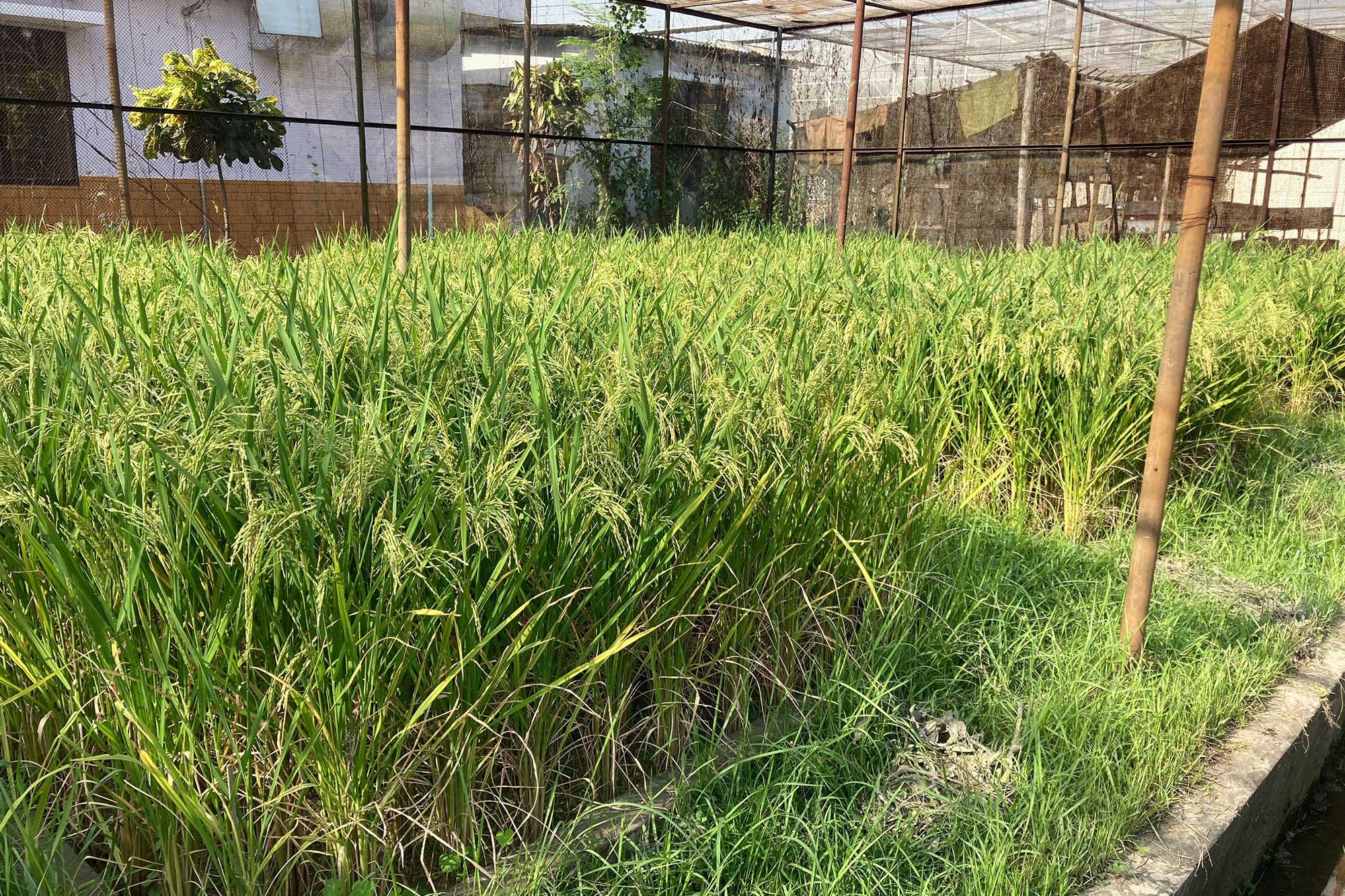
- Cereal: Rice
- Stressor: Flood
Working to improve rice establishment under flooded conditions, this project identifies genes that allow seeds to germinate and survive when fields are waterlogged. By evaluating a highly tolerant rice type and combining it with elite germplasm, the work supports breeding efforts to develop more sustainable rice production. The goal is to generate genetic markers, validated genes, and improved germplasm for direct-seeded rice systems.
10. Identification of Alleles Associated with Drought Tolerance in Bangladesh Rice Landraces
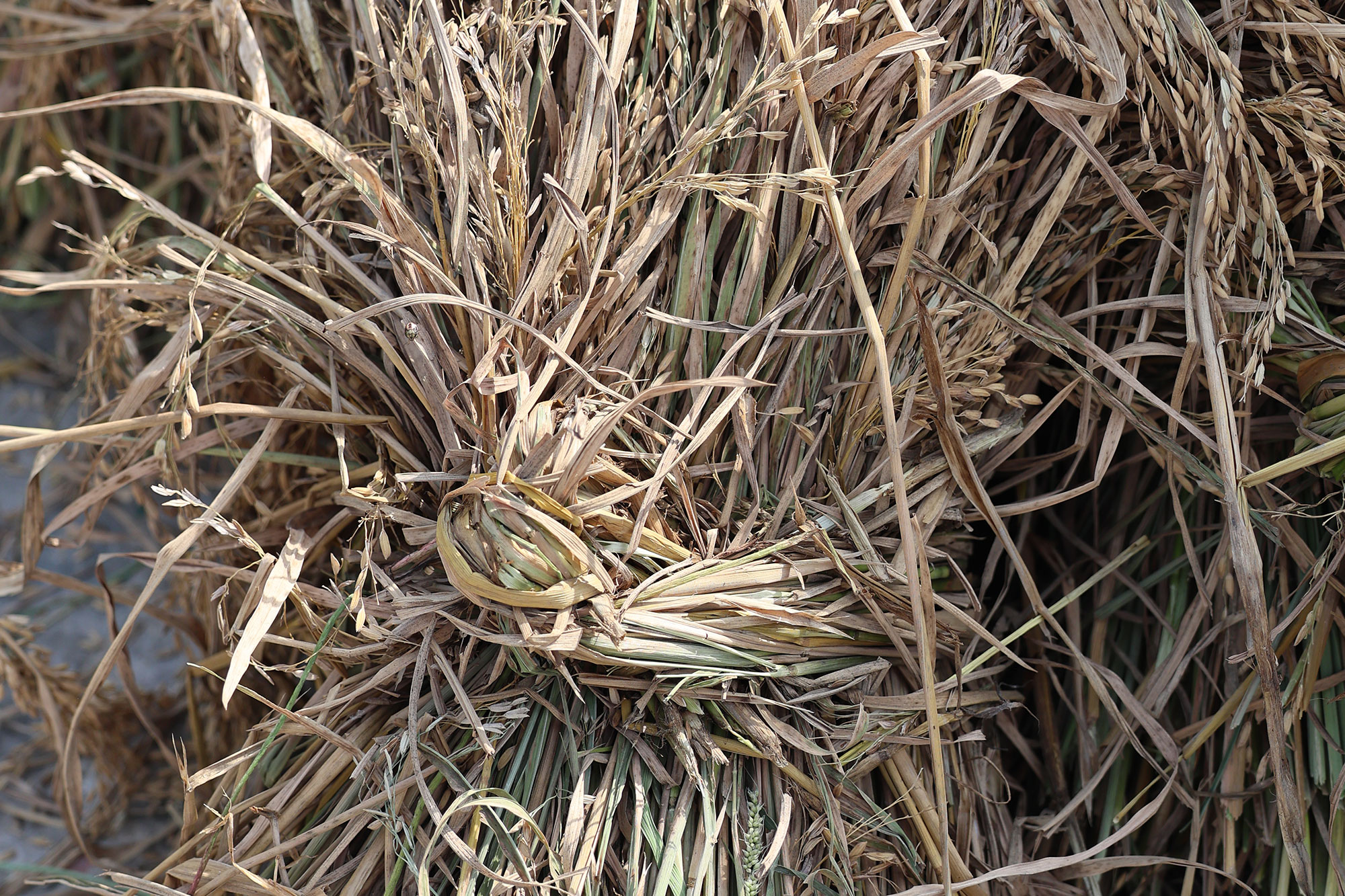
- Cereal: Rice
- Stressor: Drought
Working to identify how rice responds to drought during the most sensitive stages of growth, this project focuses on finding the genes and traits that allow plants to maintain performance under water stress. By combining field testing with genomic analysis and new physiological tools, the work supports more targeted breeding decisions. The goal is to identify alleles, markers, and screening approaches that improve selection for drought tolerance.