Feed the Future Innovation Lab for Cereals
Led by Kansas State University, our research aims to increase the resiliency of pearl millet, rice, sorghum, and wheat. Our work supports farmers and advances the global effort to double the world’s food supply by 2050.
Our Research and Why It Matters
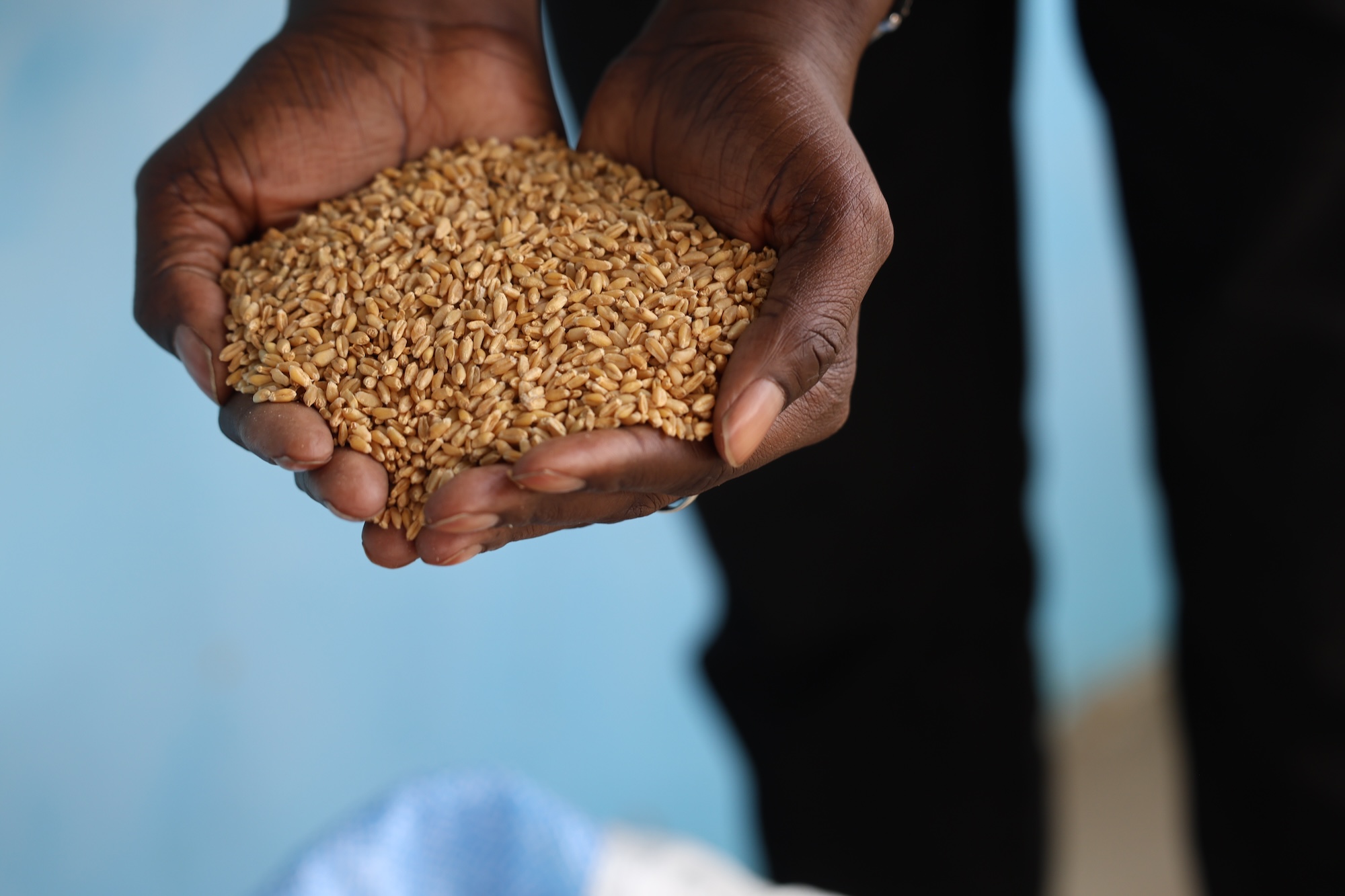
Feed the Future Innovation Lab for Cereals is a U.S. government-funded research program working to improve the genetics of wheat, sorghum, millet and rice. Our research focuses on strengthening these crops against environmental stressors such as disease, heat, cold, flood and drought. We bring together experts from around the world to maximize results.
Crop improvements deliver real returns by reducing disaster-related losses and steadying food and feed supplies. A strong U.S. agricultural sector helps stabilize our economy, impacts economic growth, boosts markets and contributes to national security.
Cereal Crops
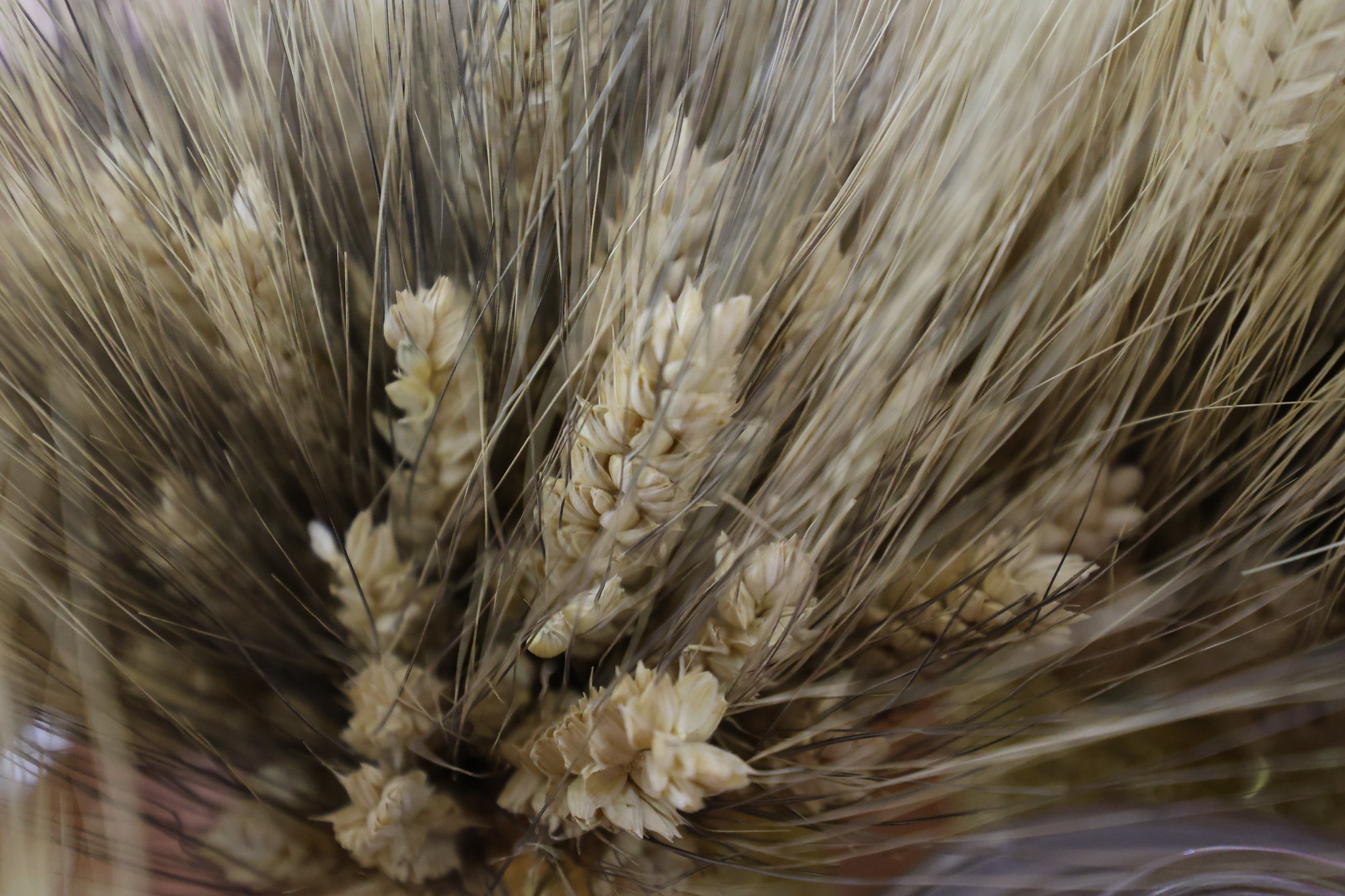
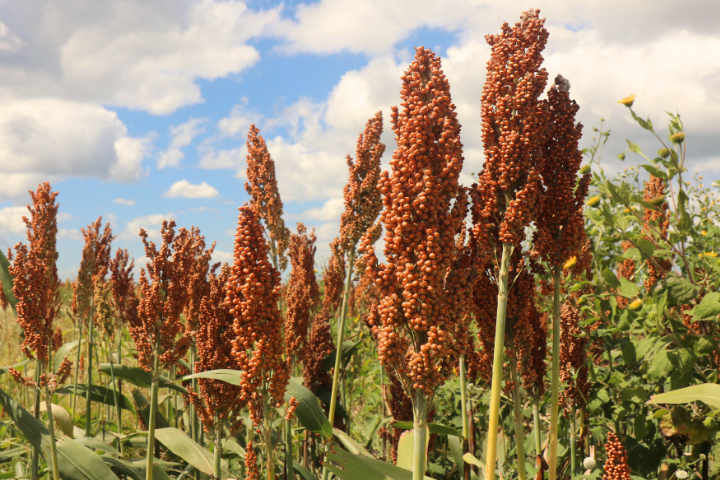
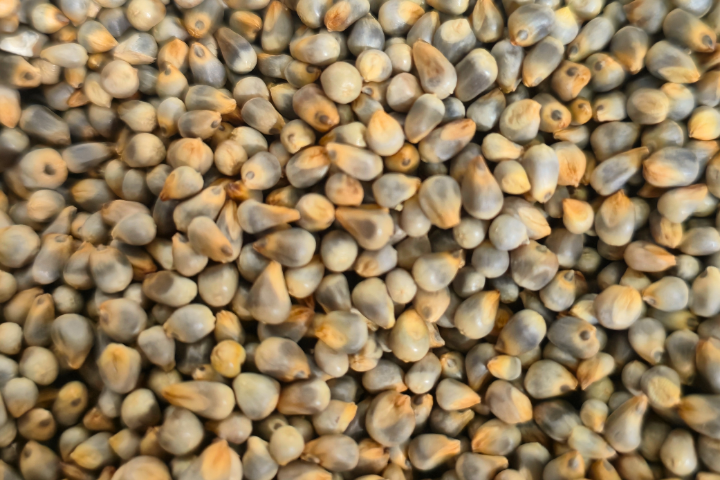
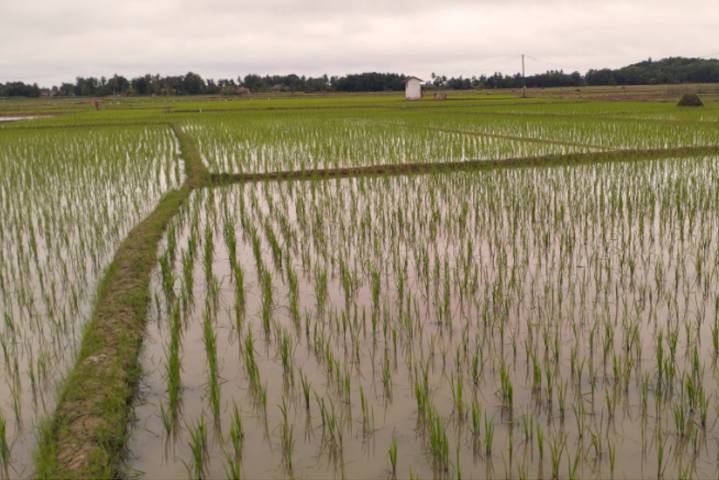
The Cereals Lab concentrates on four of the world's most important cereals to increase production, resilience and long-term food supply.
Global Challenges
Latest News
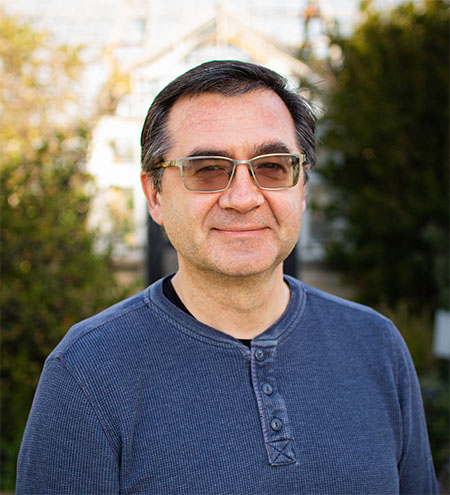
Cereals Innovation Lab Wheat Researcher Receives Iman Award
October 2026Eduard Akhunov, a principal investigator for the Feed the Future Innovation Lab for Cereals and director of the Wheat Genetics Resource Center at Kansas State University, recently received the Iman Outstanding Faculty Award for Research through the K-State Alumni Association.