Science Snapshot: Developing Heat-Tolerant Rice to Protect U.S. and Global Harvests
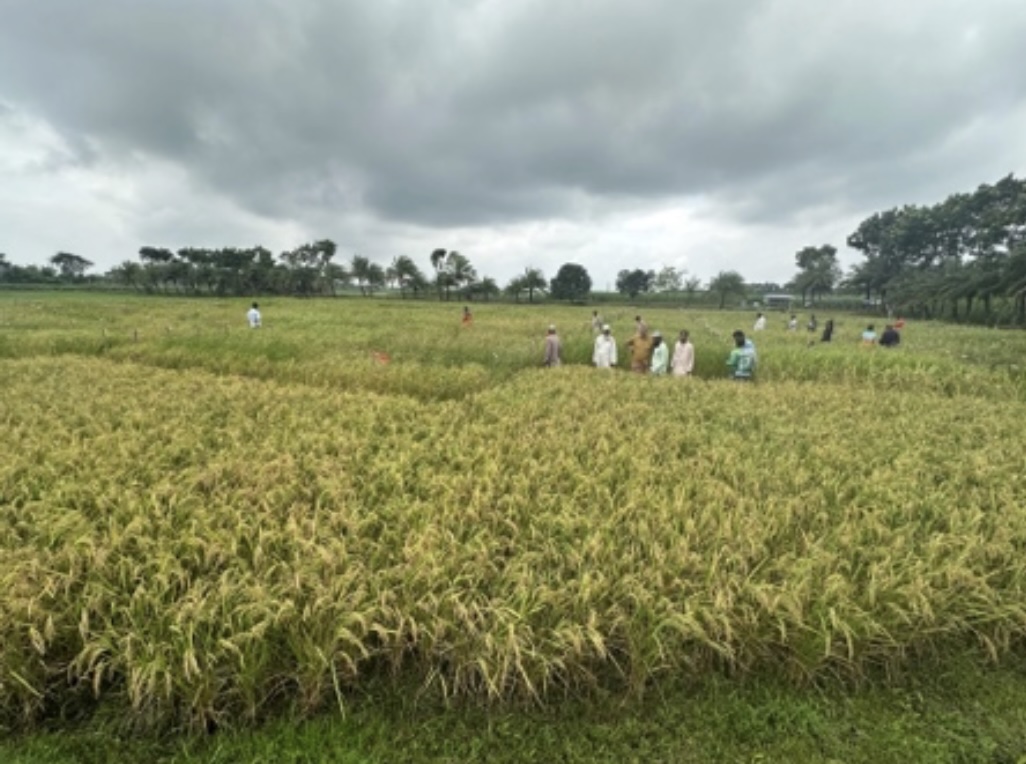
U.S. farmers produce a rice crop worth roughly $3 billion annually, but heat waves can threaten both harvest size and grain quality. For example, in Louisiana alone, drought and excessive heat imposed approximately $155 million in economic losses and additional costs on rice production in 2023. Developing heat-tolerant varieties could help farmers protect their investment and maintain production during hot seasons. Heat damages rice in different ways. At flowering, it can disrupt pollination, leaving empty hulls instead of grain. During grain filling, high temperatures can produce chalky, fragile kernels that break during milling, reducing the recovery of higher-value whole rice. Protecting fertility and maintaining grain quality are therefore critical priorities for safeguarding crop value.
Through a partnership between Texas A&M University and the Bangladesh Rice Research Institute (BRRI), the Cereals Lab is targeting heat tolerance at the flowering stage. Led by principal investigator Dr. Michael Thomson at Texas A&M and co-principal investigators at BRRI, the project explores underutilized diversity in aus rice, a group of traditional rice varieties that grow under high temperatures in Bangladesh. The Cereals Lab partnership combines complementary expertise at Texas A&M and BRRI to accelerate the discovery and validation of genes and alleles conferring heat tolerance, advancing rice improvement for farmers in both countries.