News
The Feed the Future Innovation Lab for Cereals connects international and U.S. partners to tackle some of the most pressing challenges in cereal research. We strive to advance critical technologies and resources for the benefit of farmers and researchers around the globe.
 October 2026
Science Snapshot: Developing Heat-Tolerant Rice to Protect U.S. and Global Harvests
 September 2026
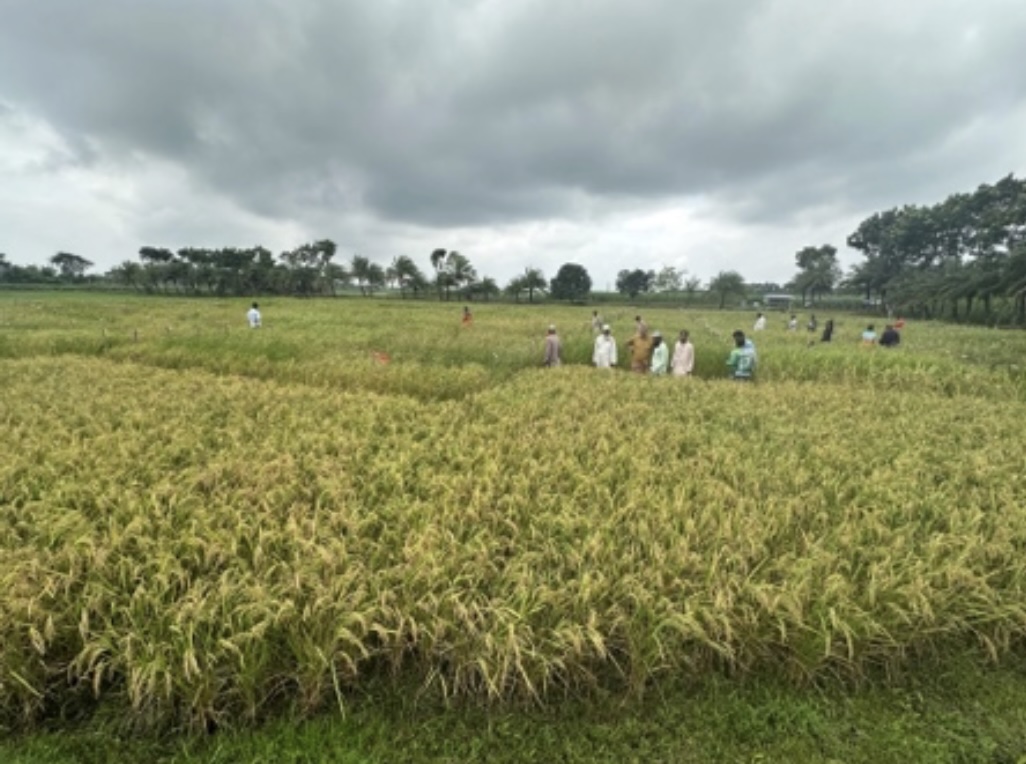
Whole Genome Sequence Data on Diverse Pearl Millet Accessions Across the African Continent
Beating the Odds in Bangladesh
April 2026
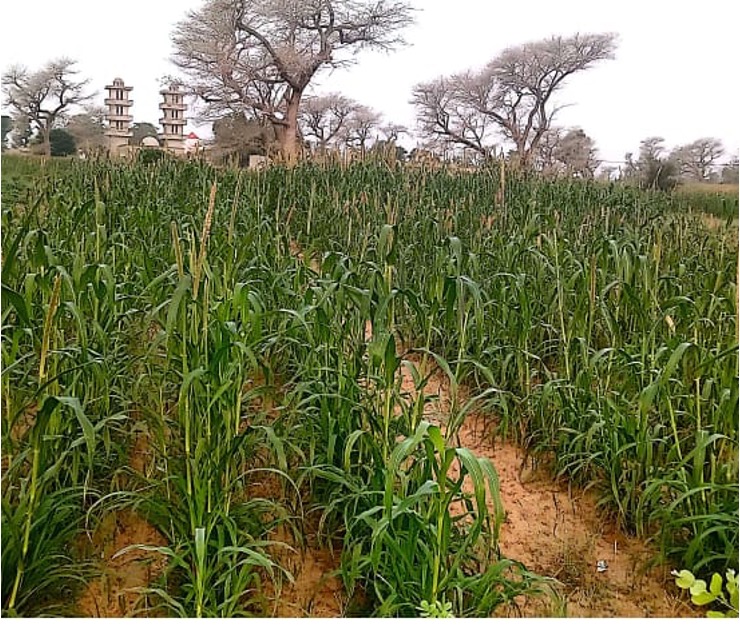
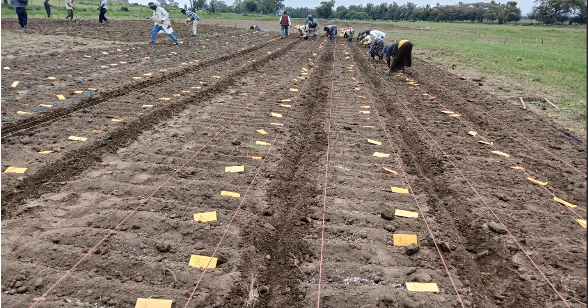
For generations, rice farmers across Bangladesh have battled against the odds — struggling with salt-soaked soils, long dry spells, floods that swallowed their fields, and cold snaps that stunted their crops. Each season brought new uncertainty, and for many families, rice harvests — the foundation of their livelihood — were no longer guaranteed.
That story is beginning to change.
March 2026
From the golden plains of Kansas to the sun-baked fields of Senegal, the story of wheat is being rewritten. Once, the American Midwest was known for its steady rains and predictable seasons, while West African farmers looked to the skies for a single life-saving storm. Today, both regions face the same challenge—hotter days, shorter rains, and a climate that refuses to play by the old rules.
In Kansas, farmers watch winter wheat struggle through dry, cracked soil. In Senegal, farmers wait for rains that come too late or too hard. Yet in this shared struggle, two worlds have found common ground—and a shared hope that innovation can outpace the climate.
Ethiopia’s Shift to Drought Resiliency via Scientific Discovery
February 2026
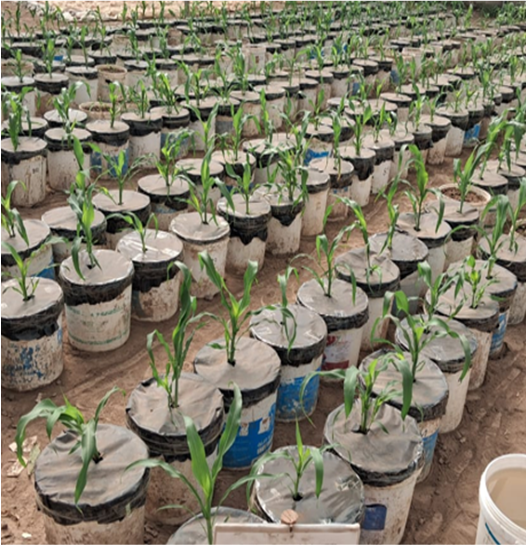
For years, developing drought-resilient sorghum in the drylands of Ethiopia faced a mix of scientific and logistical hurdles. Trials were difficult to coordinate, field conditions were unpredictable and collecting the plant samples needed for genetic research was slow, messy, and often unsuccessful.
Field teams used to travel long distances to gather leaf tissue from mature plants growing under the harsh sun. The work could take days, with samples scattered by wind, mislabeled, or damaged by heat. Even when successful, the older, fibrous leaves from mature plants yielded poor-quality DNA — leaving researchers with limited insight into the genetic traits that could make sorghum stronger against drought.