areas of focus


communication and deliberative democracy

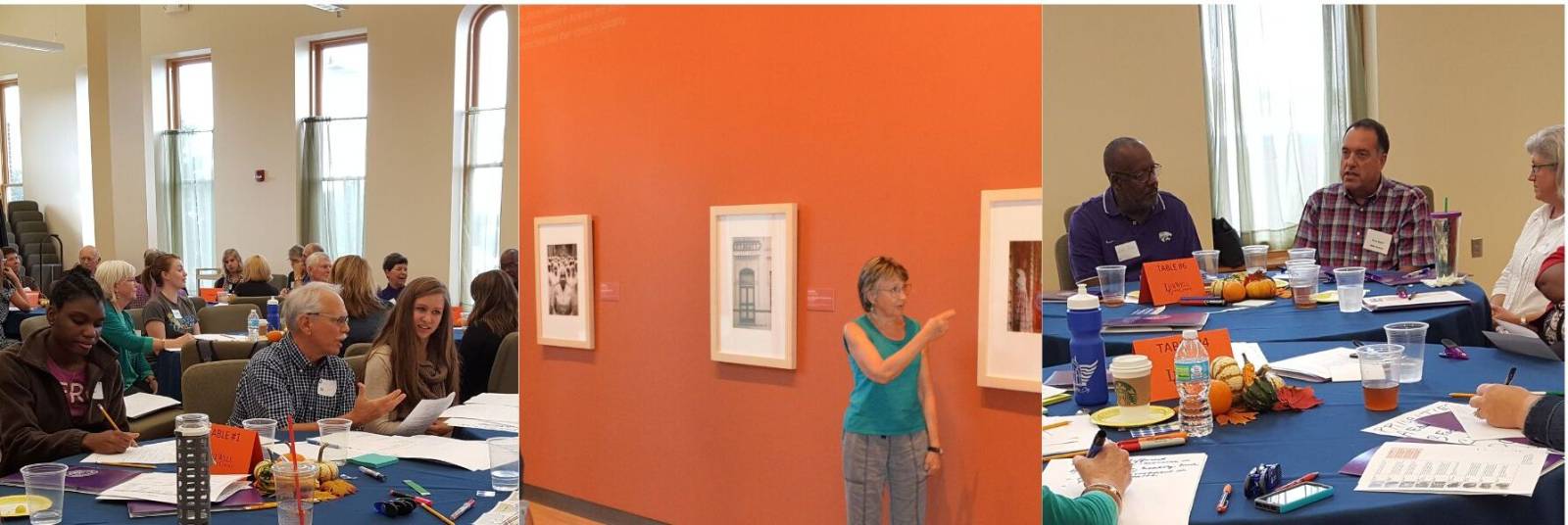
ICDD promotes productive and engaged public discourse to build and strengthen American communities.  ICDD seeks answers to the following questions:

    -What are the processes and conditions of civic discourse that make for effective and inclusive decision making?

    -What constitutes democratic discourse?

    -What practices nurture conversation across boundaries of difference, particularly among groups predisposed to conflict?

    -What are the traits of effective public facilitation?

CRISIS COMMUNICATION AND DEMOCRACY

ICDD examines the impact of crisis communication on the sustainability of democracy.  Given emerging threats of terrorism, and of man-made and natural disasters, ICDD asks:

-How do first-responders, citizens, media, and leadership respond to public crises?

-How can public officials communicate in ways that best manage a crisis situation?

-Which communication responses to crises are supportive of or detrimental to democratic values and institutions?

-What is the impact of a sustained perception of crisis on the practice of democracy?

COMMUNICATION AND REPRESENTATIVE DEMOCRACY

Political campaigns employ methods of communication that have a profound impact on representative democracy.  ICDD faculty address the question:

-How does political discourse function to inform and influence participants in representative democracy, both during and between political elections?

Institute for Civic Discourse and Democracy
202 Ahearn Field House
Kansas State University
Manhattan, KS 66506