Preparing Turfgrass for Winter
As temperatures cool and turfgrass growth slows, management priorities begin to shift. While many fall practices such as fertilization, aerification, overseeding, and soil testing may be winding down, decisions made during late fall can still influence winter survival and spring performance.
Cool-Season Turfgrass Considerations
Cool-season turfgrasses such as tall fescue continue to grow during favorable fall weather. However, recently seeded and overseeded areas may still be developing as winter approaches, making them particularly susceptible to damage from excessive traffic. Limiting unnecessary traffic on immature turf can help protect seedlings and improve winter survival.
As temperatures decline, continue monitoring establishment progress and overall turf condition. Areas that entered fall with poor density, drought stress, or other issues may require additional evaluation and management planning before the next growing season.
Warm-Season Turfgrass Considerations
Dormancy is a normal and expected response for warm-season turfgrasses such as bermudagrass, zoysiagrass, and buffalograss. As these species enter dormancy, turf color will transition from green to shades of tan or brown. Several factors can increase the risk of winter injury in warm-season turfgrass systems, including excessive late-season nitrogen applications, shade, excessive traffic, poorly drained soils, areas prone to drying out, and inadequate cold acclimation before severe weather arrives. Understanding these risk factors can help turf managers identify areas that may be more vulnerable to winter injury.
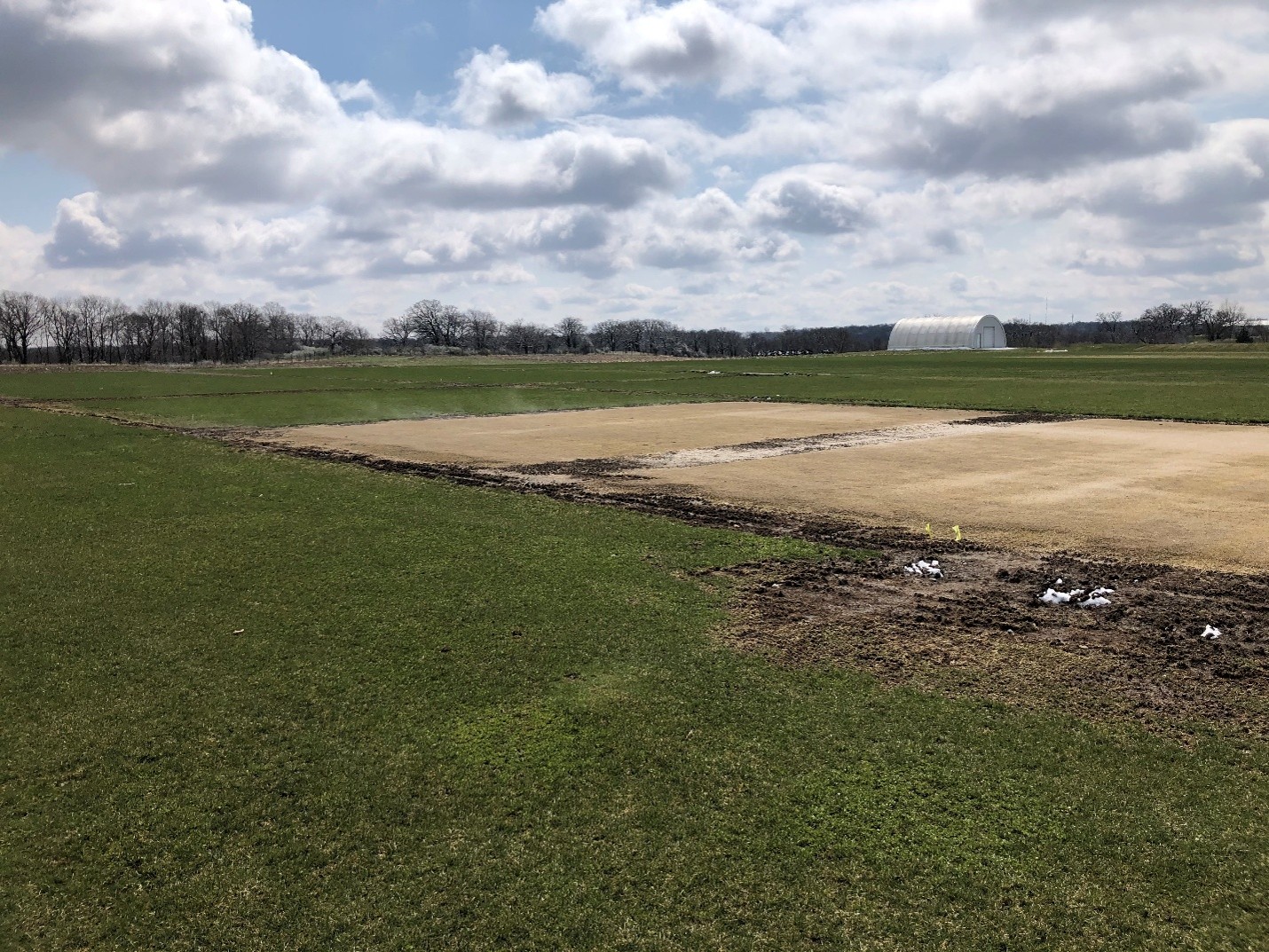 Figure 1. Warm-season turfgrasses enter dormancy as temperatures cool, creating a contrast with nearby cool-season turfgrasses that are still green.
Don't Forget About Moisture
Although irrigation demands are generally lower during the winter months, turfgrass can still experience moisture stress during extended dry periods or windy conditions. This is particularly important for recently established turfgrass, turf growing on exposed sites, and areas prone to winter desiccation. Winter desiccation is a form of winter injury that can occur when turf experiences prolonged drying conditions during the winter months. Continue monitoring soil moisture conditions throughout late fall and winter and consider supplemental irrigation when appropriate during extended periods of dry weather.
Traffic Management Matters
Traffic can have a significant impact on turfgrass performance heading into and during winter. Newly established cool-season turf, dormant warm-season turf, and areas with poor drainage are often most susceptible to damage. Concentrated traffic patterns can increase turf wear, contribute to soil compaction, and reduce turf recovery potential the following spring. Whenever possible, distribute traffic across larger areas and limit use of vulnerable sites during unfavorable conditions.
Review the Season and Plan Ahead
Late fall and winter provide an excellent opportunity to evaluate the previous growing season and begin planning for the next one. Review soil test results, identify areas that struggled during the year, and consider whether future aerification, renovation, overseeding, drainage improvements, or fertility adjustments may be beneficial.
Winter is also a good time to evaluate turfgrass species selection, management practices, and long-term maintenance goals before spring growth resumes. In some high-value turf areas, such as golf course greens, athletic fields, or other sites with a history of winter injury, protective covers may also be incorporated into winter management programs.
Final Thoughts
Preparing turfgrass for winter is often more about avoiding unnecessary stress than encouraging additional growth. Protecting newly established turf, monitoring moisture conditions, managing traffic, and understanding potential winter injury risks can help improve spring performance and long-term turf health.
Additional Resources
Winter Injury Noticeable on Warm-Season Grasses (K-State Turf and Landscape Newsletter)
Management Guides to Reduce Winterkill in Warm-Season Turfgrasses (K-State Turf and Landscape Newsletter)
Winter Desiccation (K-State Turf and Landscape Newsletter)
Ice, Ice Baby (K-State Turf and Landscape Newsletter)
Have a question about how this applies to your own yard or field? Your local K-State Extension office can offer guidance tailored to your soil, turf, and growing conditions. Find your county office at extension.k-state.edu/about/statewide-locations.