Missed the Fall Seeding Window? Dormant Seeding May Be an Option
Early fall (September to mid-October) is usually the best time to seed cool-season turfgrasses in Kansas, because air and soil temperatures are favorable for seed germination and turf establishment before winter. Additionally, fall seeding allows your turf to reach a more “mature” stage before next summer than spring seeding. You will likely encounter less weed infestation issues during establishment with fall seeding compared to spring seeding. But conditions are not always ideal in the fall, for example, September can sometimes be hot and dry, which can make establishment more challenging and dependent on supplemental irrigation. There are also many other reasons (e.g., renovation, construction, field use, or other management activities) that can delay seeding beyond the ideal fall period. So, what should you do if it gets too late to seed in the fall? One option is to wait and dormant seed during the winter.
Dormant Seeding
Dormant seeding is the practice of planting turfgrass seed when soil temperatures are too low (< 45 °F) for seed germination, allowing the seed to remain “dormant” until favorable conditions return in the spring. Traditionally, late November through early-March has been considered a suitable window for dormant seeding cool-season turfgrasses in Kansas. However, dormant seeding success may vary by seeding date and turfgrass species.
Advantages of dormant seeding
- Promotes earlier spring germination because the seed is already in place when favorable warmer temperatures return.
- Soil freezes and thaws during winter, creating crevices that provide seed-to-soil contact that is ideal for germination.
- Allows seeding when field operations may be less busy compared with spring.
- Avoids planting in wet, muddy, spring soil conditions.
- Provides more time to establish before summer stress.
Potential challenges
- Seed remains exposed on the soil surface for a longer period and may lose viability or be lost through runoff, soil erosion, or wind erosion. Therefore, it is recommended to increase the seeding rate by about 25% for dormant seeding to account for these losses (Figure 1).
- Extended, multi-week, warm periods during winter may cause premature germination, followed by seedling injury when temperatures drop again.
- Turfgrass seedlings and weeds may emerge at the same time, making establishment more difficult.
- Not all turfgrass species respond to dormant seeding in the same way, as each species responds differently to changes in temperature.
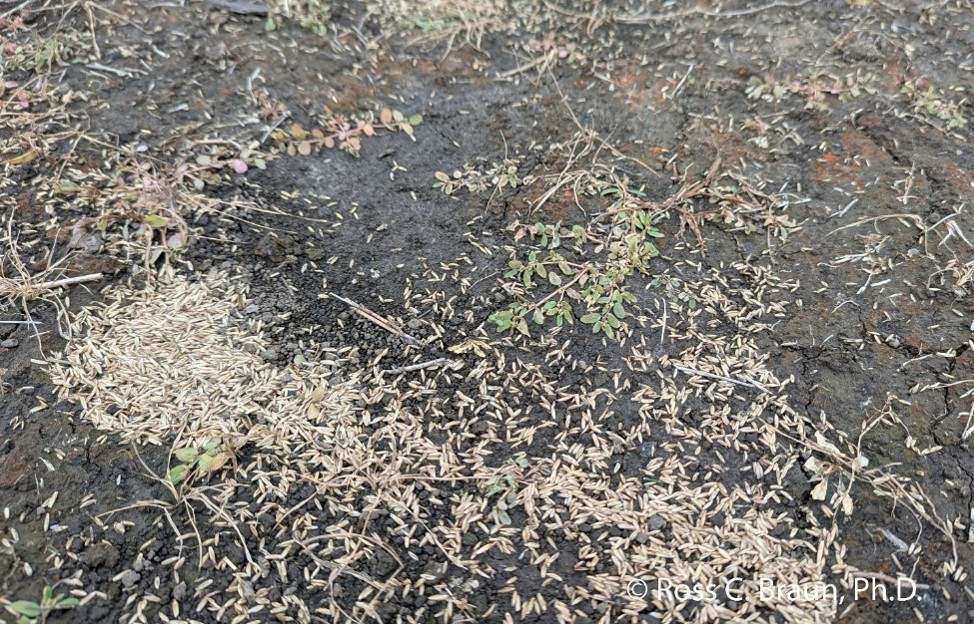 Figure 1. One of the potential risks of dormant seeding or only spreading seed on the surface.
If there is not adequate seed-to-soil contact, seed erosion due to heavy rain or irrigation or wind may occur.
What did we find in our Kansas experiement?
Researchers at Kansas State University and Purdue University recently evaluated how seeding date and turfgrass species affected dormant seeding success in Manhattan, KS and West Lafayette, IN (Figure 1). Six cool-season turfgrass species were tested: Tall fescue, strong creeping red fescue, Chewings fescue, hard fescue, Kentucky bluegrass, and perennial ryegrass. Seeding dates ranged from fall through early spring and included October 1, October 15, November 15, December 15, February 15, and March 15. Seed was hand-seeded directly onto the existing soil surface, which was not tilled before seeding, and we did not rake the seed into the soil. No starter fertilizer or seed blanket was used. The plots were not irrigated after seeding, instead irrigation began in the spring. We compared turf cover and other turf quality parameters across seeding dates through the winter, spring, and beginning of summer to evaluate establishment success, and our Kansas results are below.
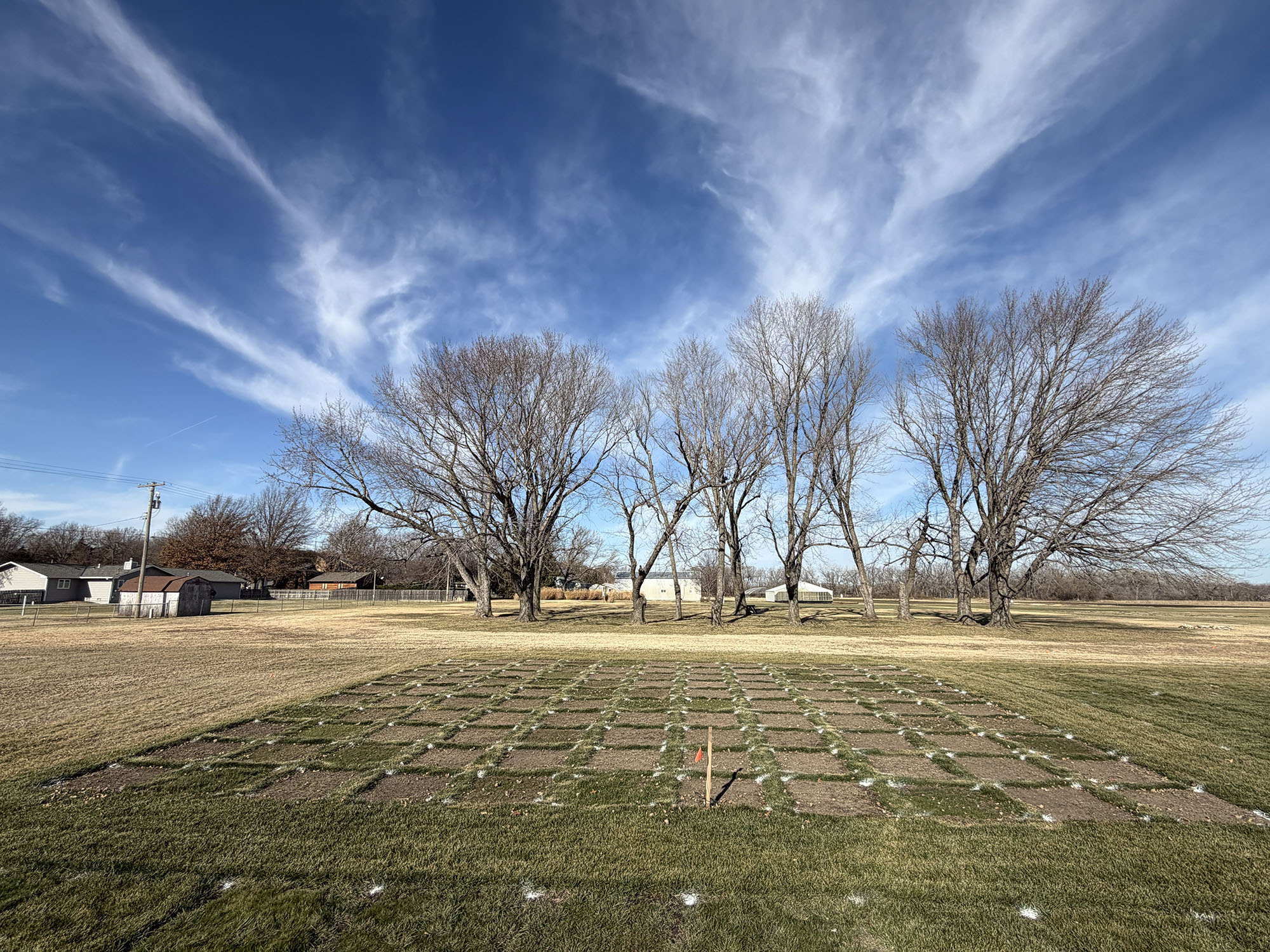 Figure 2. Our field site in Kansas on December 17, 2025. At this point, we have applied early-October, mid-October, mid-November, and mid-December seeding timings.
Reminder: A true dormant seeding involves planting turfgrass seed during late fall or winter when soil temperatures remain low enough to prevent germination, ensuring the seed stays dormant in the soil until favorable temperature and moisture conditions return the following spring.
Early-October (Fall Seeding): This timing acted as a true “fall seeding” for all species. Seed germinated in the fall, so it was not a “dormant seeding,” and it established rapidly before winter across all species (reaching 13% to 88% cover by mid-December) and consistently produced the highest final coverage by late June, achieving 97% to 100% visual cover regardless of species (Figure 3 and 4). Although Kentucky bluegrass had only 13% cover by December, it was the only timing within Kentucky bluegrass that resulted in a fully established turf stand, reaching 97% cover by June.
Mid-October (Late Fall Seeding): This timing was also mostly a “fall seeding” not a “dormant seeding” because all species exhibited some seed germination before winter. This timing led to variable overall success depending on species establishment rate—perennial ryegrass (99%), hard fescue (93%), Chewings fescue (94%), and strong creeping red fescue (86%) turf cover by June, whereas tall fescue (57%) and Kentucky bluegrass (28%) suffered from insufficient pre-winter development and seed losses over winter.
Mid-November (Late Fall / Incidental Germination): The mid-November timing was risky because it suffered across multiple species from premature fall germination that caused winter injury, resulting in suboptimal final June cover for Kentucky bluegrass (24%), strong creeping red fescue (63%), and Chewings fescue (73%), while perennial ryegrass (94%) and tall fescue (83%) recovered more favorably. This mid-November seeding timing was often too early to be a “dormant seeding” and instead sometimes acted a fall seeding. We suspect a late-November timing would have been more successful as a “dormant seeding.”
December (True Dormant): Functioned effectively as a true dormant seeding window without premature germination, allowing cool-season grasses to germinate and grow substantially in spring and reach acceptable-to-excellent cover by June (84% to 99% for the fescues and ryegrass), though Kentucky bluegrass remained limited at 53%.
February (True Dormant): Successfully mirrored or slightly surpassed December performance for most species by late June (reaching 82% to 98% cover across the fescues and perennial ryegrass), but like December, provided insufficient establishment time for slow-germinating Kentucky bluegrass in the spring (60%).
March (Spring Seeding): March seeding consistently resulted in poor establishment across nearly all species, leaving insufficient time for stand development before early summer stress and high weed infestations. Fine fescues and Kentucky bluegrass struggled the most, reaching only 33% to 63% visual cover by late June, while tall fescue remained limited at 64%. Due to its faster germination, perennial ryegrass established the most successfully of the group from a March planting (82% cover), yet still lagged significantly behind earlier fall and true dormant timings.
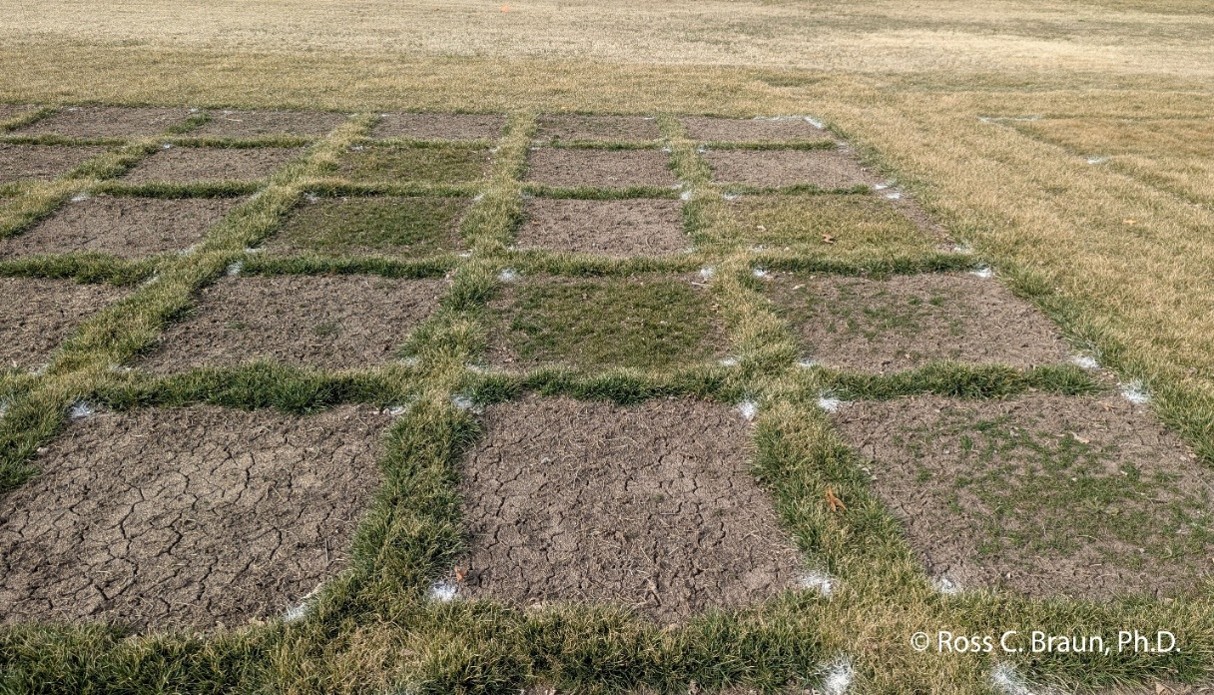 Figure 3. Close-up of some of the fall seeding timings (early-October or mid-October) and some of the dormant seeding timings in late-February.
Summary
Early-October seedings established best before winter and achieved near-complete visual cover (>96%) across all species by the following June; mid-October had variable success. These October seedings were not “dormant seedings” but instead acted as typical “fall seedings” that germinate and begin to establish before winter. The success of fall seedings (October) will vary each year because of seasonal weather and the timing of the onset of cooler temperatures. Avoid November seeding due to the risks. Seeding before mid-November will result in poor seed germination and establishment before winter. If you are hoping the November seeding acts as a dormant seeding, then wait to seed until late November. True dormant seeding in Kansas will should be occur between December to February, when the seed does not germinate until the following spring. March seeding (spring seeding) faces challenges similar to other spring seedings, which can result in poor establishment, high weed spring pressure, and little time before summer stress begins.
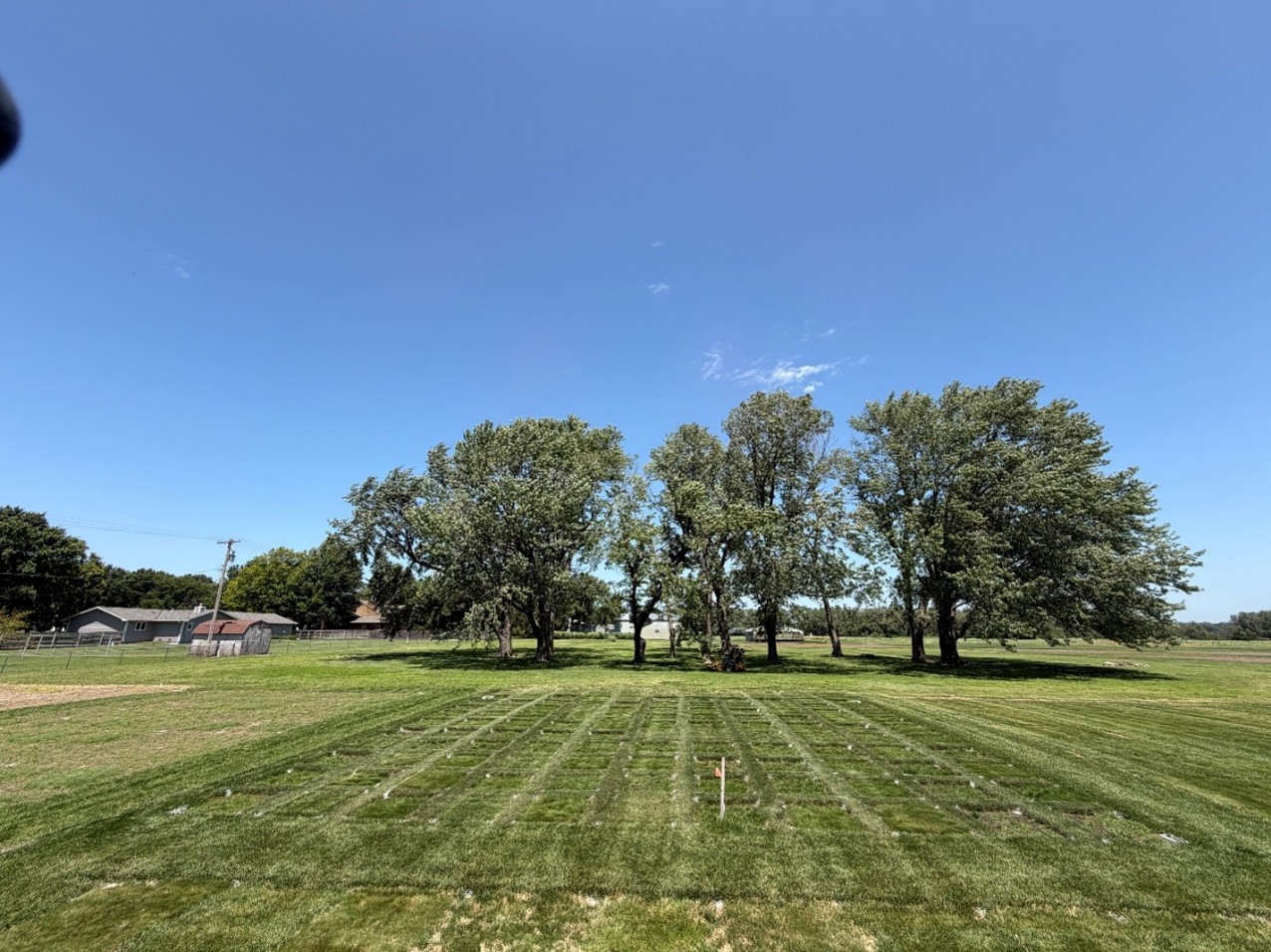 Figure 4. Our field site in Kansas in June 2026. Many plots have full or near-full turf cover from seeding last fall or from a dormant seeding during the winter.