Fall Turfgrass Renovation, Establishment, and Overseeding
As summer begins to wind down, many turf managers start evaluating options for improving turfgrass density, repairing summer damage, and establishing new turf areas. Fall provides some of the best conditions of the year for cool-season turfgrass establishment in Kansas. September is generally the preferred month for establishing or overseeding cool-season turf, although seeding during early October can also be successful when weather conditions are favorable. Taking time to assess site conditions and prepare properly before seeding can significantly improve establishment success.
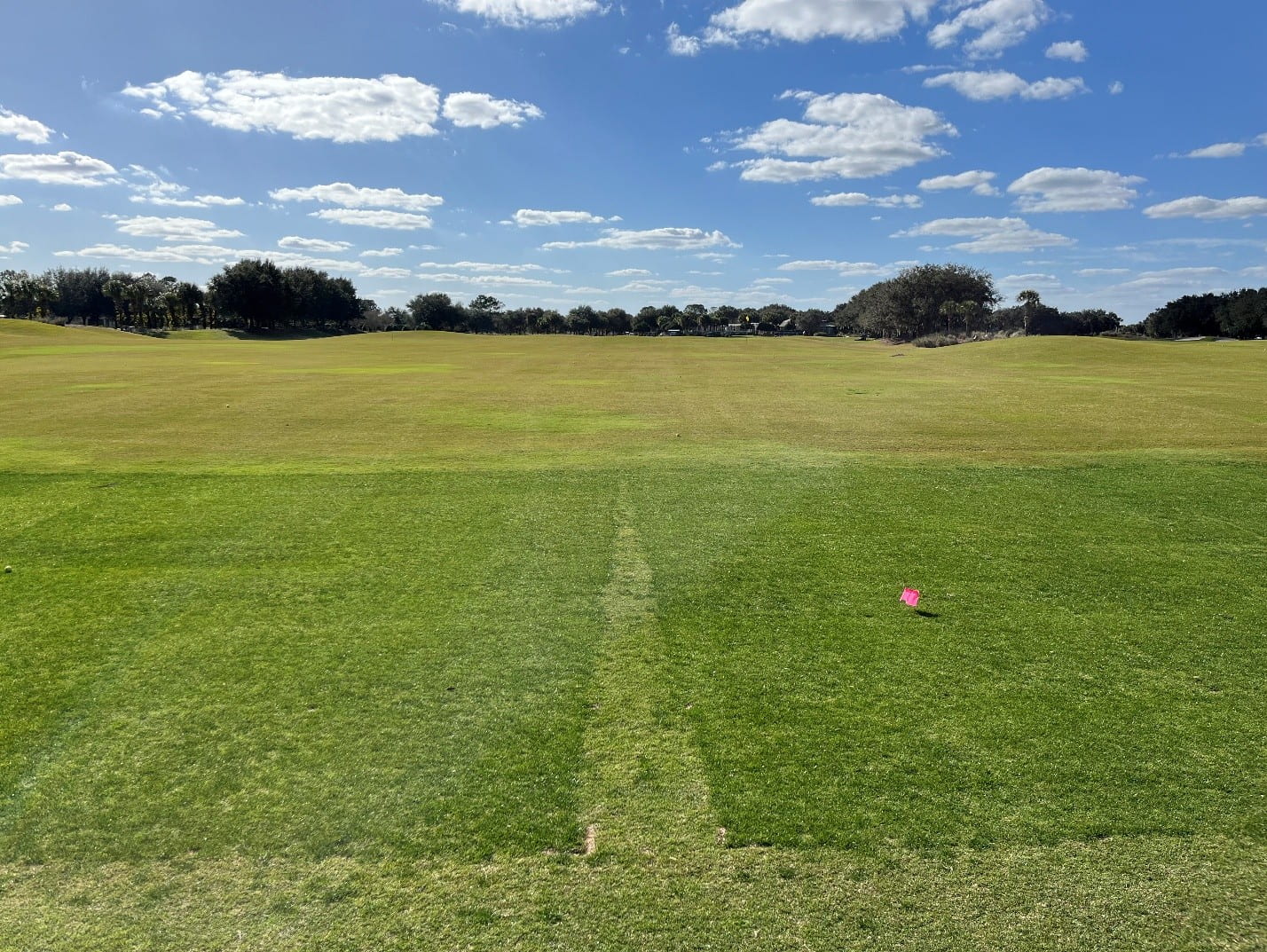
Overseeding is one option for improving turf density and repairing areas affected by summer stress,
traffic, drought, or other environmental conditions.
Does Your Turf Need Renovation or Overseeding?
Before purchasing seed, evaluate existing turf conditions. Areas with moderate thinning from summer stress, drought, traffic, or pest damage may benefit from overseeding to improve density. However, sites with severe thinning, significant weed infestations, or little desirable turf remaining may require a more complete renovation approach.
Start with Site Preparation
Successful establishment begins long before seed is applied. Taking a soil test can help identify nutrient deficiencies and soil pH issues that may affect establishment success. Soil testing is particularly valuable before establishing new turf areas or beginning major renovation projects.
In addition to soil testing, evaluate areas for compaction, drainage issues, and weed pressure. Poor soil conditions can limit turf establishment regardless of the amount of seed applied, making proper site preparation one of the most important factors in long-term success.
Seed-to-Soil Contact Is Critical
One of the most common reasons seeding projects fail is poor seed-to-soil contact. If seed remains suspended in existing turf or thatch, germination and establishment can be inconsistent.
For overseeding projects, mowing existing turf shorter than normal can help improve seed placement and light penetration to seedlings. Practices such as core aerification, slit seeding, vertical mowing, topdressing, or light raking can improve seed-to-soil contact and increase establishment success.
Select the Right Turfgrass
Turfgrass selection should be based on site conditions and intended use. Tall fescue remains the most widely adapted cool-season turfgrass for Kansas and establishes relatively quickly from seed. Depending on management goals and site requirements, turfgrass mixtures or other species may also be appropriate. Selecting turfgrass species and varieties adapted to Kansas conditions can improve long-term performance and reduce maintenance requirements. Additional information on turfgrass adaptation and selection is available in the resources listed below.
Manage Irrigation Carefully During Establishment
Water is essential for germination and establishment. Newly seeded areas should be kept consistently moist throughout the germination period. Once seedlings emerge and rooting begins, irrigation should gradually transition from frequent light applications to less frequent, deeper watering. Avoid allowing seedlings to dry out, but also avoid continuously saturated conditions that may limit root development.
Avoid Common Establishment Mistakes
Several common mistakes can reduce establishment success:
- Seeding outside the optimal fall establishment window.
- Poor seed-to-soil contact.
- Allowing seedlings to dry out during germination.
- Ignoring underlying soil compaction issues.
- Applying excessive fertilizer.
- Subjecting newly established turf to heavy traffic too soon.
Final Thoughts
Fall provides an excellent opportunity to improve turfgrass density, repair summer damage, and establish new cool-season turf. Whether the goal is to renovate a worn area, establish a new stand, or simply improve density through overseeding, careful planning and preparation can significantly improve establishment success.
Looking for more information on fall seeding and establishment? K-State Turf Blog readers can find additional articles on these topics by visiting the Turfgrass Management page, which includes articles on fall seeding, establishment, and herbicide considerations associated with turfgrass renovation and overseeding.
Additional Resources
- Planting a Home Lawn (MF1126) (Kansas State University Research and Extension)
- Watering Your Lawn (MF2059) (Kansas State University Research and Extension)
- Turfgrass Selection (MF2032) (Kansas State University Research and Extension)
- A Guide to Turfgrass Nutrient Recommendations Based on K-State Soil Test Results (MF2311) (Kansas State University Research and Extension)
Have a question about how this applies to your own yard or field?
Your local K-State Extension office can offer guidance tailored to your soil, turf, and growing conditions. Find your county office at extension.k-state.edu/about/statewide-locations.