Surviving the Summer: Reducing Stress on Creeping Bentgrass Putting Greens
By A.J. Lindsey, Ph.D., Kansas State University
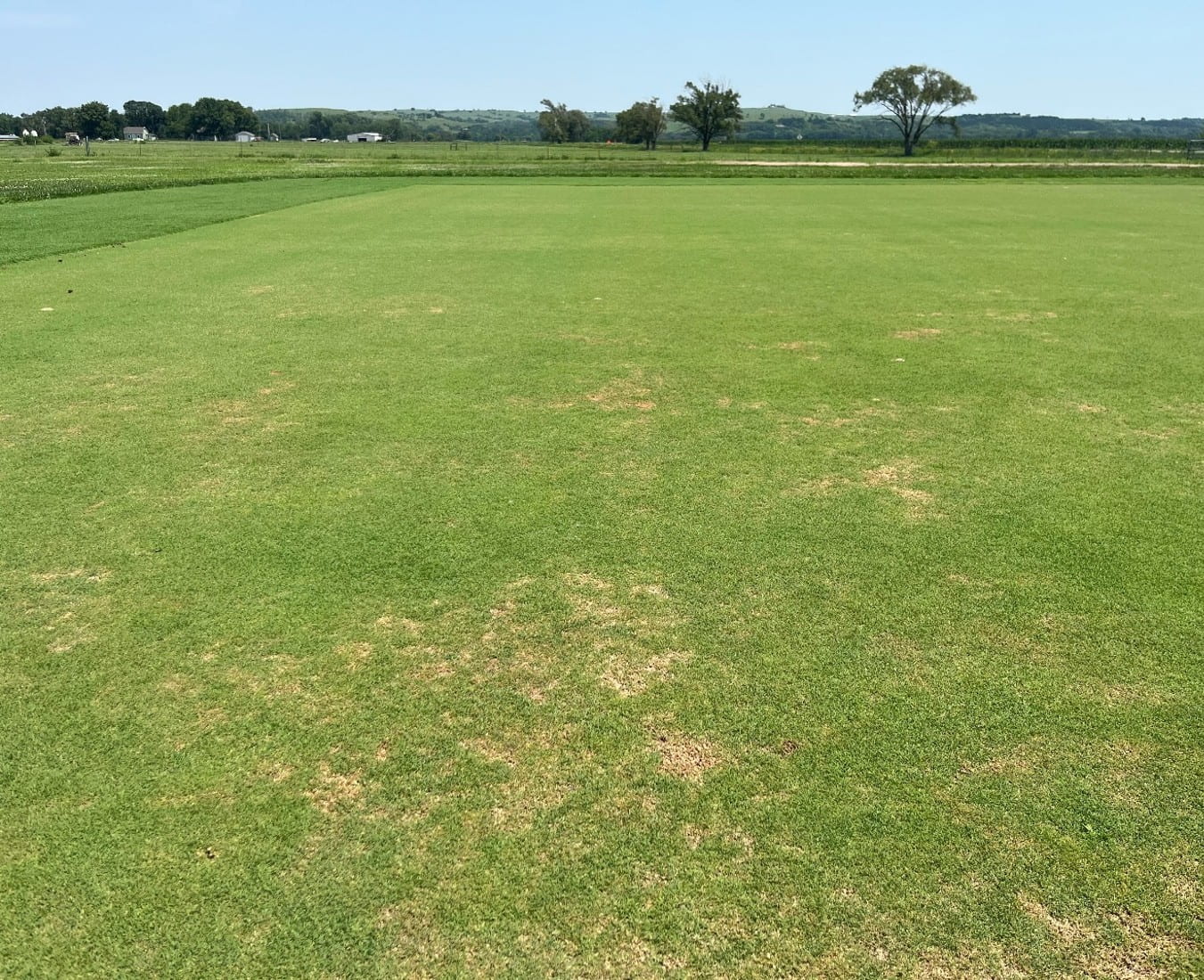
For many golf course superintendents, summer is less about chasing green speed and more about managing survival. High temperatures, humidity, traffic, and disease pressure can combine to push creeping bentgrass putting greens to their limits. While fungicides remain an important part of a summer management program, the most successful approaches focus on reducing plant stress before decline begins. A combination of thoughtful mowing, irrigation, fertility, traffic management, and environmental modification can greatly improve bentgrass performance during the most challenging months of the year.
Raise Mowing Heights and Roll More
During periods of heat stress, slightly raising mowing height can significantly reduce stress on creeping bentgrass. Consider reducing mowing frequency, increasing rolling frequency, minimizing cleanup passes, and using lightweight walk-behind mowers on stressed greens. Rolling can help maintain green speed while reducing the severity of stress-related diseases. For best results, rolling programs should be established before summer stress arrives so turf can adapt gradually.
Manage Water Carefully
One of the most common summertime mistakes is overwatering. While wilted turf often prompts irrigation, saturated root zones can be just as harmful as drought stress. Avoid overwatering, as saturated root zones limit oxygen availability and can accelerate root decline. Hand-water localized dry spots, use moisture sensors when available, and consider wetting agents to improve water distribution. When roots are healthy, deep and infrequent irrigation is preferred over light, frequent watering.
Syringing for Afternoon Cooling
When temperatures climb, syringing can provide valuable relief from heat stress. Applying a fine mist of water to the canopy during the hottest part of the afternoon cools the turf through evaporation and can help prevent wilt. The objective is to cool leaf tissue, not irrigate the soil.
Improve Air Circulation
Poor air movement can significantly increase summer stress by trapping heat and extending periods of leaf wetness. Improving air movement can lower canopy temperatures, shorten leaf wetness periods, and reduce disease pressure. Consider selective tree pruning, removal of airflow restrictions, and installation of fans where poor air movement is a chronic issue. Monitor fans carefully to avoid excessive drying and localized dry spot development.
Reduce Leaf Wetness and Improve Root-Zone Conditions
Disease development often depends on extended periods of leaf wetness. Remove dew through mowing, rolling, or whipping to shorten leaf wetness periods and reduce disease risk.
Roots often suffer first during stressful weather. Vent greens with needle tines, spiking, or other non-disruptive cultivation practices throughout the summer to improve oxygen exchange, encourage root-zone cooling, and maintain healthier roots during stressful weather.
Spoon-Feed Fertility and Maintain Topdressing
Bentgrass still requires nutrition during summer, but excessive fertility can create additional problems. Maintain turf vigor with light, frequent nitrogen applications (0.125–0.25 lb N per 1,000 sq ft every 10–14 days) and avoid excessive quick-release nitrogen during summer.
Maintaining a consistent sand topdressing program remains important during summer. Continue light, regular topdressing that matches turf growth to maintain a sand-filled canopy and smooth playing surface while avoiding aggressive cultivation during heat stress.
Manage Traffic
Traffic stress is often overlooked but can contribute significantly to turf decline. Frequent cup rotation, traffic control devices, and strategic use of ropes and barriers can help distribute wear and protect vulnerable areas. During stressful periods, courses may need to accept slightly slower green speeds to increase available pin placements and spread traffic more effectively.
Pesticide Considerations During Summer Stress
Fungicides and herbicides can be important tools during the summer, but they should be used carefully when creeping bentgrass is under heat stress. Some fungicides can cause growth regulation or discoloration during hot weather, and applications should be made cautiously when temperatures exceed 85°F. Herbicide applications can also increase stress, especially with oil-based or ester formulations. When possible, postpone non-essential applications until environmental conditions are more favorable.
Learn More
For additional information on managing creeping bentgrass putting greens during summer stress, including more detailed recommendations on mowing, irrigation, fertility, cultivation, and pesticide use, see: https://uknowledge.uky.edu/anr_reports/185/
Specifically, refer to the section “Reducing Summertime Stress on Putting Greens.”
Clarke, B.B., Vincelli, P., Koch, P., and Chou, M.-Y. 2024. Chemical Control of Turfgrass Diseases 2024. University of Kentucky Cooperative Extension Service Publication PPA-1.
Final Thoughts
Summer success on creeping bentgrass greens often comes down to minimizing stress before problems occur. Small adjustments in mowing, rolling, irrigation, air movement, topdressing, fertility, traffic management, and pesticide use can collectively make a significant difference in turf health and performance through the most challenging weeks of the season.