Food for Health training preps Kansas extension agents to help the state's residents
Lessons target healthy weight, heart and blood sugar
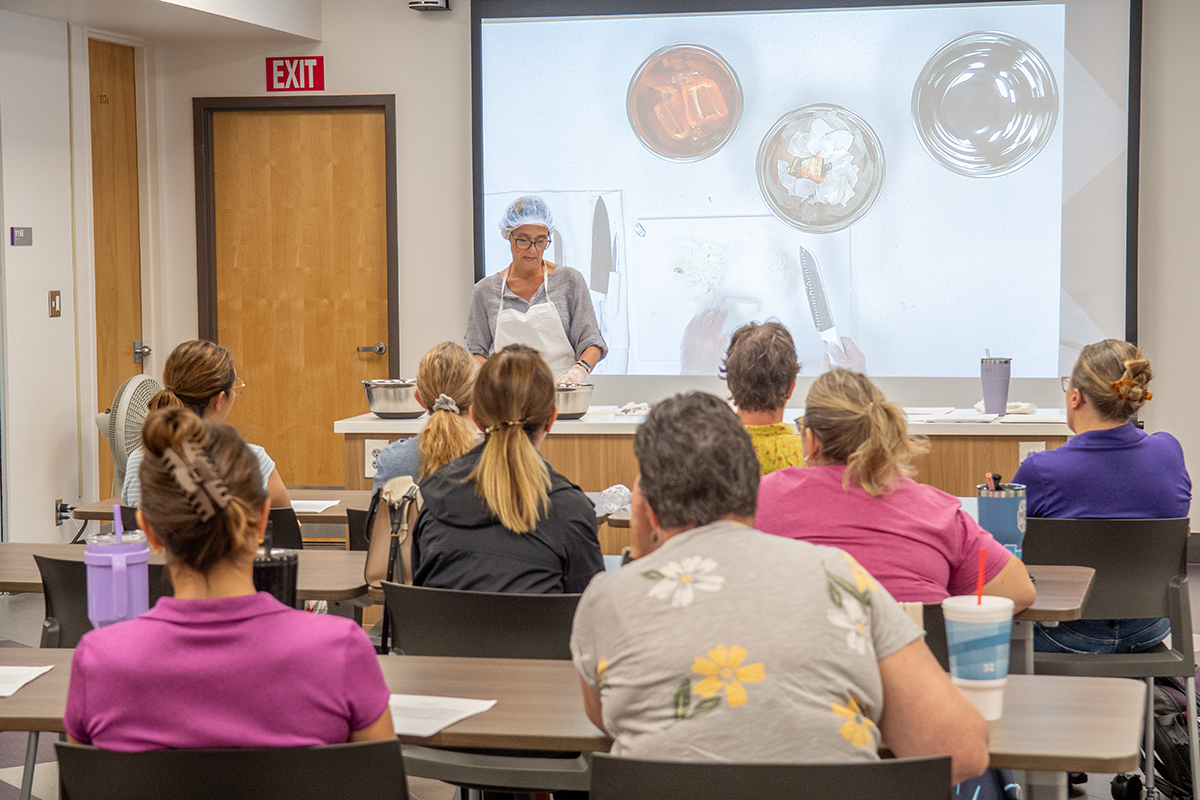
K-State Extension is bringing nutrition education to communities across Kansas with a new curriculum focused on healthy eating and chronic disease.

By Pat Melgares
K-State Extension
Thursday, Sept. 10, 2026
Americans are hungry for more information about healthier food choices.
A 2024 research study by the Food is Medicine Institute at Tufts University found that about 9 in 10 American adults agree that healthy eating is vital for preventing chronic conditions such as type 2 diabetes and high blood pressure.
Yet, that same year, ResearchAmerica – a non-profit medical and health research alliance – reported that as little as 13% of the U.S. population is aware of programs related to Food is Medicine, a term used to describe medically prescribed steps to address chronic human diseases.
Erin Tynon, a Kansas State University Extension family and consumer sciences agent in Pottawatomie County, said as Americans continue to learn more about the role of nutrition in their health, "there's a real need for nutrition education."
"There is a lot of interest in these topics and how we can cater our diets to address some of the chronic conditions we're seeing in America," Tynon said. "It's always hard to make changes in eating patterns, but I think that bringing nutrition knowledge to people and helping them take small steps that create habits and create small wins makes them feel more confident that they can take on larger decisions around food."
Turning nutrition knowledge into action
Tynon was one of nearly 40 K-State Extension agents who recently attended a training session on K-State's Manhattan campus on a curriculum called Food for Health, which will soon be available in every Kansas extension office.
The curriculum is designed to aid extension agents in teaching nutrition lessons and offering healthy recipes to residents in their county. The lessons target three of the most common chronic diseases among Kansans: cardiovascular disease, diabetes and obesity.
Priscilla Brenes, a nutrition and wellness state specialist with K-State Extension, said the training for extension agents was based on focus groups, surveys and in-depth interviews with numerous agents across Kansas.
"Our focus was on getting to know what extension agents are currently doing to teach nutrition in their communities, what they know about Food is Medicine, and what their communities are asking them to do," Brenes said.
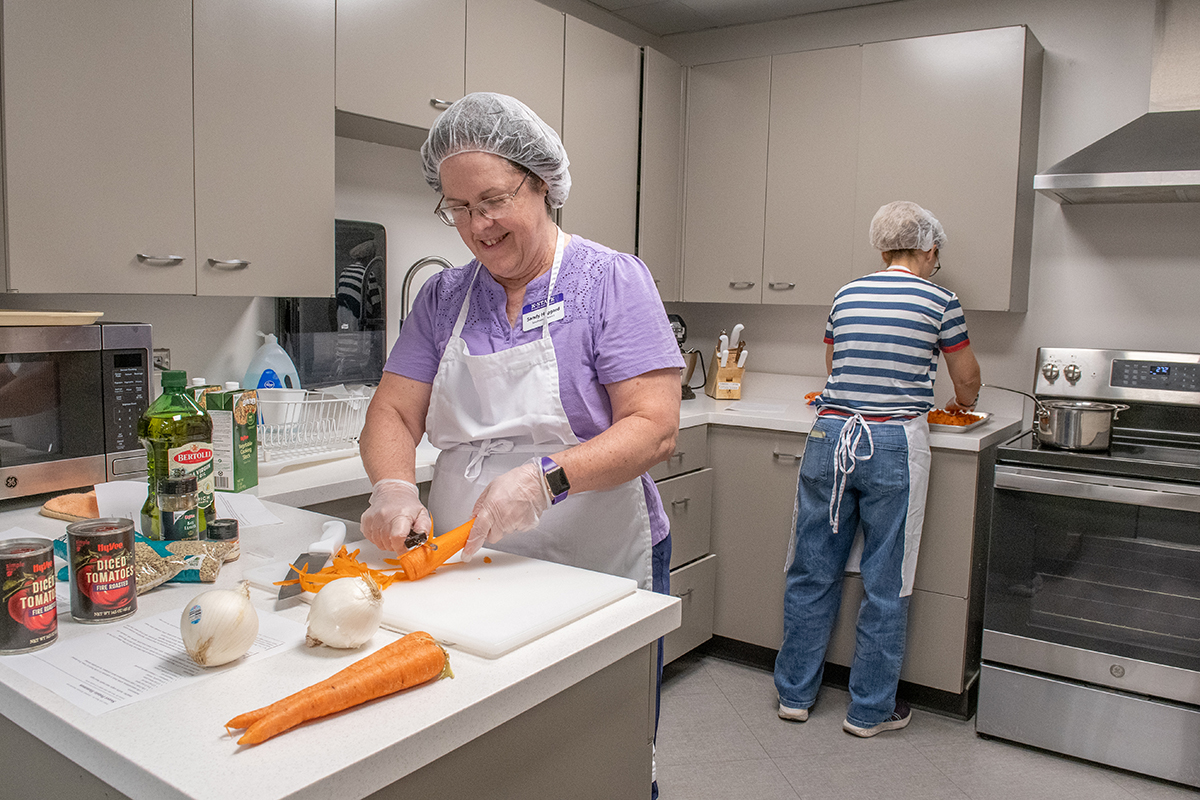
Brenes led the training along with Paola Paez, a teaching associate professor in K-State's School of Health Sciences, and Valentina Trinetta, an associate professor in the School of Health Sciences who specializes in food safety and public health. Four current K-State students were also involved in the two-year grant project, which was funded by the Harold and Letha Reser Family Community Innovation Award from the College of Health and Human Sciences.
"We wanted to do something practical for extension agents to use in their community, but we also wanted to collect data for future projects," Trinetta said.
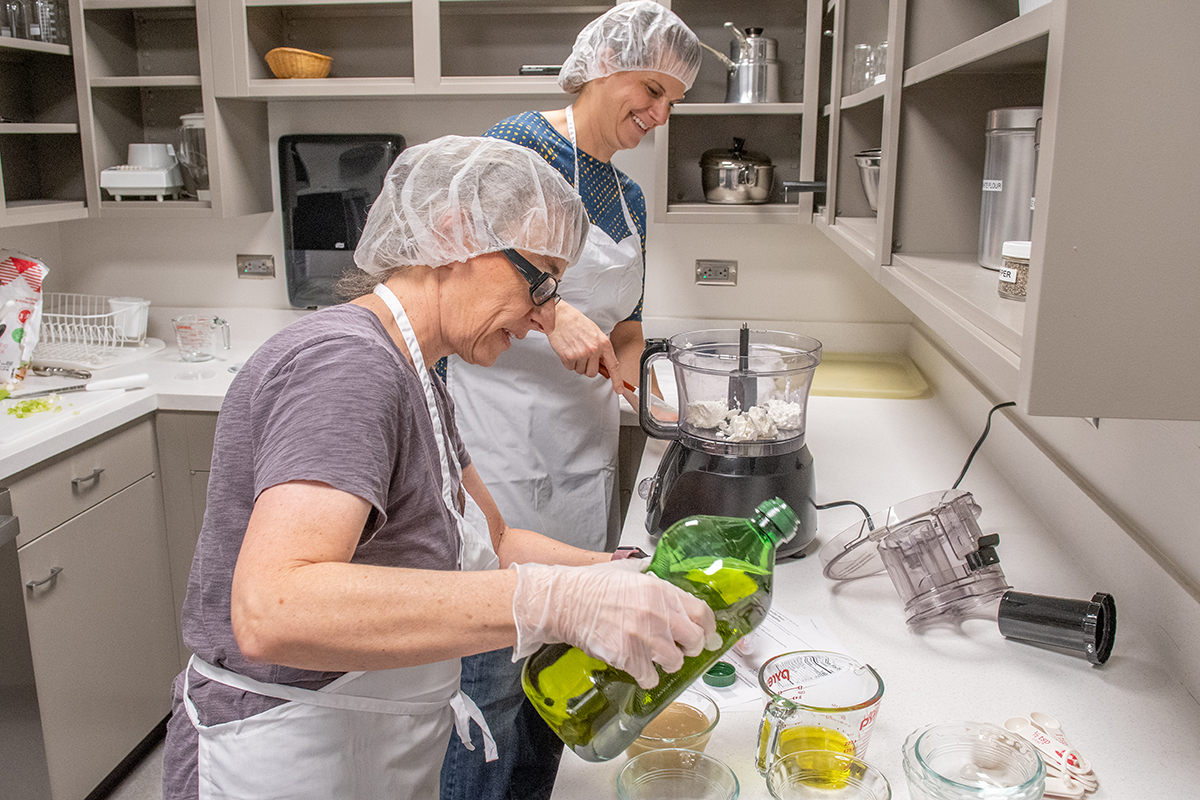
Paez, who teaches the science of food to K-State students, led the extension agents through a session that required them to develop a pair of healthy recipes.
"The main purpose was to expose them to some of the recipes that we included in the curriculum and that they can use in their communities," Paez said. "It made them more familiar with the foods so that if they want to do a cooking demo, for example, they have already been exposed to the recipes and have worked with ingredients that are available in their communities."
"It's a lot of fun, and it's fun to see these extension agents get creative," she added. "They have to think about the resources that they have in their communities and may have to adapt the recipes based on what's available."
Meeting communities where they are
Cindy Snyder, a family and community wellness agent in Comanche County, and Chelsea King, a nutrition, food safety and health agent in Johnson County, were paired up for the kitchen lessons.
"Our closest Wal-Mart is an hour away, and so when we cook meals, we have to plan and be organized ahead of time," Snyder said. "But, you know, I still feel like we can bring nutrition education to our community; we just have to be sure that we bring recipes that include foods that people can get. We have to tweak the lessons a little bit, but it's very doable."
King notes that statistics sometimes don't bear out the challenges she faces in the state's largest county.
For example, Johnson County reports a diabetes rate of 8%, which, in a county of 635,000 people, "is still a very large number."
"And we have large disparities between the wealthy and those who have no resources," King said. "People who have money also still don't know how to cook, and they still have chronic diseases and other issues. That's also the same for those who are low-resourced, so our challenge is to figure out how to tackle both audiences."
By championing training, K-State Extension agents become a valuable resource for delivering a Food for Health message across the state's communities.
"Training keeps us updated on the emerging science, and that's an advantage of being associated with Kansas State University," said Jason Probst, a family and community wellness agent in Reno County. "We get the full force of the research and the brilliant minds here at the university, and an extension program that is capable of deploying that information in a very practical way."
To fully live out its land-grant mission, K‑State has to provide knowledge that can be applied in the state's communities, he said.
"Knowledge that can't be applied isn't useful," Probst said. "Extension agents live in a space where we get to bridge the gap between research and the scientific part of topics, and bring that to the community level where I can teach people the fundamentals of diet and cooking in a way that will improve their lives."
More information on the Food for Health curriculum and other nutrition topics is available at local extension offices in Kansas.
Related Stories
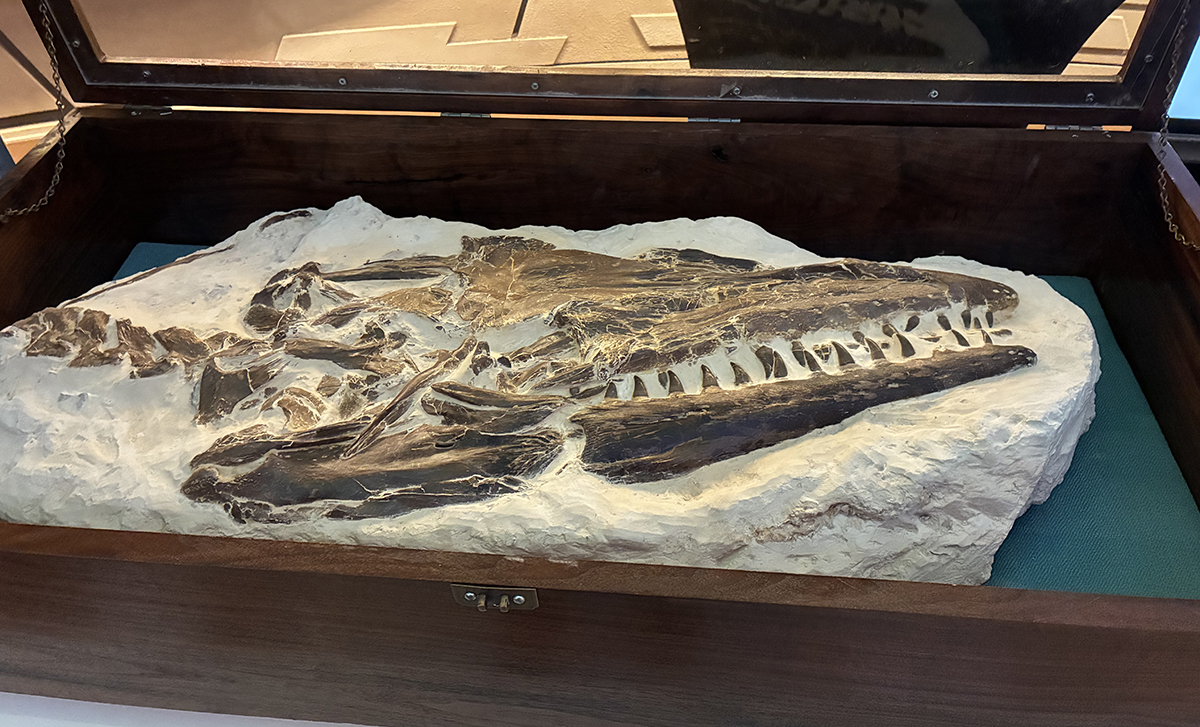
4-Her's rare fossil find highlights Kansas State Fair exhibits
A Kansas 4-H field trip turned into a life-changing paleontological moment for 12-year-old Corbin Bullard when he uncovered the fossil of a Tylosaurus, a marine...
Summit empowers Kansas food entrepreneurs' business growth
Turning a product into a successful business takes more than a great idea. K-State Extension's Kansas Food Business Startup Summit helps entrepreneurs take...
K-State field days connect deep roots of western Kansas research to modern solutions for producers
Upcoming field days in Garden City, Hays and Tribune will bring local community members, producers and agricultural industry partners together with K-State...