People with Purpose: Siny Joseph
To be seen. To be heard. To be supported. For Siny Joseph, these aren't small things —they can change what a person believes is possible.
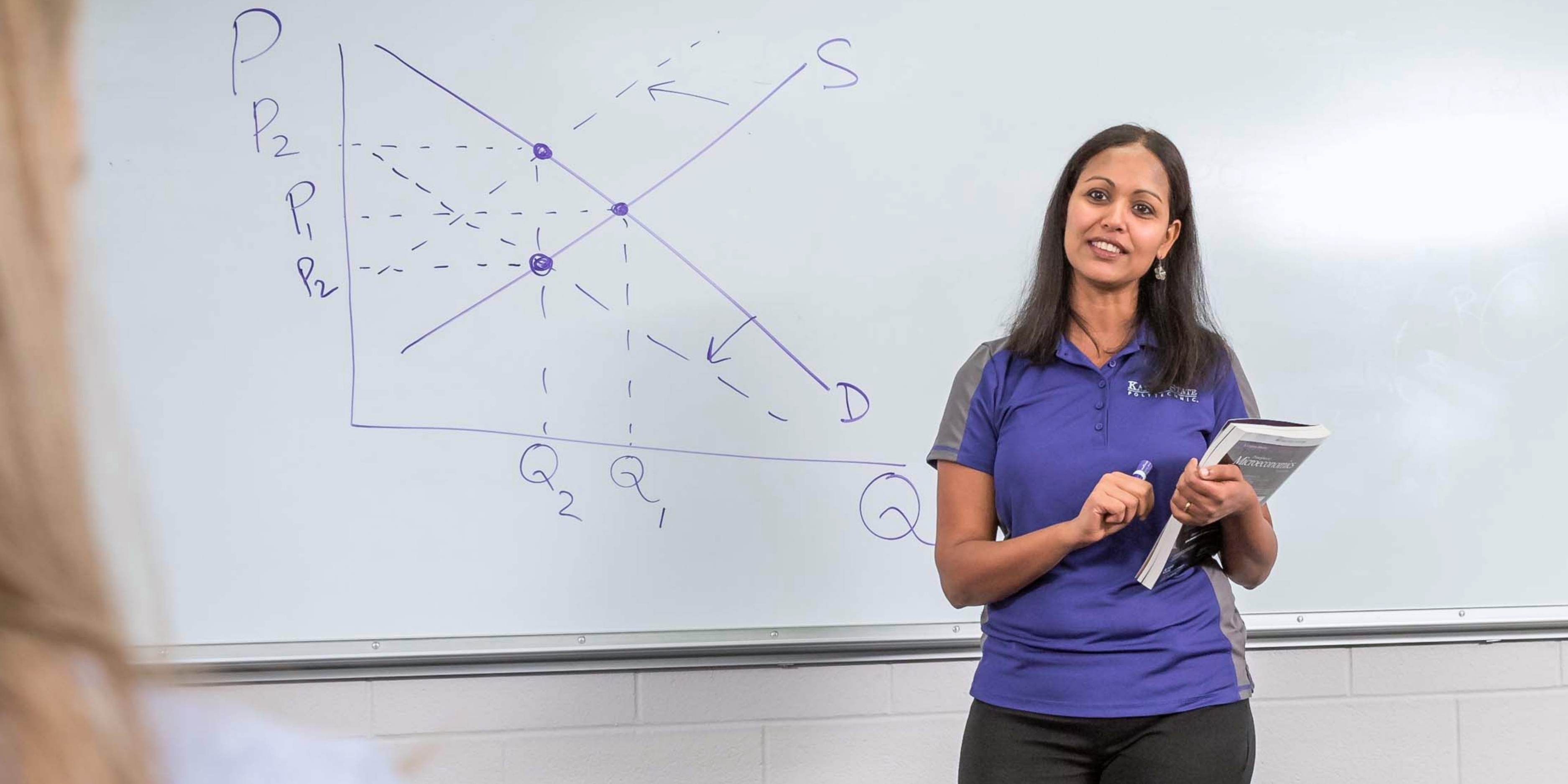
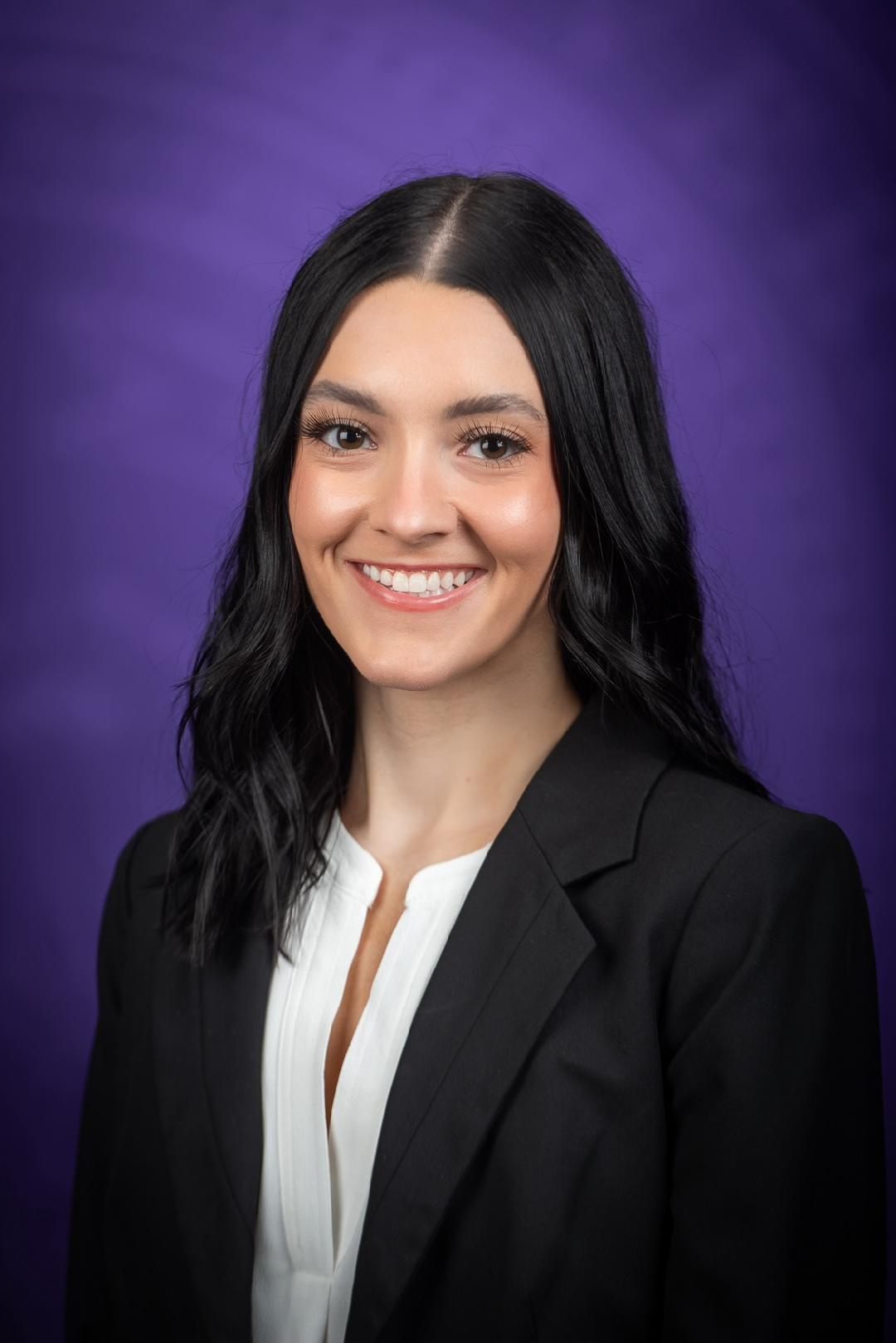
By Abbigail Marshall
Division of Communications and Marketing
Monday, Aug. 24, 2026
Some problems have answers you can calculate. Others require understanding what can't be measured.
That's why Siny Joseph, professor of economics at K-State Salina, focuses her work on one core question: What becomes possible when we listen closely to people's needs and find tangible solutions to address them?
Whether creating a welcoming classroom culture or leading research advancing equity for people with disabilities, Joseph believes real change starts with intentional relationships — finding her purpose in helping people feel seen, supported and empowered to navigate the world around them.
Q: How does your work fit into the larger strategic plan of the university?
Joseph: My work connects most directly with the university's commitment to applied learning, research and innovation.
My research work centers on transformative projects with real potential to change the lives of people with disabilities. Through Mapping for Accessible Built Environments, or MABLE — an AI-powered indoor wayfinding platform supported by the National Science Foundation — I'm helping translate years of research into a product that changes people's everyday lives. Through ongoing conversations with the global assistive technology community, including clinicians, city planners and technology developers, we are working to close the wayfinding gap for people who are blind, visually impaired or have mobility impairments. Every conference presentation, journal publication and partnership with organizations doing this work on the ground raises K-State's profile as a place that does serious, applied work at the intersection of economics, technology and disability.
In the classroom, I'm a strong believer in active, applied learning. Nothing is more rewarding than watching students get excited about a topic and start asking questions that show they're genuinely thinking it through. I structure my courses so that our time together feels productive for both of us, and I carry that same commitment beyond the classroom by studying my own teaching practices and sharing what I learn at conferences with fellow faculty who care about the scholarship of teaching.
Q: What drives you to support students?
Joseph: I'm shaped by my own experience as a student, and by the mentors and professors who invested in me and my career long before I could see where it was leading.
Being an introvert myself, I understand what it means to want to be heard without having to compete for the room. I try hard to make students comfortable enough to speak up in their own way and at their own pace. Parenting two teenage daughters has also given me a closer window into the fears and anxieties young people carry right now, whether it's about the future, belonging or simply keeping up.
All of this keeps me mindful of where students are coming from and what kind of support will genuinely help rather than just check a box. At its core, I think supporting students well means noticing what they need before they have the words to ask for it and consistently showing them that someone is paying attention.
My work asks two questions: what difference can AI-based wayfinding technology make in people's quality of life and ability to work, and what would it take for businesses, hospitals and public spaces that could offer these services to adopt them?
Q: What is a time when a student interaction stayed with you long after the day ended?
Joseph: I had one student who stayed in touch long after graduating, and every conversation still carried the same genuine warmth and respect for the mentorship we'd shared years earlier. They reflected on things I'd said in passing, things I'd almost taken for granted, and told me how much of an impact they'd had on decisions I never knew I was influencing.
The student was reserved, an introvert like me and showed appreciation less through words and more through consistent, quiet actions: checking in, remembering small details, showing up when it counted. It reminded me that the moments we think are small, like a comment in office hours or a bit of encouragement before an exam, can be the ones students carry the longest. That kind of connection —the quiet, cumulative kind — is one of the most meaningful parts of this job for me.
Q: What is your leadership style? How does that contribute to success in your role?
Joseph: My leadership style centers on empowering people, listening and staying transparent; valuing diverse perspectives, backgrounds and experiences. I take responsibility, believe in accountability and stay focused on getting work done, even when that means having uncomfortable conversations.
This philosophy is something I rely on daily while leading interdisciplinary teams bringing together economists, engineers and clinicians. I've come to believe that diversity of thought is what makes research and teams stronger. I try to notice and care about the details that often go unnoticed but end up mattering most to a project's success. I also try to lead by trusting people with real ownership rather than managing every step, because people tend to rise to the level of trust they're given.
Ultimately, my success in this role comes down to being empathetic, genuine, disciplined, and earning people's confidence in my work ethic and word. When a team shares a sense of purpose and trusts each other's intent and capability, that's when things get done.
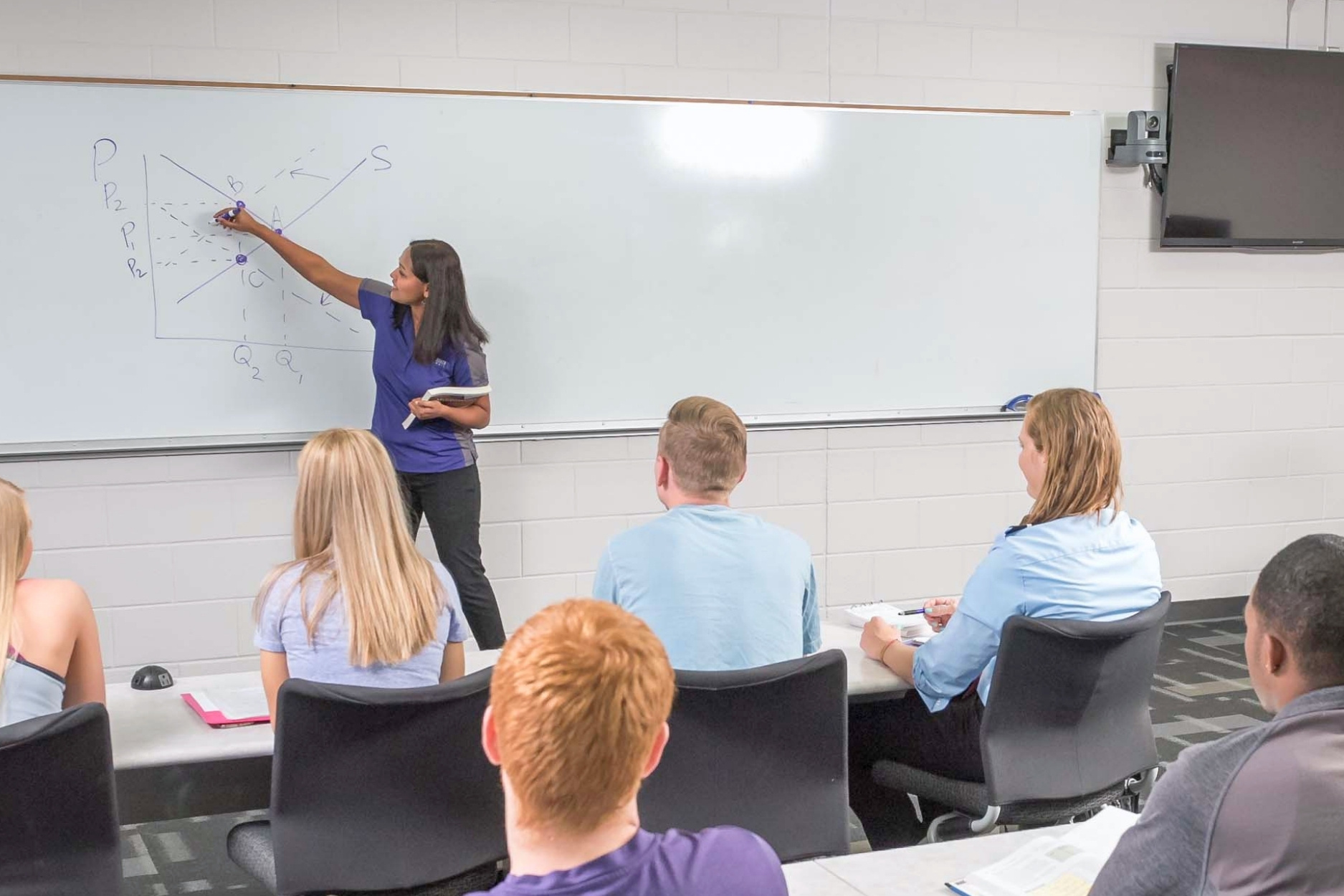
“I think supporting students well means noticing what they need before they have the words to ask for it and consistently showing them that someone is paying attention.”
Siny Joseph
Q: Besides a degree, what's one thing every K-State student should take away from their time on campus?
Joseph: The confidence to adapt when circumstances change, and to meet challenges head-on rather than find a way around them. Equally important is the ability to hold on to genuine friendships, because relationships and memories are what people carry with them long after the coursework fades. A degree gets you in the door — resilience and relationships are what carry you through everything that comes after.
Q: How does your work transform lives in Kansas and around the world?
Joseph: Getting lost in an unfamiliar space is stressful for anyone; for someone with a disability, it can mean real anxiety and a loss of confidence and independence. My work asks two questions: what difference can AI-based wayfinding technology make in people's quality of life and ability to work, and what would it take for businesses, hospitals and public spaces to adopt these services?
That question sits at the center of MABLE. We're working to move that research out of academic journals and into a tool people can actually use, in partnership with organizations on the ground who see this gap firsthand and are invested in closing it.
Development and adoption of technologies ripple well beyond any one person's daily walk through a building. It has implications for the economy, for policy and for how we think about inclusion. It isn't a niche issue, either: disability is something every one of us will be touched by in some form, whether through our own experience or someone we love. My work is one contribution to a much larger, global effort to build a more navigable world for that group of people, which is really all of us.
Related Stories
People with Purpose: Kevin Santos Flores
Through his role as director of student engagement and belonging, Kevin Santos-Flores works to cultivate a community of connection and collaboration.
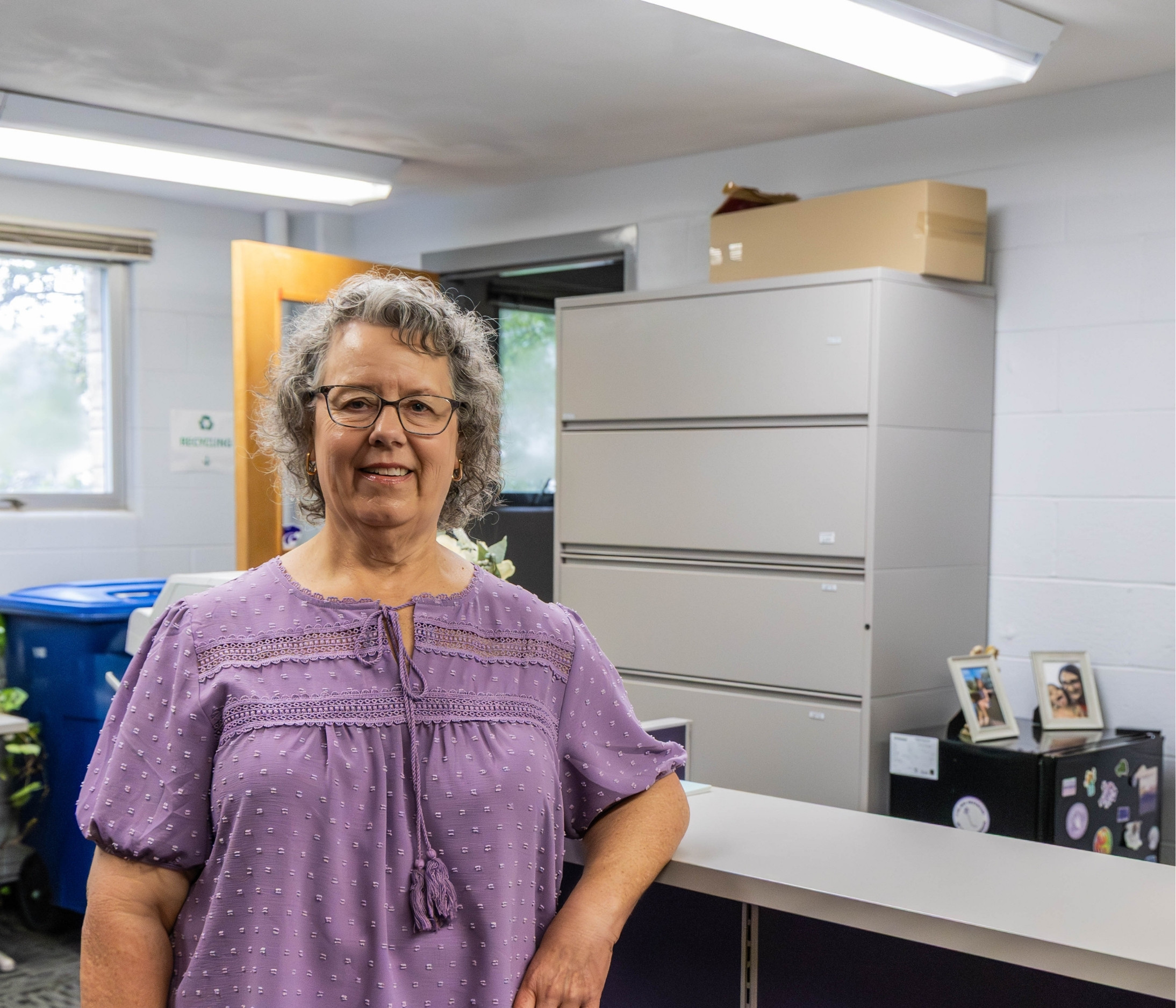
People with Purpose: Kim Coy
For Kim Coy, supporting students goes far beyond the classroom. Through thoughtful gestures, meaningful connections and a commitment to making every visitor...
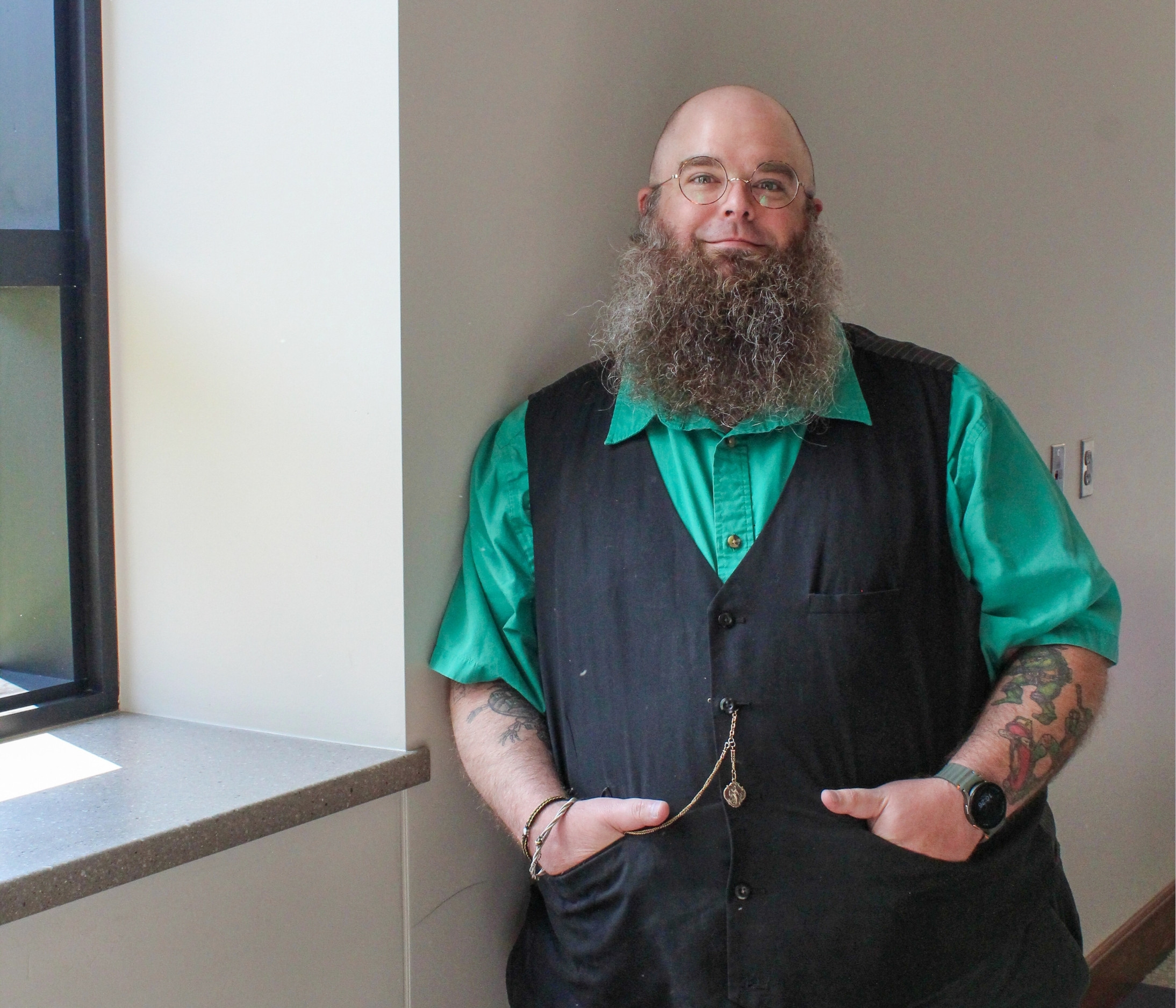
People with Purpose: Rob Sanders
Through guidance, encouragement and practical support, Rob Sanders is a trusted career-readiness resource for students.