Outstanding K-State graduate researchers recognized for advancing discovery in human health and agricultural pest management

By Julia Hall
Graduate School
Wednesday, July 1, 2026
Three Kansas State University doctoral students are pushing the boundaries of science and innovation. From new strategies to fight antibiotic-resistant disease to insect biology that could reshape agriculture and a cellular marker that could sharpen cancer care, each project reflects the bold, cross-disciplinary discovery K-State’s graduate students are working on every day.
They have been recognized for outstanding research and scholarship with this year’s Alvin and RosaLee Sarachek awards.
Prabhu Joshi, a doctoral candidate in pathobiology from Nepal, was awarded the $19,000 Alvin and RosaLee Sarachek Predoctoral Honors Fellowship in Molecular Biology. Festus Ajibefun, a doctoral candidate in entomology from Nigeria, and Grant Brooke, a doctoral candidate in microbiology from Topeka, each received a $1,500 Sarachek Scientific Travel Award.
Alvin and RosaLee Sarachek, Wichita, established the fellowship and travel awards to recognize graduate students enrolled in a doctoral program at K-State who have demonstrated exceptional research and scholastic accomplishments. A selection committee composed of interdisciplinary graduate faculty determines the fellowship and award recipients. The awards program is offered through the university's Graduate School.
Alvin Sarachek received his doctorate in genetics from K-State in 1957. He and his wife, RosaLee Sarachek, valued the university's tradition of offering a broad array of high-quality life sciences programs, many with outstanding national reputations. The Saracheks created the fellowship and travel awards to contribute to the tradition of excellence by recognizing students who have demonstrated exceptional research accomplishments involving molecular approaches to biological problems.
Learn more about this year’s recipients.
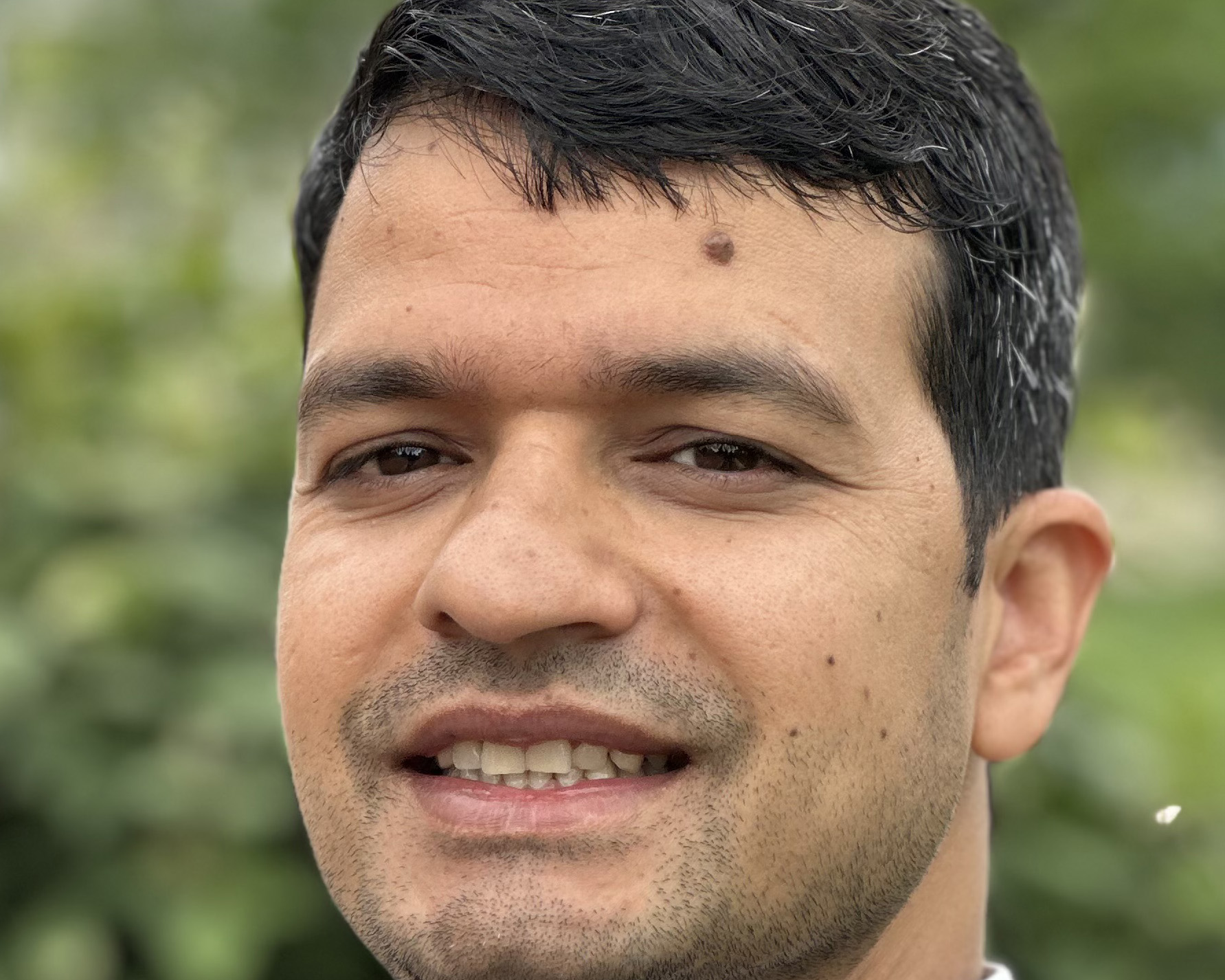

Prabhu Joshi
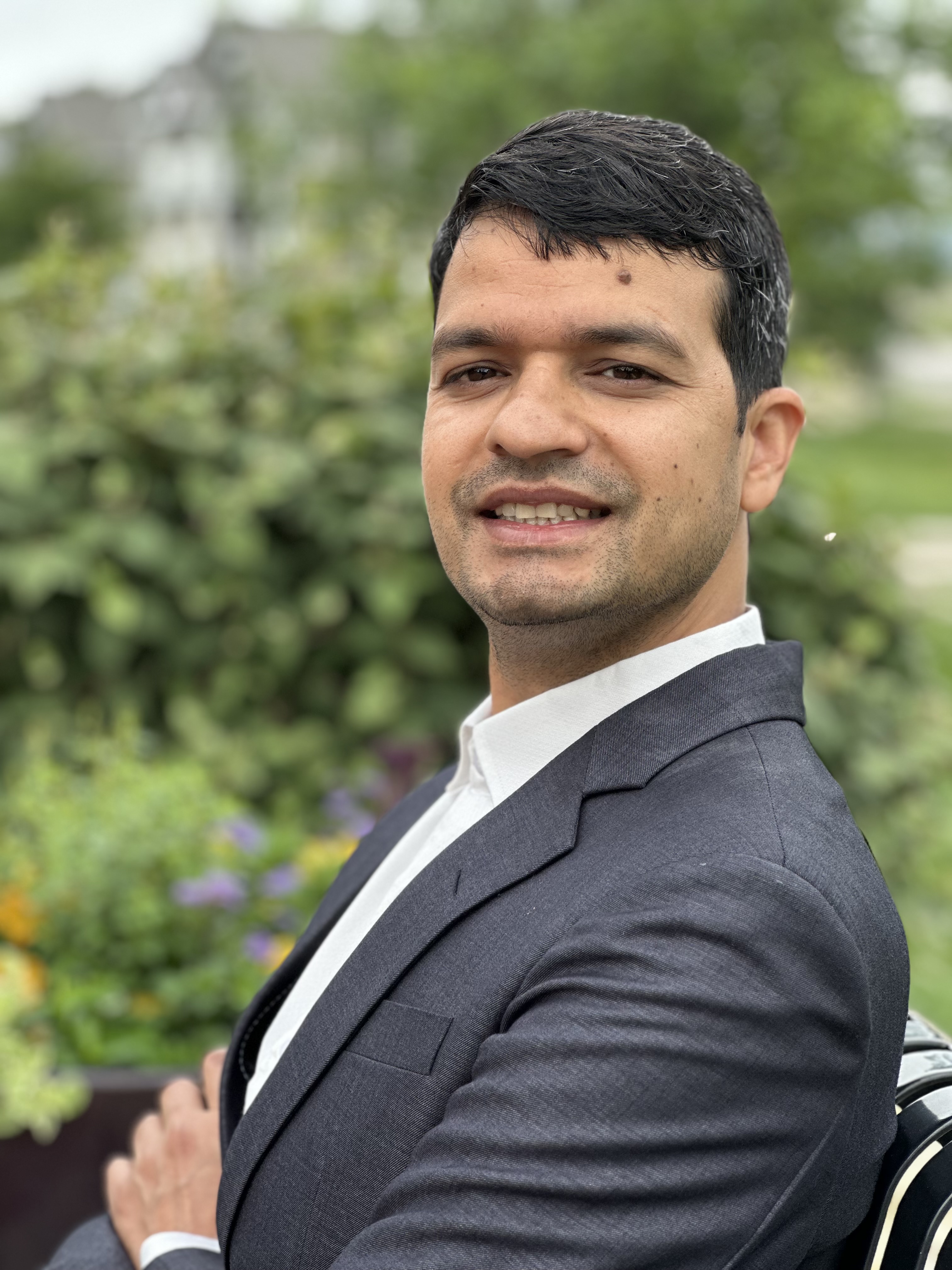 Joshi was drawn to the field of neuroimmunology from a fascination of how different biological systems communicate to protect the body.
“As I learned about the emerging field of neuroimmunology, I became intrigued by the idea that the nervous system could directly shape immune response during infection,” Joshi said.
Joshi’s research aims to uncover new therapeutic strategies that enhance host defense when conventional antibiotics are no longer effective. Specifically, Joshi studies how communication between the nervous and immune systems influences the body’s ability to fight antibiotic-resistant pneumonia and prevent life-threatening sepsis.
Antibiotic-resistant bacterial pneumonia is a growing global health challenge. With the guidance of major professor Pankaj Baral, an associate professor of diagnostic medicine and pathobiology, Joshi has discovered that specific neural pathways can either worsen or improve immune protection depending on the type of bacterial infection.
“I hope these findings will help advance a new generation of therapies that work alongside antibiotics by strengthening the body’s natural immune responses, ultimately improving outcomes for patients with severe lung infections and sepsis,” Joshi said. This discovery highlights the importance of the nervous system in regulating the host's defense against infection.
Joshi will use the Alvin and RosaLee Sarachek Predoctoral Honors Fellowship to support his transition into postdoctoral research. The funds will also support grant-writing workshops for fellowship applications, including the NIH Pathway to Independence Award. Additionally, the fellowship will support preliminary data collection for Joshi’s future research projects, laying the foundation for an independent research program at the intersection of immunology, microbiology and neuroscience.
Festus Ajibefun
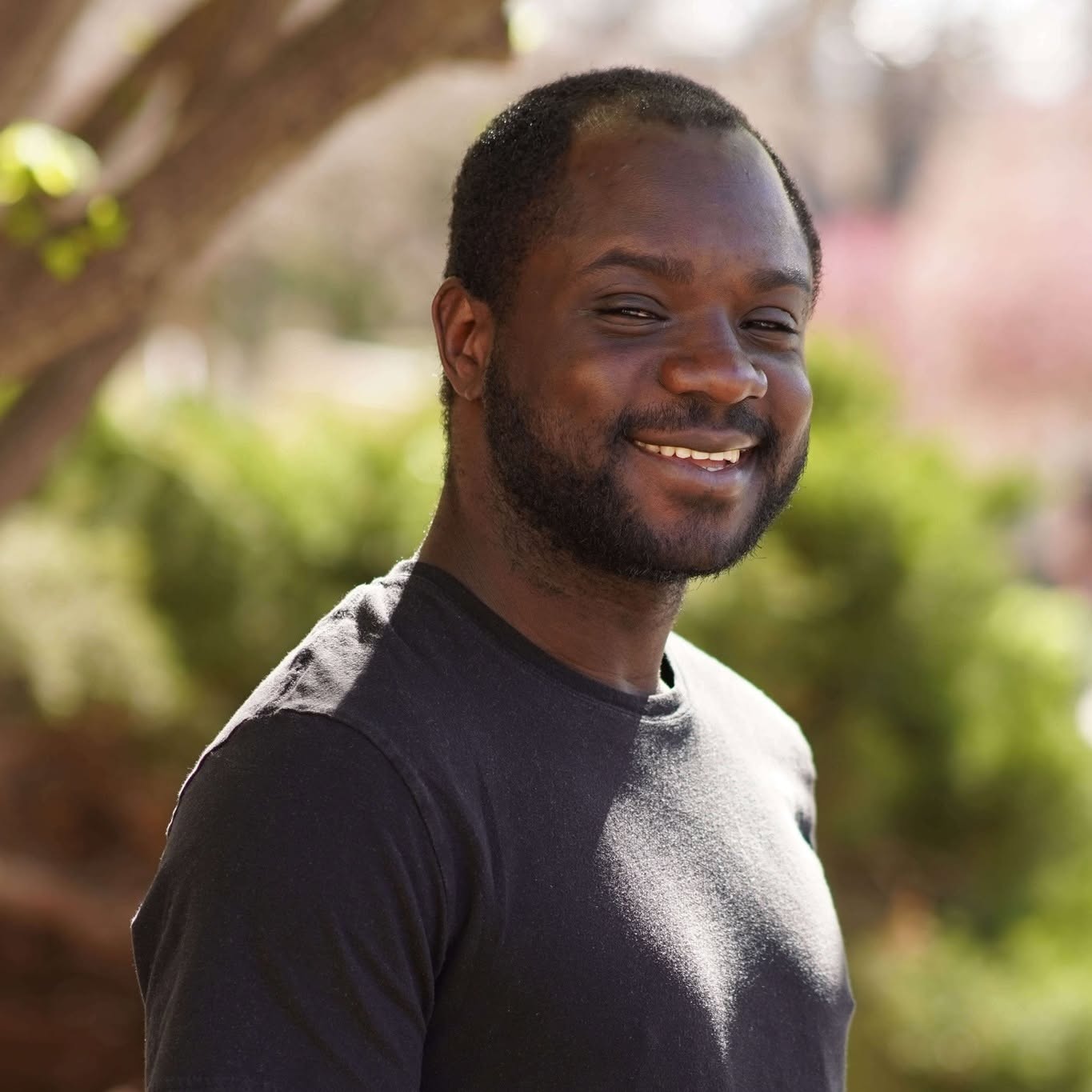 Ajibefun studies extracellular vesicles, which are naturally released by cells, and how they contribute to the movement of RNA interference, or RNAi, signals in insects. RNAi is a promising technology for controlling agricultural pests while reducing reliance on conventional chemical insecticides. Using the Southern Corn Rootworm as a model system, Ajibefun is studying how these vesicles transport gene-silencing molecules between cells and exploring their potential role in improving RNAi-based pest management strategies.
“I have always been fascinated by the interactions between insects and the molecular mechanisms that can be used to manage them,” Ajibefun said. “By improving our understanding of how RNAi signals are transported and distributed within insects, this research may help overcome barriers that currently limit the effectiveness of RNAi in some pest species.”
This largely unexplored area of insect biology could lead to significant developments of more sustainable and environmentally responsible approaches for agriculture and crop protection.
Ajibefun will use the Sarachek Travel Award funds to participate in the annual Entomological Society of America meeting, where he will present his work, build his professional network and receive valuable feedback to strengthen his dissertation. Ajibefun’s major professor is Kristopher Silver, associate professor of entomology.
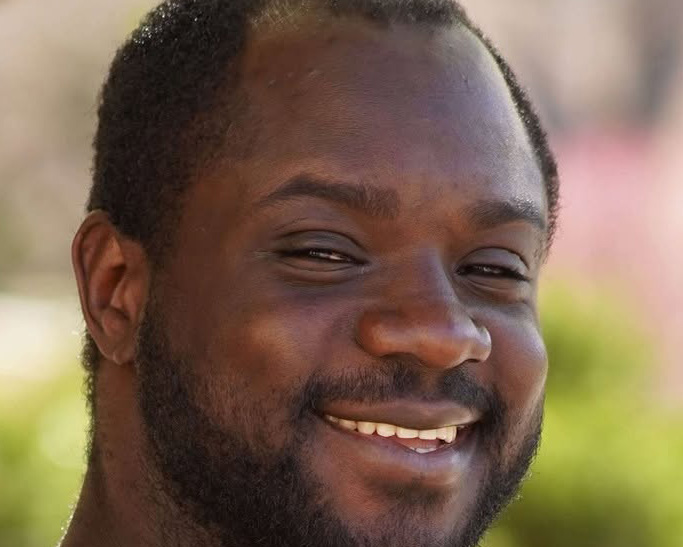
Grant Brooke
 Brooke’s research focuses on improving the screening and treatment of cervical cancer. Due to current screening approaches, doctors can’t reliably distinguish high-risk patients from low-risk patients. As a result, three women undergo invasive treatment for every one woman who truly needs it.
Brooke was inspired to pursue cancer research in part due to the treatment and care both his mother and grandmother received while they experienced battles with cancer.
“Had there not been researchers dedicating their lives to improving the prevention and treatment of cancer, it is very likely I would not have memories of either of them,” Brooke said.
Luckily, thanks to the dedication of researchers, Brooke's mother is still with him, and his grandmother was in his life for 20 years.
Guided in his research by major professor Katsura Asano, professor of biology, Brooke has identified a cellular marker that could help guide more precise treatment decisions and is currently examining drugs that target this and other known markers.
“My hope is that this research will improve patient outcomes and reduce the global burden of cervical cancer,” Brooke said.
The Sarachek Travel Award Funds will allow Brooke to attend the Translational Control meeting at Cold Spring Harbor Laboratory. Brooke will be able to engage with leading experts from around the world and receive valuable feedback on his research as he completes his doctorate.