What changes when the data gets personal
Chanh Bao Lam is asking more useful questions about teacher retention: What works for this school, this community and these teachers?
By Emily Boragine
K-State News and Communication Services
Friday, May 1, 2026
A statewide conversation about teacher retention often starts with numbers. How many teachers are leaving? Where are shortages growing? Which districts are feeling it the most?
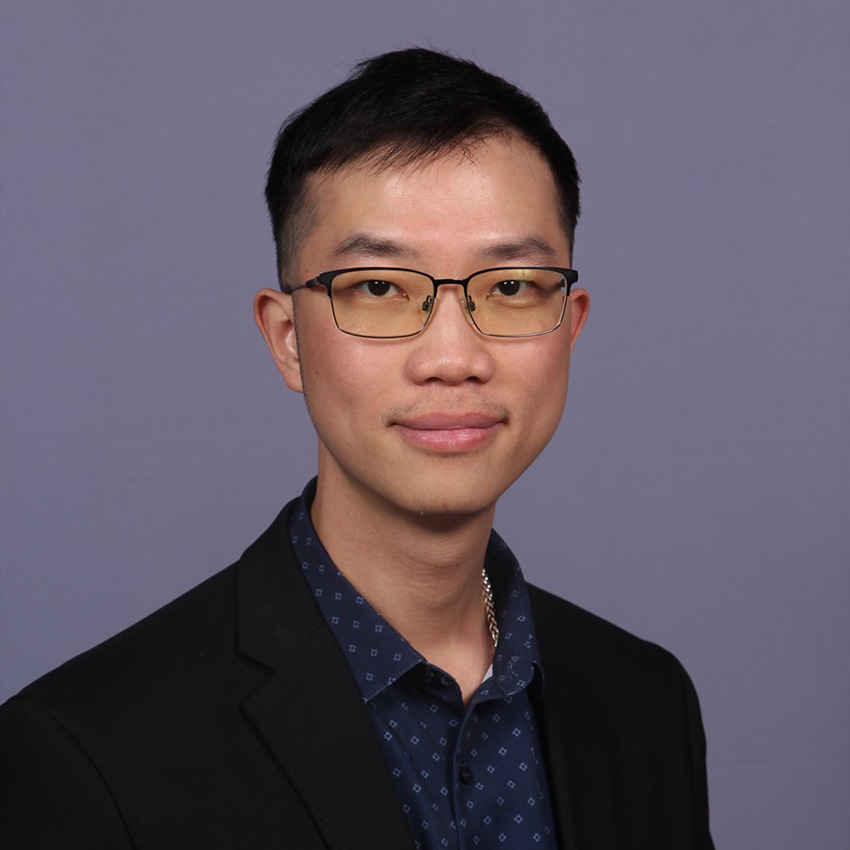 For Chanh Bao Lam, a data analyst in Kansas State University's College of Education, those numbers matter. They just aren't the whole story.
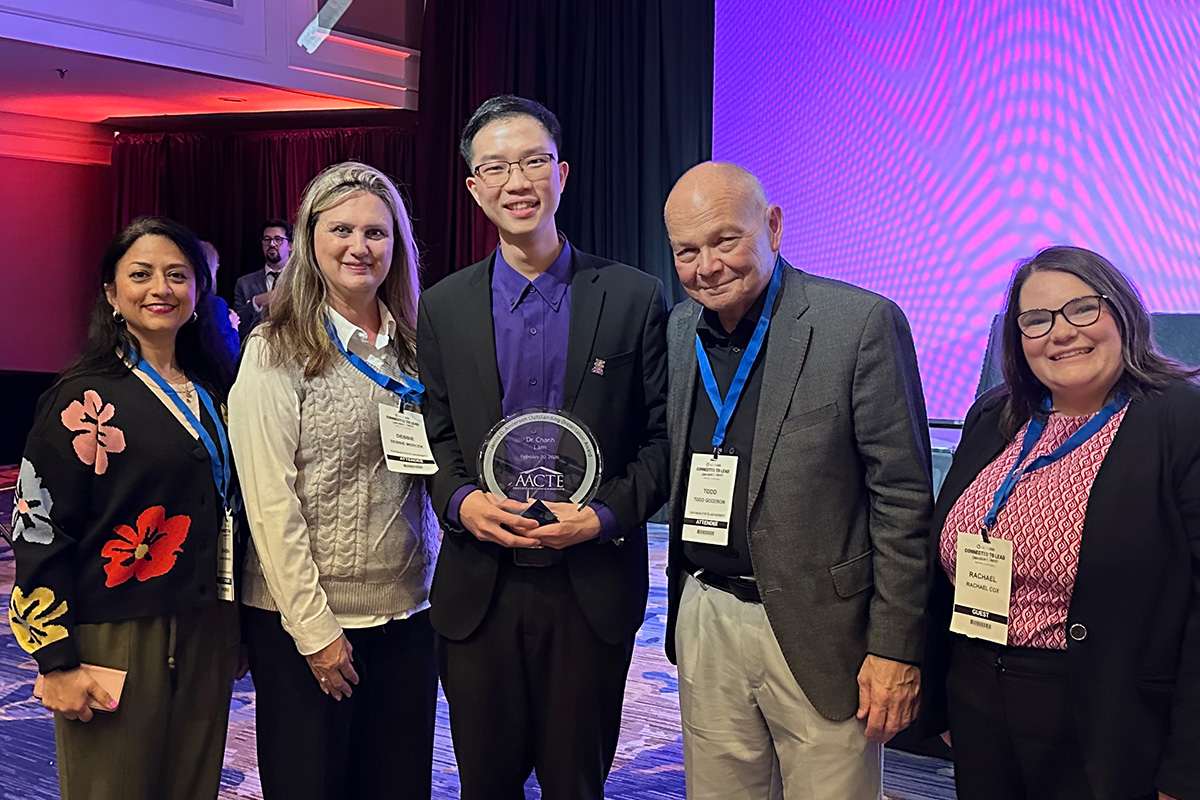
His dissertation, completed in spring 2025 and recently awarded the 2026 AACTE James D. Anderson Outstanding Dissertation Award, examines 15 years of Kansas teacher workforce data. Over time, a clearer picture begins to take shape. Not just one trend, not just one experience, but a range shaped by place, school conditions and the communities that surround them.
"My interest in this topic comes from a broader mission: ensuring every P-12 student has equitable access to diverse, qualified and sustained educators," Lam said.
Kansas is not one story
From the perspective of an outsider, Kansas' struggles can feel uniform or typical. Lam's research is forcing people to take a closer look.
The state includes geographically isolated rural communities alongside historically industrialized urban regions. Local economies vary, and so do the services and resources available to schools and families. Those differences show up in the data, especially when looking at why teachers stay, move or leave.
During the past 15 years, teachers in Kansas turned over at an average annual rate of 16.2%. Some moved within districts or to new ones, while others left the state's public school system entirely.
Patterns shift depending on context, Lam said. Teachers in city schools are more likely to leave. Turnover is higher in schools serving larger percentages of students eligible for free or reduced-price lunch. STEM and SPED/ESOL teachers are also more likely to turn over than many of their peers.
Sherri Martinie, professor of secondary mathematics education, said the research "fills a critical geographic gap in the literature and offers insights that challenge national trends."
Looking past the numbers
“One moment that stood out to me was seeing how substantially educator experiences vary across contexts,” Lam said. "There are opportunities and challenges in the educator workforce, but they are often obscured from a general perspective."
That realization changed the way he framed the work.
"Findings from this work, as well as from related studies, broaden the question from 'what can we do?' to 'what can we do for this school, in this context, with these teachers?'" Lam said.
It is a shift toward something more specific and practical for the state of Kansas.
His hope is that the research can help guide decisions in ways that reflect the realities schools are working within, supporting students, educators and school systems across Kansas and beyond.
Research that meets reality
Lam said his time at K-State shaped that critical perspective. Support from faculty mentors, colleagues and access to long-term data made it possible to look beyond trends and focus on what those patterns mean in practice.
"Teacher recruitment and retention are among the most urgent challenges facing education today, and K-State is committed to leading that conversation with rigorous, actionable research," said Debbie Mercer, dean of the College of Education. "Dr. Lam's nationally recognized work demonstrates how data-driven scholarship rooted in real-world contexts can inform decision-makers, strengthen preparation programs, and support the long-term stability of the educator workforce in rural, urban and suburban communities."
Related Stories
The heart behind the classroom
In her Spanish classroom at Kansas State University, graduate student teacher María Camila Ramírez Quimbayo goes beyond grammar, guiding students through...
From the ground up
Chelsy Champlin is a passionate educator who has built her career in rural schools across southeast Kansas. Now in the third year of the master's program in...
The power of place
A newly renovated outdoor space between Justin and Bluemont halls offers hammocks, picnic tables and a place for K-State students to relax, study and connect....