From the ground up
K-State graduate student is growing agriculture education in rural communities
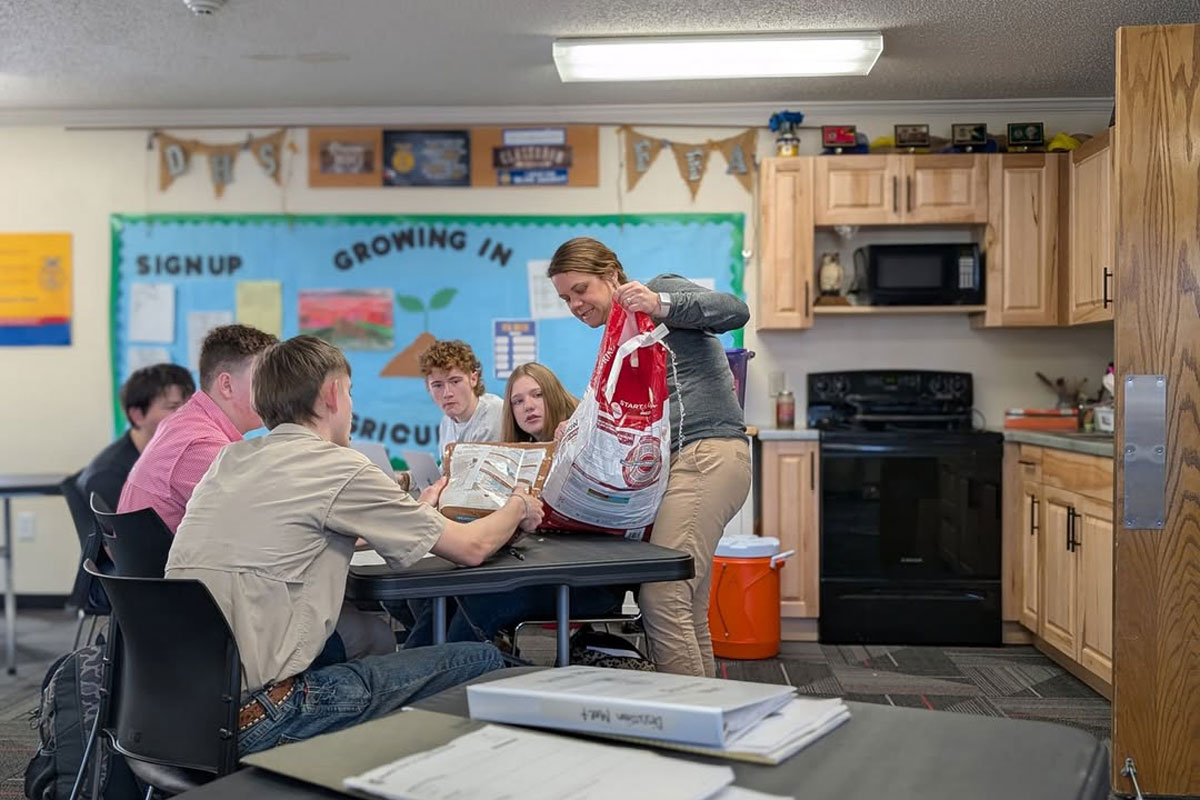
Chelsy Champlin, a graduate student in K-State's online master's program in agricultural education and teacher at Dexter High School, gives a lesson to a table of students.

By Kelsy Sproul
Rural Education Center
Friday, April 10, 2026
For Chelsy Champlin, teaching agriculture in rural Kansas is not a steppingstone — it is a calling.
Champlin has built her 13-year teaching career in small rural schools across southeast Kansas following her graduation from Kansas State University's agricultural education program. She is a passionate educator who believes in her rural students and the communities they call home.
Now in the third year of the online master's program in agricultural education at K-State, she continues to seek new ways to inspire the next generation and deliver impactful lessons.
With innovative classroom programming and hands-on learning, Champlin is growing agricultural education in rural communities from the ground up, spreading her passion for agriculture to students who are in the perfect place to experience its powerful effects.
"I love seeing how interested students are to learn about where their food comes from, and the sense of pride it gives them to see something through from start to finish," Champlin said.
A change in paths leads to finding a passion
Champlin didn't always plan to become an agriculture teacher. She started her college career in agribusiness, knowing she wanted to stay connected to agriculture but unsure of her path.
That changed during her freshman year at K-State, when her parents were forced to sell their dairy farm as development pressure grew in the Kansas City area.
"That was a big eye opener for me," Champlin said. "It changed how I viewed agriculture and the importance of helping people understand it."
Spurred by this personal experience, she changed her major to agricultural education and was determined to become an advocate for production agriculture and the communities that are affected by it.
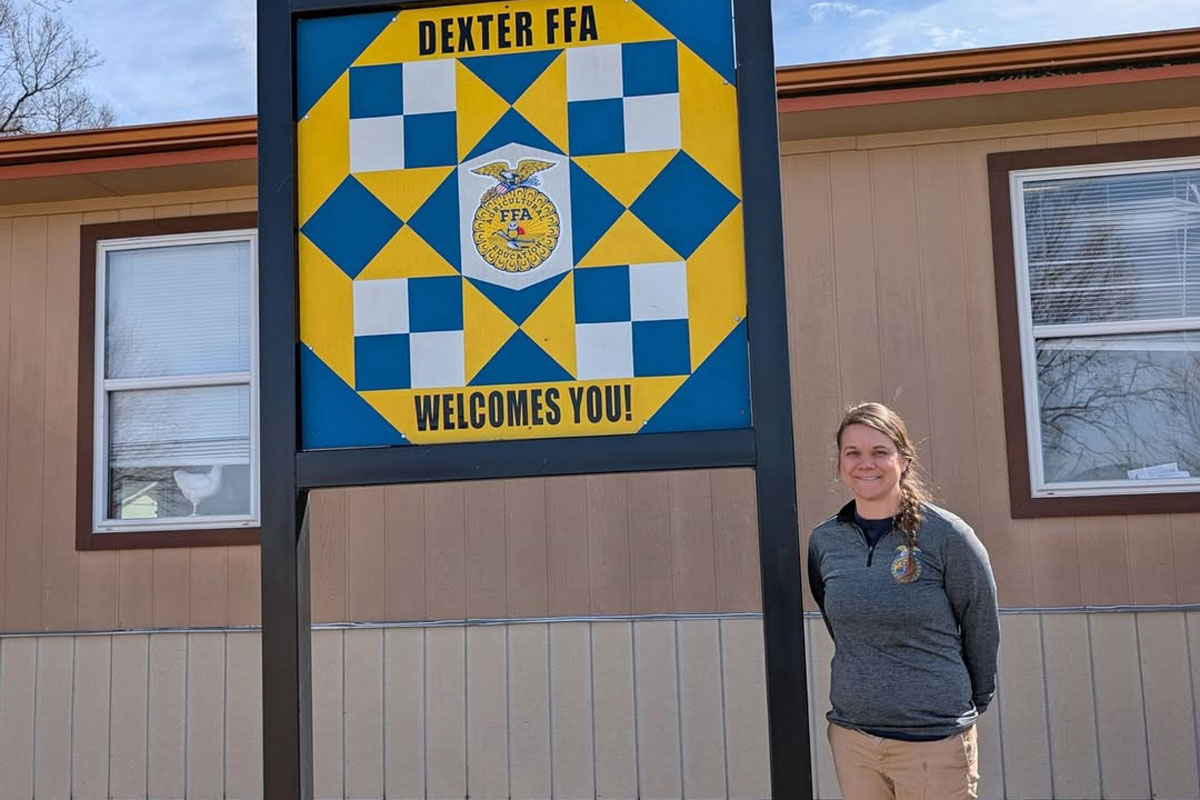 After completing her degree in agricultural education with a minor in leadership studies, Champlin began her career in Sedan, Kansas, teaching agricultural education for four years.
After a move to Cedar Vale in southeast Kansas, Champlin began teaching at Dexter High School in rural Cowley County, where she has taught agricultural education for seven years.
Champlin has worked diligently to build the Dexter Agricultural Education and FFA program from the ground up. The chapter earned a 3-Star National Chapter recognition, the highest award, at the National FFA Convention this past year. The award is given to chapters that focus on growing leaders, building communities and strengthening agriculture.
"Agriculture is my true passion — I don't see myself in any other teaching field," she said. "I love preparing students not only to enter the ag industry but, more importantly, to be educated consumers.
"I'm doing what I can to preserve our food supply and way of life for years to come."
Training the trainers
Champlin's commitment to teaching in hands-on, meaningful ways earned her recognition as the only Kansas recipient of the 2026 Grants in Place Award from the Rural Schools Collaborative.
Partnering with K-State's Rural Education Center, which serves as the regional hub for the Rural Schools Collaborative, the program supports rural education in implementing place-based projects in their communities.
The partnership connects Kansas educators like Champlin to a national network of rural schools, higher education institutions and organizations focused on rural teaching and learning. The Rural Education Center focuses its efforts on improving the education of children and youth in rural and small schools in Kansas, helping fulfill the university's land-grant mission.
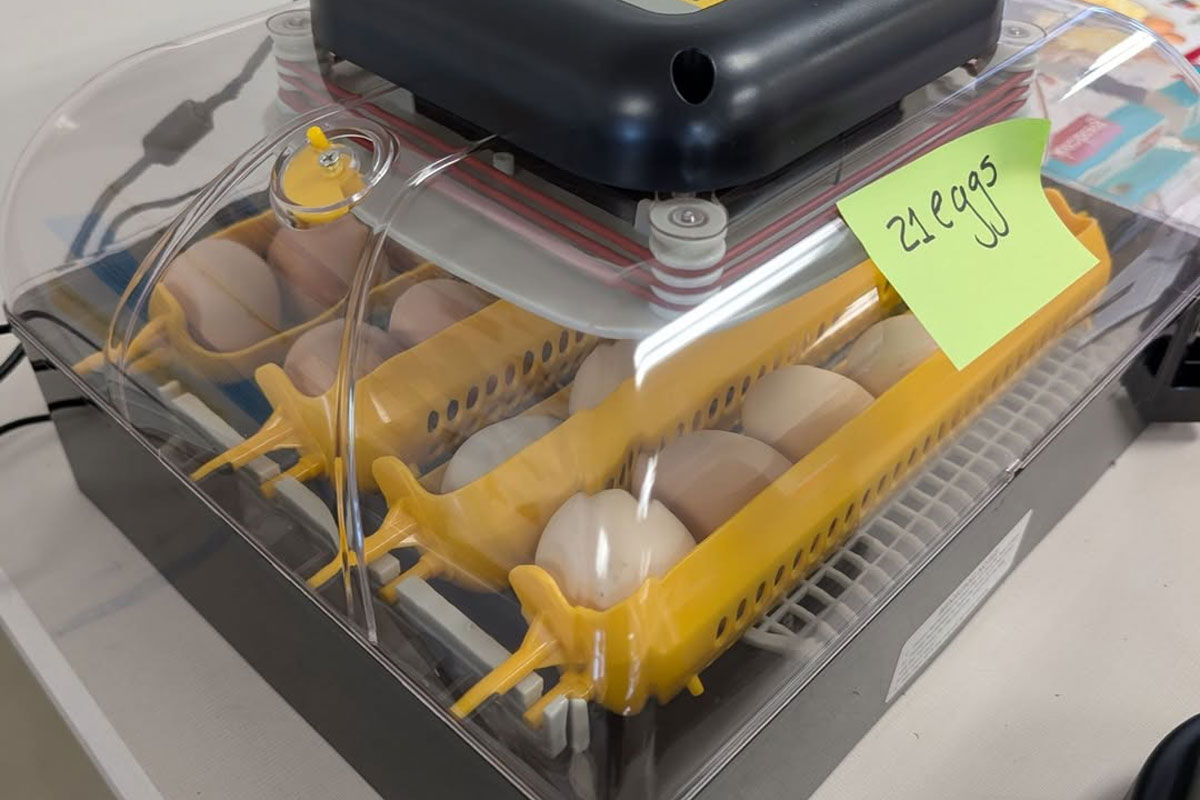
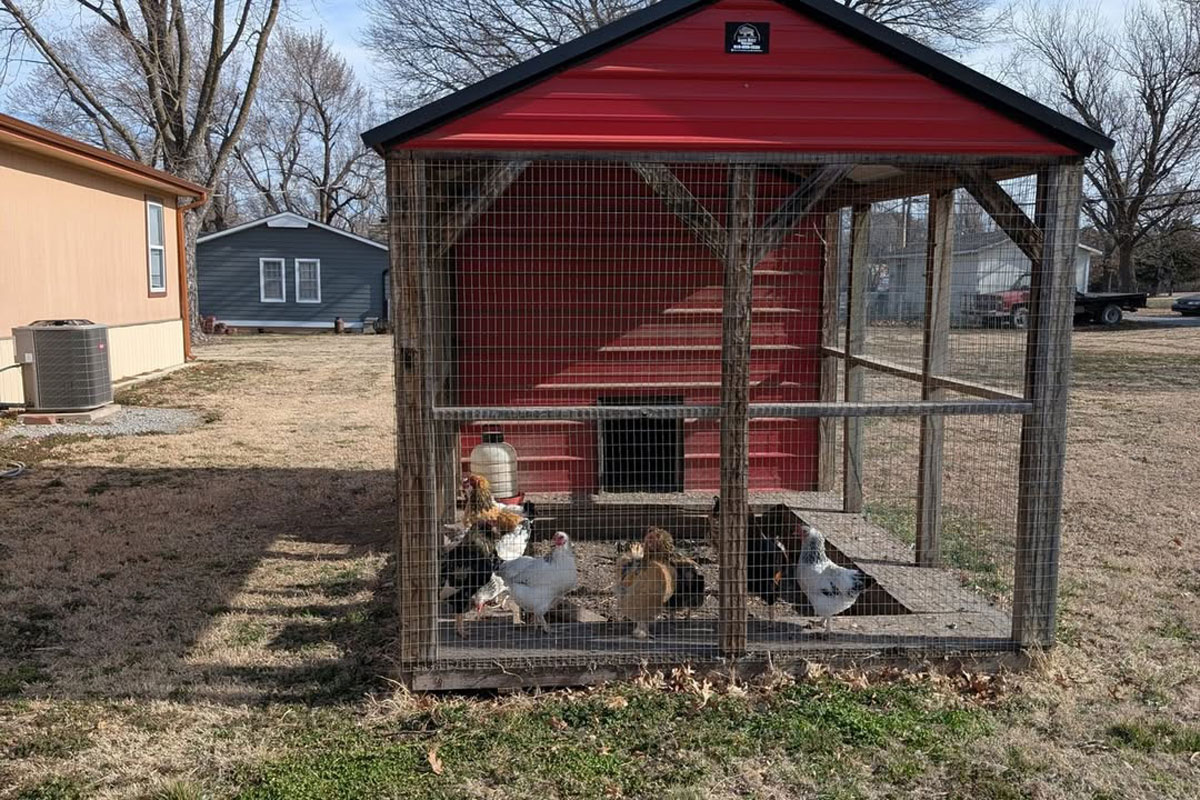
The opportunity allowed Champlin to develop the Chick Incubator and Brooder Project, which connects students directly to their local agricultural environment, community and ecosystem.
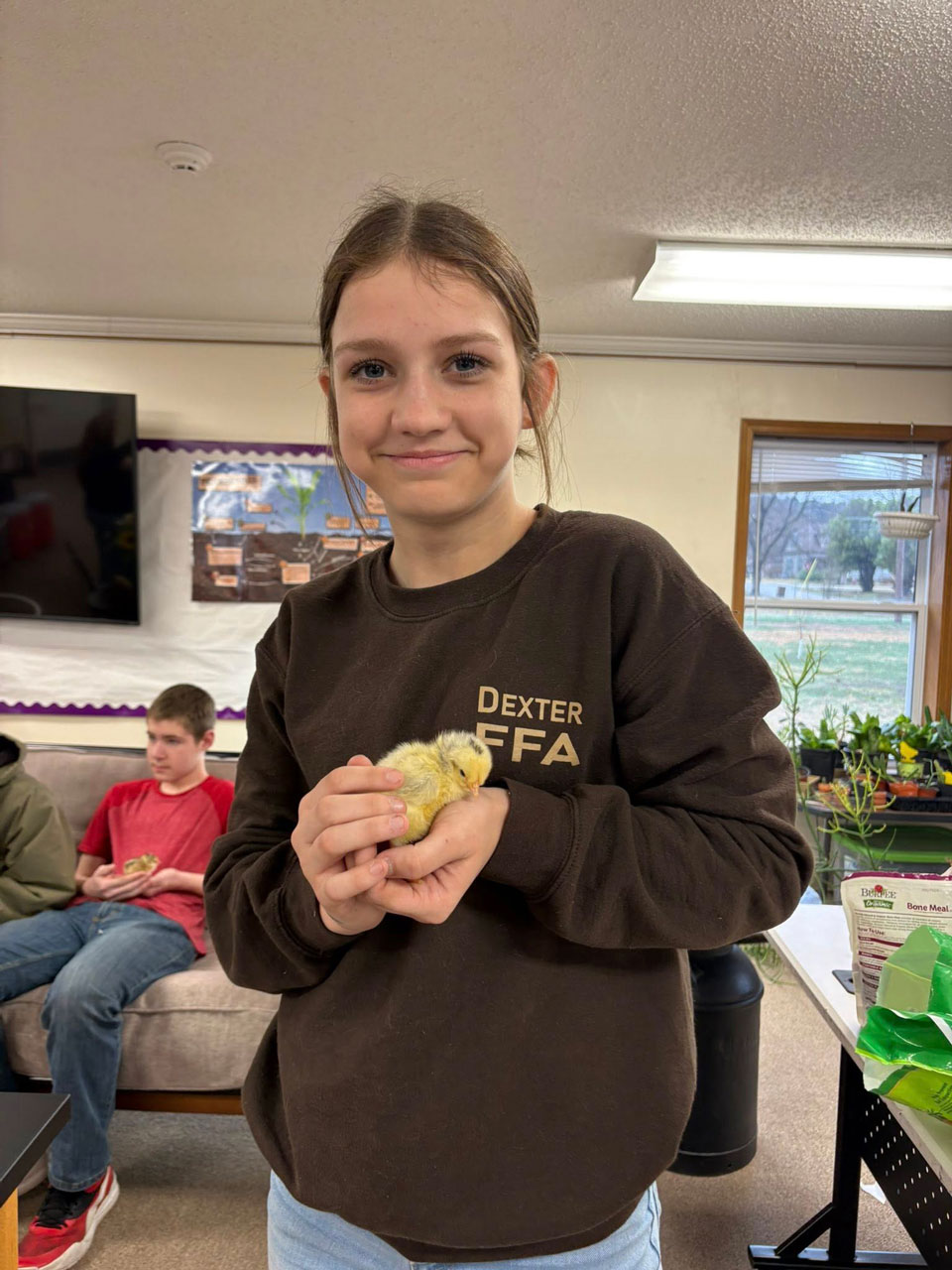
During the hands-on project, students observe chick development by candling eggs and documenting embryonic growth. They watch the chicks hatch in the classroom and raise them until they are ready for processing, creating a true farm-to-fork experience. Students also explore where food comes from by studying local poultry production and the role of small-scale animal agriculture in their region's economy.
By maintaining the incubator and brooder, they apply classroom concepts from biology, environmental science and animal science to a real-world setting, Champlin said.
Through the process of hatching chicks, students can study life cycles, animal welfare, sustainable agriculture and the importance of small-scale poultry production to the local economy. The project is an example of place-based education: the students learn by doing — and by teaching others.
"I train the trainers," Champlin said. "I want my students to learn by doing and then teach younger students what they've learned. The most rewarding part of this project has been watching students take pride in seeing the project through, from farm to fork."
Continuing educational excellence, supporting rural student success
As the trainer of trainers, Champlin recognizes the importance of being a student and continuing to receive high-quality training. Her graduate coursework at K-State is a vital part of her journey.
"I love that I am able to complete my master's while teaching and being a mom," Champlin said. "The agricultural education advisors are so knowledgeable and have been great at helping me find the right course load."
As she looks to the future after graduation, Champlin hopes to make the greatest impact in rural education by continuing to serve students through a high-quality agricultural education program that prepares students to be agricultural leaders in rural communities.
She plans to continue to grow the quality of curriculum, learning and sustainable agriculture infrastructure to support rural student success.
"My goal is to create meaningful learning experiences that prepare students for careers in agriculture, encourage leadership development and strengthen the future of our agricultural industry," Champlin said. "I want students to graduate with practical skills, confidence and a strong understanding of agriculture's role in our community.
"By investing in students and program infrastructure, I aim to leave a lasting, positive impact on both my school and the broader community."