People with Purpose: Jeremy Marshall
Believing valuable education begins with students valuing themselves, Jeremy Marshall encourages students to embrace their unique paths as both learners and individuals.
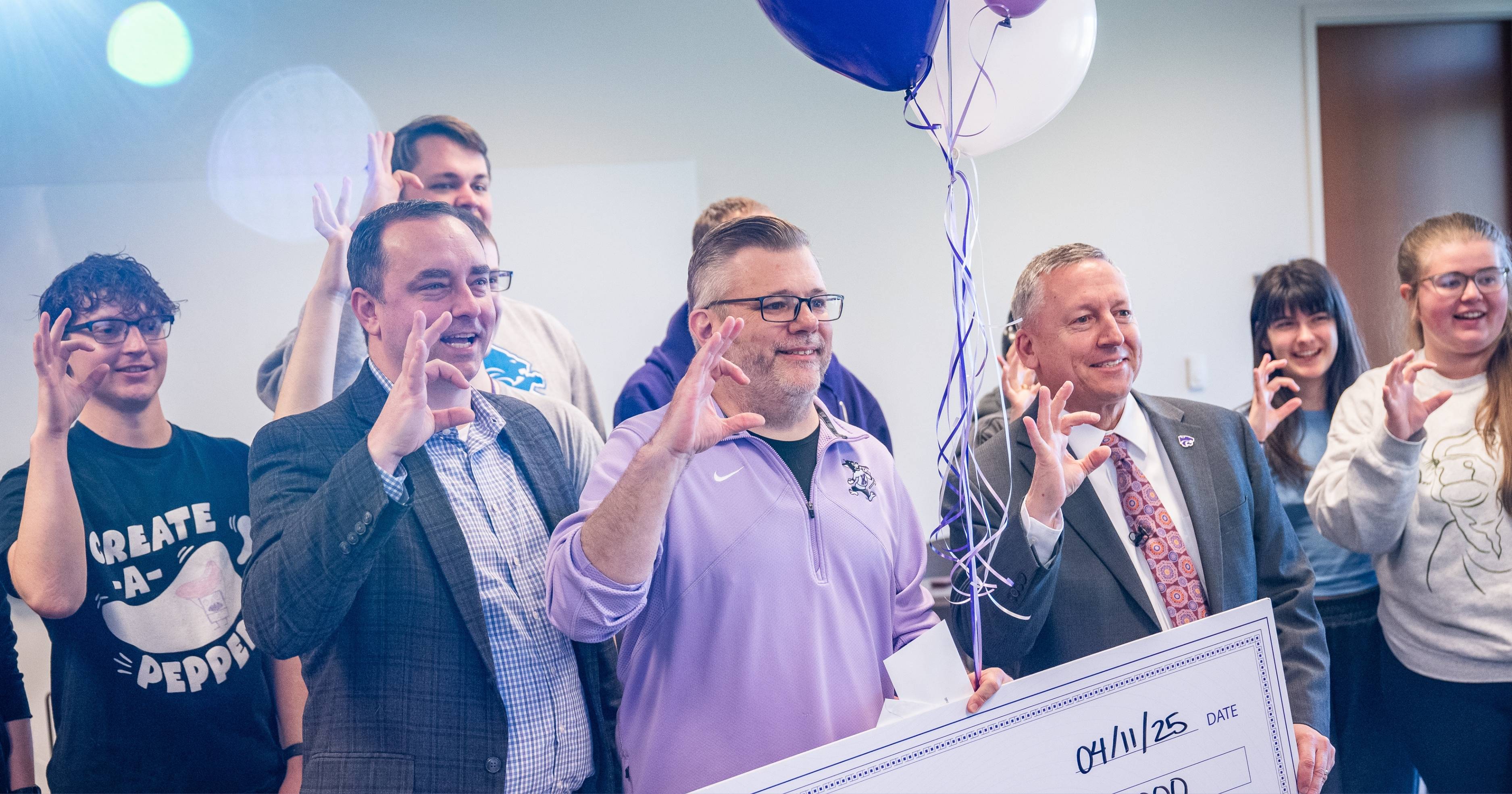
In 2025, Marshall received the K-State Outstanding Undergraduate Teaching Award from Commerce Bank and president Linton.
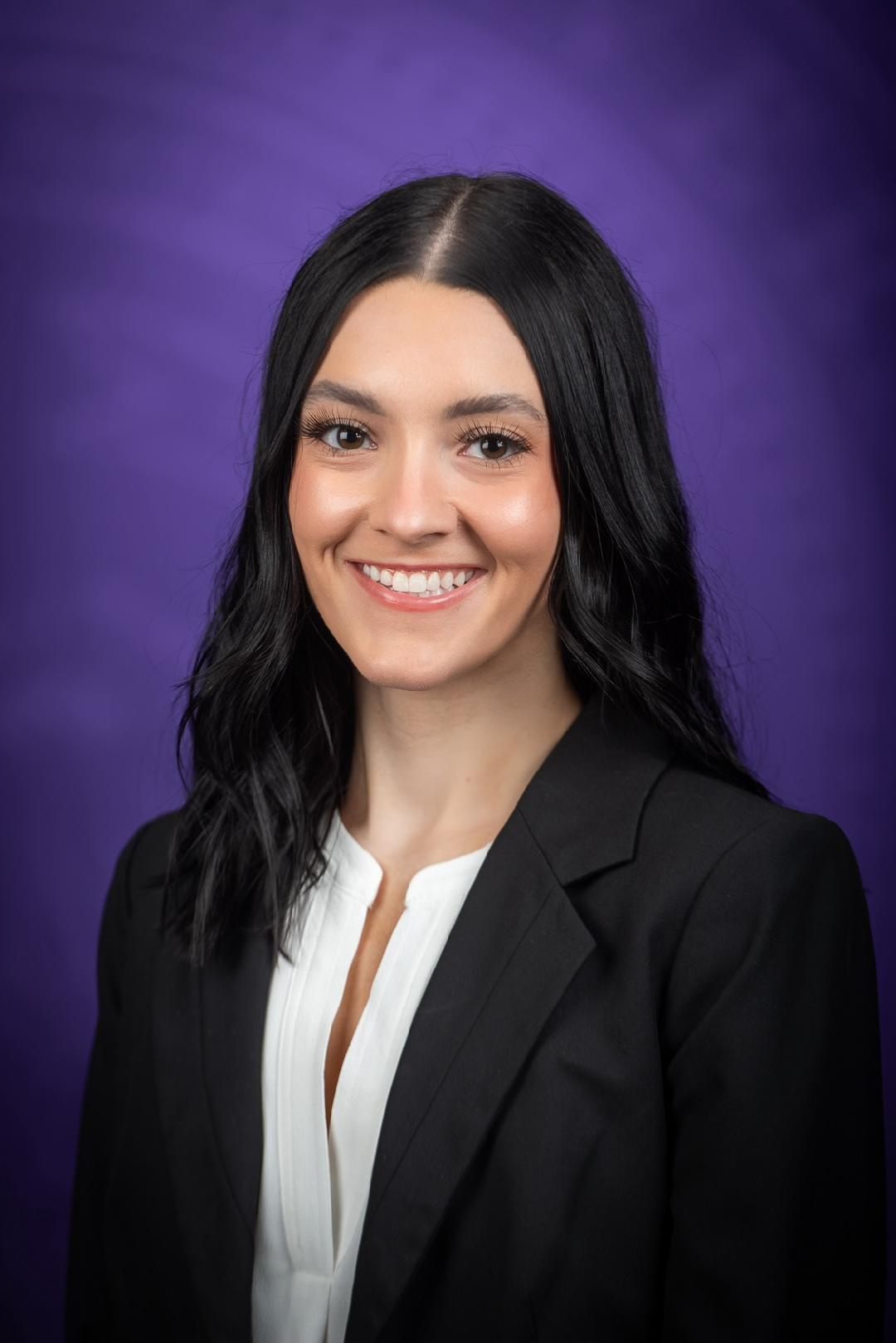
By Abbigail Marshall
Division of Communications and Marketing
Monday, April 20, 2026
Whether it's the sting of failure or a crawling cricket, Jeremy Marshall isn't bugged by what most people are quick to swat away.
As professor and director of undergraduate programs in the Department of Entomology and a 2025 recipient of the K-State Outstanding Undergraduate Teaching Award, Marshall believes the smallest things can spark the most meaningful learning — finding his purpose in treating every moment as an opportunity for growth.
Q: What is one piece of advice you often offer students?
Marshall: Embrace failure, both perceived and real. Our origins, upbringings, parents' jobs or perceived intelligence and success can all be seen by others as failure.
I grew up in Mississippi, my parents didn't go to college, I had a speech impediment, I was called stupid by many teachers and I wasn't very successful in primary school. All of these factors painted me as a failure in the eyes of many. But with speech therapy, I improved my speech; with different teachers, I realized I wasn't stupid; and by the time high school came around, school was easy and I didn't study. I embraced my perceived failures and lesser-than status and used them as motivation.
I arrived at college the same way — with a chip on my shoulder and the idea that school was easy — until I received a 32 on my first microbiology test. I asked my professor, "Why did I fail?" He asked, "Did you come to class?" I said, "No." He asked, "Did you study?" I said, "No, how do I do that?" I then realized I had no idea how to be a student or study, and I ended that semester with a one-point-something GPA. I was put on academic warning and told I would lose my scholarship if I didn't improve my grades.
This is when the power of real failure first hit me. It took another year to figure out what did and didn't work for me, but I figured it out. From this, my "fail, reflect, improve" mindset was born. I tell my students this story, along with countless others about my failings, so they see that their professor isn't special or unique, and that it's ok to make mistakes and fail. Embrace it — failure is our single greatest opportunity to learn. Without it, there really isn't a reason to be in college.
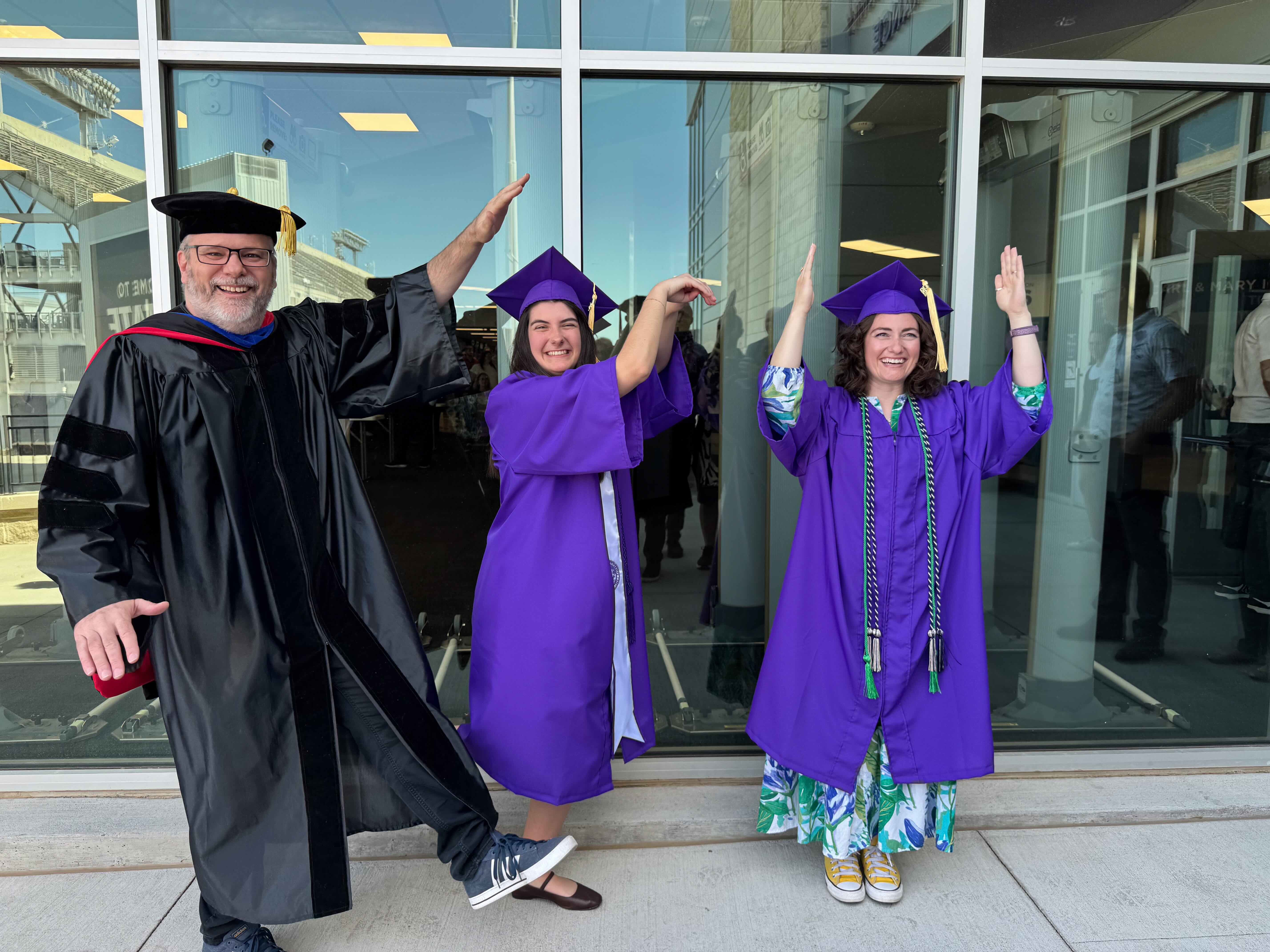
“My community is our students, and I invest nearly every free moment into them. ”
Jeremy Marshall
Q: What one moment have you felt most successful in your role?
Marshall: This is a difficult question for me, as I'm driven by my "fail, reflect, improve" mindset mentioned before. Success and accomplishments can be by-products of this process, but I don't tend to collect them or hold them in any special regard. The relentless pursuit of improvement drives me, not the pursuit of accomplishment.
Initiating this process of improvement in others is extremely rewarding to me, which is where my moment comes from. At the heart of this story is our new, rapidly growing entomology bachelor's program that I spent significant time designing, building and growing. At a faculty meeting about a year ago, we had a moment where nearly everyone in the room realized that their job, their approach to teaching and their mindset needed to change. Our new program forced everyone to think, reflect, and challenge themselves to improve. I love that moment. And since the program's inception in 2022, it's grown into a top-five program nationally and is recruiting students from across the country.
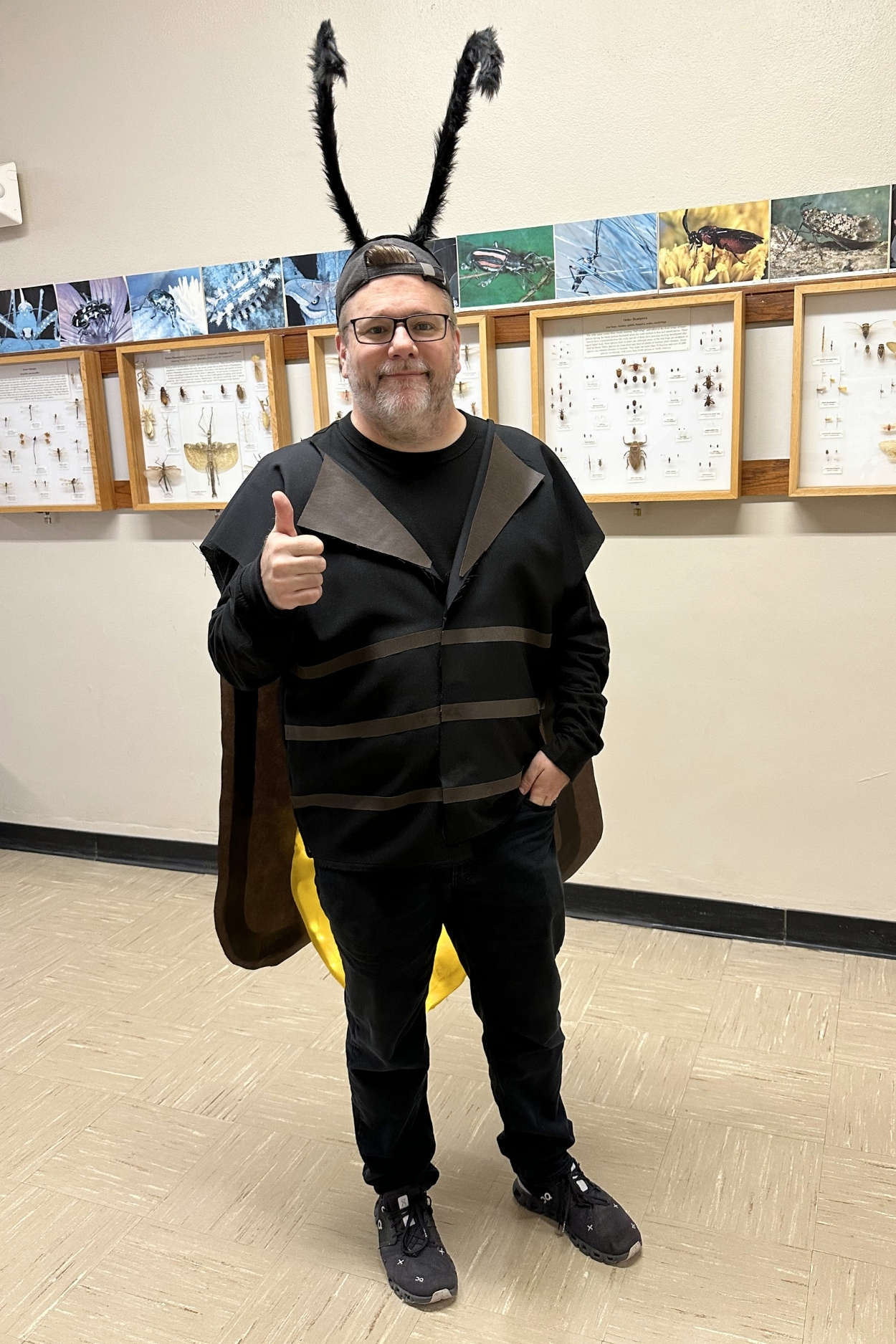 Q: Aside from your job, what activities do you engage in at K-State that make you feel like a part of the community?
Marshall: For me, my job and other activities often overlap. While I don't often attend sporting events or social functions, my community is our students, and I invest nearly every free moment into them. Whether spending hours talking to a student, helping to deal with emergent needs or just being present, students come first for me.
This, combined with teaching hundreds of students each semester and running a growing undergraduate program, keeps me pretty busy. My life revolves around the K-State community in a deep, highly emotional way, built on an unwavering desire to help students.
Q: What challenges are you trying to solve through your work?
Marshall: Getting students to think critically and creatively has been the main challenge throughout my entire 25-year tenure as a faculty member. This challenge is even greater now in the post-AI world, where questions like "What can I be?" and "What is my value?" are no longer philosophical ponders but critical to the existence of higher education and the skills students need to be meaningful contributors to their communities and beyond. Students understanding the value of being human and using their unique talents, in combination with understanding and using new technologies, is the central challenge for all higher education and my focus for every class, advising session and student interaction.