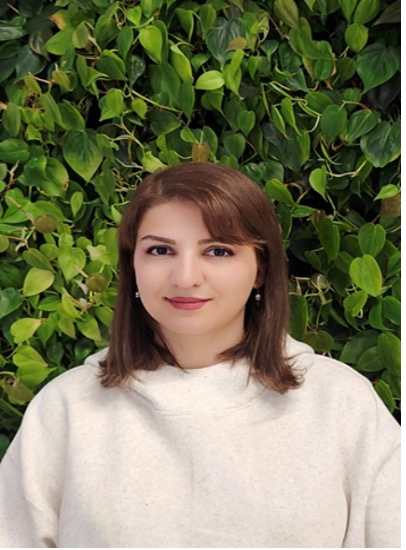
Maryam Tahmasebi
Seaton Hall 1012, Kansas State University
- M.S. in Geography and Geospatial Sciences, Kansas State University (2025–Present)
- B.S. in Landscape Engineering, University of Mohaghegh Ardabili, Iran (2013–2017)
My research focuses on fluvial geomorphology, hydraulics, hydrological processes, climate change, remote sensing, and Geographic Information Systems (GIS). I am currently examining agricultural irrigation canal breaches using digital elevation models and spatial analysis to assess terrain characteristics, drainage patterns, and potential factors contributing to canal failures. My work also involves analyzing laboratory flume experimental data using Python-based methods to quantify channel mobility and bed elevation changes. Additionally, I investigate streambank retreat by integrating field observations, hydrometeorological data, and geospatial techniques to better understand the factors influencing riverbank erosion.
- Tahmasebi, M., Lin, X., & Langston, A. (2026). Hydrometeorological Controls on Streambank Movement along the Smoky Hill River, Kansas. Manuscript in preparation.
- Cartography and Thematic Mapping (GEOG 302)
- Geographic Information Systems I
- Biogeography
Maryam Tahmasebi is a master's student in Geography and Geospatial Sciences at Kansas State University. She earned her bachelor’s degree in Landscape Engineering in Iran. Before beginning her graduate studies, she gained professional experience in environmental engineering.
At Kansas State University, Maryam has contributed to interdisciplinary research projects involving river systems, agricultural irrigation canals, experimental hydraulics, and climate data analysis. Her research experience has strengthened her skills in Python programming, GIS, remote sensing, and fieldwork. She also served as a Graduate Mentor for the NSF EPSCoR KANI–DARE Summer Camp in 2026, guiding students through fieldwork and Python programming activities. In addition, she serves as a Graduate Teaching Assistant, providing hands-on instruction in cartography, GIS, and biogeography.
Her academic achievements include the Marston Muddy Boots Scholarship (2025), the Steve Kale Graduate Research Fellowship (2026), and an Honorable Mention for her research poster at the 2026 EPSCoR Summit.