The Symposium's Origin Story
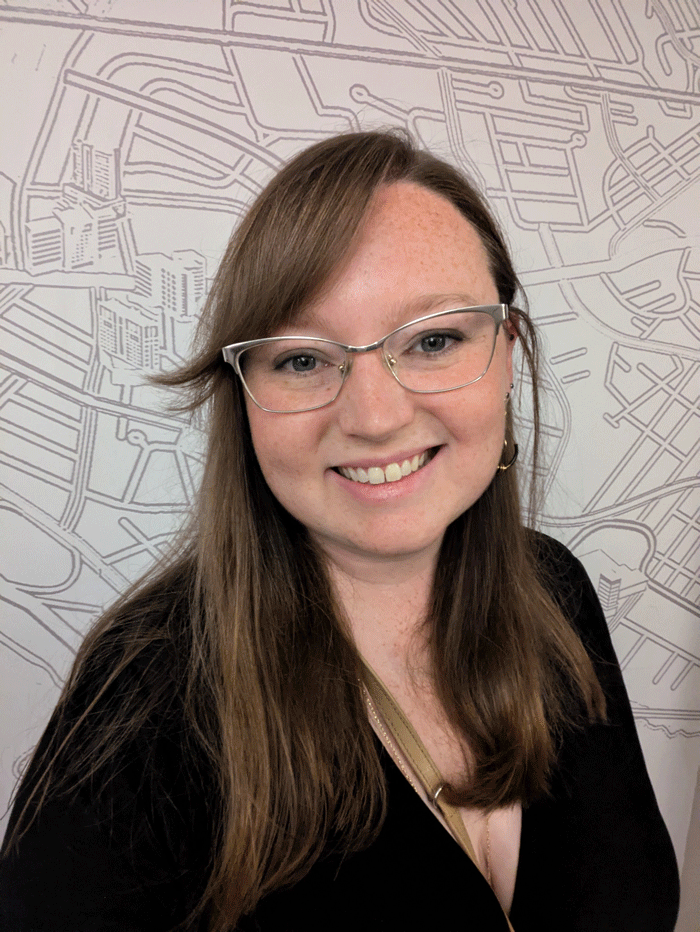
In the fall of 2022, something remarkable happened. Generative AI was publicly available, and it could write... Poetry? Albeit clichéd, generic poetry, but still, it was producing coherent, human language. This caught the attention of Founder and Director, Dr. Raelynne Hale, in a way that Google Translate had not. As a language educator and literary scholar, Dr. Hale was fascinated by this new technology.
Over the winter break, Dr. Hale began to show her family, friends, and colleagues this technology and predicted it would change academia and society in a way previous technology hadn't. Many colleagues and friends in the early days weren't concerned, because, to be honest, as literary scholars and linguists, they knew the language produced wasn't perfect and still sounded quite robotic, and for others, those extra fingers and distorted images weren't as impressive as human art. But Dr. Hale knew this technology was advancing quickly and wanted to invite two Mexican creative fiction authors, Alberto Chimal and Raquel Castro to share their views on this new technology and how creative writing would be impacted.
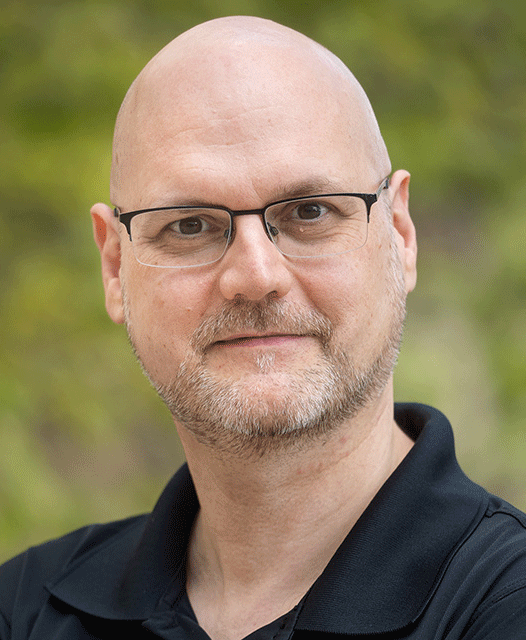
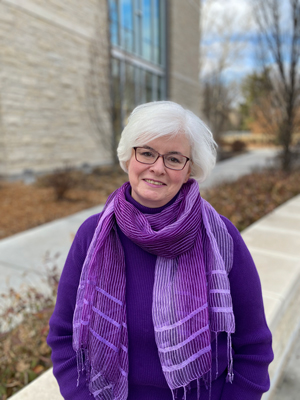
Dr. Hale brought the idea to their Interim Department Chair, Dr. Rebecca Bender, who recommended reaching out to K-State's Center for Artificial Intelligence and Data Science (CAIDS) and looking for other potential collaborators. Luckily, Dr. Pascal Hitzler, University Distinguished Professor and the Director of CAIDS, was eager to collaborate. He offered to bring technical knowledge to the conversation, in general terms that non-technical people could understand. At the same time, Alice Anderson, a tech-savvy and incredible Instructional Designer, led K-State's very first AI workshop - Experience AI Image Generation. The workshop was excellent and luckily, Alice was interested in collaborating! Not only that, but Alice was also a co-founder of a special working group focused on AI Literacy, who lovingly refer to themselves as the (AI)Brarians.
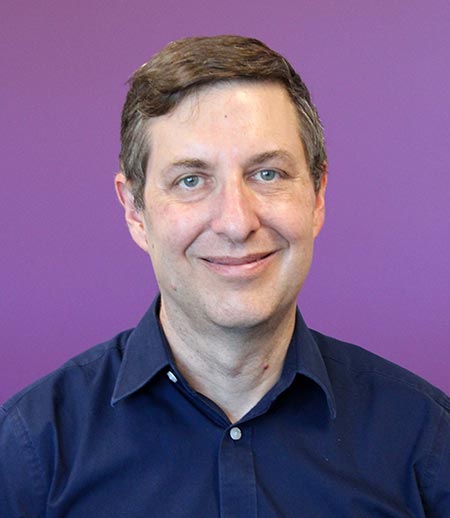
Soon, two other founding members of the (AI)Brarians joined, Jason Coleman, Science Librarian and Professor, and Carol Sevin, Science Librarian and Associate Professor. They were all excited, eager, and believed in the transformational nature of this technology and the need to help people understand it.
Dr. Hale, Dr. Hitzler, and the (AI)Brarians met in the spring of 2023 and the AI and the Future Symposium was born, envisioned as an interdisciplinary event where humanities scholars, computer science researchers, and librarians would come together to discuss the impact of this new technology on the future. Others began to show great interest, and by the fall of 2023, the founding members had built a 3-day program packed full of hands-on workshops on how to use this new technology, keynote speakers to explain and discuss how this new technology worked to a general audience, other keynote speakers to discuss its impact on our society, and conversations from other academics and community members about how they were using it, as well as their excitements and concerns about the technology.
K-State Library offered their large conference rooms and marketing team to help with the event, Departments across campus offered panel sessions and led discussions, and the (AI)Brarians led all the workshops.
The Manhattan Public Library was a natural collaborator, and the first AI Town Hall was held on the first night of the symposium.
That first year, something truly unexpected happened; 446 people registered to attend the event!
Due to the incredible, unexpected success, the founding members of the AI and the Future Symposium were tasked with making the Symposium an annual event to keep up with the fast-paced technology.
Each year the symposium adapted to current needs and trends, and kept growing to include more disciplines, industry case studies, conversations about ethics and academic (dis)honesty, student discussions and more.
Four years later, the AI and the Future Symposium expanded into a regional event, now known as the Heartland AI Symposium.
The Founders