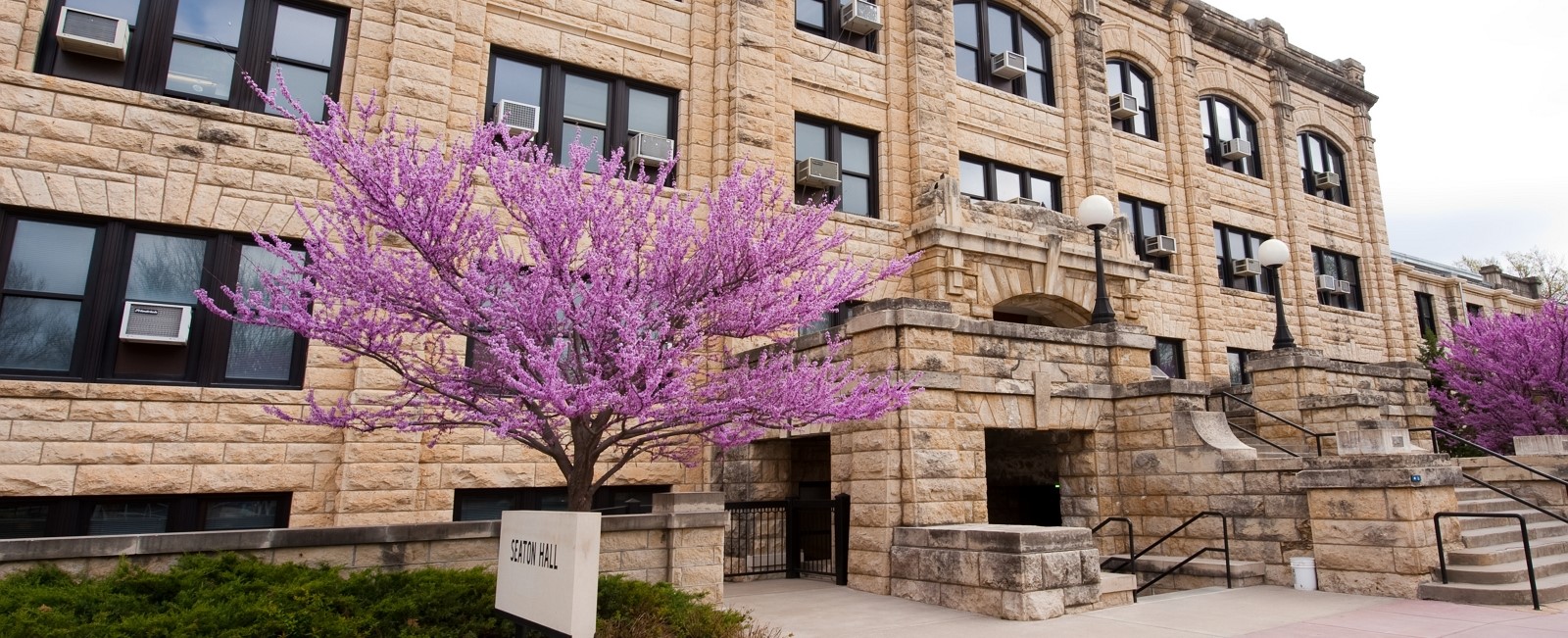
About Geography and Geospatial Sciences
Part of K-State since 1863, Geography continues to be a leader in the geosciences, environmental science, and sustainability studies through student-centered instruction, innovative research, professional service, and community engagement.
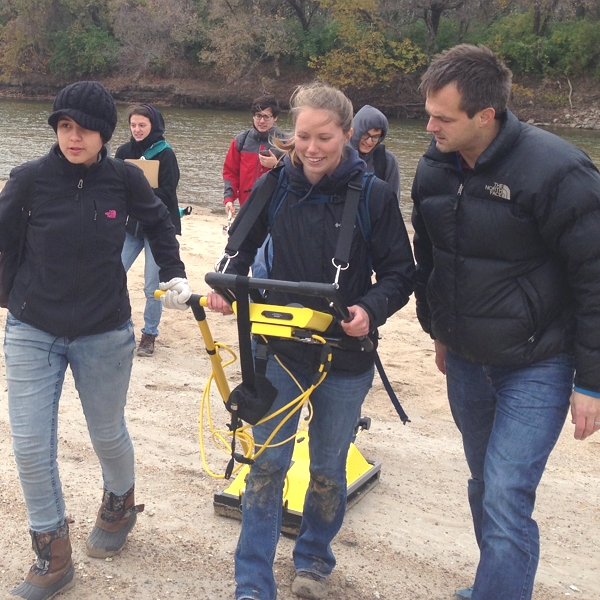
Learn More about Geography and Geospatial Sciences
Geography and Geospatial Sciences has a rich history, engaged and supportive alumni, and consistently ranks among the best performing social and biophysical science units at Kansas State University. Our faculty are accomplished instructors who actively publish their scholarship and secure extramural funding to support internationally-recognized research programs.
Our talented group of undergraduate and graduate students are successful competitors for prestigious national scholarships and awards by agencies including the National Science Foundation, NASA, U.S. Department of Homeland Security, U.S. Department of Defense, Conference of Latin American Geography, American Association of Geographers, and American Geographical Society.
Continue exploring our site to learn more about our team and why a major, minor, graduate degree, and career in Geography and Geospatial Sciences might be right for you!
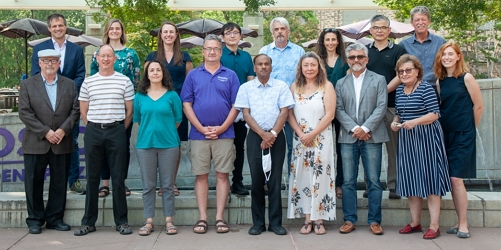
Meet our current faculty, staff, and post-doctoral researchers
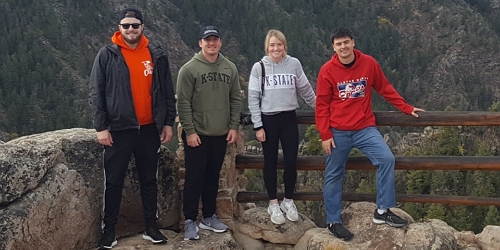
See our team of M.S. and Ph.D. students from across the world
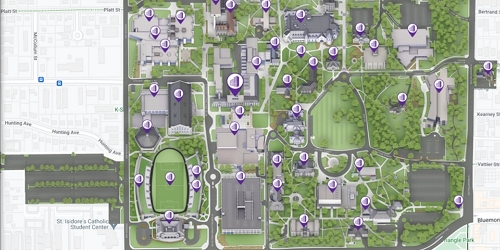
Visit our faculty and tour department facilities in historic Seaton Hall
Have a Question? Let Us Help!
| General Questions |  |
Penny DarflerOffice Specialist II |
| Undergraduate Programs |
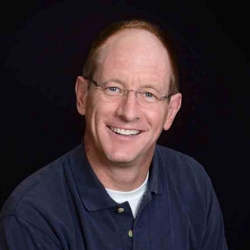 |
Dr. Jeffrey S. SmithProfessor and Lead Undergraduate Advisor |
| Graduate Programs | 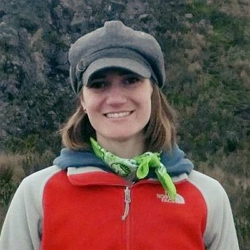 |
Dr. Audrey JoslinAssociate Professor and Graduate Program Director |
| Environmental Science Program |  |
Dr. Abigail LangstonAssistant Professor and Member, Environmental Science Program Advisory Board |
| Natural Resources and Environmental Sciences (NRES) Secondary Major |  |
Dr. Barnali DasTeaching Assistant Professor and Director, NRES Secondary Major |
| GIS Certificate Programs | 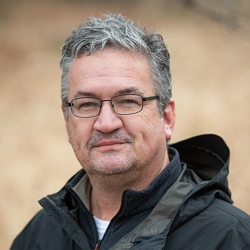 |
Dr. J.M. Shawn HutchinsonProfessor and Director, Geographic Information Systems Spatial Analysis Laboratory; Co-Director, Institute for Digital Agriculture and Advanced Analytics |