Resistance Management: More Than a Weed Problem…
For +/- 50 years we’ve dealt with herbicide resistance to Kansas weeds and despite our best efforts, we still fight it. We have weeds, so we’re going to use herbicides, but if we’re not careful, the resistance list will continue to grow. NOTE: multiple weed populations from across the District have been submitted for screening the last two seasons; results are pending…
Unfortunately, resistance isn’t only a weed issue. The graph below from work by K-State Extension Row Crops Pathologist Dr. Rodrigo Onofre (and counterparts across the Midwest) shows results of a survey of resistance to a class of fungicides used on Frogeye Leaf Spot in soybeans:
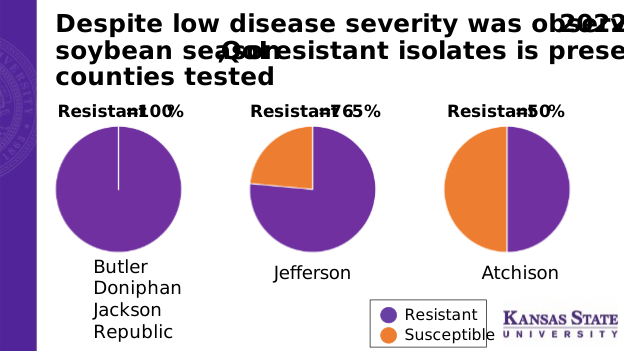 As fungicide use has increased, so has resistance potential, with this study
confirming it’s presence TOO close to home.
Are insecticides next? It IS a possibility and with the increasing pressure we’ve put on them, it wouldn’t be a surprise. Last summer alone, many alfalfa stands were sprayed at least once – and some twice – in spring for alfalfa weevil then received at least one more insecticide application for fall armyworm later in the season. Every application is an opportunity to manage resistance – for better OR worse – and if products aren’t rotated, appropriate rates not used, or proper application coverage not achieved, we increase the potential for issues and start to put pressure on products that previously worked well.
Resistance management is tough, but can often be boiled down to 3 steps:
- Scouting: if no insect or disease is present, reconsider preventative applications until there’s better evidence it will cause an issue.
- Apply appropriately: use the right rate (don’t skimp on product OR carrier) on the right crop for the right pest at the right time. Rotate product groups. Off label product use is not only against the law, but can endanger human/animal users AND our ability to retain products.
- Scout…again: when the label says it’s appropriate, return to fields to evaluate product performance. If you note issues, start to investigate why. It might be one of the best visits you make into the field because it can prevent issues for years down the road.
Scouting takes some time, but it’s benefits will far outweigh a product that no longer works when we need it to!