Evaluating Forage Stand Competitiveness
Competition from undesirable species is a huge challenge for forage growers. Broadleaf weeds, brush, and invasive grasses very effectively use any and all openings in the stand canopy to get established. This statement from a USDA Plant Fact Sheet on broomsedge bluestem says it well: increases in plant numbers as more desirable vegetation is selectively grazed by livestock. If left uncontrolled, broomsedge bluestem can become the dominant grass in abused, overgrazed range and pastures. Keeping grass stands competitive should be a focus now if we want them in good shape for 2026.
Start with a broad assessment (video below). Is the stand consistent? Are the forages desirable or more weedy in nature? What ‘glaring’ issues do you note?
Next, look down into the plant canopy. Are there invasives not noted previously? It’s easy to see the our cool season grasses now as they reach maturity, but warm season invasives like broomsedge or foxtail have likely emerged and await canopy removal (haying, grazing, etc…) to get a foothold.
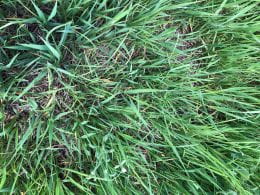
Step 3 is to ask why. Why is the stand thinning? Why is that broomsedge spot growing? Why was weed X an issue this year? Some come with easy answers like ‘that’s where I stacked hay last summer’ or ‘fertility has been a struggle since day 1’. Some issues require a deeper look into not only this season, but last season – or five seasons ago. Issues may also be due to (or compounded by) factors out of our control like weather. How did the stand recover last fall or the fall before? Were dry soils early in the growing season a contributor to reduced production? All could affect production and deserve attention.
The last step may be the first step for next season, too. While there are things we can do this season (forage removal height, hay removal, grazing pressure, etc…) to help reduce some of our problems, a look ahead is also important. Should we alter fertility programs (rate, timing, etc…) or do we have enough information to make changes? Are other resources available to evaluate longer term how this pasture has performed or what variability there may be across it (Examples: Range Analysis Platform, USDA WebSoil Survey, etc…). Changes take time to implement, making current observations all the more important so they can be implemented sooner than later.